College Park sits just south of Atlanta, anchored by tree-lined avenues and one of Georgia's largest urban historic districts.
The neighborhood streets are named for Ivy League colleges, giving the city an academic character that echoes its founding story.
Craftsman bungalows and Queen Anne homes line Walker, Harvard, and Princeton Avenues, many dating to the early 1900s.
Porches face wide sidewalks beneath mature hardwoods that shade the blocks in every season, casting long afternoon shadows across original brick pathways.
The pace here favors morning walks past front gardens and evening conversations across wide front yards. Residents enjoy close proximity to Hartsfield-Jackson while living on quiet residential streets that feel removed from the airport corridor entirely.
Main Street draws food lovers to locally owned restaurants serving Southern, Ethiopian, Caribbean, and Gullah-inspired cuisine.
Weekend brunch brings crowds from across metro Atlanta, filling sidewalk tables by mid-morning along the central corridor.
The city's arts and culture scene grows steadily, with galleries, live music, and community events in renovated historic buildings.
Creative energy pulses through the district, supported by a diverse, entrepreneurial population valuing local ownership and authentic community spaces.
Woodward Academy, one of the largest independent preparatory schools in the country, anchors the educational landscape here.
The school's presence adds to the neighborhood's sense of established community and lasting civic investment in excellence.
The community was founded as Atlantic City in 1890 as a railroad depot. It became Manchester in 1891, then College Park in 1896 when Cox College relocated here from LaGrange.
Georgia Military Academy, which later became Woodward Academy, shaped the city's early identity and connection to education.
The east-west avenues bear the names of Ivy League institutions, a tradition dating to the original town plan.
This naming convention reflects the founders' vision of an educated, cultured community rooted in academic excellence.
The historic district spans 606 acres with more than 850 structures built between 1882 and 1946.
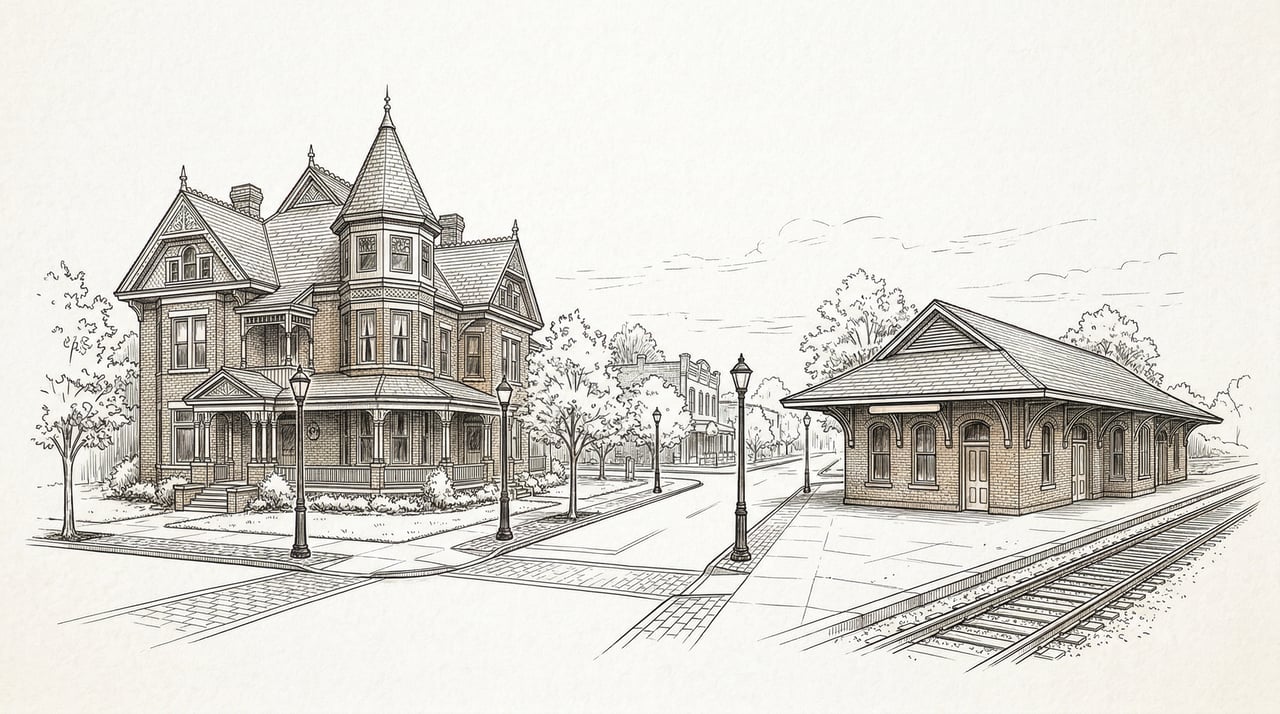
Architectural styles range from Queen Anne to American Craftsman, preserving one of the most intact historic streetscapes in the region.
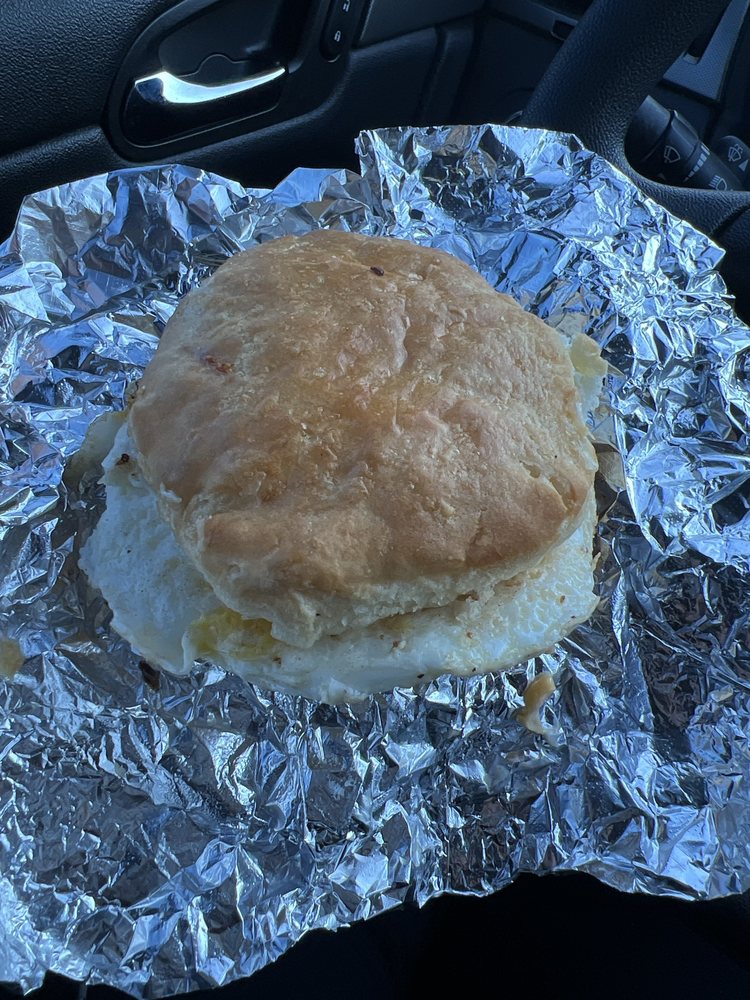
Morning routines often start at local coffee counters or brunch spots along Main Street, where the scent of fresh biscuits fills the air.
Kroger on Old National Highway handles everyday grocery runs for most households.
Boutique shopping and small retail businesses line the downtown blocks, offering handmade goods and vintage finds.
Locally designed apparel and specialty items are available throughout the central corridor.
The walkable layout makes Saturday errands feel more like a stroll through a close community than a chore.
The Wellness Spot is a Black-owned luxury spa and fitness studio in the historic district.
It offers an array of classes and exclusive spa treatments for residents valuing personal care and wellness.
Residents here appreciate personal care services reflecting the neighborhood's creative and independent spirit.
What is the overall feel of College Park?
College Park has a warm, creative energy rooted in deep history and community pride.
Tree-shaded avenues, front-porch culture, and a walkable Main Street give the city a welcoming and grounded atmosphere that draws people in.
What home styles are most common here?
Queen Anne Victorians, American Craftsman bungalows, and early twentieth-century revival styles make up the residential fabric.
Many homes date to the late 1800s and early 1900s, retaining original millwork, wide porches, and period architectural detail.
What makes College Park appealing for lifestyle buyers?
The combination of a nationally recognized historic district, a flourishing food scene, and close proximity to Atlanta makes College Park a compelling choice. Buyers are drawn to homes with character, walkable tree-lined streets, and genuine cultural vibrancy.
What does a typical day look like in College Park?
A morning walk along Harvard or Princeton Avenue leads to brunch on Main Street, then browsing local shops.
Afternoons might be spent at Barrett Park, with evenings winding down over dinner and porch conversations.
Is College Park a strong long-term ownership or investment choice?
College Park's historic designation, expanding dining and arts corridor, and proximity to Hartsfield-Jackson all point to sustained demand. The city's cultural momentum and preservation standards give long-term owners a solid foundation for value.
13,969 people live in College Park, where the median age is 31.3 and the average individual income is $30,375. Data provided by the U.S. Census Bureau.
Total Population
Median Age
Population Density Population Density This is the number of people per square mile in a neighborhood.
Average individual Income
There's plenty to do around College Park, including shopping, dining, nightlife, parks, and more. Data provided by Walk Score and Yelp.
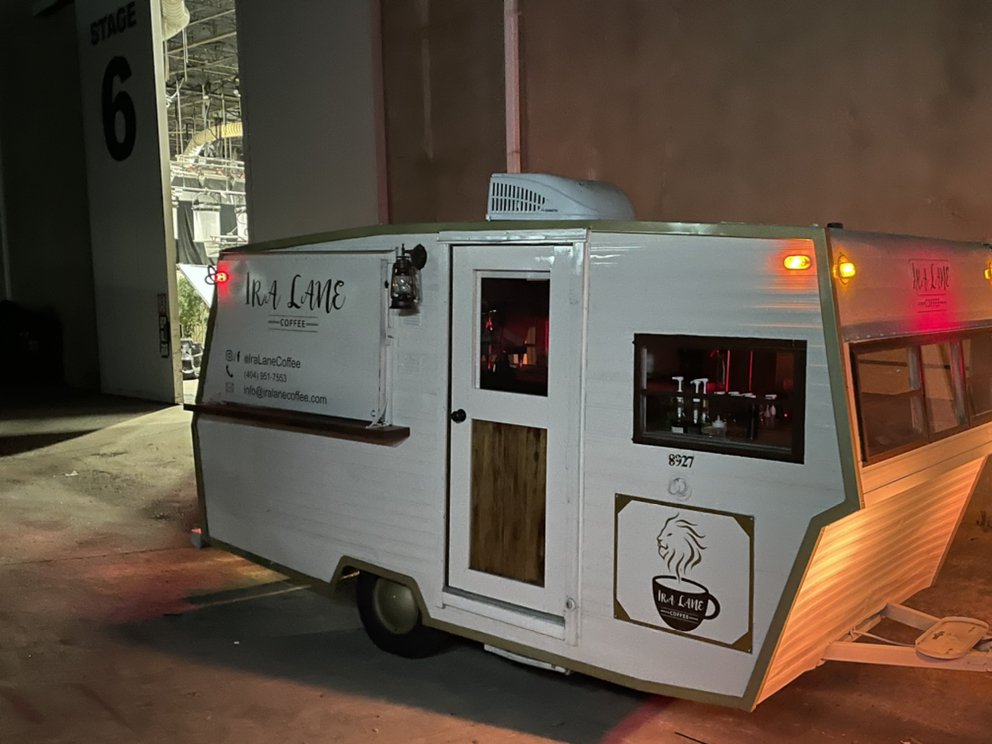
Explore popular things to do in the area, including Touray Kunda Cafe, Ira Lane Coffee, and Akhirah's Cafe.
| Name | Category | Distance | Reviews |
Ratings by
Yelp
|
|---|---|---|---|---|
| Dining | 1.49 miles | 6 reviews | 5/5 stars | |
| Dining | 4.78 miles | 17 reviews | 5/5 stars | |
| Dining | 1.5 miles | 9 reviews | 5/5 stars | |
| Dining | 2.6 miles | 18 reviews | 4.9/5 stars | |
| Dining | 3.48 miles | 18 reviews | 4.9/5 stars | |
| Shopping | 1.83 miles | 6 reviews | 5/5 stars | |
| Active | 1.45 miles | 7 reviews | 5/5 stars | |
| Active | 0.88 miles | 6 reviews | 5/5 stars | |
| Active | 1.33 miles | 7 reviews | 5/5 stars | |
| Beauty | 3.55 miles | 7 reviews | 5/5 stars | |
| Beauty | 4.12 miles | 6 reviews | 5/5 stars | |
| Beauty | 2.67 miles | 5 reviews | 5/5 stars | |
| Beauty | 3.54 miles | 5 reviews | 5/5 stars | |
| Beauty | 3.36 miles | 6 reviews | 5/5 stars | |
| Beauty | 1.42 miles | 6 reviews | 5/5 stars | |
| Beauty | 3.04 miles | 7 reviews | 5/5 stars | |
| Beauty | 0.55 miles | 8 reviews | 5/5 stars | |
|
|
||||
|
|
||||
|
|
||||
|
|
||||
|
|
||||
|
|
College Park has 5,942 households, with an average household size of 2.34. Data provided by the U.S. Census Bureau. Here’s what the people living in College Park do for work — and how long it takes them to get there. Data provided by the U.S. Census Bureau. 13,969 people call College Park home. The population density is 1,251.63 and the largest age group is Data provided by the U.S. Census Bureau.
Total Population
Population Density Population Density This is the number of people per square mile in a neighborhood.
Median Age
Men vs Women
Population by Age Group
0-9 Years
10-17 Years
18-24 Years
25-64 Years
65-74 Years
75+ Years
Education Level
Total Households
Average Household Size
Average individual Income
Households with Children
With Children:
Without Children:
Marital Status
Blue vs White Collar Workers
Blue Collar:
White Collar:
Our exceptional team of local real estate agents and network of consultants are ready to help you sell or buy a home, or invest in real estate.