Morrow sits at the center of Clayton County, close enough to Atlanta to maintain genuine metro connectivity while sustaining the quieter rhythm of a smaller city with its own civic institutions and cultural identity.
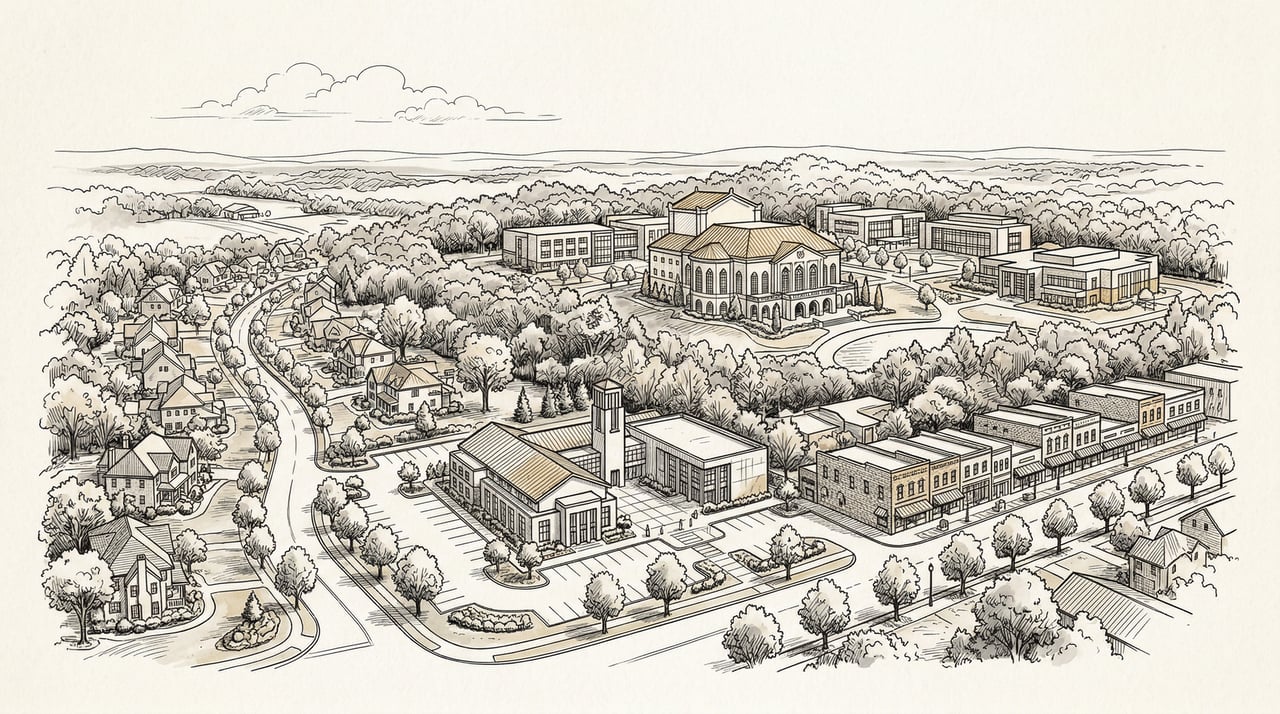
Clayton State University forms one of Morrow's most distinctive assets, a campus that brings academic programming, cultural events, and the nationally acclaimed Spivey Hall into the daily fabric of the surrounding community.
The residential neighborhoods nearest the university and along the Lake Harbin Road corridor offer ranch-style and split-level homes on generous lots, with mature trees and established streetscapes that reflect the city's mid-century origins.
Lake Harbin, a protected reservoir at the edge of the residential grid, provides a natural green buffer that softens the boundary between the city's developed corridors and the wooded land surrounding them.
Spivey Hall at Clayton State University is Morrow's most celebrated cultural asset, a 392-seat performance space recognized as one of the finest concert halls in the southeastern United States, hosting internationally acclaimed chamber music and recitals throughout the academic year.
Outdoor life is anchored by Clayton County International Park, one of the largest county parks in Georgia, with water recreation, beach volleyball, a championship rowing facility, and miles of natural-surface trail minutes from central Morrow.
The community's proximity to Interstate 75 extends its lifestyle radius considerably. Residents reach Hartsfield-Jackson Atlanta International Airport in under twenty minutes, connecting to the broader region without the congestion that defines closer-in Atlanta addresses.
The university campus brings a rotating calendar of public lectures, performances, and community programming that gives Morrow a cultural dimension well beyond what its footprint would otherwise suggest.
Morrow developed as a railway community in the post-Civil War era, its name tied to the Morrow family whose land holdings shaped the area's early settlement pattern along the Macon and Western Railroad corridor.
The twentieth century brought suburban expansion as Clayton County grew rapidly in the decades following World War II. Morrow incorporated in 1955, and its residential fabric took shape through the late 1950s and 1960s.
Ranch homes and newer construction spread through the corridors surrounding the historic rail corridor along Morrow Road, establishing the residential character that defines the city's older and most established neighborhoods.
The establishment of Clayton State University in 1969 gave Morrow a civic anchor that shaped its identity into the twenty-first century. Spivey Hall, opened in 1991, elevated the city's cultural standing and drew a wider regional audience to the community.
Grocery options in Morrow center on a Publix and Kroger along the Jonesboro Road and Morrow Industrial Boulevard corridors, with specialty and ethnic grocery options available throughout the broader Clayton County commercial network.
The commercial corridors surrounding Morrow carry a mix of locally owned shops, established regional retailers, and service businesses that cover the practical range of daily needs without requiring a long drive or a detour into heavier traffic.
Fitness options include established gyms and studios along the Jonesboro Road corridor, and the trail and recreation network at Clayton County International Park provides a well-used outdoor alternative for residents who prefer taking their workouts outside.
What is the overall feel of Morrow?
Morrow has the settled, unhurried character of a mid-century suburban city that has found its identity in civic institutions rather than retail development. The university, Spivey Hall, and the county park system give it a cultural weight that belies its modest footprint.
What home styles are most common here?
Ranch-style and split-level homes from the 1950s and 1960s define much of Morrow’s residential fabric, particularly in the neighborhoods closest to Lake Harbin and the university campus. Lot sizes are generous by metro Atlanta standards, with mature landscaping and established canopy framing the older streets consistently.
What makes Morrow appealing for lifestyle buyers?
Morrow draws buyers who value practical connectivity, established neighborhoods, and access to genuine cultural assets without the premium of closer-in Atlanta addresses. The presence of Spivey Hall, the county park system, and Clayton State University creates a quality of life anchored in lasting civic infrastructure.
What does a typical day look like in Morrow?
A weekday morning might involve an early walk at Reynolds Nature Preserve or a drive along Lake Harbin before heading out for the day. Evenings might include a performance at Spivey Hall, dinner nearby, and a return to quiet residential streets that carry none of the congestion of closer-in Atlanta neighborhoods.
Is Morrow a strong long-term ownership or investment choice?
Morrow’s established housing stock, consistent proximity to Atlanta’s employment and airport corridors, and the stabilizing presence of Clayton State University make it a credible long-term hold for buyers focused on access and institutional anchors rather than prestige address alone.
27,784 people live in Morrow, where the median age is 30.8 and the average individual income is $21,545. Data provided by the U.S. Census Bureau.
Total Population
Median Age
Population Density Population Density This is the number of people per square mile in a neighborhood.
Average individual Income
There's plenty to do around Morrow, including shopping, dining, nightlife, parks, and more. Data provided by Walk Score and Yelp.
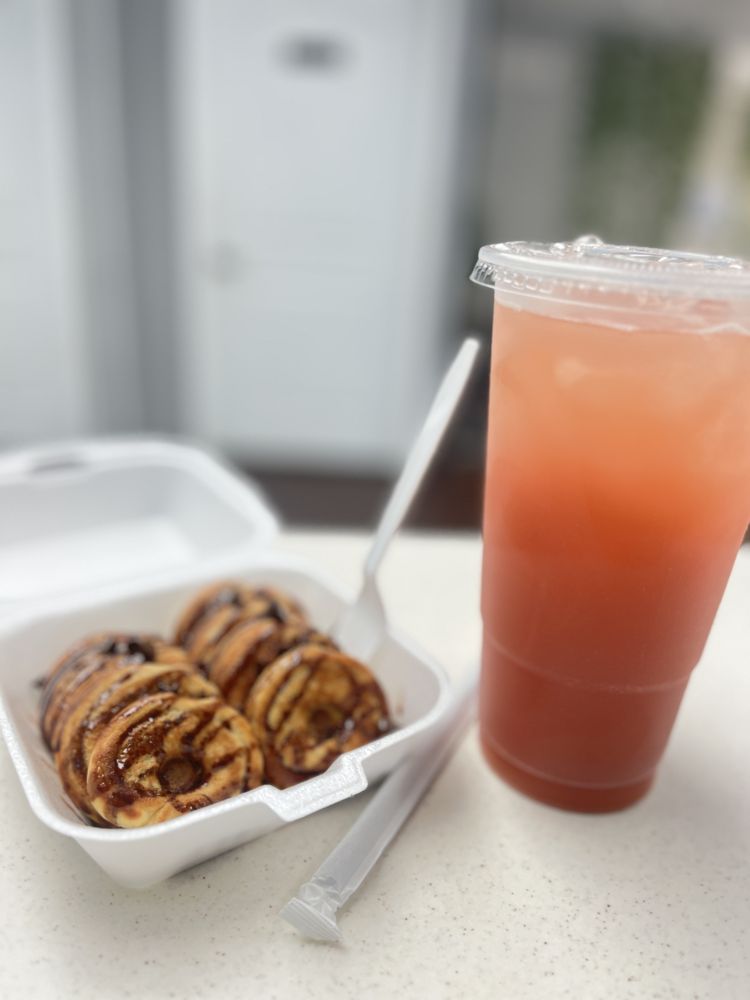
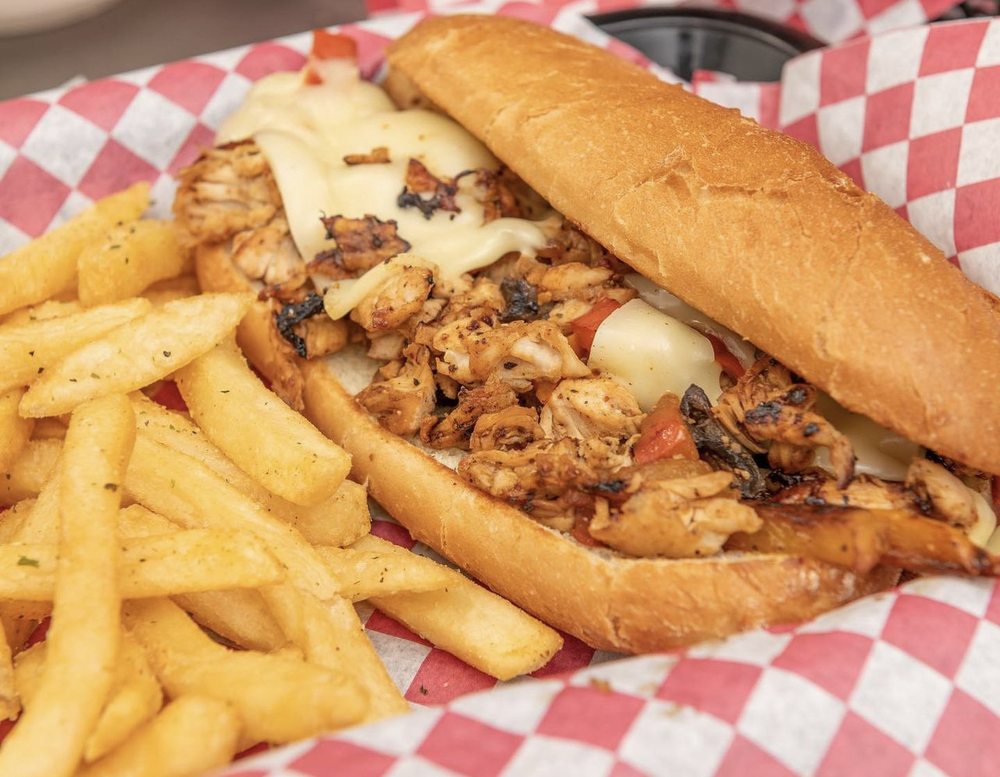
Explore popular things to do in the area, including Red Shoe Cakes, Fit Nutrition, and Mr Cheese Bread.
| Name | Category | Distance | Reviews |
Ratings by
Yelp
|
|---|---|---|---|---|
| Dining · $$ | 3.86 miles | 11 reviews | 5/5 stars | |
| Dining | 0.62 miles | 5 reviews | 5/5 stars | |
| Dining | 0.97 miles | 6 reviews | 5/5 stars | |
| Dining | 3.31 miles | 8 reviews | 4.9/5 stars | |
| Dining | 4.74 miles | 7 reviews | 4.9/5 stars | |
| Dining | 4.59 miles | 7 reviews | 4.9/5 stars | |
| Beauty | 3.03 miles | 5 reviews | 5/5 stars | |
| Beauty | 4.48 miles | 5 reviews | 5/5 stars | |
| Beauty | 2.71 miles | 5 reviews | 5/5 stars | |
| Beauty | 1.06 miles | 5 reviews | 5/5 stars | |
|
|
||||
|
|
||||
|
|
||||
|
|
||||
|
|
||||
|
|
Morrow has 8,821 households, with an average household size of 3.04. Data provided by the U.S. Census Bureau. Here’s what the people living in Morrow do for work — and how long it takes them to get there. Data provided by the U.S. Census Bureau. 27,784 people call Morrow home. The population density is 2,548.85 and the largest age group is Data provided by the U.S. Census Bureau.
Total Population
Population Density Population Density This is the number of people per square mile in a neighborhood.
Median Age
Men vs Women
Population by Age Group
0-9 Years
10-17 Years
18-24 Years
25-64 Years
65-74 Years
75+ Years
Education Level
Total Households
Average Household Size
Average individual Income
Households with Children
With Children:
Without Children:
Marital Status
Blue vs White Collar Workers
Blue Collar:
White Collar:
Our exceptional team of local real estate agents and network of consultants are ready to help you sell or buy a home, or invest in real estate.