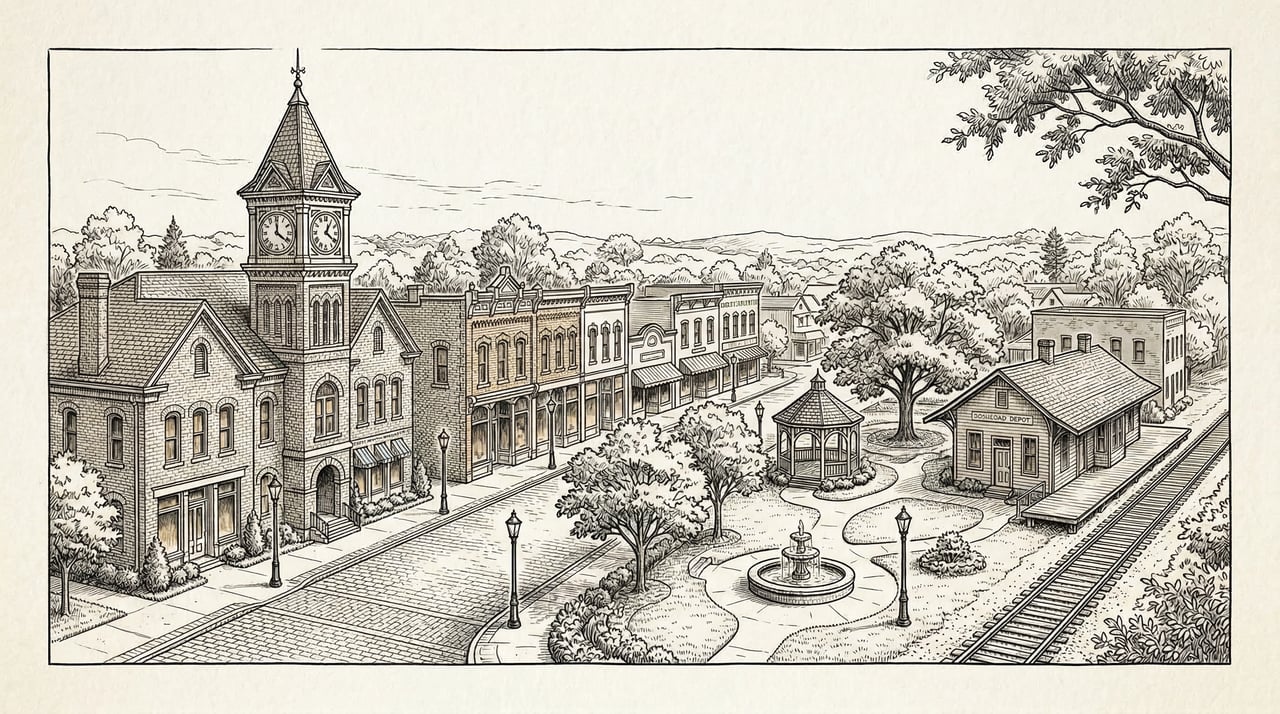
Norcross is one of metro Atlanta’s most distinctive small cities, anchored by a walkable historic downtown of brick storefronts, Victorian-era commercial buildings, and tree-lined streets that give it a texture most Gwinnett communities simply do not possess.
The downtown core along Lawrenceville Street and Jones Street has been carefully maintained, with building facades and streetscapes that reflect the city’s late-nineteenth-century origins and the stewardship of residents who have valued that character across generations.
Proximity to Peachtree Industrial Boulevard and I-85 connects Norcross residents to the broader metro efficiently, placing Buckhead within thirty minutes and Midtown Atlanta within a comparable drive on a clear morning without significant effort.
Residential streets fanning out from the downtown core offer a range of housing options, from restored Victorian cottages on compact lots to newer single-family builds, all within walking or cycling distance of the city’s restaurants, parks, and gathering places.
The walkability of Norcross’s downtown is the defining lifestyle quality for most residents, who appreciate moving between a morning coffee, an evening dinner, and weekend programs on foot in a way that few Atlanta suburbs make genuinely possible.
The city’s arts scene is active and locally rooted, with gallery exhibitions, live music along Lawrenceville Street, and community events organized through Norcross Cultural Arts that give the downtown calendar a consistent creative and social energy.
Thrasher Park, adjacent to the historic district, provides a well-loved green space for morning walks, community gatherings, and the kind of unhurried Saturday afternoon that brings long-time residents and newer arrivals together without any formal occasion.
The Norcross Station, a beautifully preserved historic train depot at the edge of the downtown, anchors the physical and social identity of the city and serves as a landmark that residents point to with consistent and earned civic pride.
Norcross was incorporated in 1870 as one of Gwinnett County’s earliest rail towns, established along the Air Line Railroad route as a commercial waypoint between Atlanta and points northeast, and named for Jonathan Norcross, a former Atlanta mayor who held land in the area.
The late nineteenth and early twentieth centuries brought construction of the commercial buildings and residential cottages that still define the downtown streetscape, many of them now listed on the National Register of Historic Places and actively maintained by the city.
Through the twentieth century, Norcross maintained its municipal identity as Gwinnett County grew dramatically around it, preserving a distinct character that set it apart from the unincorporated suburban fabric expanding outward in every direction.
Historic preservation efforts beginning in earnest in the 1970s and continuing through the present have protected the building stock and street grid that make Norcross one of the most architecturally coherent small cities in the Atlanta metropolitan area.
Grocery options near Norcross include the Whole Foods Market at the Forum on Peachtree Parkway and a well-supplied Publix close to the historic district, giving residents quality daily provisions within a short and routine drive.
The boutiques and locally owned shops along Jones Street and Lawrenceville Street offer a walkable retail alternative to larger commercial centers, with independent home goods, gift, and specialty stores that reflect the city’s particular character and reward consistent visits.
Wellness options include Orangetheory Fitness and Pure Barre within close reach of the city center, alongside independent yoga studios in the Norcross and Peachtree Corners corridor that have built strong and loyal neighborhood followings.
What is the overall feel of Norcross?
Norcross feels like a city that knows exactly what it is and has invested accordingly. The historic downtown creates an anchor for daily life that is rare in Gwinnett County, and the combination of walkability, arts programming, and architectural character gives it a sense of place that residents are consistently reluctant to trade away for something larger or newer.
What home styles are most common here?
Victorian cottages, craftsman bungalows, and early twentieth-century foursquares dominate the historic residential streets closest to downtown, while traditional single-family homes occupy the neighborhoods radiating outward. The older housing stock has been steadily restored, with many homes retaining original details that give the city’s streetscapes a consistency and warmth that newer development cannot manufacture.
What makes Norcross appealing for lifestyle buyers?
The walkable downtown is the primary draw, offering something genuinely rare in the Atlanta suburbs a place where daily life can unfold on foot between a coffee shop, a neighborhood restaurant, and a park, all within a few blocks of home. The city’s arts programming, international dining culture, and community identity add an intangible quality that buyers tend to describe as simply feeling right for the way they want to live.
What does a typical day look like in Norcross?
A morning in Norcross might begin at a café on Lawrenceville Street before a walk through Thrasher Park and a stroll past the brick storefronts of the downtown core. Evenings might end at a craft brewpub or a lively international restaurant, with residents returning home on foot through streets that make small-city living feel like a genuinely good and deliberate decision.
Is Norcross a strong long-term ownership or investment choice?
Norcross’s historic designation, walkable infrastructure, and established civic identity make it one of Gwinnett County’s most durable residential markets. Demand for homes in the historic district has remained consistent because the supply of walkable, architecturally distinctive properties in the metro is genuinely limited, and Norcross continues to attract buyers who search deliberately for exactly this kind of community.
75,155 people live in Norcross, where the median age is 31.7 and the average individual income is $27,698.888. Data provided by the U.S. Census Bureau.
Total Population
Median Age
Population Density Population Density This is the number of people per square mile in a neighborhood.
Average individual Income
There's plenty to do around Norcross, including shopping, dining, nightlife, parks, and more. Data provided by Walk Score and Yelp.
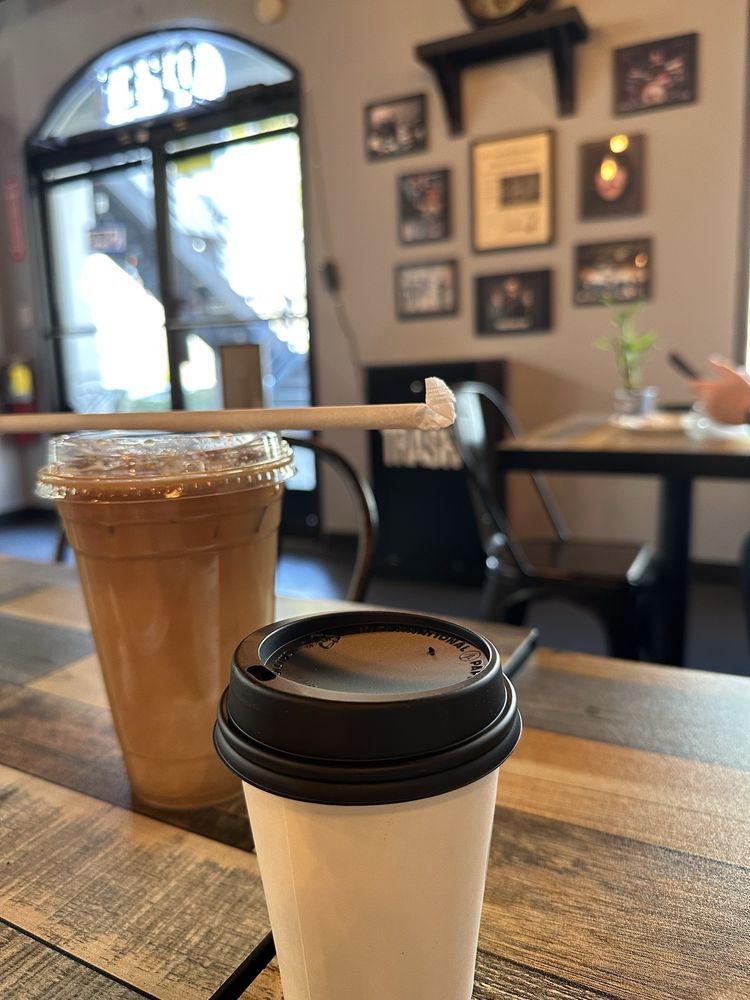
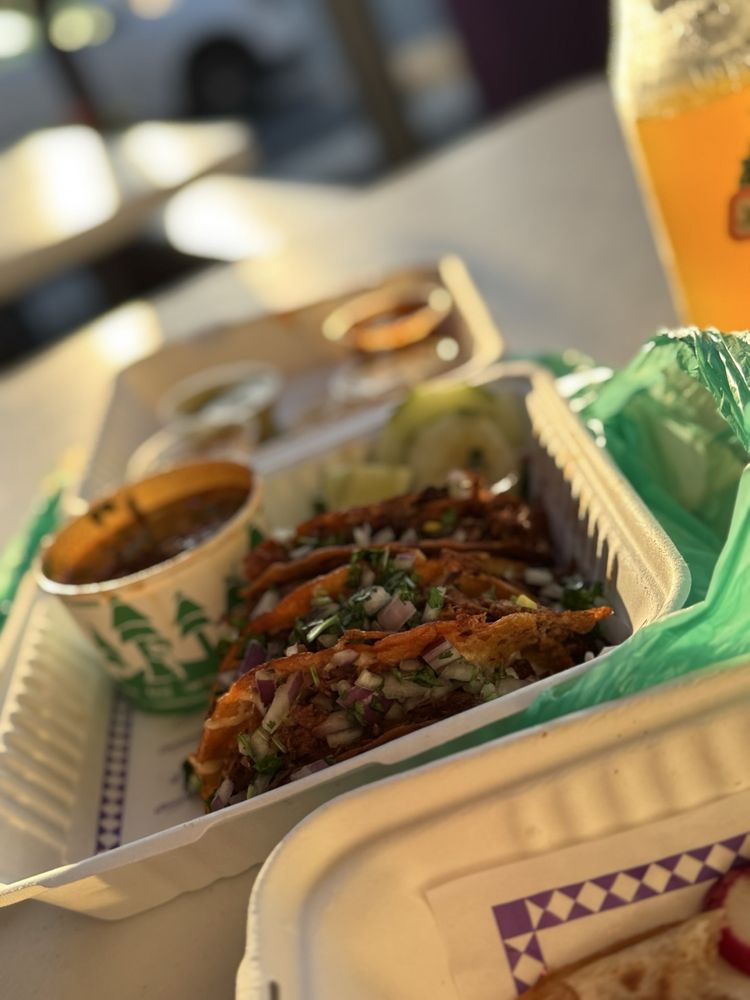
Explore popular things to do in the area, including Gaby's Mexican Bakery, El Alebrije Taco Lounge, and Apotheos Coffee Lilburn.
| Name | Category | Distance | Reviews |
Ratings by
Yelp
|
|---|---|---|---|---|
| Dining · $$ | 2.94 miles | 7 reviews | 5/5 stars | |
| Dining | 4.04 miles | 8 reviews | 5/5 stars | |
| Dining | 4.91 miles | 5 reviews | 5/5 stars | |
| Dining | 1.18 miles | 8 reviews | 5/5 stars | |
| Dining | 3.99 miles | 5 reviews | 5/5 stars | |
| Dining | 4.38 miles | 6 reviews | 5/5 stars | |
| Dining | 4.41 miles | 11 reviews | 5/5 stars | |
| Dining | 3.23 miles | 14 reviews | 4.9/5 stars | |
| Dining | 2.64 miles | 13 reviews | 4.9/5 stars | |
| Dining | 3.71 miles | 23 reviews | 4.9/5 stars | |
| Dining | 4.21 miles | 38 reviews | 4.9/5 stars | |
| Dining | 4.95 miles | 84 reviews | 4.9/5 stars | |
| Shopping | 1.82 miles | 5 reviews | 5/5 stars | |
| Shopping | 4.84 miles | 8 reviews | 4.9/5 stars | |
| Active | 1.95 miles | 6 reviews | 5/5 stars | |
| Beauty | 1.8 miles | 6 reviews | 5/5 stars | |
| Beauty | 3.95 miles | 12 reviews | 5/5 stars | |
| Beauty | 1.72 miles | 5 reviews | 5/5 stars | |
| Beauty | 3.55 miles | 8 reviews | 5/5 stars | |
| Beauty | 4.85 miles | 8 reviews | 5/5 stars | |
| Beauty | 3.93 miles | 12 reviews | 4.9/5 stars | |
|
|
||||
|
|
||||
|
|
||||
|
|
||||
|
|
||||
|
|
Norcross has 28,092 households, with an average household size of 5.45. Data provided by the U.S. Census Bureau. Here’s what the people living in Norcross do for work — and how long it takes them to get there. Data provided by the U.S. Census Bureau. 75,155 people call Norcross home. The population density is 3,414.801 and the largest age group is Data provided by the U.S. Census Bureau.
Total Population
Population Density Population Density This is the number of people per square mile in a neighborhood.
Median Age
Men vs Women
Population by Age Group
0-9 Years
10-17 Years
18-24 Years
25-64 Years
65-74 Years
75+ Years
Education Level
Total Households
Average Household Size
Average individual Income
Households with Children
With Children:
Without Children:
Marital Status
Blue vs White Collar Workers
Blue Collar:
White Collar:
Our exceptional team of local real estate agents and network of consultants are ready to help you sell or buy a home, or invest in real estate.