Living in Palmetto
Palmetto occupies the quiet southern tier of Fulton County, where open land and mature tree canopy soften the streetscape and the pace slows considerably from the busier corridors of the metro.
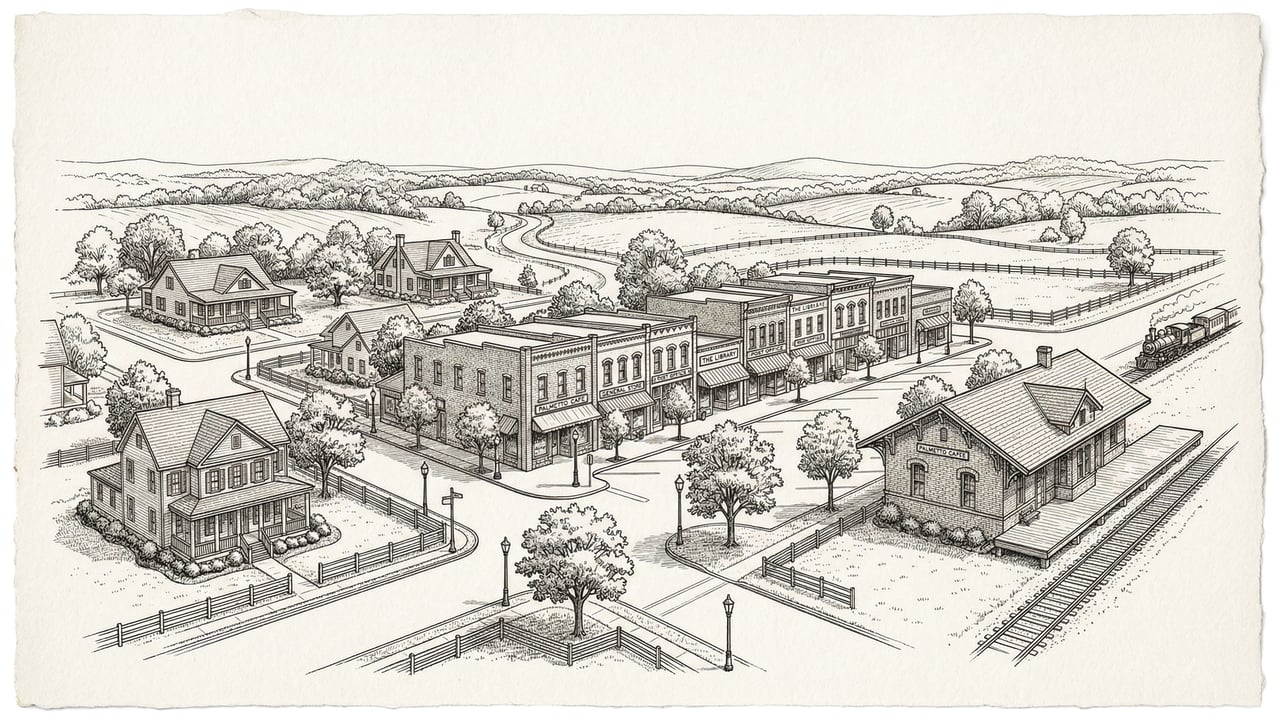
Main Street anchors a historic downtown where modest storefronts and civic architecture have stood since the city's incorporation in 1854, lending the community a rare sense of continuity and settled identity.
Residential streets fan outward from that core with a calm generosity of space, offering lots that feel proportionate to a genuinely small city and front yards deep enough to feel private.
The stretch along Roosevelt Highway near downtown carries a mix of everyday uses and open frontage that reinforces Palmetto's unhurried, established character through every season of the year.
Lifestyle
Life in Palmetto runs on a slower, more self-directed rhythm, where a morning drive through the surrounding countryside or an evening walk along quiet neighborhood streets sets the tone for the day.
The city's compact scale means neighbors recognize each other, local businesses know their regulars, and the social fabric carries the texture of a traditional south Georgia town that has resisted the pressure to expand quickly.
Outdoor enthusiasts find the surrounding Fulton County landscape well suited to cycling and walking, with a green environment that has been preserved rather than traded away for density.
Weekends often begin along the main commercial stretch or near the historic square, where the pace invites a longer, more deliberate engagement with a community that still operates on a human scale.
History of Palmetto
Palmetto was incorporated in 1854 and owes much of its early form to its position as a stop on the Atlanta and West Point Railroad, which carried goods and settlers through south Fulton County.
The historic downtown retains the proportions and brick materials of that era, with civic buildings and storefronts that speak to a 19th-century Georgian sense of town planning centered on a walkable main street.
Over the following century, the city grew steadily without departing from its small-scale character, maintaining the street grid and architectural rhythm that set it apart from newer planned communities to the north.
Residential avenues flanking Main Street preserve a range of vernacular Georgia styles, from early 20th-century foursquares and bungalows to mid-century ranch homes with deep front porches and mature plantings along the curb.
Dining and Local Favorites
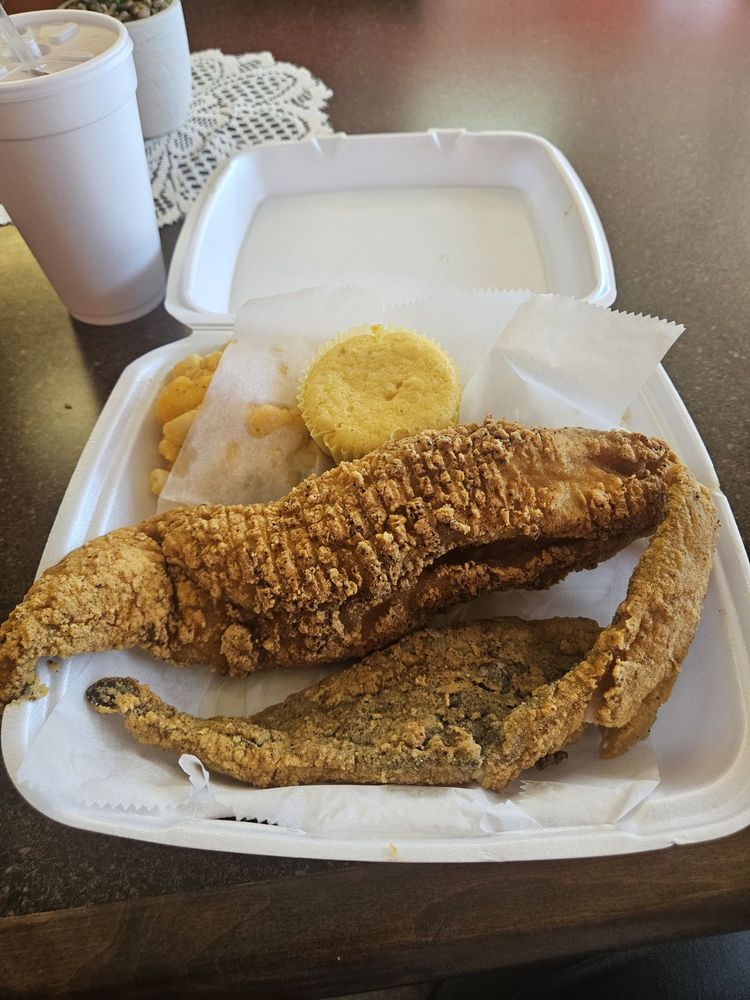
- Palmetto Diner — a straightforward local staple on the main commercial strip, serving hearty Southern breakfasts and lunches to a loyal neighborhood crowd most mornings.
- Hometown BBQ — a no-frills barbecue spot near Roosevelt Highway where slow-smoked meats and classic sides draw residents from across south Fulton on weekends.
- El Ranchero — a family-owned Mexican restaurant with an unpretentious room and a menu of reliable favorites that has held a steady following among long-time Palmetto residents.
- The Corner Cafe — a small, informal coffee and lunch spot near downtown that serves as a casual gathering place for neighbors and a starting point for unhurried weekend mornings.
Parks and Green Space
- Palmetto City Park — a well-maintained community green at the heart of the city, used for informal recreation, neighborhood gatherings, and quiet morning walks throughout the year.
- Wolf Creek Amphitheater Greenway — a broad open-air corridor in the surrounding area offering walking paths and wide views of the south Fulton landscape in a peaceful natural setting.
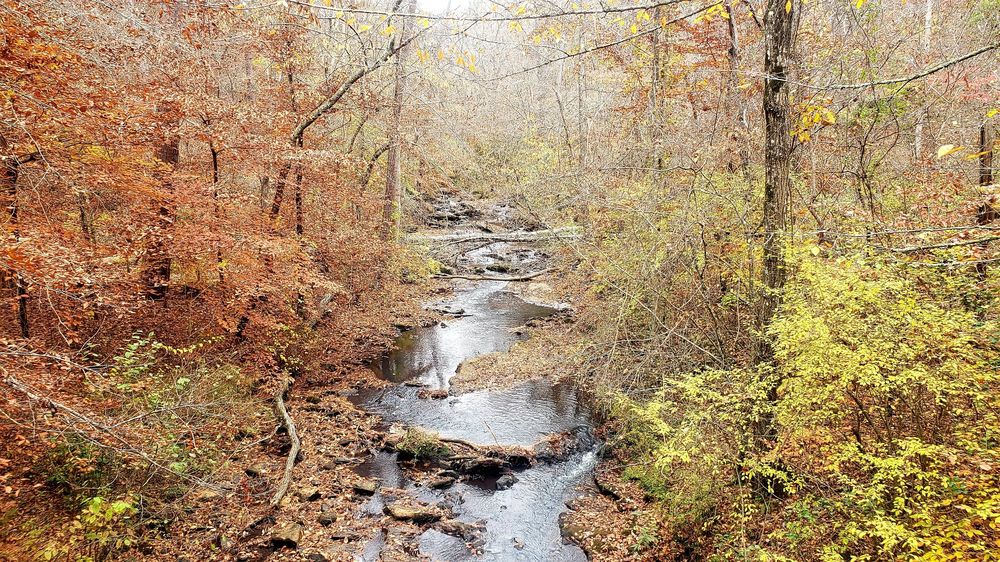
- Line Creek Nature Area — a wooded preserve along the Fayette County border with quiet trails through forest and creek corridors popular with hikers and wildlife watchers.
- South Fulton Parkway Greenway — a scenic corridor connecting communities through open land and light tree cover, offering cyclists and walkers a pleasant route away from traffic.
Daily Life
Everyday essentials in Palmetto are handled along Roosevelt Highway and the surrounding commercial corridor, with a Publix anchoring grocery needs and a local coffee shop providing a reliable morning stop before the day begins.
Small boutiques and locally owned shops along Main Street offer a modest but genuine retail character, with antique dealers and home goods stores that reward a slow Saturday browse rather than a quick errand run.
Wellness options in the immediate area include local fitness studios and yoga spaces that serve the community without the scale or noise of larger suburban fitness centers, keeping the experience personal and accessible.
FAQs
What is the overall feel of Palmetto?
Palmetto feels like a traditional south Georgia small city that has held onto its own identity while the rest of Fulton County grew rapidly around it. The pace is genuinely unhurried, and the sense of community is built on long-standing familiarity rather than curated amenities.
What home styles are most common here?
The housing stock in Palmetto ranges from early 20th-century bungalows and craftsman cottages near the historic downtown to mid-century ranch homes on generous lots further out. Larger parcels with private settings are also available on the edges of the city where development has remained light.
What makes Palmetto appealing for lifestyle buyers?
Palmetto appeals to buyers who want space, privacy, and a genuine sense of remove from the metro’s faster-moving corridors without sacrificing proximity to Fulton County. The small scale of daily life here, from the walkable downtown to the quiet residential streets, creates a quality of living that denser communities simply cannot replicate.
What does a typical day look like in Palmetto?
A typical day in Palmetto might begin with a walk through the historic downtown, coffee at a local cafe, and a drive through the surrounding open countryside before returning home to a quiet afternoon. Evenings tend to be low-key, centered on the neighborhood rather than on any commercial entertainment district.
Is Palmetto a strong long-term ownership or investment choice?
Palmetto’s position in Fulton County, its historic identity, and its relative affordability compared to the northern suburbs make it a considered choice for buyers seeking long-term value in a stable, established community. The limited development pressure and preserved small-city character add to its appeal for those thinking across a multi-decade horizon.