Duluth occupies a central position in Gwinnett County, offering a blend of small-town character and suburban convenience. The revitalized downtown along West Lawrenceville Street has become a walkable center for dining, shopping, and community gatherings.
Residential neighborhoods spread across gently rolling terrain with mature tree canopy and well-maintained streetscapes. Homes range from established brick ranches to newer construction in thoughtfully planned communities.
Pleasant Hill Road serves as a commercial spine with a remarkable concentration of Korean, Chinese, and Vietnamese restaurants and markets. This corridor gives Duluth one of the most diverse culinary identities in the Southeast.
Access to Interstate 85 and Highway 120 keeps commutes manageable. Sugarloaf Parkway and Satellite Boulevard connect to the broader Gwinnett network of commerce and recreation.
Downtown Duluth anchors the social calendar with festivals, live music, and seasonal events on the town green. The annual Fall Festival and weekly farmers market draw neighbors together in a setting that feels genuinely small-town.
Dining options span from refined Korean barbecue to wood-fired pizza in a converted downtown storefront. The variety is part of what makes daily life here feel layered and interesting rather than routine.
The Gas South District hosts concerts, conventions, and sporting events within city limits. Having a regional entertainment venue so close adds a welcome dimension to weekend plans.
Trails, parks, and the nearby Chattahoochee River corridor provide ample outdoor recreation. The pace here balances civic energy with quiet residential calm.
Duluth was chartered in 1876 and named after the city of Duluth, Minnesota, by Evan Howell, who admired its northern namesake. The city grew as a stop along the Richmond and Danville Railroad in the heart of Gwinnett County.
For much of the twentieth century, Duluth remained a quiet agricultural community surrounded by farmland and forest. The postwar suburban expansion brought new residents and residential development along its main corridors.
In the early 2000s, the city embarked on an ambitious downtown revitalization that transformed vacant storefronts into a walkable village of restaurants, galleries, and civic spaces. That investment in public life continues to define Duluth's identity as a city that values place-making and community connection.
Mornings in Duluth often begin on the downtown strip with a coffee and pastry from Tour de Crepes or a quick walk through the town green. H Mart on Pleasant Hill Road anchors weekly grocery runs with fresh produce, prepared foods, and a vast selection of Asian pantry staples.
Retail life blends the familiar with the distinctive. Paris Baguette provides elegant pastries and cakes, while independent gift shops along the downtown corridor offer curated finds from local artisans.
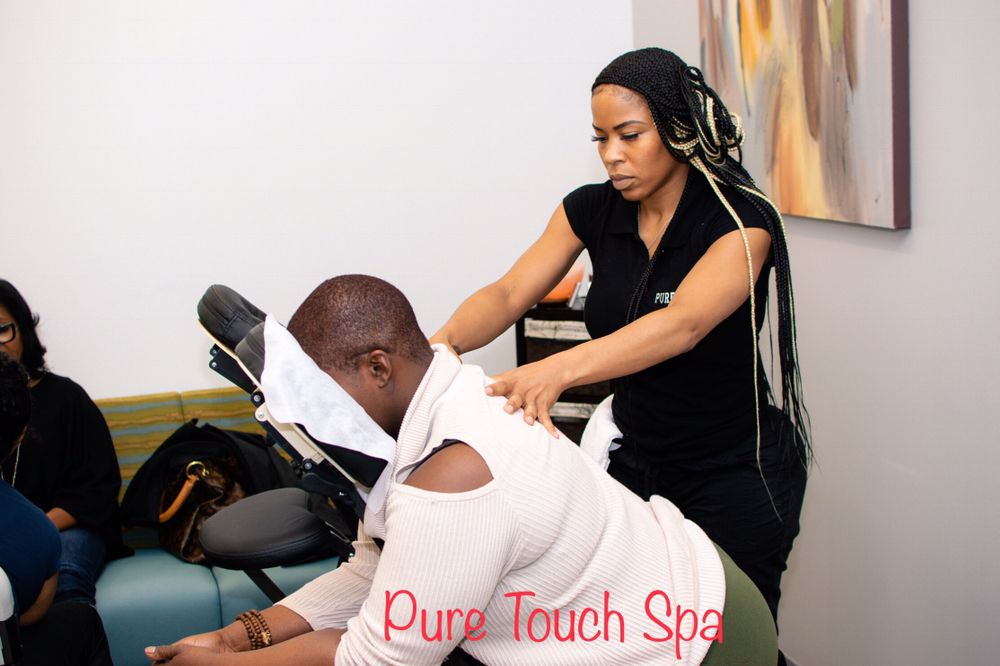
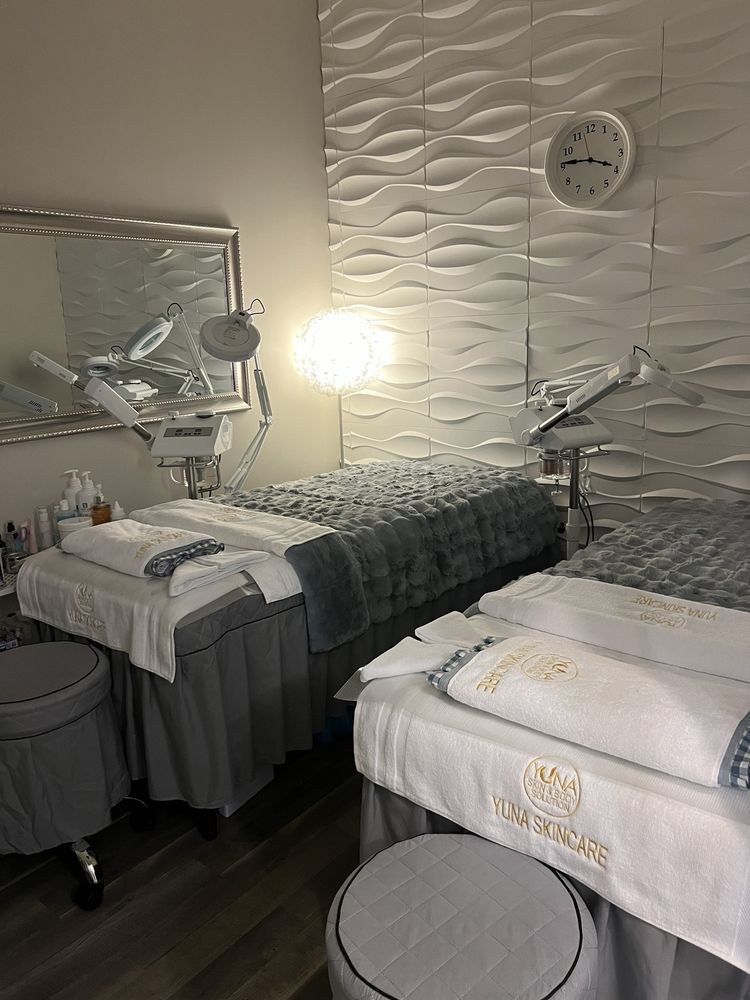
Wellness is part of the daily rhythm. Life Time Duluth provides a resort-style fitness experience, and locally owned studios along Pleasant Hill Road offer yoga, Pilates, and martial arts. Weekend spa visits to the nearby Korean bathhouses complete a routine that blends movement with restoration.
What is the overall feel of Duluth?
Duluth has an approachable, culturally rich atmosphere shaped by its revitalized downtown and international dining corridors. The city feels civic-minded and welcoming, with a growing sense of creative energy throughout its public spaces.
What home styles are most common here?
Brick ranch homes and traditional two-story residences fill Duluth's established neighborhoods, while newer townhome and mixed-use developments cluster near the downtown core. Architectural variety gives buyers a range of options within a compact city.
What makes Duluth appealing for lifestyle buyers?
A walkable downtown, internationally celebrated dining, and access to parks and entertainment make Duluth a compelling choice. Buyers who value cultural depth and community investment find lasting satisfaction here.
What does a typical day look like in Duluth?
A morning walk on the town green leads to breakfast downtown. Midday might include grocery shopping at H Mart and a workout at a nearby studio. Evenings bring Korean barbecue or a concert at Gas South District just minutes away.
Is Duluth a strong long-term ownership or investment choice?
Duluth's ongoing downtown investment, cultural appeal, and central Gwinnett location support strong long-term value. The city's commitment to walkable, place-based development makes it a standout within the suburban landscape of Metro Atlanta.
31,958 people live in Duluth, where the median age is 38.1 and the average individual income is $45,969. Data provided by the U.S. Census Bureau.
Total Population
Median Age
Population Density Population Density This is the number of people per square mile in a neighborhood.
Average individual Income
There's plenty to do around Duluth, including shopping, dining, nightlife, parks, and more. Data provided by Walk Score and Yelp.
Explore popular things to do in the area, including AZN Bowls. Bao. Juice Bar, Shaolin Institute, and Iron Tribe Fitness - Johns Creek.
| Name | Category | Distance | Reviews |
Ratings by
Yelp
|
|---|---|---|---|---|
| Dining | 2.06 miles | 5 reviews | 5/5 stars | |
| Active | 4.94 miles | 6 reviews | 5/5 stars | |
| Active | 2.55 miles | 8 reviews | 5/5 stars | |
| Beauty | 4.68 miles | 8 reviews | 5/5 stars | |
| Beauty | 4.05 miles | 8 reviews | 5/5 stars | |
| Beauty | 3.19 miles | 7 reviews | 5/5 stars | |
| Beauty | 3.75 miles | 5 reviews | 5/5 stars | |
| Beauty | 4.38 miles | 14 reviews | 5/5 stars | |
|
|
||||
|
|
||||
|
|
||||
|
|
||||
|
|
||||
|
|
Duluth has 12,508 households, with an average household size of 2.55. Data provided by the U.S. Census Bureau. Here’s what the people living in Duluth do for work — and how long it takes them to get there. Data provided by the U.S. Census Bureau. 31,958 people call Duluth home. The population density is 3,126.87 and the largest age group is Data provided by the U.S. Census Bureau.
Total Population
Population Density Population Density This is the number of people per square mile in a neighborhood.
Median Age
Men vs Women
Population by Age Group
0-9 Years
10-17 Years
18-24 Years
25-64 Years
65-74 Years
75+ Years
Education Level
Total Households
Average Household Size
Average individual Income
Households with Children
With Children:
Without Children:
Marital Status
Blue vs White Collar Workers
Blue Collar:
White Collar:

Our exceptional team of local real estate agents and network of consultants are ready to help you sell or buy a home, or invest in real estate.