Living in Villa Rica
Villa Rica sits at the western edge of Metro Atlanta’s footprint in Douglas County, where the I-20 corridor brings regional accessibility without dissolving the city’s own distinct small-town character.
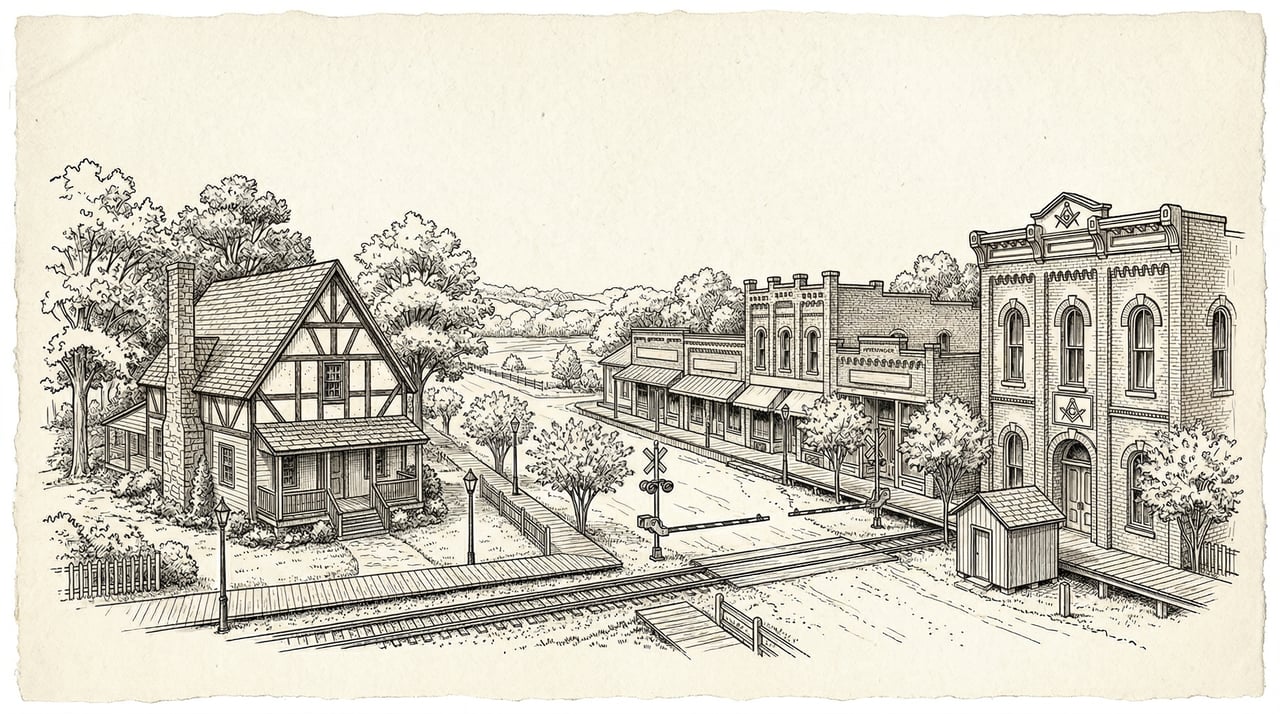
The downtown along Highway 61 preserves a walkable commercial core of historic storefronts, giving Villa Rica a genuine sense of place anchored by independent businesses and a community-oriented civic identity.
Surrounding neighborhoods range from established in-town homes near the historic center to newer residential developments along the corridors connecting to the broader Douglas County community to the east.
Lake Carroll, a large reservoir just north of the city, draws residents for fishing, boating, and waterfront leisure, giving Villa Rica a recreational identity that sets it apart from most Atlanta-area communities at this distance from the city core.
Lifestyle
Villa Rica offers the kind of life that centers on the familiar — a downtown that rewards walking, a waterfront that extends weekend possibilities, and residential neighborhoods that value open space and breathing room.
Lake Carroll provides year-round recreational access for anglers, boaters, and families who prefer natural water over developed pool amenities, drawing residents from across Douglas County on warm-weather weekends.
The broader commercial landscape along the I-20 service roads provides practical convenience, while the historic downtown corridor maintains the locally owned character that gives Villa Rica its distinct western-metro identity.
The seasonal rhythm of the community follows the lake and the land, with spring boat launches and fall fishing weekends anchoring an outdoor leisure calendar that defines life in Villa Rica.
History of Villa Rica
Villa Rica’s name derives from the Spanish phrase meaning “village of riches,” a reference to gold discovered in the surrounding hills during Georgia’s early nineteenth century gold rush, which predated California’s by two decades.
The community grew through the railroad era as a small agricultural and mercantile town, its downtown grid established along the rail corridor that connected Douglas County to Atlanta and to points west.
Thomas A. Dorsey, widely regarded as the father of African American gospel music, was born in Villa Rica in 1899, a legacy that gives the city an enduring and celebrated place in American musical history.
Twentieth century growth brought residential development to Villa Rica’s edges, while the historic downtown retained its original commercial buildings and small-town civic identity through careful stewardship by long-term property owners.
Dining and Local Favorites
- Villa Rica Diner — a downtown institution where the daily specials rotate on a handwritten board and the morning coffee crowd occupies the same seats they have for decades of weekday mornings.
- El Nopal Mexican Restaurant — a locally rooted Mexican kitchen drawing Villa Rica families for fresh-made tortillas, reliable house enchiladas, and the relaxed, welcoming atmosphere of a neighborhood regular.
- Southbound BBQ — a wood-smoke operation along the Highway 61 corridor serving slow-cooked meats and traditional sides that reflect the South Georgia barbecue tradition with genuine craft and care.
- Lake Carroll Marina Grille — a waterfront casual dining spot adjacent to the lake offering a straightforward menu of grilled favorites and cold drinks suited to a long afternoon on the water.
Parks and Green Space
- Lake Carroll — a large community reservoir north of downtown offering boating, fishing, and waterfront access that serves as Villa Rica’s most beloved natural and recreational landmark.
- Minnie B. Ross Park — Villa Rica’s central community park featuring open recreational space, a walking loop, and shaded picnic areas used by families and residents throughout the week.
- Doug Jennings Park — a Douglas County recreational facility with athletic fields, walking trails, and multi-use amenities serving residents from Villa Rica and the surrounding western county area.
Daily Life
Everyday grocery needs are well met along the Highway 61 commercial corridor, where a full-service Kroger and an adjacent cluster of neighborhood retailers provide efficient provisioning within a short drive of any Villa Rica residential address.
The downtown corridor supports a collection of locally owned boutiques, antique dealers, and specialty gift shops that give Villa Rica’s retail landscape an independent character distinct from the standard big-box format found farther east along I-20.
Fitness studios and wellness providers have grown steadily within the Villa Rica commercial area, with independently run gyms and yoga instruction offering residents accessible health and wellness options without requiring a drive toward the denser Douglas County corridors.
FAQs
What is the overall feel of Villa Rica?
Villa Rica carries the unhurried confidence of a small city that knows its own history and takes quiet pride in it, from the gold rush origins of its name to the musical legacy of its most celebrated native son. The downtown, the lake, and the residential neighborhoods together create a community that rewards long-term residence and offers a genuine sense of place that newer western-metro suburbs cannot replicate.
What home styles are most common here?
Villa Rica’s housing landscape includes a mix of historic in-town homes near the downtown core, mid-century residences on established residential streets, and newer construction subdivisions along the growth corridors north and east of the city center. Lot sizes tend toward the generous end of the Douglas County norm, with many properties offering mature tree canopy and rear yard space suited to outdoor living.
What makes Villa Rica appealing for lifestyle buyers?
Villa Rica appeals to buyers seeking a self-contained western-metro community with its own historic identity, lakeside recreation, and genuine downtown culture rather than a purely commuter-oriented suburban address. The combination of Lake Carroll access, an independent downtown, and a residential market that still offers meaningful land and privacy makes it an uncommon value proposition at the western edge of the Atlanta footprint.
What does a typical day look like in Villa Rica?
A Villa Rica morning might begin with coffee at the diner on Highway 61 before a drive north to the lake for an early-morning walk along the shore before the boat traffic picks up. Afternoons move between the downtown, the lake, or the surrounding county roads that are most beautiful in the low light of late afternoon through the spring and fall seasons.
Is Villa Rica a strong long-term ownership or investment choice?
Villa Rica’s position at the I-20 corridor’s western edge, its lakeside recreation asset, and the continued westward expansion of Metro Atlanta’s residential market make it a compelling long-term ownership consideration for buyers comfortable with a commute distance. The historic downtown, the established neighborhood character, and the ongoing residential investment in the surrounding Douglas County area support a stable and improving long-term ownership outlook.