Living in Loganville
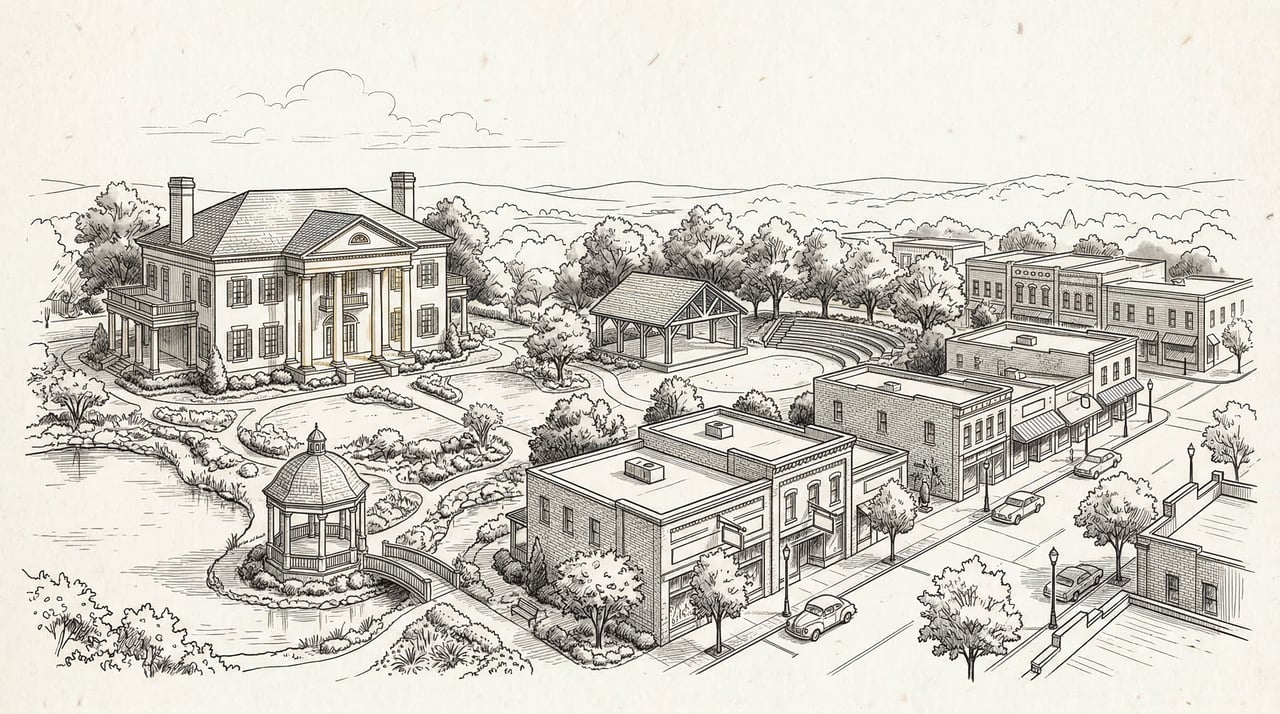
Loganville sits at the eastern edge of Gwinnett County, straddling the Walton County line roughly 35 miles from Atlanta, where Bay Street’s preserved historic core anchors a city that has grown without abandoning the qualities that define it.
Established neighborhoods spread out from the downtown corridor onto large, wooded lots where mature pine and oak canopy creates a sense of private seclusion that brings residents back to the same streets year after year.
The city’s eastern setting insulates it from the denser suburban growth pushing outward from Gwinnett’s core, and the result is a community that feels genuinely spacious and unhurried while remaining well-connected to the broader metro’s conveniences.
Winding residential streets like Rosebud Road and the corridors near the historic district carry the feel of a Georgia small town where front yards run deep, neighbors are familiar, and the morning walk is worth making a habit.
Lifestyle
Life in Loganville moves at a deliberate pace, shaped by proximity to open land, a downtown that rewards an evening walk, and a community identity built around staying rather than passing through.
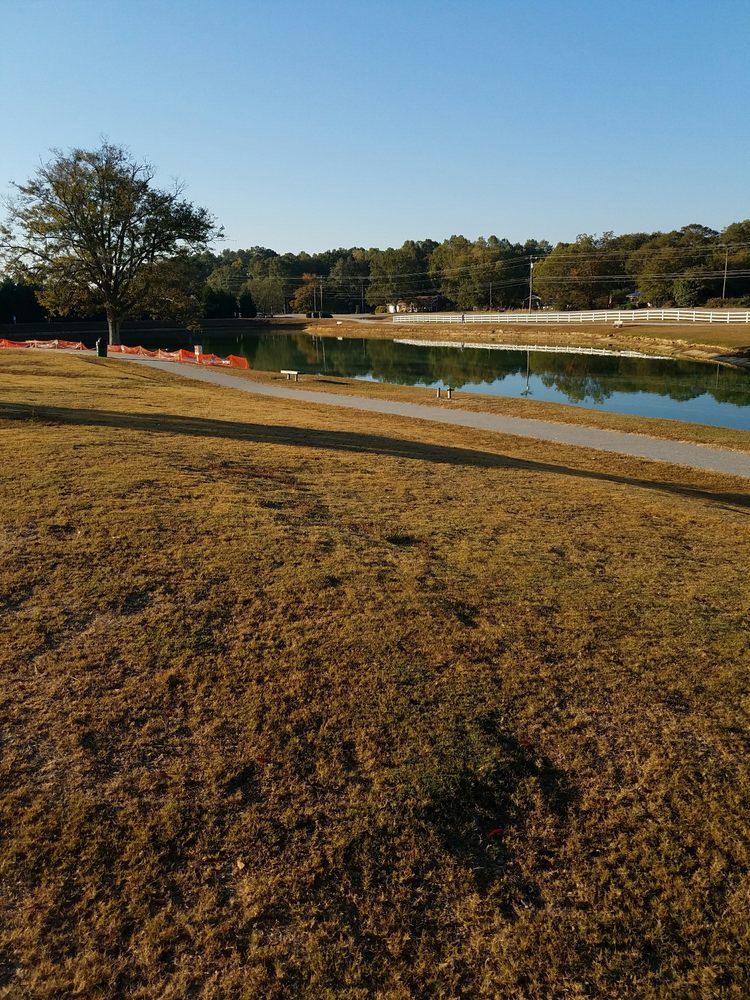
Tribble Mill Regional Park and the surrounding Gwinnett County greenway system provide lake access, fishing piers, and miles of walking and biking trails that bring residents outside through every season of the Georgia year.
The historic Bay Street corridor serves as a genuine gathering place with independent restaurants, coffee stops, and a weekend energy that feels local and earned rather than manufactured for effect.
Evening routines in Loganville tend toward the low-key and social, whether that means a dinner downtown, a walk around the reservoir at sunset, or the kind of neighborhood conversation that happens when people have time to linger.
History of Loganville
Loganville was established in the mid-19th century along what would become a key commercial route connecting Gwinnett and Walton counties, with early growth driven by agriculture, sawmill operations, and small-scale merchant trade.
The city was named for Dr. James Harvey Logan, a physician and civic leader whose family was among the original landowners, and the name has endured without alteration through incorporation and the city’s steady growth.
Bay Street retains several original commercial buildings from the late Victorian era, their brick facades and low-profile storefronts reflecting the architectural language of small-city Georgia at the turn of the 20th century.
That civic identity and physical continuity have made Loganville one of the more historically intact small cities in the eastern metro, drawing preservation-minded residents who value a sense of place over a clean slate.
Dining and Local Favorites
- City Pharmacy — a beloved Bay Street institution occupying a restored historic drugstore building where the Southern menu and vintage character draw diners from well beyond Loganville’s city limits.
- Bay Street Burger — a casual downtown spot that keeps it simple and excellent, with hand-formed burgers, fresh sides, and a loyal following that fills the dining room on weekday lunches.
- El Jinete — a family-run Mexican restaurant on Highway 78 that has served the Loganville community with consistent, generous cooking for years and remains a reliable neighborhood anchor.
- Cornerstone Coffee — a local café near the Bay Street corridor that anchors the morning routine for downtown workers and neighborhood regulars with quality coffee and a warm, unpretentious room.
- Southern Craft Smokehouse — a wood-fired BBQ operation where slow-smoked meats, made-from-scratch sides, and an honest approach to the craft draw residents from across the east Gwinnett corridor.
Parks and Green Space
- Tribble Mill Regional Park — a flagship Gwinnett County park near the Grayson-Loganville corridor with two lakes, fishing access, miles of walking trails, and a peaceful natural setting popular with families and nature-oriented residents.
- Loganville City Park — a well-maintained community green on the city’s western side offering open lawn, picnic facilities, and a relaxed neighborhood atmosphere that draws residents for weekend gatherings and after-school afternoons.
- Bear Creek Reservoir Greenway — a quiet natural corridor near the Walton County line where wooded trails follow the reservoir’s edge, offering wildlife observation, reflective solitude, and easy access from Loganville’s eastern neighborhoods.
Daily Life
Loganville’s grocery anchors include a Publix on Highway 78 and an Ingles serving the eastern end of the corridor, both well-stocked and convenient to the city’s established residential areas for routine daily needs.
Independent boutiques and specialty shops along Bay Street give downtown Loganville a local retail identity that rewards browsing, with a mix of gift shops, home goods, and apparel that reflects the city’s community-first character.
For fitness and wellness, locally owned studios along the Highway 78 corridor offer yoga, Pilates, and strength training, with additional spa services available in the broader east Gwinnett market.
FAQs
What is the overall feel of Loganville?
Loganville feels genuinely small and familiar, with a walkable downtown that functions as a true gathering place and neighborhoods defined by canopy, large lots, and a quiet residential pace.
The community has retained its identity through decades of growth, and that stability is visible in every street that radiates outward from Bay Street.
What home styles are most common here?
Loganville’s housing stock ranges from well-preserved historic homes near the downtown corridor to craftsman-influenced homes in established subdivisions built across the last three decades.
Wooded lots with natural buffers and generous setbacks are common throughout the city and contribute to the area’s private, settled character.
What makes Loganville appealing for lifestyle buyers?
A real downtown, Tribble Mill’s recreational pull, and a low-density residential setting that feels rare in the broader Gwinnett market make Loganville compelling for buyers who want space and character together.
The city’s eastern position insulates it from denser growth while keeping it within reach of the metro’s professional centers.
What does a typical day look like in Loganville?
A typical morning begins with coffee on Bay Street or a walk through a canopy-covered neighborhood before the day’s commitments take hold.
Evenings often return to the downtown corridor, to Tribble Mill for a trail walk, or simply to a backyard spacious enough to make staying home feel like the obvious choice.
Is Loganville a strong long-term ownership or investment choice?
Loganville’s position on Gwinnett County’s growing eastern edge, paired with its preserved historic core, makes it a durable long-term ownership choice for buyers who value stability and authenticity.
The city has grown thoughtfully, and its appeal to community-oriented buyers creates the kind of owner-occupant base that supports lasting value over time.