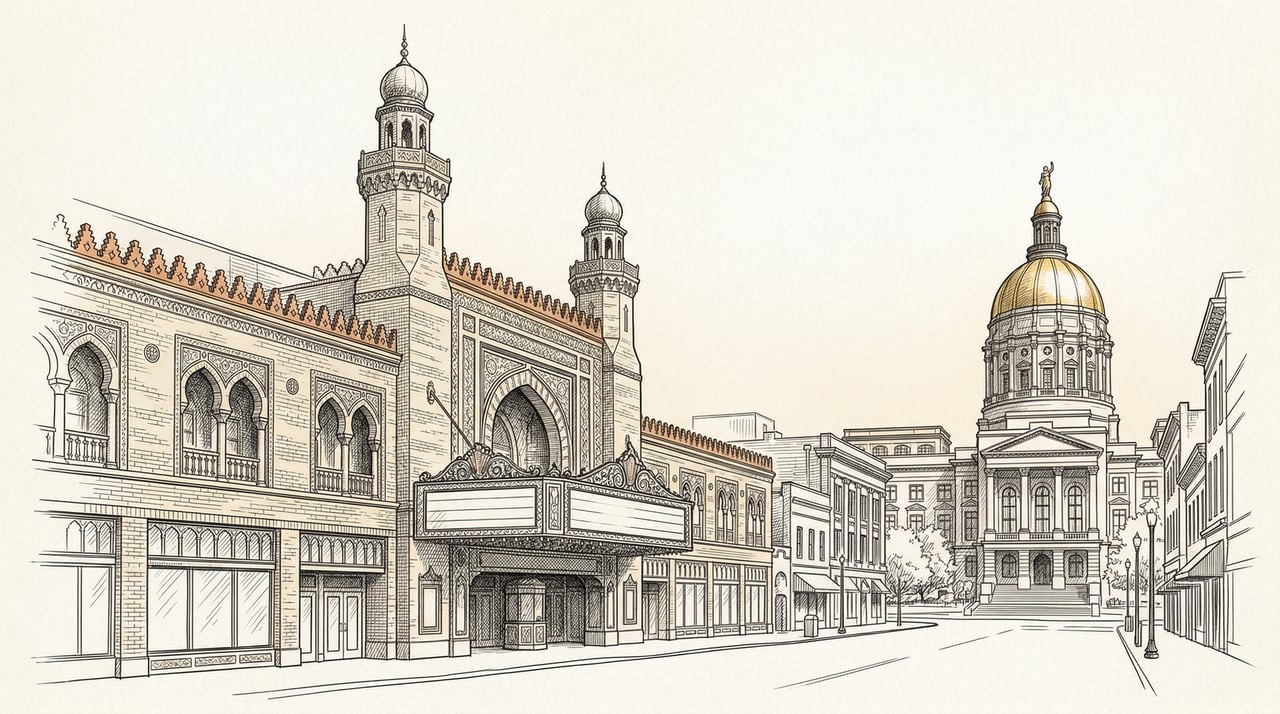
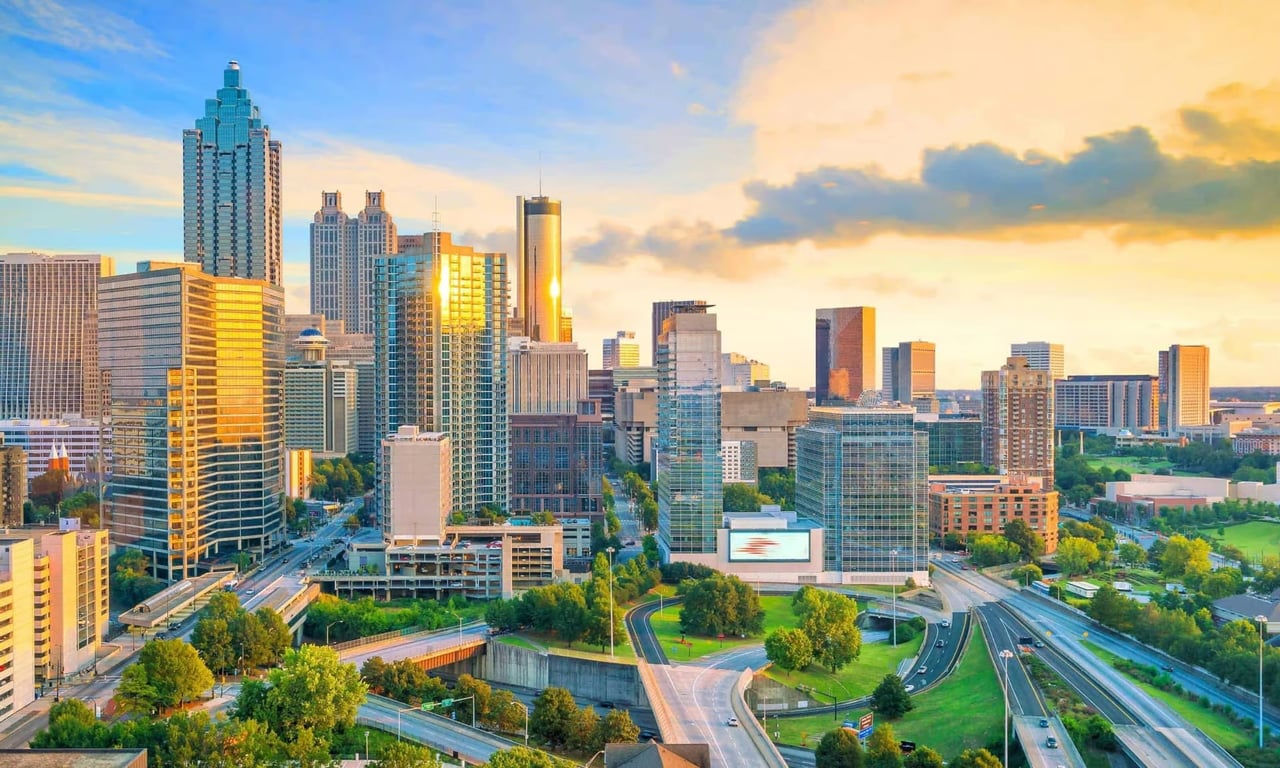
From its rich history and cultural landmarks to its vibrant arts scene and upscale living.
Living in Atlanta
Atlanta is a city of neighborhoods. Each one carries its own rhythm, architecture, and personality. From the tree-canopied streets of Midtown to the historic fabric of Inman Park, the city offers a range of settings for residents who want urban living without uniformity. The dining scene spans from Michelin-recognized kitchens to neighborhood bistros. Green space is woven throughout the city, anchored by Piedmont Park and the expanding Atlanta BeltLine. The mature tree canopy gives Atlanta a lush, layered feel that visitors often remark on. Residents tend to settle into a neighborhood and build a life around it. The more time you spend here, the more layers reveal themselves. That depth is what keeps people rooted in the city long after they arrive.
Lifestyle
The Atlanta BeltLine has reshaped how residents move through the city. This network of trails connects neighborhoods, parks, and dining districts along former railroad corridors. It has become the connective thread between intown communities. Weekend routines often include the Piedmont Park farmers market, brunch along the BeltLine Eastside Trail, or a walk through the galleries at the High Museum of Art. Fitness culture thrives in the mild climate. Outdoor runs, cycling, and yoga in the park are part of the rhythm. Atlantas cultural calendar is deep. Live music, public art, theater, and film festivals run year-round. The citys creative energy is not a seasonal event. It is woven into the identity of the place.
History of Atlanta
Atlanta began in 1837 as a railroad terminus, a single stake in the red clay marking the end of a new rail line from the Midwest. The settlement grew quickly as four rail lines converged, making it the transportation hub of the South. The city was rebuilt after 1864 and adopted the phoenix as its symbol. By the late 1800s, it had become the state capital and Georgias largest city. The growth continued through the 20th century with major investments in commerce and education. Atlanta also became a center of civil rights leadership, shaping national conversations from its neighborhoods and institutions. The legacy of that movement is still visible in the fabric of the city. That layered history gives Atlanta a civic identity unlike anywhere else in the region.
Dining and Local Favorites
Bacchanalia is a Michelin-starred, five-course dining experience using seasonal, farm-sourced ingredients in West Midtown.
Marcel offers classic steakhouse fare in a sophisticated Westside setting with an extensive wine program.
The Optimist serves refined seafood in a converted industrial space near the BeltLine.
Staplehouse brings a thoughtful, ever-changing tasting menu to the Old Fourth Ward neighborhood.
Fox Bros. Bar-B-Q delivers smoky Texas-style barbecue in a laid-back Candler Park setting.
Miller Union serves seasonal Southern fare with a farm-driven menu in a warm, inviting West Midtown dining room.
Parks and Green Space
Piedmont Park spans 200 acres in Midtown with skyline views, walking trails, a lake, and space for farmers markets and festivals.
The Atlanta BeltLine links over 30 miles of multi-use trails with public art, green corridors, and neighborhood connections.
Grant Park offers one of the citys oldest green spaces, with rolling lawns, mature canopy trees, and quiet walking paths.
Chastain Park provides 268 acres of trails, an amphitheater, and a golf course tucked into the Buckhead area.
Daily Life
Each neighborhood shapes its own daily rhythm. In Midtown, residents walk to Whole Foods, boutique fitness studios, and coffee shops along Peachtree Street. In Virginia-Highland, life centers on local bookstores, brunch spots, and evening strolls through tree-lined blocks. The Ponce City Market serves as a mixed-use anchor on the BeltLine, combining food halls, retail, and rooftop recreation. Krog Street Market offers a similar experience on the Eastside Trail. Both have become neighborhood landmarks in their own right. Groceries range from neighborhood Publix and Kroger locations to specialty markets and co-ops. The city supports a daily pace that feels connected without feeling hurried. Errands, meals, and recreation often overlap in the same walkable stretch. That convenience is one of the reasons residents stay rooted in their chosen neighborhood.
FAQs
What is the overall feel of Atlanta? Atlanta feels expansive and layered. Each neighborhood has a distinct identity, and the city blends Southern warmth with a modern, creative pulse that keeps evolving.
What types of homes are common in Atlanta? Options range from renovated Craftsman bungalows and mid-century ranch homes to modern condos and estate properties. The variety depends heavily on the neighborhood and its architectural history.
What makes Atlanta appealing as a lifestyle choice? The combination of cultural depth, a celebrated dining scene, a mature tree canopy, and connected green spaces creates a city that feels both vibrant and livable. Few Southern cities offer this level of variety.
What does a typical day look like in Atlanta? It depends on the neighborhood. Mornings might mean a BeltLine run, midday coffee at a local roaster, and dinner at a neighborhood restaurant. The rhythm shifts from block to block.
Is Atlanta a good place for long-term homeownership? Atlantas economic strength, consistent population growth, and wide range of neighborhood options provide a strong foundation for long-term value and lifestyle satisfaction
Atlanta has 231,504 households, with an average household size of 2.01. Data provided by the U.S. Census Bureau.Here’s what the people living in Atlanta do for work — and how long it takes them to get there. Data provided by the U.S. Census Bureau.499,287 people call Atlanta home. The population density is 3,690 and the largest age group is Data provided by the U.S. Census Bureau.
499,287
Total Population
High
Population Density
Population DensityThis is the number of people per square mile in a neighborhood.
34 years
Median Age
49 / 51%
Men vs Women
Population by Age Group
0-9:
0-9 Years
10-17:
10-17 Years
18-24:
18-24 Years
25-64:
25-64 Years
65-74:
65-74 Years
75+:
75+ Years
Education Level
Less Than 9th Grade
High School Degree
Associate Degree
Bachelor Degree
Graduate Degree
231,504
Total Households
2.01
Average Household Size
$64,063
Average individual Income
Households with Children
With Children:
Without Children:
Marital Status
Married
Single
Divorced
Separated
Blue vs White Collar Workers
Blue Collar:
White Collar:
Commute Time
0 to 14 Minutes
15 to 29 Minutes
30 to 59 Minutes
60+ Minutes
Schools in Atlanta, GA
All ()
Primary Schools ()
Middle Schools ()
High Schools ()
Mixed Schools ()
The following schools are within or nearby Atlanta. The rating and statistics can serve as a starting point to make baseline comparisons on the right schools for your family.
Data provided by the U.S. Census Bureau.