Living in Dacula
Dacula lies about 37 miles northeast of Atlanta in Gwinnett County, where suburban development meets rolling green countryside. The city has a population of roughly 8,000, lending it a neighborly scale that larger Gwinnett communities have outgrown.
Residential streets are lined with newer construction on generous lots, many backing up to wooded buffers or open meadows. Older homes near the original town center carry a quieter, more established feel with mature landscaping and wide setbacks.
The mornings are still here, marked by birdsong and fog lifting from the fields along Harbins and Fence Roads.
Dacula offers the breathing room that families, remote workers, and those seeking calm actively look for in the metro area.
Lifestyle
Outdoor life anchors the Dacula lifestyle, with parks providing trails, sports fields, and open meadows for all ages.
Weekend mornings often involve a hike, a dog walk, or a family picnic under the pines and open sky.
The dining scene has been expanding, with locally owned restaurants bringing Southern, Mediterranean, and fusion flavors to the area.
Brunch culture and casual neighborhood eateries have become an important part of the social fabric and community identity.
Community events, farmers markets, and seasonal festivals bring neighbors together regularly throughout the year.
Trophy Club of Apalachee offers a scenic 18-hole golf course for those who prefer spending weekends on the green.
The club adds another layer to the recreational identity and appeal of the area for active residents and families.
History of Dacula
The area that became Dacula was first known as Chinquapin Grove, where Dacula Elementary now stands.
In 1891, railroad contractors set up camp and named the stop Hoke, after a railroad executive.
The town was incorporated in 1905 and given the name Dacula, coined by local postman John Freeman using letters from Decatur and Atlanta. The name stuck, and the town grew steadily around the rail line and surrounding farmland.
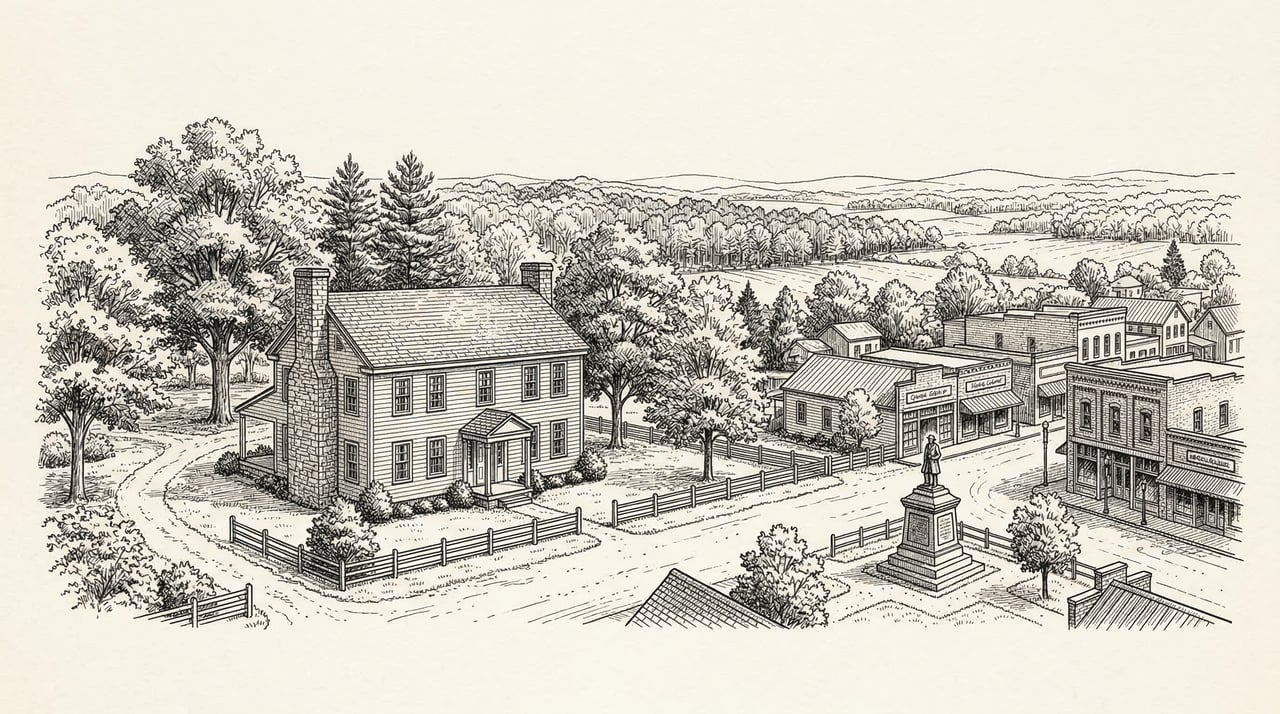
The Elisha Winn House, built in 1812, once served as Gwinnett County's government seat and is one of the oldest surviving structures in the region.
Its preservation reflects the deep roots and quiet civic pride that continue to define Dacula's character.
Dining and Local Favorites
- The Brunch Apothecary is a local favorite known for creative brunch dishes that blend classic Southern breakfast with inventive seasonal flavors and warm hospitality.
- Houndstooth Grill and Tavern offers American classics and seafood in a relaxed fine dining atmosphere, with a menu that balances comfort and refinement.
- The Galloping Galette brings French-inspired crepes and galettes to Dacula, with a cozy interior and a loyal neighborhood following.
- My Big Fat Greek Taverna serves generous portions of Greek and Mediterranean dishes in a family-friendly setting that has become a go-to for weekend dinners.
Parks and Green Space
- Little Mulberry Park is a sprawling preserve with hiking trails, lakes, forests, and open meadows ideal for horseback riding, picnicking, and quiet reflection.
- Rabbit Hill Park offers walking trails, sports fields, a dog park, and family-friendly playgrounds in a well-maintained Gwinnett County setting.
- Duncan Creek Park features a skate park, basketball courts, volleyball courts, walking trails, and open fields that draw families on weekend afternoons.
- Dacula Park serves as a beloved local gathering space with open green areas, playgrounds, and easy access from the surrounding neighborhoods.
Daily Life
Everyday errands stay close to home, with Publix and Kroger as main grocery anchors.
Coffee and breakfast spots along Auburn Road set the tone for relaxed weekday mornings.
Retail shopping is concentrated in neighborhood plazas along Dacula Road and near Hamilton Mill, where small businesses and boutique-style stores offer a more curated selection than the big-box alternatives further south in Gwinnett.
Fitness options include 9Round boxing club and martial arts studios near the Mulberry Park area.
Residents who prefer outdoors take trail runs at Little Mulberry Park or evening walks at Rabbit Hill under open sky.
FAQs
What is the overall feel of Dacula?
Dacula feels like a small town that has kept its personality even as Gwinnett County has grown around it.
Open green spaces, friendly neighbors, and quiet streets give it a sense of calm that is hard to find closer to the city.
What home styles are most common here?
Traditional brick homes and newer stone construction on half-acre to one-acre lots are most common.
Many homes feature open floor plans, two-car garages, and wooded rear yards bordering parkland or green space.
What makes Dacula appealing for lifestyle buyers?
The combination of generous lot sizes, excellent Gwinnett County park access, and a growing dining scene gives Dacula a rare balance of space and convenience. It appeals to buyers who want room to breathe without sacrificing suburban amenities.
What does a typical day look like in Dacula?
A morning trail walk at Little Mulberry Park transitions into a stop at The Brunch Apothecary for breakfast.
Afternoons might include errands at Publix or time at Rabbit Hill Park, followed by dinner at a neighborhood favorite.
Is Dacula a strong long-term ownership or investment choice?
Dacula benefits from Gwinnett County's continued population growth and infrastructure investment while maintaining lower density than its neighbors. The expanding local dining and retail base, combined with strong park amenities, supports steady residential demand over time.