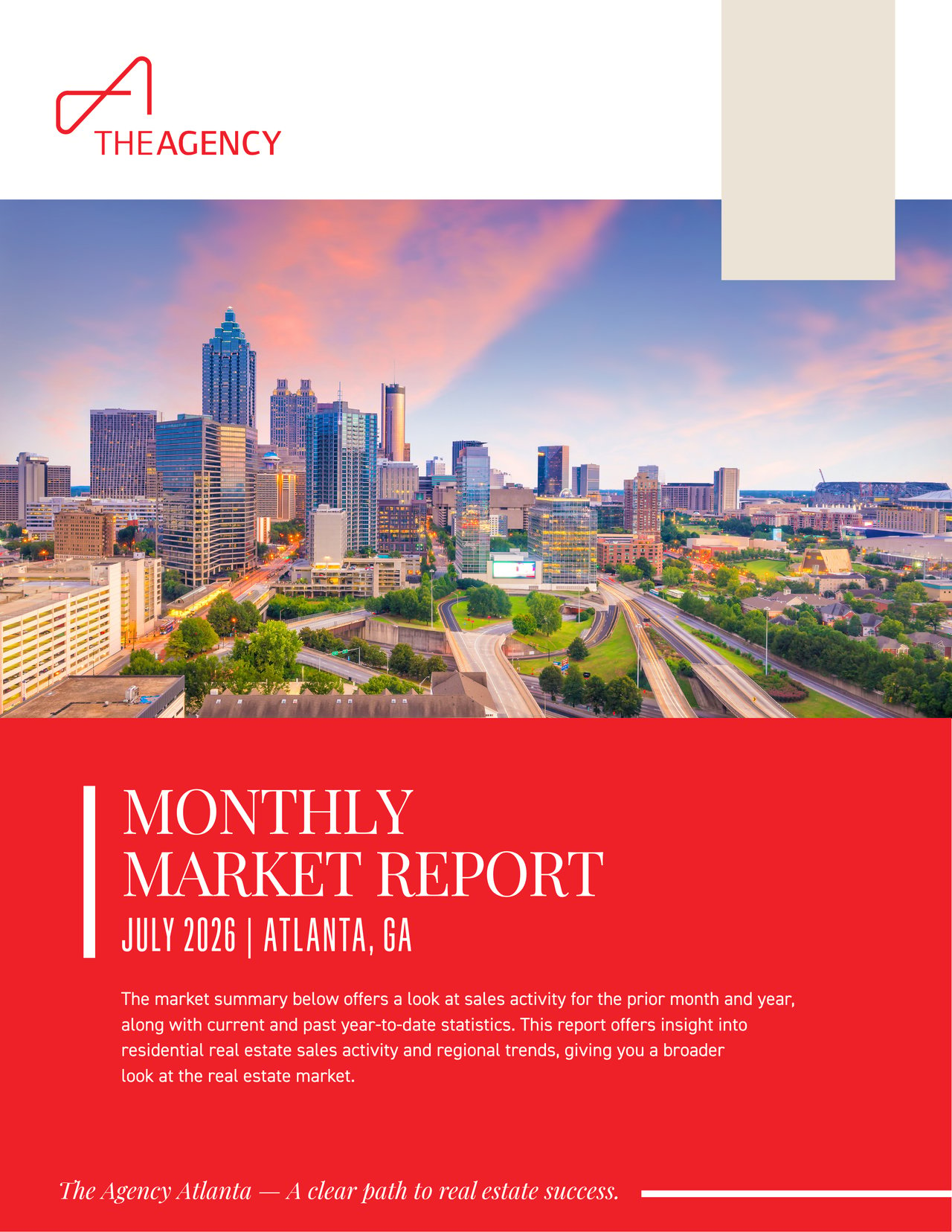
For a lot of buyers, the past few years felt like one long pause button. Payments jumped. Choices felt thin. And every time rates moved, the math still looked too tight. But Atlanta home affordability 2026 looks better than it did a year ago, and that shift is showing up in both national data and local market trends. If you have been waiting to see a real opening, this is the kind of change worth paying attention to.
Why affordability is improving in Atlanta
The national story is encouraging on its own. First American reported that affordability improved in all 50 states in 2025, with Georgia posting one of the biggest year over year improvements. At the metro level, Atlanta ranked among the markets with the largest improvement in affordability by First American’s measure. That does not mean homes suddenly became cheap. It means the buying power equation improved compared with where it was a year earlier.
That matters because affordability is not just about price. First American’s index adjusts for income and mortgage rates too. In plain English, if incomes rise and mortgage costs ease from prior levels, buyers can handle more home than before, even if prices do not fall much. That is a big reason the pressure has started to loosen.
Rates are still a hurdle, and they still move fast. Freddie Mac reported the 30 year fixed averaged 6.11% on March 12, 2026, and the Associated Press reported it rose to 6.22% on March 19. Even so, that is still below the 6.67% average from a year earlier. So the path is not perfectly smooth, but buyers are operating in a better environment than they were last spring.
What that looks like across Atlanta
Local numbers help show why this feels different on the ground. The Atlanta REALTORS® Association reported that metro Atlanta entered 2026 with 16,169 active listings, 7,481 new listings, and a 3.7 month supply, while the median sales price for January 2026 was $405,000. More listings do not solve everything, but they do create room for comparison shopping and negotiation.
Within the city, Redfin reported Atlanta’s median sale price at $385,000 in February 2026, with homes averaging 86 days on market. That pace is a very different experience from the panic buying many people still picture when they think about the Atlanta market.
The more useful story for buyers is how much Atlanta varies by area. Recent local data shows Midtown around $369,900, Old Fourth Ward around $345,950, and Westside around $326,500 on median listing price. Buckhead remains a higher price point, with Redfin showing a February 2026 median sale price of about $632,500. Decatur came in even higher at about $696,000. In other words, “Atlanta” is not one price. It is a mix of very different entry points depending on the kind of home and location you want.
That range matters if your search has felt too broad. A buyer focused on a condo near Piedmont Park, Peachtree Street, or West Peachtree may be looking at a very different budget than someone targeting a larger detached home in Buckhead or near Decatur Square. The same goes for buyers comparing BeltLine access near Ponce City Market and Krog Street Market with areas farther west that may offer more square footage for the money.
A payment-first Atlanta search often tells a more helpful story than a price-first search.
Where buyers may find better value right now
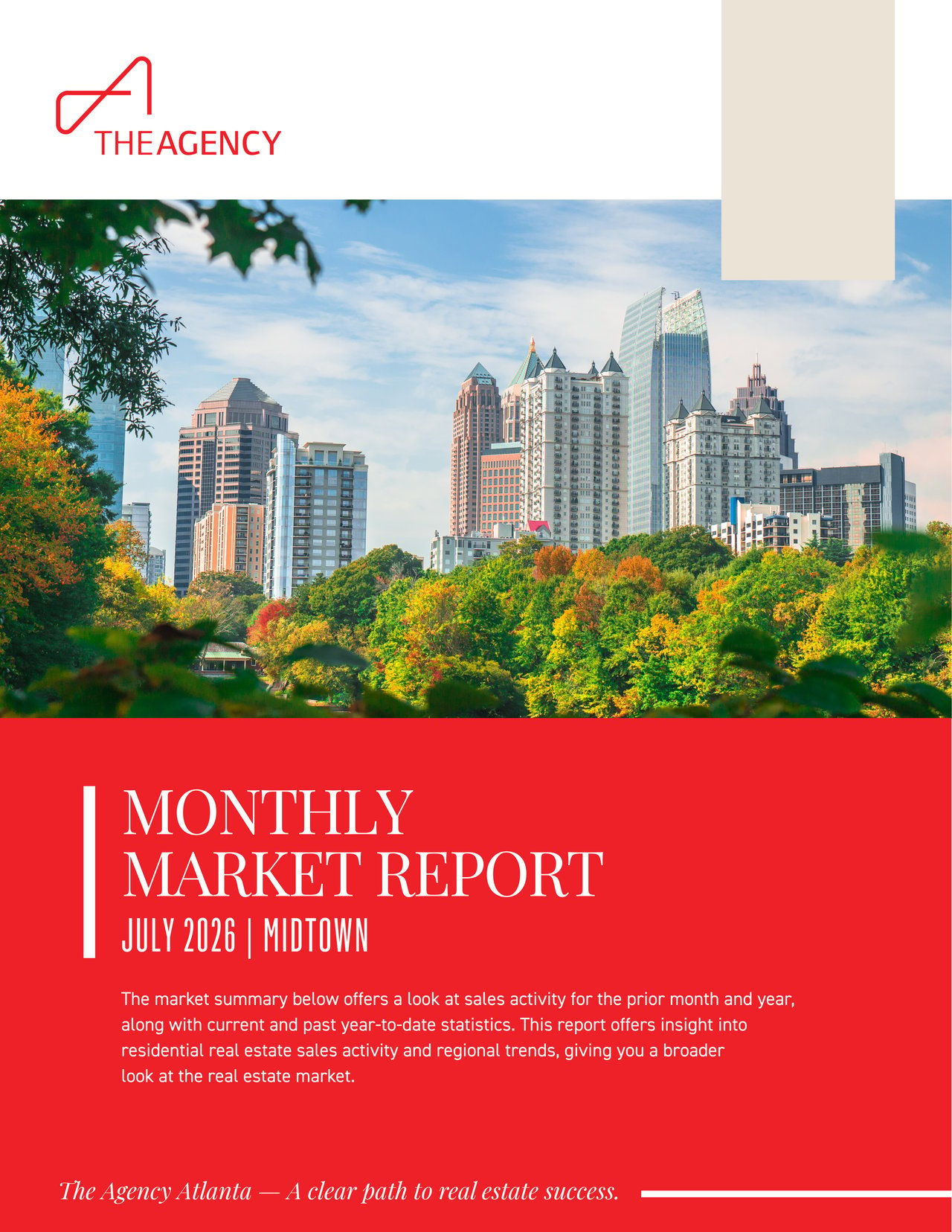
If you want intown access without jumping straight to the highest price points, Midtown, Old Fourth Ward, Atlantic Station, Downtown, and parts of the Westside deserve a serious look. Midtown’s recent data is especially notable. Realtor.com showed 330 active listings there in March 2026, up more than 15% year over year, with a median listing price of $369,900. It also labeled Midtown a buyer’s market and showed homes selling for about 2% below asking on average in February. That is the kind of shift that can make the monthly numbers work through credits, price adjustments, or a small rate buydown.
If you are open to looking a little wider, areas such as Westside, Pittsburgh, Grove Park, and some Southside pockets can give buyers a lower starting price than many Eastside and North Atlanta options. Realtor.com’s recent Atlanta area data showed Westside around $326,500, Pittsburgh around $325,000, and Grove Park around $287,000 in median listing price. Those numbers do not tell the whole story about condition, size, or housing type, but they do show that Atlanta still has submarket variety for buyers who stay flexible on exact location.
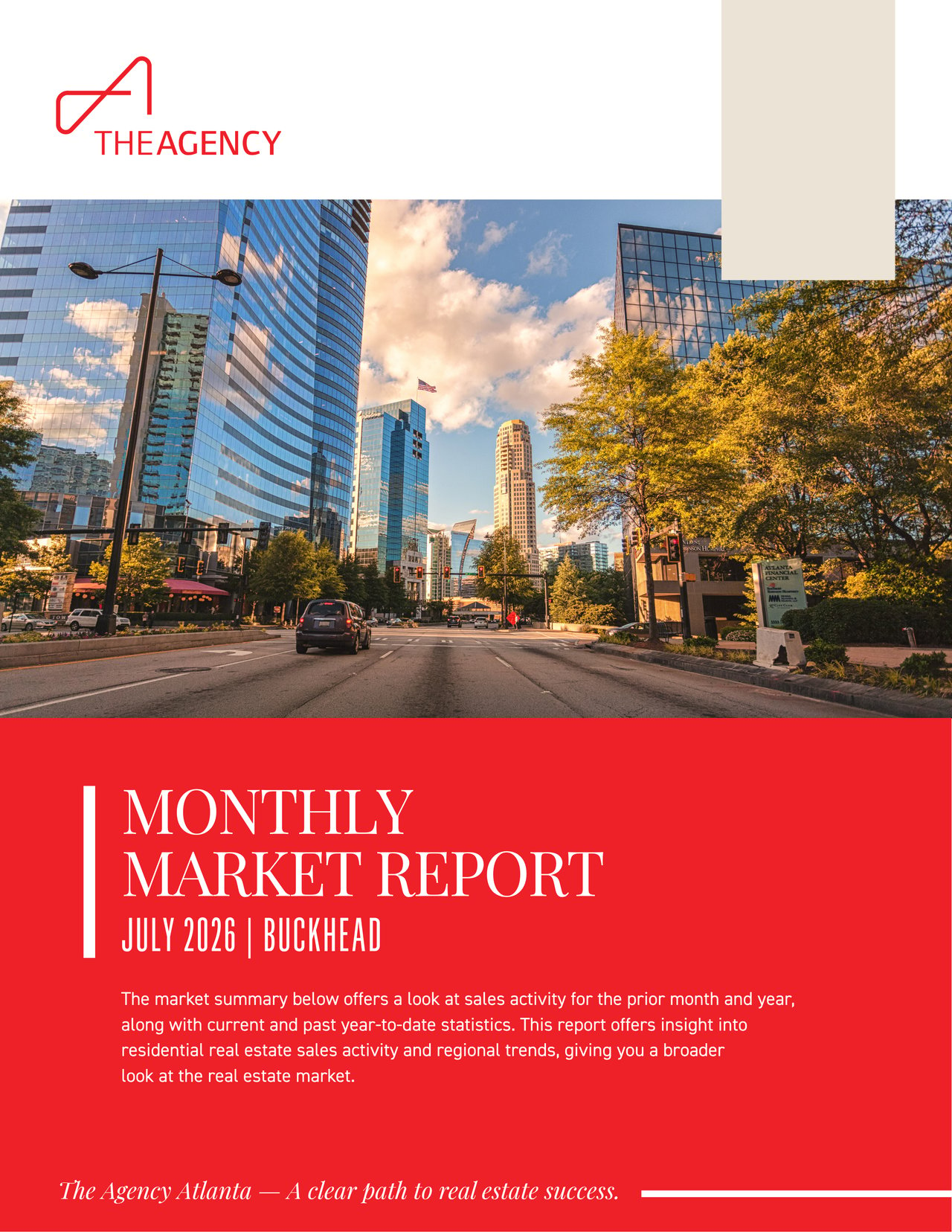
At the higher end, Buckhead and Decatur still command bigger budgets, but that does not mean buyers there have no leverage. Buckhead’s median sale price was down year over year in February, and homes were taking about 94 days to sell. That can create a more measured pace for buyers comparing streets, layouts, renovation level, and carrying costs.
Picture a buyer who paused last year because a target payment felt out of reach for anything near the BeltLine. In today’s market, that same buyer may find an Old Fourth Ward or Midtown condo that has been sitting longer, comes with seller concessions, or simply prices closer to today’s reality. That does not guarantee a deal on every property. But it does mean more paths to a workable outcome than many buyers had in 2024 or early 2025.
What improved affordability does not mean
This is the part buyers need to hear clearly. Improved affordability does not mean Atlanta is easy everywhere. It does not mean every neighborhood is cheaper. It does not mean you should stretch your budget just because the market feels a little friendlier.
It means the pressure is easing. Buyers have more inventory in the metro. Some submarkets have more listings and longer marketing times. Mortgage rates, while still elevated compared with the ultra low era, have been lower than a year ago. Put together, that can translate into better odds of finding a home that fits your budget without chasing impossible terms.
That is also why “waiting for perfect” can backfire. If rates dip, more buyers usually jump back in. If inventory tightens, negotiation room shrinks. The smartest move for many buyers is not trying to call the exact bottom. It is learning what your real payment range buys you right now in a few specific Atlanta neighborhoods.
A neighborhood by neighborhood budget map can make that decision much clearer fast.
How to shop smarter in Atlanta right now
Start with your monthly payment ceiling, not your maximum approval number. Then compare at least three Atlanta paths side by side. For example, you might compare a Midtown condo, a Westside townhome, and a smaller detached home farther east or south. That gives you a clearer read on tradeoffs like HOA dues, parking, renovation needs, commute routes, and outdoor space.
Next, pay attention to days on market and pricing patterns. A home near Ponce City Market or along the BeltLine may still attract fast interest if it is priced sharply. But another listing a few blocks away may have enough days on market to create room for concessions. Midtown’s current pace and sale to list data show why buyers should not assume every seller still holds all the cards.
Finally, keep your search narrow enough to be useful. “Atlanta” is too wide. A better shortlist might be Old Fourth Ward, Midtown, Westside, Buckhead, and Decatur. Or it might be Grant Park, Reynoldstown, Grove Park, and Chosewood Park. Once you compare actual monthly payments across a few realistic neighborhoods, the market usually starts to feel much less confusing.
Bottom line
Atlanta home affordability 2026 is not perfect, but it is better. National affordability improved in all 50 states, Georgia saw one of the strongest gains, and Atlanta ranked among the metros with the biggest improvement on First American’s affordability measure. Locally, metro inventory has grown, and several Atlanta neighborhoods now offer buyers more choice and more room to negotiate than they had a year ago. For buyers who paused, this is a much better time to run the numbers again with fresh eyes.
FAQs
Has affordability improved in Atlanta in 2026?
Yes. First American’s affordability data showed improvement across all 50 states in 2025, with Georgia among the biggest gainers, and Atlanta among the metros with the strongest improvement on its affordability measure.
What parts of Atlanta look more attainable right now?
Recent Atlanta area listing data points to lower median listing prices in places like Westside, Pittsburgh, Grove Park, Old Fourth Ward, and Midtown than in higher priced areas such as Buckhead and Decatur. The best fit still depends on home type, condition, and exact location.
Is Midtown Atlanta a buyer’s market right now?
As of March 2026, Realtor.com described Midtown as a buyer’s market, with 330 active listings and homes selling for about 2% below asking on average in February 2026.
Does improved affordability mean home prices are dropping everywhere?
No. Some areas are softer, while others are still expensive or holding value well. Improved affordability usually comes from a mix of price movement, income growth, inventory gains, and mortgage rate changes, not one single factor.
Should I wait for rates to fall more?
That depends on your budget and timeline, but waiting is not always the safer bet. Rates have been volatile in March 2026, and a lower rate environment can also bring more competition back into the market.