What Is the Atlanta BeltLine?
The Atlanta BeltLine is a transformative urban redevelopment project that is reshaping how people live, work, and move throughout the city of Atlanta. Originally conceived in a 1999 master's thesis by Georgia Tech student Ryan Gravel, the BeltLine envisions a 22-mile loop of multi-use trails, parks, public art, and transit connecting 45 diverse neighborhoods across the city. It is widely considered one of the most ambitious urban redevelopment projects in the United States, and in 2026, it is closer to completion than ever before.
The BeltLine follows the path of historic railroad corridors that once circled the city. Over the past two decades, Atlanta BeltLine Inc. has transformed these corridors into paved trails for walking, running, and cycling, along with linear parks, public art installations, and affordable housing developments. The project has catalyzed billions of dollars in private investment and has become one of the defining features of modern Atlanta. For homebuyers and real estate investors, understanding the BeltLine is essential because properties located near completed trail segments have seen significant appreciation over the past decade.
2026 BeltLine Construction Updates and New Trail Openings
The year 2026 marks a pivotal moment for the Atlanta BeltLine. Several major trail segments are opening or nearing completion, bringing the vision of a fully connected loop closer to reality. The Southside Trail Segments 4 and 5, stretching 1.2 miles from Boulevard to Glenwood Avenue, opened with a ribbon cutting in mid-April 2026. This connection is a game changer for neighborhoods like Ormewood Park, Grant Park, and Boulevard Heights, giving residents direct trail access to the Eastside Trail and Piedmont Park for the first time.
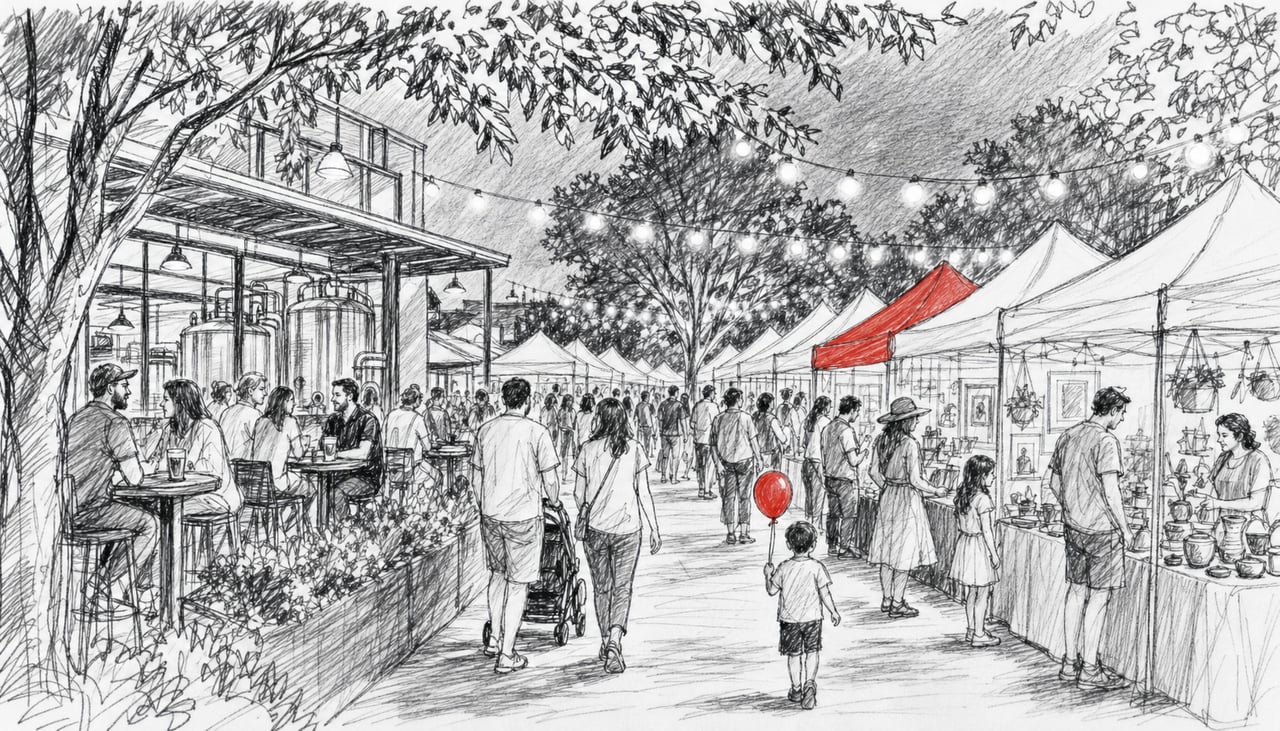
Meanwhile, the Westside Trail extension continues to progress, with new segments opening through the Bankhead and English Avenue communities. These neighborhoods, long underserved by city infrastructure, are now seeing renewed interest from developers and homebuyers alike. The addition of trail access has brought new restaurants, coffee shops, and retail to corridors that were largely dormant just five years ago.
On the Northeast Trail, work is progressing on the segment that will eventually link the Eastside Trail to the Lindbergh area and beyond. When completed, this corridor will provide seamless trail access from Midtown all the way to Buckhead, making it possible to commute by bike or on foot across some of Atlanta's most desirable zip codes. For real estate professionals, this connectivity is already influencing buyer decisions as commuters seek walkable, bikeable lifestyles without sacrificing proximity to employment centers.
Top Neighborhoods Along the BeltLine for Homebuyers in 2026
One of the most common questions from homebuyers relocating to Atlanta is which neighborhoods offer the best combination of BeltLine access, walkability, dining, and long-term investment potential. Here are the standout neighborhoods to watch in 2026.
Inman Park
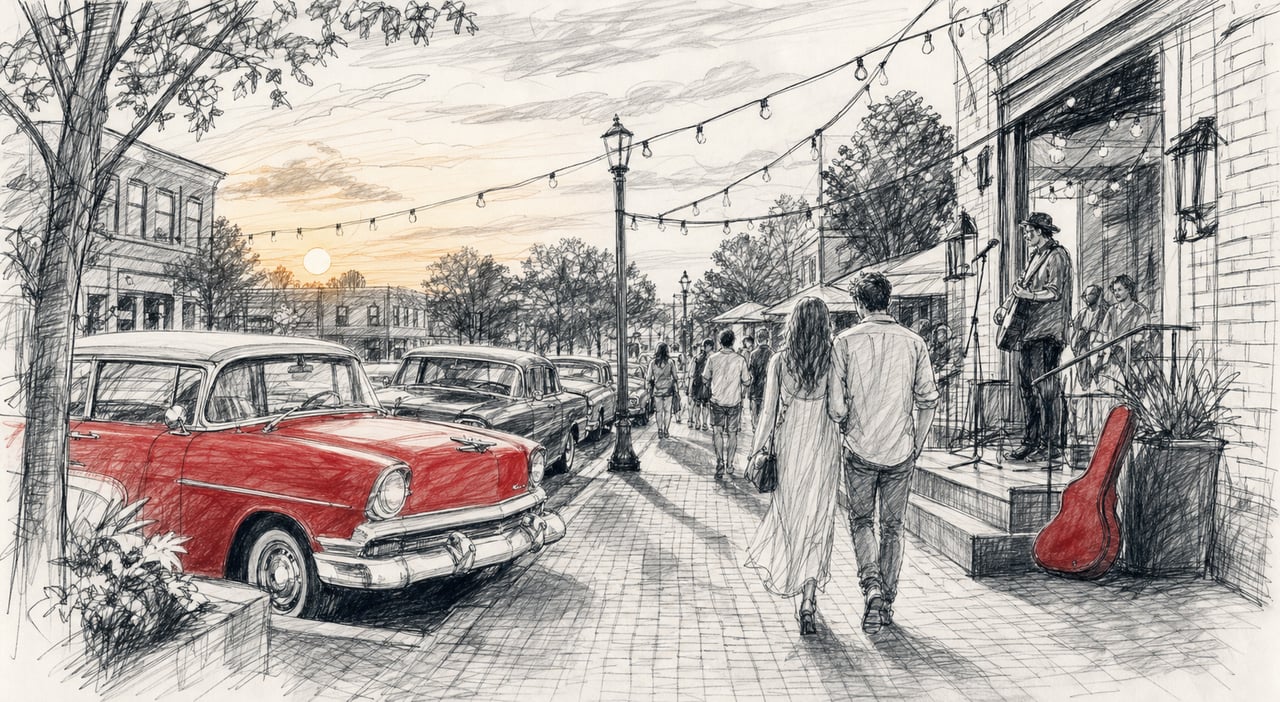
Inman Park remains one of the most sought-after neighborhoods along the BeltLine, and for good reason. As one of Atlanta's first planned suburban communities, it blends Victorian-era charm with a vibrant, walkable lifestyle that appeals to young professionals, families, and empty nesters alike. The Eastside Trail runs directly through the neighborhood, providing immediate access to Ponce City Market, Krog Street Market, and the growing corridor of shops and restaurants along the trail. In 2026, median home prices in Inman Park hover around $750,000 to $1.2 million, with renovated Victorians and new-construction townhomes commanding premium prices. The annual Inman Park Festival, one of Atlanta's oldest and most beloved neighborhood celebrations, draws thousands of visitors each spring and showcases the community's artistic spirit and tight-knit culture.
Old Fourth Ward
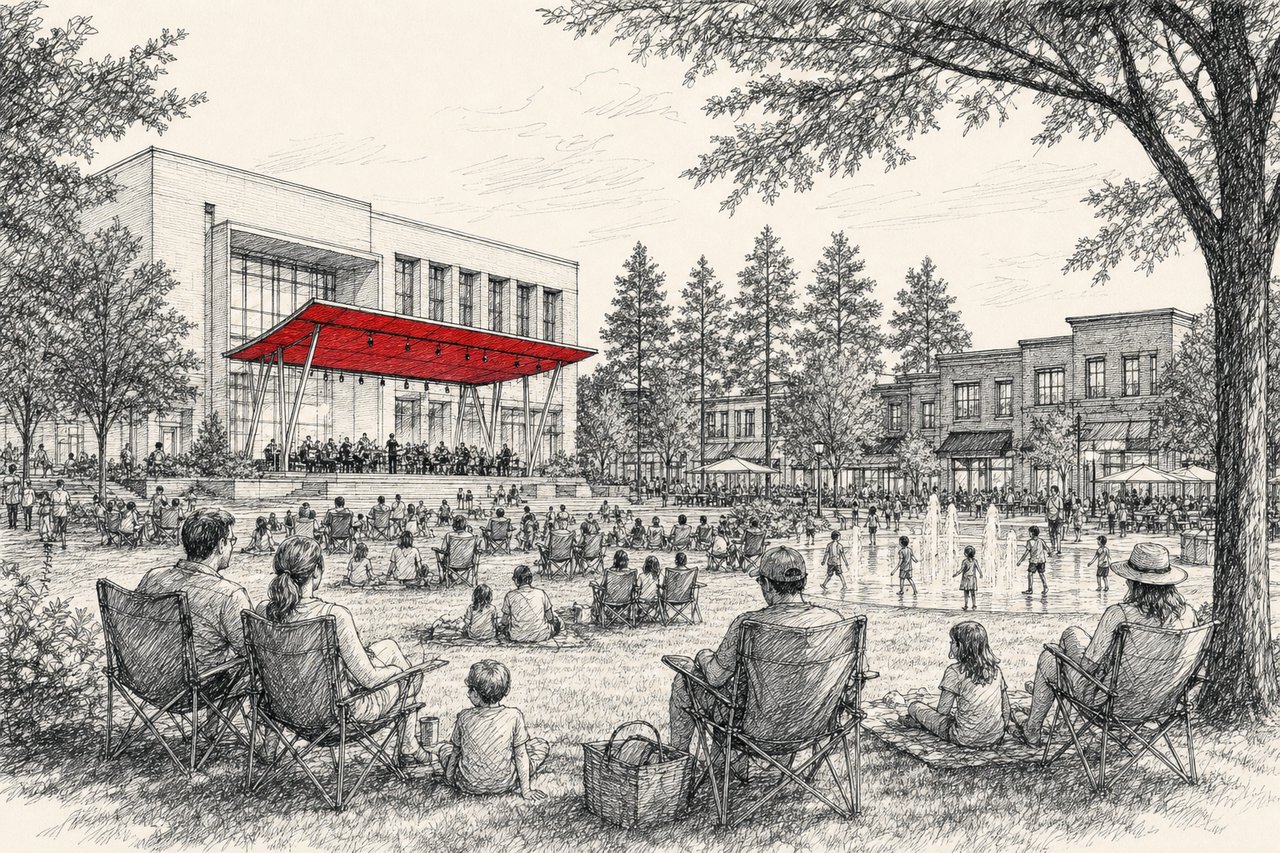
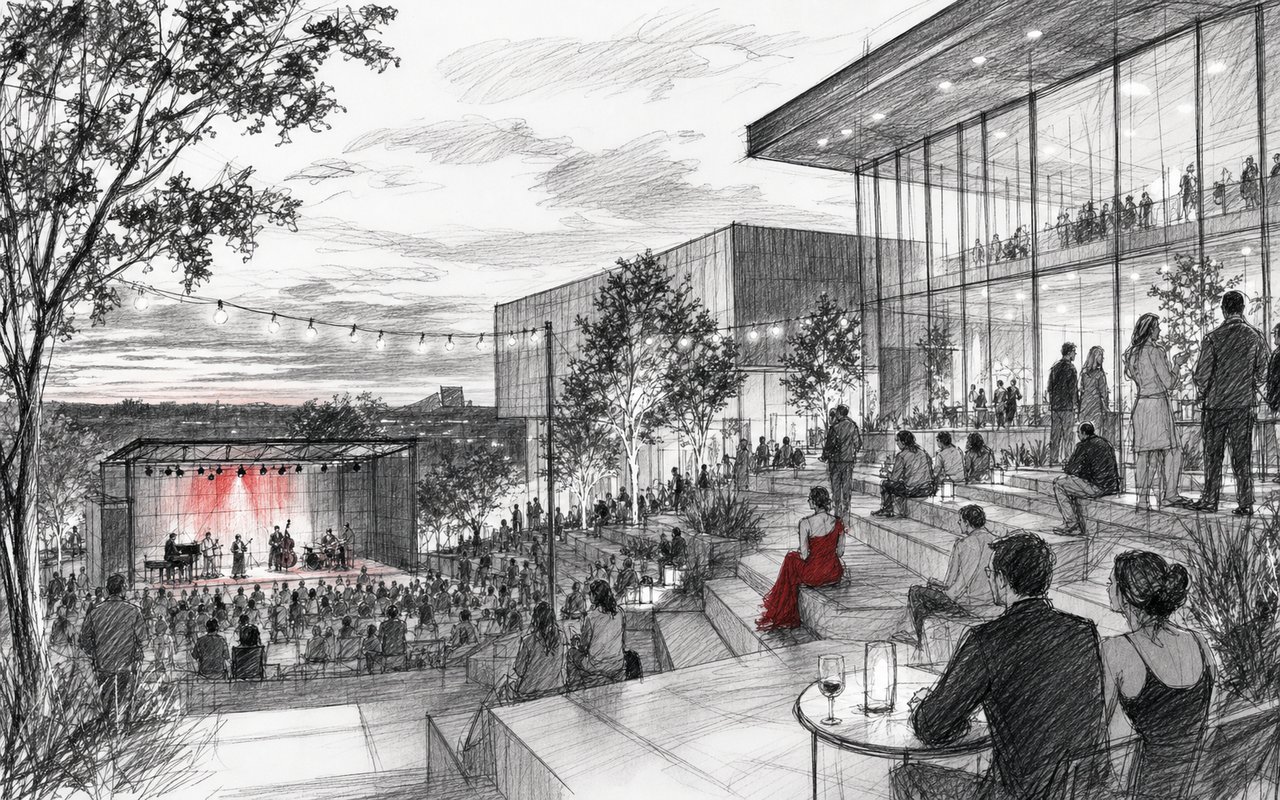
Old Fourth Ward, often abbreviated as O4W, has undergone one of the most dramatic transformations of any Atlanta neighborhood over the past decade. Once a quiet, undervalued area east of downtown, it has evolved into one of the city's hottest real estate markets thanks largely to the BeltLine's Eastside Trail and the development of Ponce City Market. The neighborhood is home to Historic Fourth Ward Park, a stunning 17-acre green space with a splashpad, amphitheater, and stormwater retention pond that doubles as a scenic lake. Residents enjoy direct BeltLine access, world-class dining, and a thriving nightlife scene. Home prices in O4W range from $400,000 for condos and lofts to well over $1 million for single-family homes and luxury townhomes. The neighborhood's central location makes it a top pick for buyers who want to be in the heart of the action.
Grant Park
Grant Park is a family-friendly neighborhood that sits along the southern portion of the BeltLine, offering a more affordable entry point into BeltLine living compared to neighborhoods on the Eastside Trail. Home to Zoo Atlanta and the expansive Grant Park itself, the neighborhood features tree-lined streets, beautifully restored bungalows, and a growing selection of restaurants and local businesses along Memorial Drive. The Southside Trail's new segments have dramatically increased Grant Park's connectivity, and buyers are taking notice. Median home prices in Grant Park range from $450,000 to $800,000, making it an attractive option for first-time buyers and growing families who want BeltLine access without the premium price tag of Inman Park or Old Fourth Ward.
West End and Adair Park
The West End and neighboring Adair Park represent some of the most exciting emerging opportunities along the BeltLine's Westside Trail. These historically significant neighborhoods are experiencing a renaissance fueled by trail access, new mixed-use developments, and a growing arts and culture scene. The Lee and White development, a former warehouse complex turned food hall and brewery district, has become a destination in its own right. Home prices in the West End currently range from $300,000 to $600,000, offering significant value compared to the east side of the loop. For investors and buyers looking for appreciation potential, the west side of the BeltLine is where many real estate professionals believe the next wave of growth will occur.
Parks, Public Art, and Quality of Life Along the BeltLine
Beyond the trail itself, the BeltLine has become one of the largest public art projects in the country. Each year, Art on the Atlanta BeltLine commissions dozens of temporary and permanent installations by local and international artists, turning the corridor into an open-air gallery that attracts visitors from across the region. From murals and sculptures to interactive light installations, the art program has helped establish the BeltLine as a cultural destination, not just a transportation corridor.
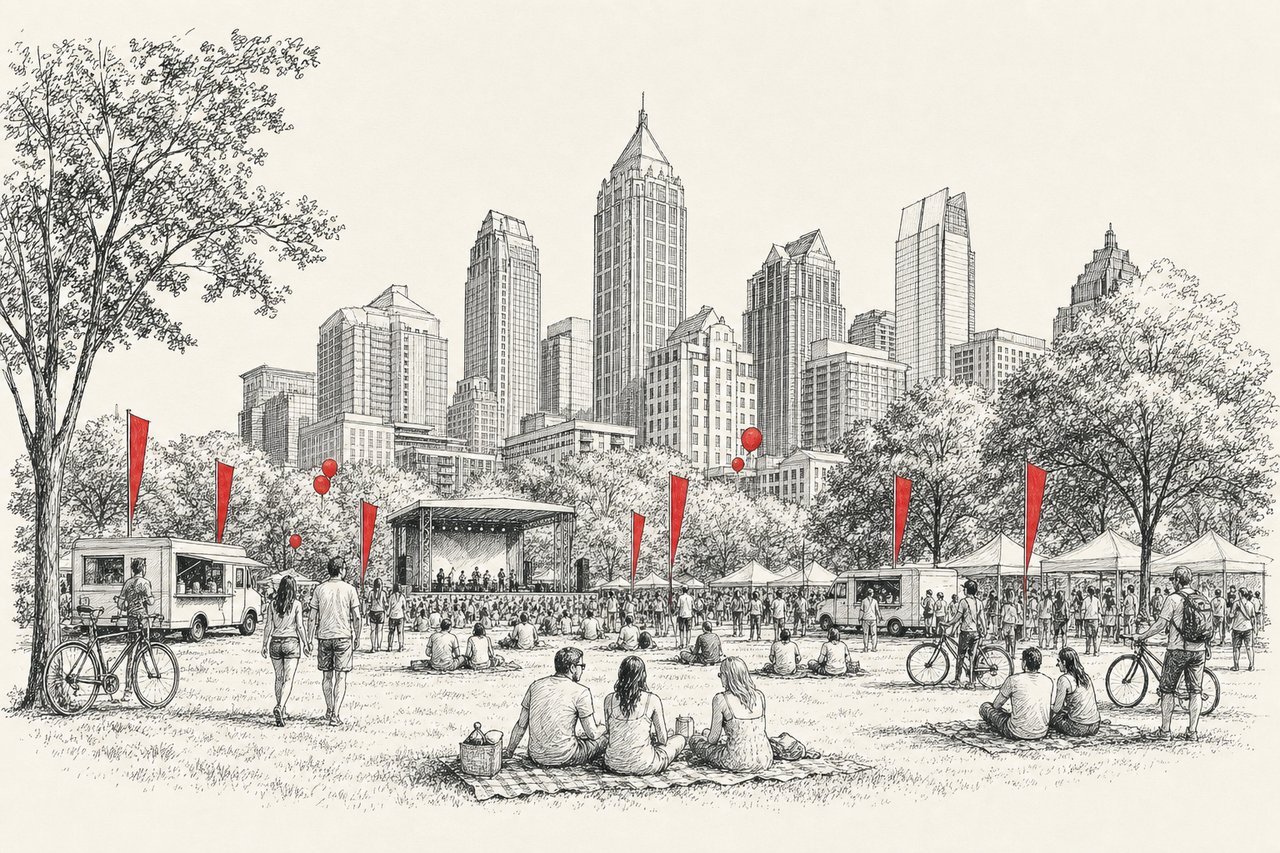
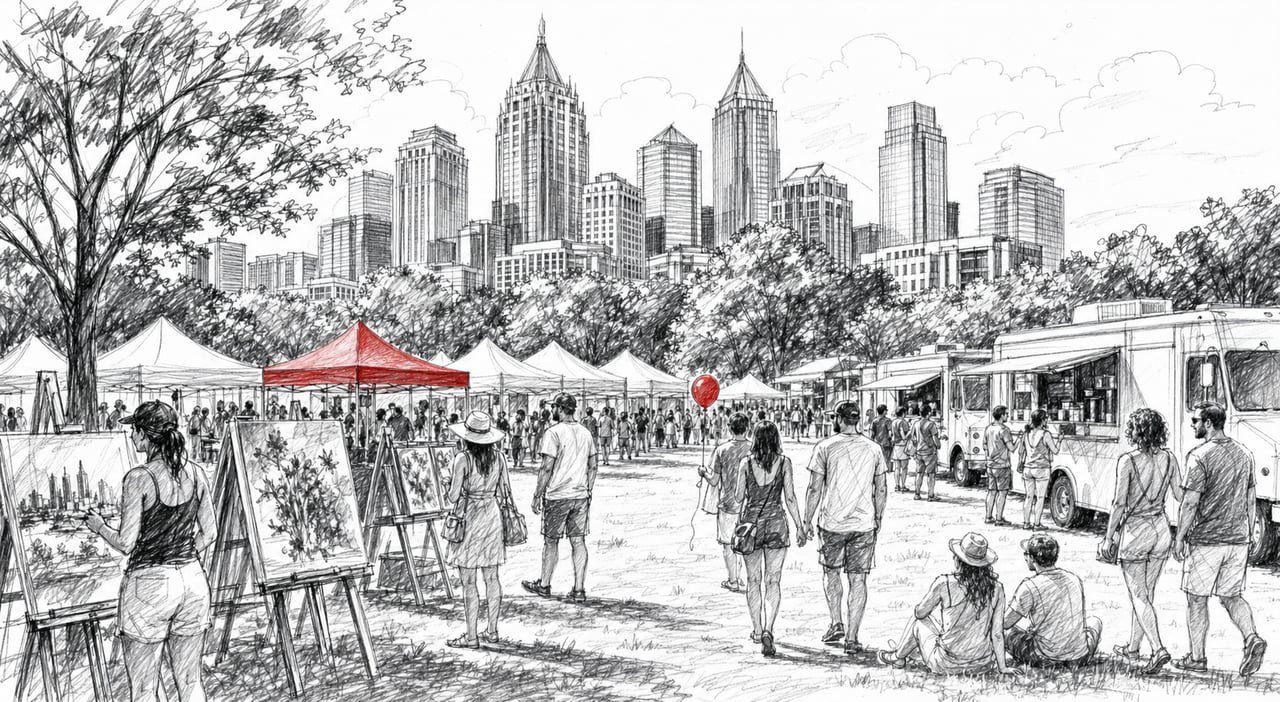
The BeltLine is also home to several major parks that have become anchors for their surrounding neighborhoods. Westside Park, which opened in 2021 on the site of a former quarry, is now the largest green space in Atlanta at 280 acres and features a stunning reservoir, hiking trails, and sweeping views of the downtown skyline. Historic Fourth Ward Park continues to be one of the most popular gathering spots on the Eastside Trail, while newer pocket parks and green spaces are being added along the Southside and Westside corridors as construction progresses.
How the BeltLine Is Shaping Atlanta Real Estate in 2026
The impact of the BeltLine on Atlanta's real estate market cannot be overstated. According to multiple studies, properties within a half-mile of completed BeltLine trail segments have appreciated at rates significantly higher than the citywide average. This trend has only accelerated as more trail segments open and the loop moves closer to full completion. For homebuyers, proximity to the BeltLine has become one of the most important factors in property value, rivaling traditional markers like school districts and commute times.
New mixed-use developments continue to rise along the corridor, bringing a blend of residential, retail, and office space that supports the live-work-play lifestyle that modern buyers demand. Projects like the Murphy Crossing development on the Westside Trail and the continued expansion of Ponce City Market on the Eastside Trail are creating vibrant, walkable nodes that serve as neighborhood centers. For sellers, BeltLine proximity is now a key selling point that can command premium pricing and shorter days on market. The Agency Atlanta has seen firsthand how BeltLine access transforms buyer interest and drives competitive offers in these neighborhoods.
Frequently Asked Questions About the Atlanta BeltLine
Q: How long is the Atlanta BeltLine and when will it be finished?
The Atlanta BeltLine is a 22-mile loop of multi-use trails, parks, and transit that connects 45 neighborhoods across the city. As of 2026, approximately 60 percent of the trail is complete. Atlanta BeltLine Inc. continues to work toward completing the full loop, with major milestones expected through 2030. The Eastside Trail and portions of the Westside and Southside trails are fully open and heavily used.
Q: Does living near the BeltLine increase property values?
Yes, properties near completed BeltLine trail segments have seen significant appreciation. Studies have shown that homes within a half-mile of the trail have appreciated faster than the citywide average. The closer a property is to a trail access point, the stronger the effect on value. This trend is expected to continue as more segments open and the loop nears completion.
Q: What are the best neighborhoods to buy near the BeltLine?
The best neighborhoods depend on your budget and lifestyle preferences. Inman Park and Old Fourth Ward offer premium BeltLine access with vibrant dining and nightlife. Grant Park and Ormewood Park provide a more family-friendly atmosphere at lower price points. The West End and Adair Park are emerging neighborhoods with strong appreciation potential. Contact The Agency Atlanta for personalized guidance on finding the right BeltLine neighborhood for your needs.
Q: Is the BeltLine safe for walking and biking?
The BeltLine is widely considered safe and is heavily used by walkers, joggers, cyclists, and families throughout the day. The Eastside Trail in particular sees thousands of users daily. The trail is well-lit in most areas, and the high foot traffic creates a natural sense of security. As with any urban trail, it is always a good idea to stay aware of your surroundings, especially during early morning or late evening hours.
Q: Can I commute to work using the BeltLine?
Many Atlanta residents already use the BeltLine as part of their daily commute, particularly those who live and work along the Eastside Trail corridor between Piedmont Park and Reynoldstown. As more trail segments connect, commuting by bike or on foot becomes increasingly viable across a wider portion of the city. The planned transit component of the BeltLine, which would add streetcar or light rail service along the corridor, would further enhance commuting options, though the timeline for transit implementation remains under discussion.