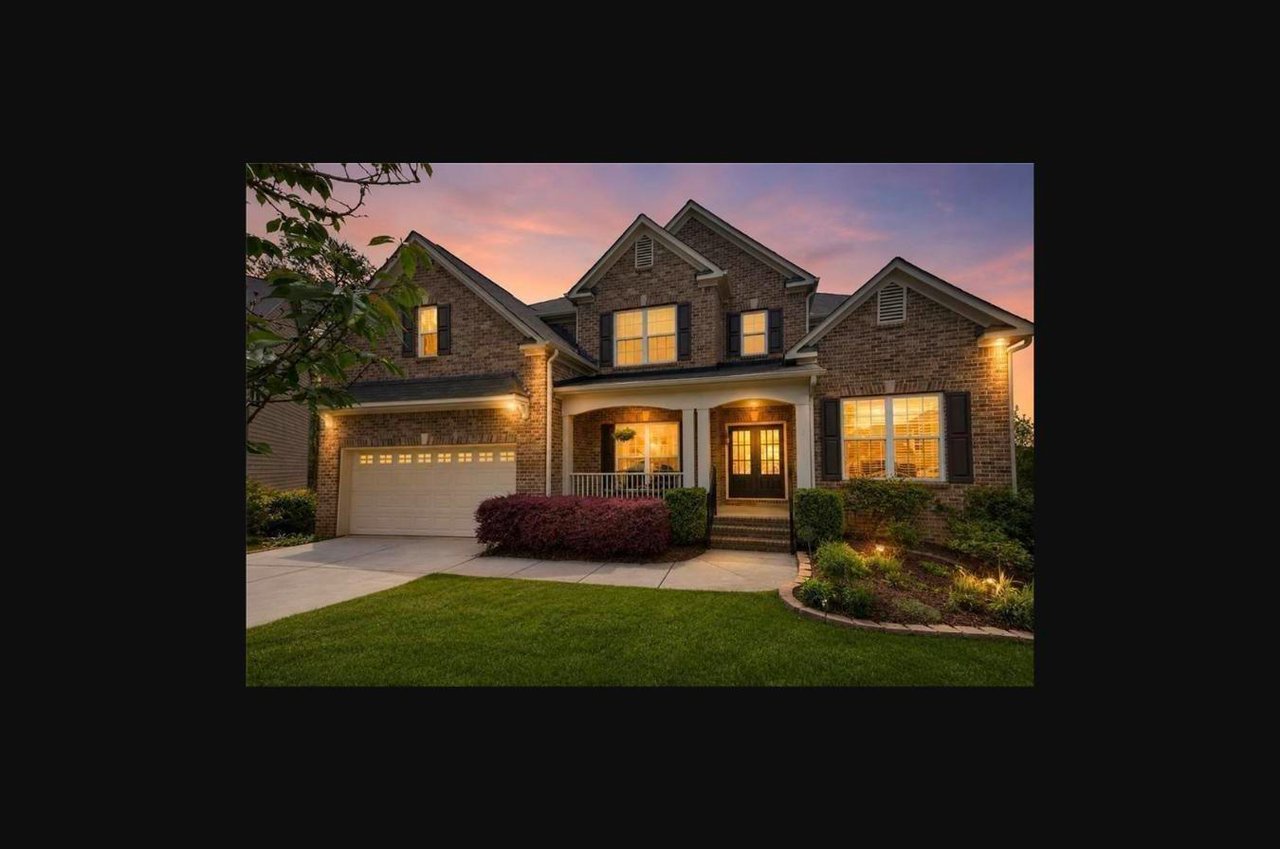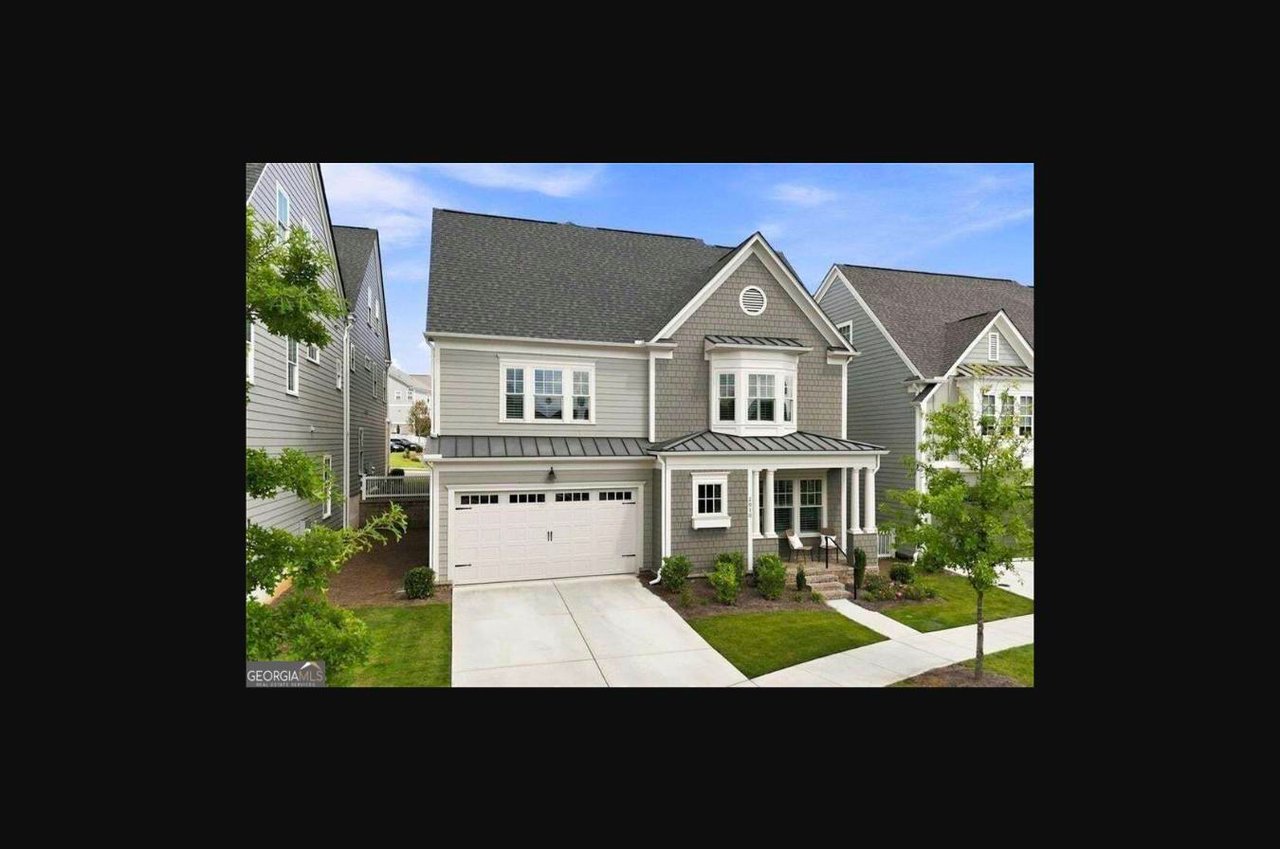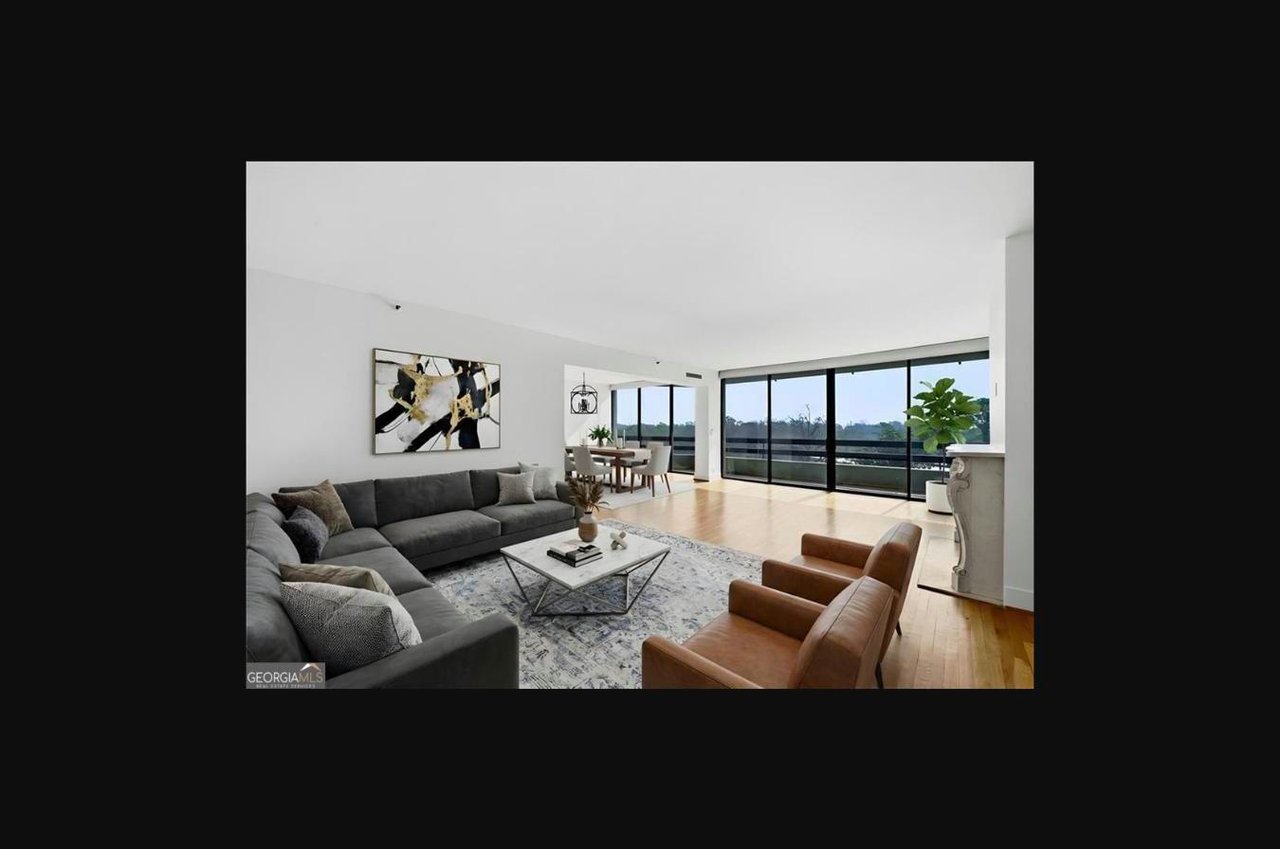
Atlanta real estate does not move as one big market. A condo near Piedmont Park can feel very different from a bungalow in Grant Park. A newer build near the Westside BeltLine can follow its own rhythm too.
This Atlanta market report January 2026 gives you the citywide single-family snapshot in plain English. You will see what changed in listings, sales, prices, and days on market. Then you will get practical takeaways for buyers and sellers across popular intown areas.
Atlanta market report January 2026 at a glance
Here is the quick comparison of January 2026 vs January 2025 for Atlanta single-family homes.
| Metric | Jan 2026 | Jan 2025 | Year over year |
|---|---|---|---|
| New listings | 963 | 1,137 | -15.30% |
| Sold listings | 291 | 386 | -24.61% |
| Median list price (sold homes) | $399,990 | $425,000 | -5.88% |
| Median sold price | $395,000 | $410,000 | -3.66% |
| Median days on market | 47 | 38 | +23.68% |
| Average list price (sold homes) | $670,526 | $656,944 | +2.07% |
| Average sold price | $647,748 | $632,220 | +2.46% |
| Average days on market | 72 | 59 | +22.03% |
| List-to-sold price ratio | 96.3% | 97.3% | -1.03% |
Fast read: Activity slowed and listings took longer to sell. Median pricing softened a bit. The average price held up, which often happens when more higher-priced homes make up a larger share of the month’s closings.
What changed in January, and why it matters
Fewer listings and fewer sales
New listings dropped year over year, and sold listings dropped even more. That combination usually points to a slower start to the year.
In real life, this tends to show up like this:
-
Buyers take more time to compare homes and neighborhoods.
-
Sellers who overprice early get less traction.
-
Well-presented, well-priced homes still move, but buyers ask more questions.
Homes took longer to sell
Both median and average days on market climbed. That is a meaningful change, because pace influences negotiation.
When homes take longer to sell, you typically see:
-
More second showings
-
More inspection-related requests
-
More price adjustments on listings that miss the mark
If you want a simple way to use this as a buyer or seller, treat the first 7 to 14 days on market as a signal. Early activity often tells you if pricing and presentation are landing.
Median price vs average price: why both matter
In January 2026, the median sold price was lower than last year, but the average sold price was higher. That can feel confusing, so here is the simple explanation.
-
Median price is the midpoint. It is usually a better “typical home” signal.
-
Average price can swing if the month includes more high-end closings.
Atlanta has a wide range of housing types and price points, from classic intown bungalows to renovated homes near BeltLine corridors to higher-priced pockets in well-known areas. When the mix of what sells changes, average and median can move in different directions.
If you’re buying: Use the neighborhood and property type as your anchor, not the citywide average.
If you’re selling: Your true competition is the handful of active listings a buyer will tour that same weekend.
If you want a quick, realistic price range for your exact neighborhood, The Agency Atlanta can put together a one-page snapshot based on recent nearby sales and today’s active competition.
What the list-to-sold ratio says about negotiation
The list-to-sold ratio dipped from 97.3% to 96.3%. That is not a crash. It is a sign that negotiation became more common in the typical deal.
A simple way to read this:
-
The best listings can still sell close to list price.
-
Listings that feel overpriced for their condition often negotiate more, or sit longer.
This is where strategy matters. Pricing accuracy, showing readiness, and strong listing photos can help protect your outcome in a slower month.
Where inventory tends to concentrate by price range
In Atlanta, available single-family inventory often clusters in the mid ranges, especially where most buyers shop. In January, that mid-range concentration matters because it increases choice.
What that means in practice:
-
In the $300,000 to $500,000 range, buyers compare hard. Layout, updates, and total monthly cost matter a lot.
-
Above $700,000 and into $1M+, the buyer pool is smaller and more specific. Renovation quality, lot utility, and location convenience matter more than small cosmetic differences.
-
If you’re selling in a range with lots of competition, small prep items can change your showing traffic quickly.
Quick scenario: Two similar homes come on in the same general area. One is clean, bright, and priced in line with the closest recent comps. The other needs obvious updates but is priced like it does not. In a slower month, the first home usually gets the attention early.
What this means for buyers in Atlanta right now
1) You can shop with more intention
With longer days on market, you do not have to rush on every listing. You can compare neighborhoods and home styles more carefully.
Still, the best value homes in high-demand areas can move quickly. If a home checks your core needs and is priced well, you want a plan ready before you tour.
2) Atlanta is a city of micro-markets
Citywide stats are useful, but decisions get made neighborhood by neighborhood.
Here are examples of how buyers often narrow their search based on daily life access:
-
BeltLine Eastside Trail areas: Old Fourth Ward, Inman Park, Poncey-Highland, and nearby pockets around Krog Street Market and Ponce City Market
-
Midtown and Piedmont Park area: convenience, parks, and a wide mix of housing types
-
Grant Park and Ormewood Park: classic intown homes and quick access toward Downtown
-
Kirkwood and East Lake: a mix of renovations and older homes with easy routes to East Atlanta
-
West End and Westside BeltLine areas: parks, trails, and a growing mix of new and renovated housing
3) Use “time on market” to guide your offer strategy
If a listing is new and clearly the best value, you may need cleaner terms.
If a listing has been sitting, ask why. Pricing, condition, layout, or competing listings are usually the driver.
If you want a short list of Atlanta homes that are more likely to negotiate based on days on market and nearby competition, The Agency Atlanta can pull that quickly.
What this means for sellers in Atlanta right now
1) Price for today’s competition, not last year’s memory
Median pricing softened and market time increased. That rewards sellers who price accurately from the start.
Overpricing can create a slow launch, which often leads to bigger adjustments later. A strong launch usually beats a slow “test the market” approach.
2) Presentation matters more when buyers have time
When buyers are not rushed, they compare details. Small improvements can change the showing experience:
-
fresh paint
-
lighting updates
-
clean landscaping
-
a tight repair list to reduce inspection pushback
3) Plan your negotiation boundaries before you list
Negotiation is showing up more often, especially when buyers see alternatives.
Before listing, decide:
-
what you will repair before going live
-
what you would consider as a credit
-
your preferred closing timeline
If you are thinking about listing in the next 30 to 90 days, The Agency Atlanta can create a simple pricing and positioning plan tied to your neighborhood and home style. It helps you avoid guesswork and protects your bottom line.
FAQs: Atlanta market report January 2026
Did Atlanta home prices go up or down in January 2026?
Median sold price dipped year over year, while the average sold price rose. That can happen when more higher-priced homes make up a larger share of the month’s closings.
Are Atlanta homes taking longer to sell right now?
Yes. Both median and average days on market increased compared to last January, which usually means buyers have more time to compare homes and negotiate.
Is this a buyer’s market in Atlanta?
It looks more balanced than last year based on pace. Some homes still move quickly when priced well and updated. Others sit longer and create room for better terms.
What matters most for sellers in this kind of market?
Pricing accuracy and presentation. When buyers have choices, they gravitate to the listings that feel like the best value early.
How should buyers use this Atlanta market report January 2026?
Use it to set expectations for pace and negotiation, then narrow your search to specific neighborhoods and comparable homes. Citywide stats guide the strategy. Neighborhood comps guide the offer.
FAQ schema questions (copy list):
-
Did Atlanta home prices go up or down in January 2026?
-
Are Atlanta homes taking longer to sell right now?
-
Is this a buyer’s market in Atlanta?
-
What matters most for sellers in this kind of market?
-
How should buyers use this Atlanta market report January 2026?
Summary
This Atlanta market report January 2026 shows a slower start compared to last year: fewer new listings, fewer sales, and longer days on market. Median prices softened modestly, and negotiation became more common. The best move in Atlanta is still the same. Focus on the micro-market, price accurately, and make the home easy to say yes to.
For more Atlanta market breakdowns and neighborhood spotlights, follow @theagency.atlanta.