On Inside Georgia Real Estate, Deborah Morton of Clareo Group with The Agency Atlanta laid out a spring market that feels active, competitive, and far less forgiving than many sellers expect.
There is a familiar energy in metro Atlanta real estate right now. Open houses are busier. Mortgage applications are ticking up. More buyers are browsing listings and stepping back into the market. More homes are coming online, too. On the surface, it looks like the kind of spring rebound many people hoped for.
But as Deborah Morton explained on Inside Georgia Real Estate, the story is more nuanced than that.
This is not the breakneck seller's market many homeowners still remember. It is a market where activity is rising, but patience is being tested. Buyers are engaged, yet cautious. Inventory is improving, yet that also means more competition. And homes that are not positioned well from the start can linger longer than expected.
For sellers across metro Atlanta, the takeaway is clear. A successful sale in this market takes more than simply listing a home and waiting for offers to roll in.
A Busy Market Does Not Mean an Easy Market
Morton described the current pace as normal for spring in one important sense: preparation is picking up, more homes are being shown, and buyers are back out looking. From her vantage point at The Agency Atlanta, the signs of movement are real.
Still, one number stands out. Days on market are climbing.
While some standout homes still go under contract quickly, Morton said the broader market is pushing closer to an average of 80 days on market. That matters because it shifts the psychology of the transaction. A listing that sits longer gives buyers more leverage, more time to compare options, and more confidence to negotiate.
That is where many sellers are getting caught off guard.
Some are still pricing and planning as if conditions are the same as they were two or three years ago. Morton made it clear that this mindset is out of step with what buyers are doing today. Instead of bidding far above asking, many buyers are submitting lower offers, requesting seller-paid closing costs, and asking for concessions that can help reduce their monthly payment through a rate buydown.
Money is somewhat more affordable than it was a year ago, but not enough to erase buyer sensitivity. Buyers are doing the math more carefully, and they want the home to justify the cost.
Why Presentation Matters More Than Ever
If the market is more competitive and buyers are more selective, then the obvious question becomes: why would someone choose one home over another?
Morton’s answer was refreshingly practical.
Curb appeal matters. Lighting matters. Photography matters. Digital presentation matters.
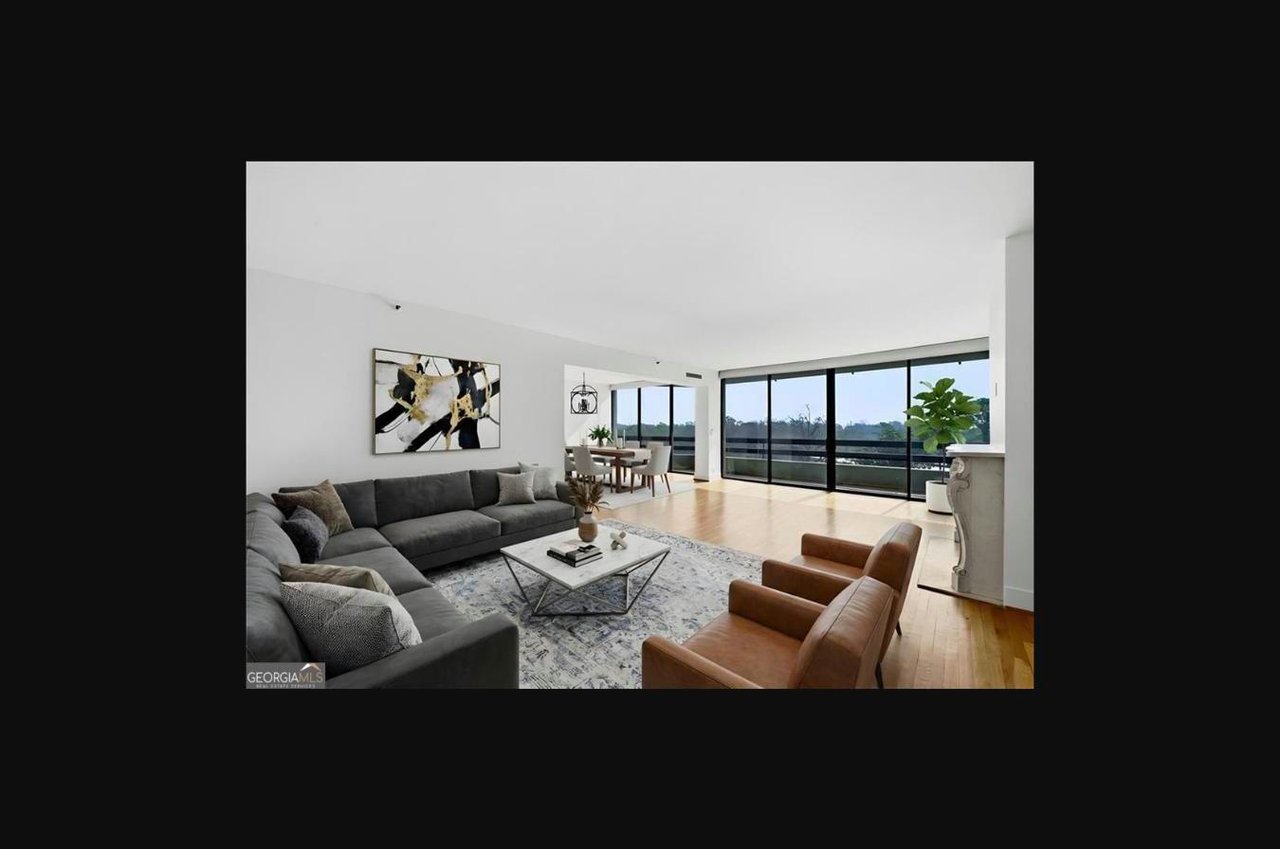
In one of the simplest pieces of advice from the episode, she urged prospective sellers to change their light bulbs before listing. It sounds minor, but brighter daylight-style bulbs can make a home feel cleaner, larger, and more inviting. They also improve how the property looks in listing photos, which is crucial in a market where first impressions are happening online long before a buyer schedules a tour.
That point led to a bigger one. Poor presentation is costing sellers.
Morton noted that many homes sit for months not because the location is bad or the property is beyond saving, but because they are being marketed poorly. Weak photos, dark interiors, and underwhelming online exposure can stop a buyer before they ever walk through the front door. In her view, if an agent is not investing in strong photography and thoughtful digital promotion, that seller is already at a disadvantage.
Real estate, she said, has become a technology game. It is no longer enough to place a home in the MLS and hope that demand will do the rest. Sellers need marketing that reaches the right buyers, tracks engagement, and adapts based on what is working.
Why Local Interpretation Still Beats Algorithms
One of the strongest themes from the conversation was Morton’s skepticism of automated pricing tools and broad third-party portals.
She did not dismiss them entirely. In fact, she acknowledged that platforms like Zillow are part of the landscape and can be useful. But she pushed back hard on the idea that they should shape a buyer’s offer or a seller’s pricing strategy without real human interpretation.
Her frustration was rooted in a recent experience. A buyer submitted a notably low offer on one of her Roswell listings based on what the platform labeled a strong or weak offer. To Morton, that kind of guidance crosses a line when it is presented as though it reflects the full value of a home.
A platform cannot smell a house. It cannot feel a room’s natural light. It cannot recognize tasteful upgrades, quality materials, a finished porch, or the appeal of a lot that has been carefully maintained over time. It does not understand how a home compares emotionally or functionally to the competition a buyer has toured in person.
Data matters, and Morton made clear that she is highly data-driven. But data without context is incomplete. Her point was not that numbers are unimportant. It was that the numbers need interpretation by someone who understands the local market, the neighborhood, the product, and the buyer pool.
That distinction can shape pricing, negotiation, and ultimately the seller’s bottom line.
The Real Question for Sellers: What Actually Increases Net Proceeds?
One of the most useful parts of the episode came when a caller from Acworth asked a question that many longtime homeowners face: after living in a home for more than 30 years, is it better to sell as is or spend money fixing it up first?
Morton’s answer was not simplistic, and that was exactly the point.
There is no universal rule. The right decision depends on condition, competition, location, and price point. First, a homeowner needs an honest evaluation of the property. Then they need to compare it with what else is listed and recently sold nearby. If similar homes in the area are also dated, then the market may accept that condition as normal, provided the pricing reflects it. But if the competition has updated kitchens, newer baths, and a polished look, then an untouched home may need a stronger pricing strategy and better presentation to compete.
What buyers want today, Morton said, is largely move-in ready.
Years ago, many buyers expected to put in sweat equity. Today, far fewer are interested in painting, replacing carpet, or managing projects after closing. Many do not have the time, and some do not have the desire or skill. That shift changes what sellers should prioritize.
Importantly, Morton did not advocate pouring money into every possible repair. Instead, she framed the decision around maximizing net proceeds. A seller might spend $5,000 on strategic improvements such as paint, carpet, light fixtures, landscaping, and decluttering, then come out ahead because the home shows better, photographs better, and feels more compelling against the competition.
That is a very different approach from renovating blindly.
Older Homes, Inspections, and the Art of Negotiation
The same Acworth caller raised another smart concern: if a home is older, does everything need to be brought up to current code before listing?
Morton’s answer again emphasized experience over panic.
Many inspection items come up because inspectors review homes against current standards, even when parts of the property are simply older, not defective. Outlets near water, for example, may be flagged under today’s code even if they were acceptable when installed decades ago. Older plumbing materials may also become a talking point in negotiations.
That does not mean a seller must fix everything in advance.
In Morton’s view, much of this falls under negotiation. A skilled agent should know which issues are common, which ones matter most to buyers and lenders, and how to keep a transaction moving without forcing the seller to overcorrect. That kind of judgment can save sellers money and reduce stress.
It also reinforces a broader truth about this market: experience matters most when conditions are less predictable.
What This Spring Really Looks Like
If there is one idea that captured the episode, it is this: the market is alive, but it is no longer automatic.
Buyers are out there. Sellers can absolutely move, especially if they prepare thoughtfully and price realistically. But fewer homes are winning just by showing up. Sellers need a plan. They need honest guidance. They need marketing that does more than check boxes. And they need someone who can interpret the difference between raw data and real demand.
For metro Atlanta homeowners considering a sale this spring, Morton’s message was both cautionary and encouraging. The opportunity is still there. But the homes that stand out are the ones backed by strategy, polish, and a clear understanding of what today’s buyers truly value.
On this episode of Inside Georgia Real Estate, that was the inside truth.