The Holiday Table Is Where Real Estate Decisions Begin
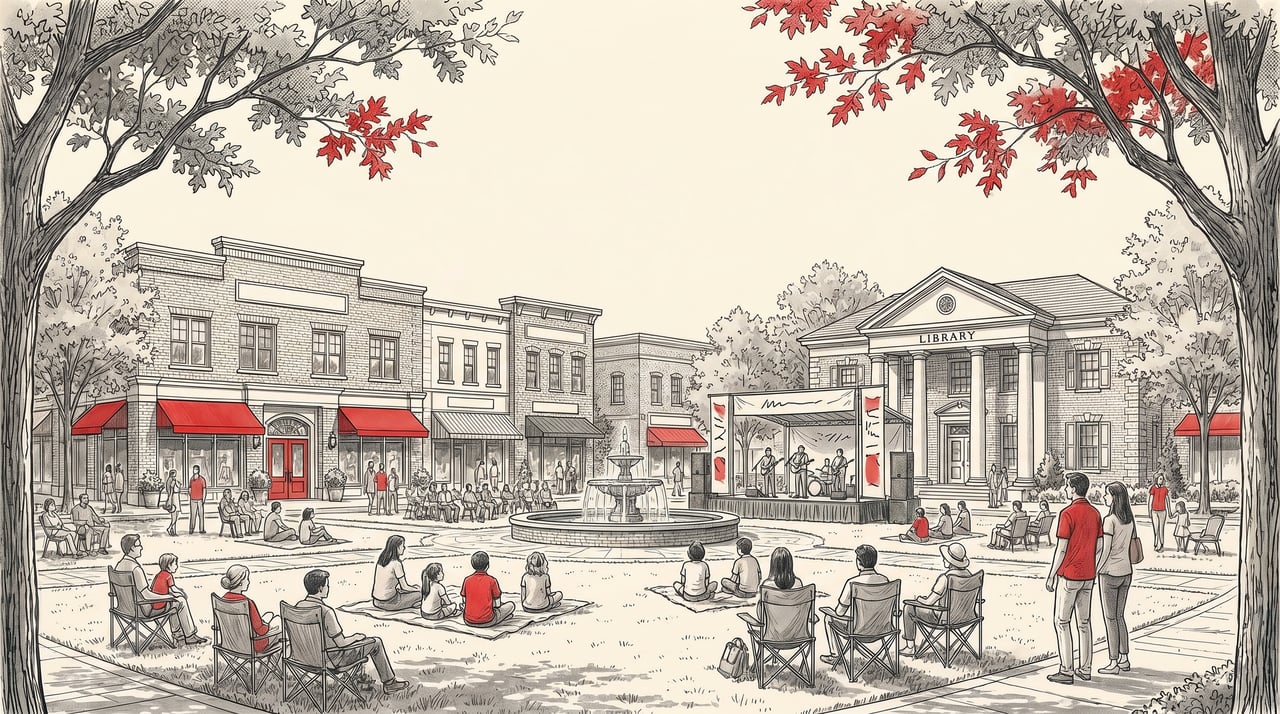
The holidays have always been about more than tradition. They are one of the few moments in the year when families slow down, gather in the same room, and talk honestly about what comes next. Careers. Aging parents. Adult children. Finances. Expectations.
And quietly, often without realizing it, real estate sits at the center of those conversations.
On a recent episode of Inside Georgia Real Estate, longtime Atlanta broker Deborah Morton framed the season not as a time to transact, but as a time to prepare. Not to push buying or selling, but to reassess life stages, financial realities, and long-term goals that inevitably shape housing decisions. The timing matters. The stakes matter. And the conversations are easier when they begin with intention rather than urgency.
Why These Conversations Matter More Than Ever
For younger generations, the path to homeownership has changed dramatically. The average first-time buyer in the United States is now over 40. That statistic alone signals a structural shift. People who did everything they were told to do went to school, built careers, followed the rules are finding themselves priced out far longer than previous generations.
At the same time, a growing chorus of online voices encourages renting indefinitely, treating ownership as optional or outdated. That advice may sound modern, but the long-term data tells a different story. Homeownership remains the most accessible and reliable vehicle for net worth growth for most households. Delaying it delays wealth accumulation, often permanently.
Families who understand this have an opportunity, especially during the holidays, to talk openly about how generations can support one another. That does not mean co-signing loans or taking on liability. In many cases, a strategic down payment gift from parents or grandparents can change the trajectory of a younger buyer's future without entangling credit or long-term risk. For households with stable retirement plans and home equity, this kind of support can be transformative.
These are not easy conversations. But avoiding them has consequences.
Aging in Place Requires Planning, Not Assumptions
The other side of the holiday table often includes aging parents or grandparents living in homes that no longer fit their needs. Large properties with stairs, extensive maintenance, and rising costs can quietly become burdens. Too often, families wait until a crisis forces a move. At that point, decisions become rushed, emotional, and far more difficult.
The better approach is earlier, gentler dialogue. Not pressure. Not ultimatums. Thoughtful questions asked with respect. What are your plans? What feels manageable now? What would make life easier in the next chapter?
Downsizing, relocating, or restructuring housing arrangements takes time. Decluttering alone can take months, especially for people who have lived in one home for decades. Starting the process six to twelve months in advance is not excessive. It is responsible.
Preparation Is the Real Advantage
Whether buying or selling, preparation has quietly become the most important factor in successful outcomes.
For buyers, preparation begins long before a mortgage application. It means understanding personal finances, stabilizing credit, controlling debt, and protecting personal information. Fraud has become a serious threat in real estate transactions, accelerated by sophisticated digital impersonation and data scraping. Locking credit, limiting unnecessary inquiries, and verifying all wiring instructions by phone are no longer optional best practices. They are essential safeguards.
For sellers, preparation is physical as much as financial. Homes that present well sell faster and command stronger offers. That starts with decluttering early, making thoughtful repairs, and viewing the property through the eyes of a future buyer. Rushing this process almost always costs money. Taking time creates leverage.
Fraud Is No Longer Rare or Obvious
One of the most sobering realities discussed on the show was the rise in real estate fraud. Not theoretical risk. Active cases. Forged identities. Fake listings. Intercepted emails. Near-miss wire transfers involving tens of thousands of dollars.
The common thread in every case is trust exploited through speed, confusion, or unfamiliarity. Consumers who buy or sell property infrequently are especially vulnerable. This is precisely why experienced, full-time professionals matter more now than ever. Real estate is no longer just about doors and contracts. It is about risk management in a landscape where a single mistake can have permanent consequences.
Looking Ahead to 2026
The broader market remains subdued, with transaction volumes at their lowest levels in decades. Affordability pressures persist. Rates remain unpredictable. But forecasts suggest a gradual normalization ahead.
Economists expect a meaningful increase in transactions in 2026 as pent-up demand meets improved conditions. Not a frenzy. A rebalancing. A healthier environment where negotiation returns, preparation is rewarded, and professional guidance differentiates outcomes.
At the same time, the industry itself is changing. Part-time agents are exiting in large numbers, unable to keep pace with increasing complexity, compliance, and reduced margins. For consumers, this consolidation may ultimately be beneficial. Fewer transactions handled by more experienced professionals tends to produce smoother outcomes and fewer costly errors.
The Quiet Power of Starting Early
The central message is simple, but not easy. The best real estate decisions rarely begin with listings. They begin with conversations. At the holiday table. With family. With time to think clearly.
Preparation creates options. Conversations create clarity. And clarity, especially in real estate, is the difference between reacting and choosing.
As another year approaches, that may be the most valuable gift families can give each other.