Over the past several years, Atlanta has moved from being a growth market to thegrowth market many executives and employers are now seriously evaluating. According to recent coverage in Atlanta Agent Magazine, Atlanta continues to attract STEM talent, corporate investment, and high-earning professionals at a pace few U.S. metros can match.
But while headlines often focus on job growth and population migration, the realdecision for leaders comes down to something more nuanced:
How does Atlanta actually work, on the ground, for business, family life, and long-term wealth planning?
That question deserves more than a quick cost-of-living comparison or a list of “best places to live.” It requires local intelligence.
Atlanta’s Advantage: Business Growth Meets Livability
For employers, Atlanta offers a rare combination:
-
A deep and growing talent pool fueled by universities, logistics, fintech, healthcare, and technology
-
A major international airport that functions as a true global gateway
-
Business-friendly tax and regulatory policies compared to many coastal markets
For executives and senior leaders, the appeal often goes further:
-
Meaningful housing options at multiple price points
-
Shorter commute tradeoffs than other Tier-1 metros
-
Access to both vibrant urban living and established suburban communities within the same metro area
This duality is one of Atlanta’s defining strengths—and one that requires thoughtful navigation.
Choosing Where to Live: City Energy vs. Suburban Stability
One of the most common missteps newcomers make is assuming Atlanta behaves like other large cities. It doesn’t. Atlanta is decentralized by design, with lifestyle “nodes” rather than a single urban core.
For those drawn to intown, walkable, city-centric living, areas frequently explored by relocating professionals include:
-
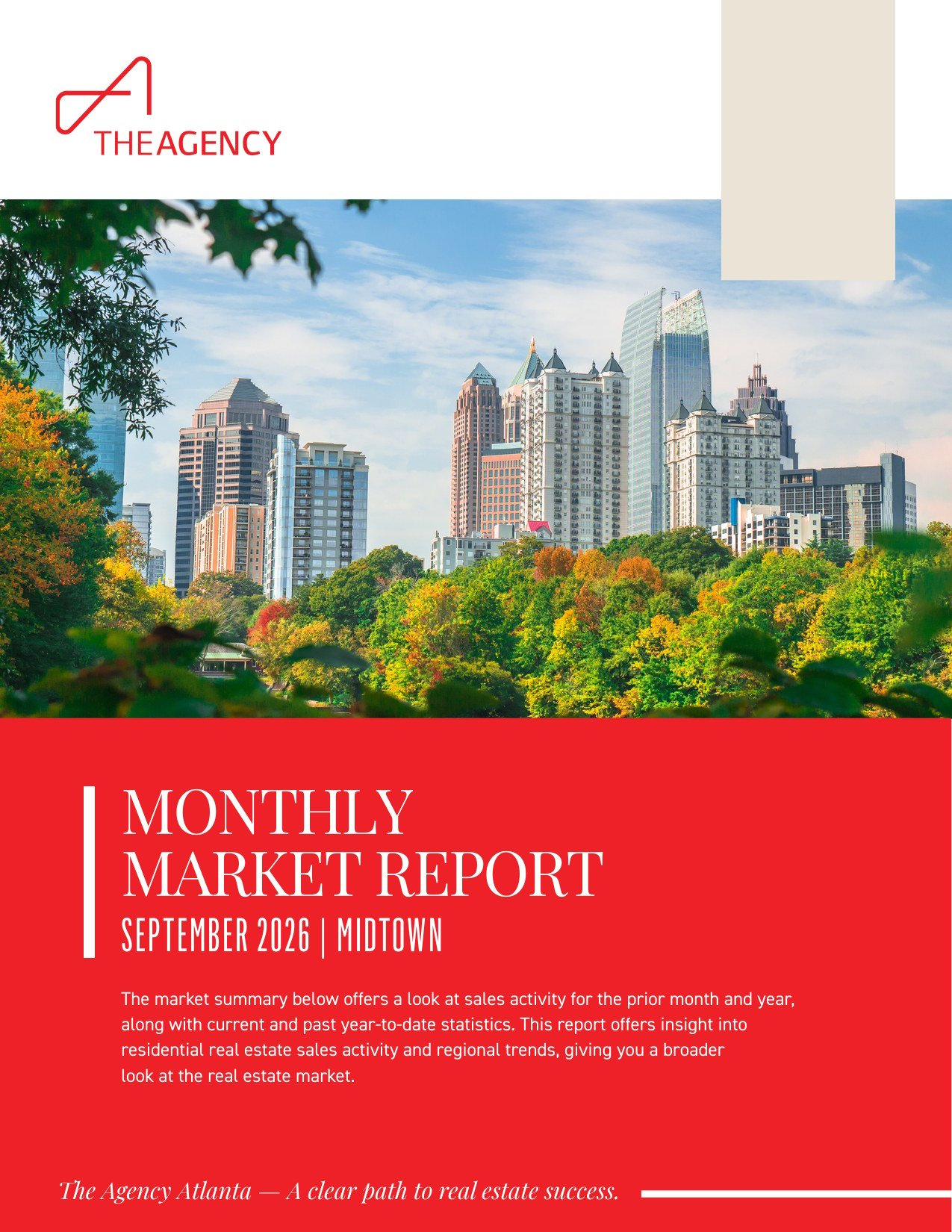
Midtown Atlanta – Known for its concentration of corporate offices, arts, dining, and high-rise condo living
-
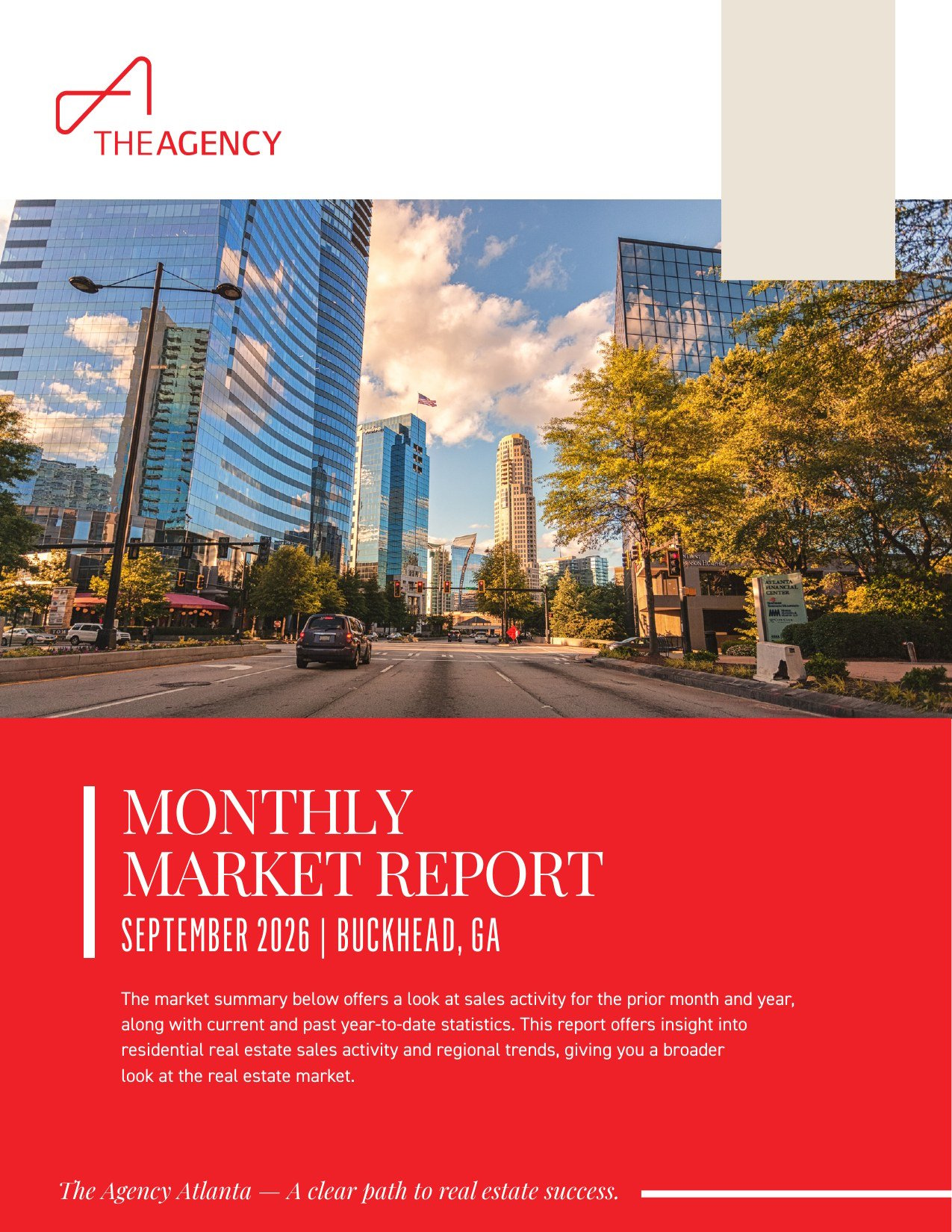
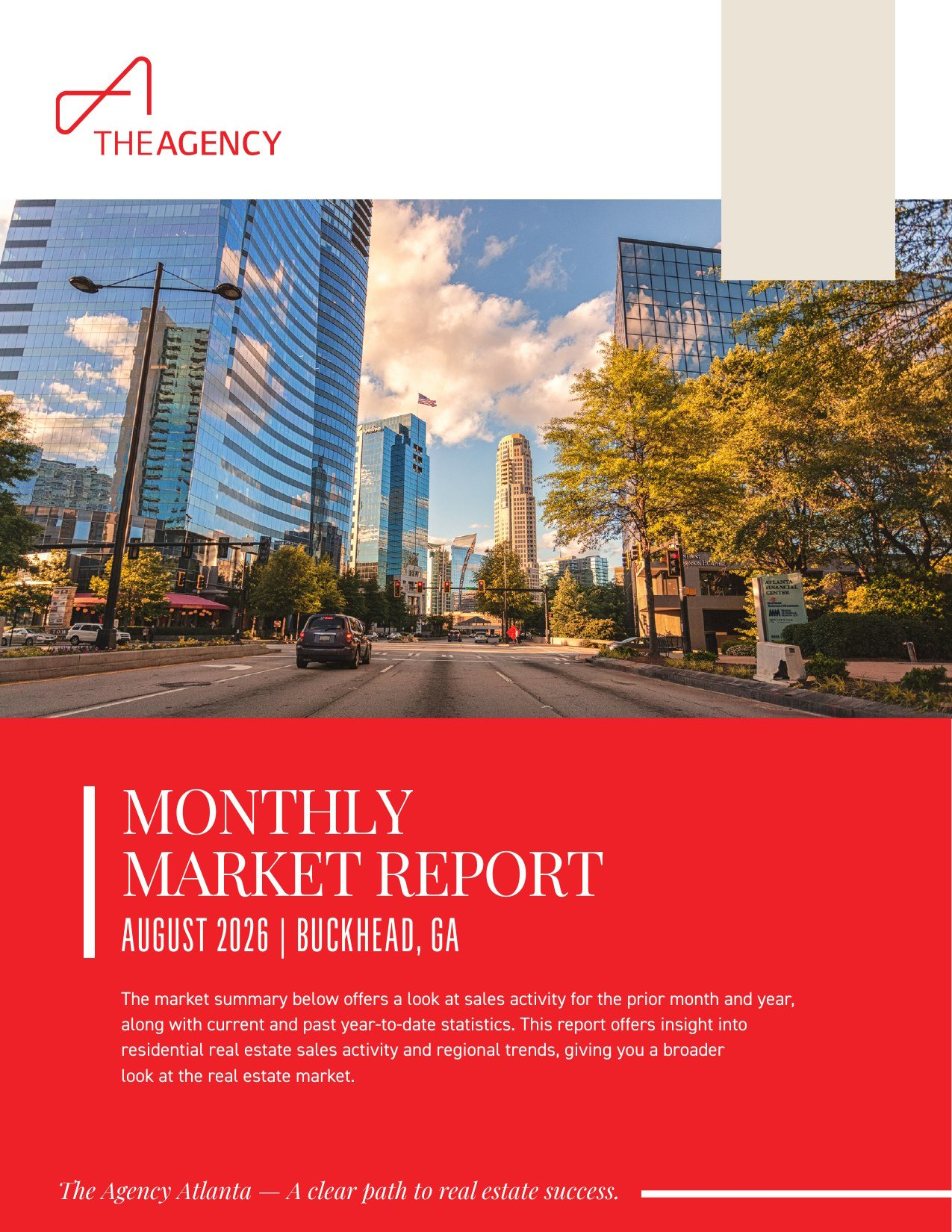
Buckhead – A blend of luxury residential, business headquarters, and retail, often favored by executives who want proximity without sacrificing privacy
-
Old Fourth Ward – Popular with founders, creatives, and tech leaders seeking adaptive reuse, trail access, and a more modern urban feel
For families and leaders prioritizing schools, space, and long-term livability, many explore northern and northwest suburbs such as:
-
Alpharetta – A major draw for tech and fintech professionals, offering strong schools and a refined suburban downtown
-
Roswell – Historic charm with modern amenities, often appealing to executives relocating with families
-
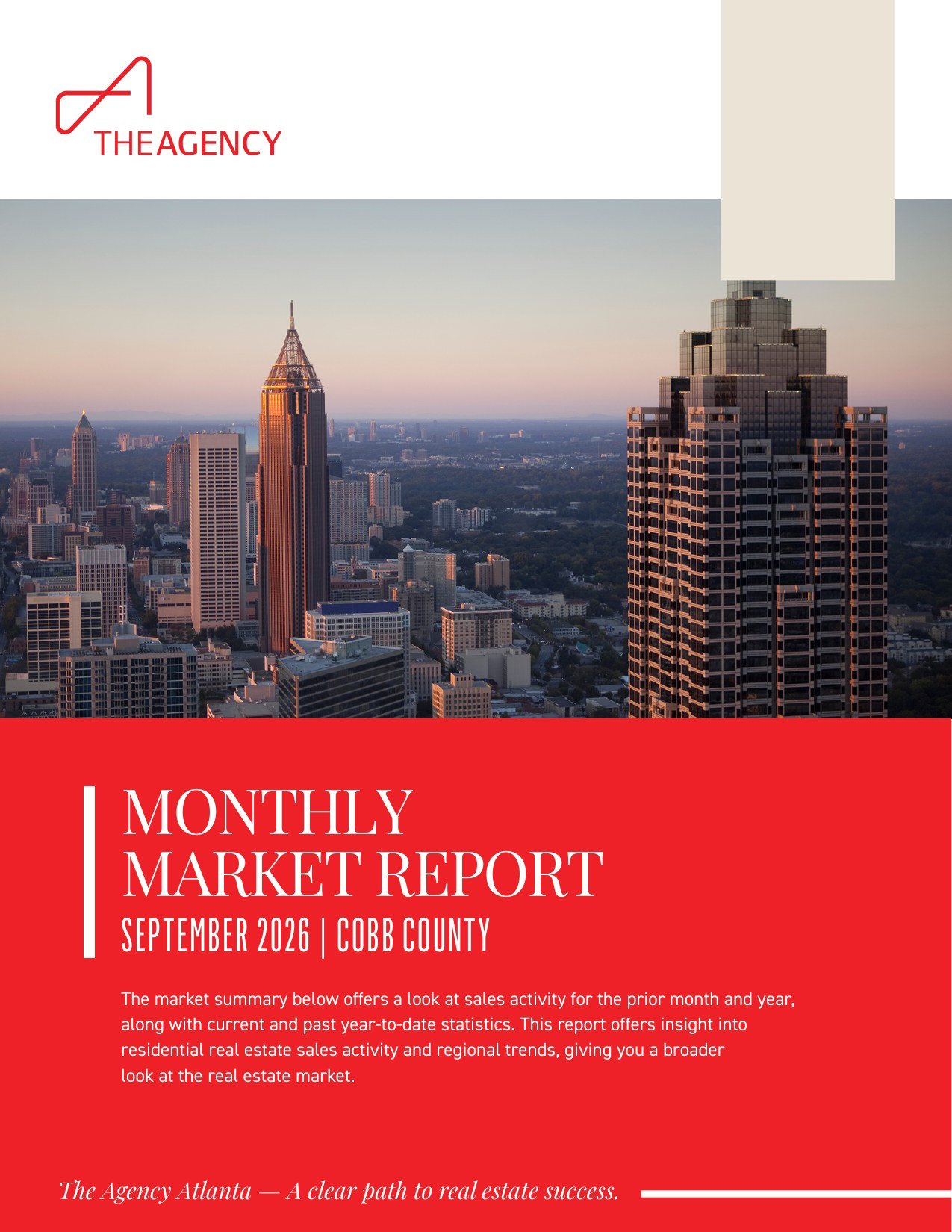
East Cobb – Known for top-tier schools, established neighborhoods, and long-term value stability
Each of these areas serves a different stage of life and career. There is no “best” only what aligns with the individual or organization’s priorities.
Why Relocation Decisions Require Local Strategy, Not Just Data
Market data tells part of the story. Lived experience fills in the rest.
Executives relocating from markets like New York, California, or Chicago often underestimate:
-
Commute pattern differences
-
School district nuances
-
The impact of zoning and development trends on long-term home values
-
How future infrastructure investments will shape specific submarkets
This is where local advisory matters. The most successful relocations happen when business decisions and lifestyle decisions are planned together—not sequentially.
Atlanta Is a Long-Game Market
One reason Atlanta continues to attract high-level talent is its ability to support career longevity. Leaders are not just moving here for their next role—they’re building the next decade of their lives.
That makes real estate decisions more strategic than transactional:
-
Where will equity grow?
-
Which areas retain value across market cycles?
-
How flexible is the property for future transitions, upsizing, downsizing, or investment use?
These are the questions experienced advisors help answer.
Staying Informed as the Market Evolves
Atlanta’s growth story is ongoing. Infrastructure expansion, corporate migration, and demographic shifts continue to reshape the metro area in real time.
For executives and employers considering Georgia, or already planning a move, staying informed is essential.
Subscribe for ongoing Atlanta market insights and relocation intelligence through Inside Georgia Real Estate, and when the time comes, connect with The Agency Atlanta for confidential relocation guidance tailored to both professional and personal goals.