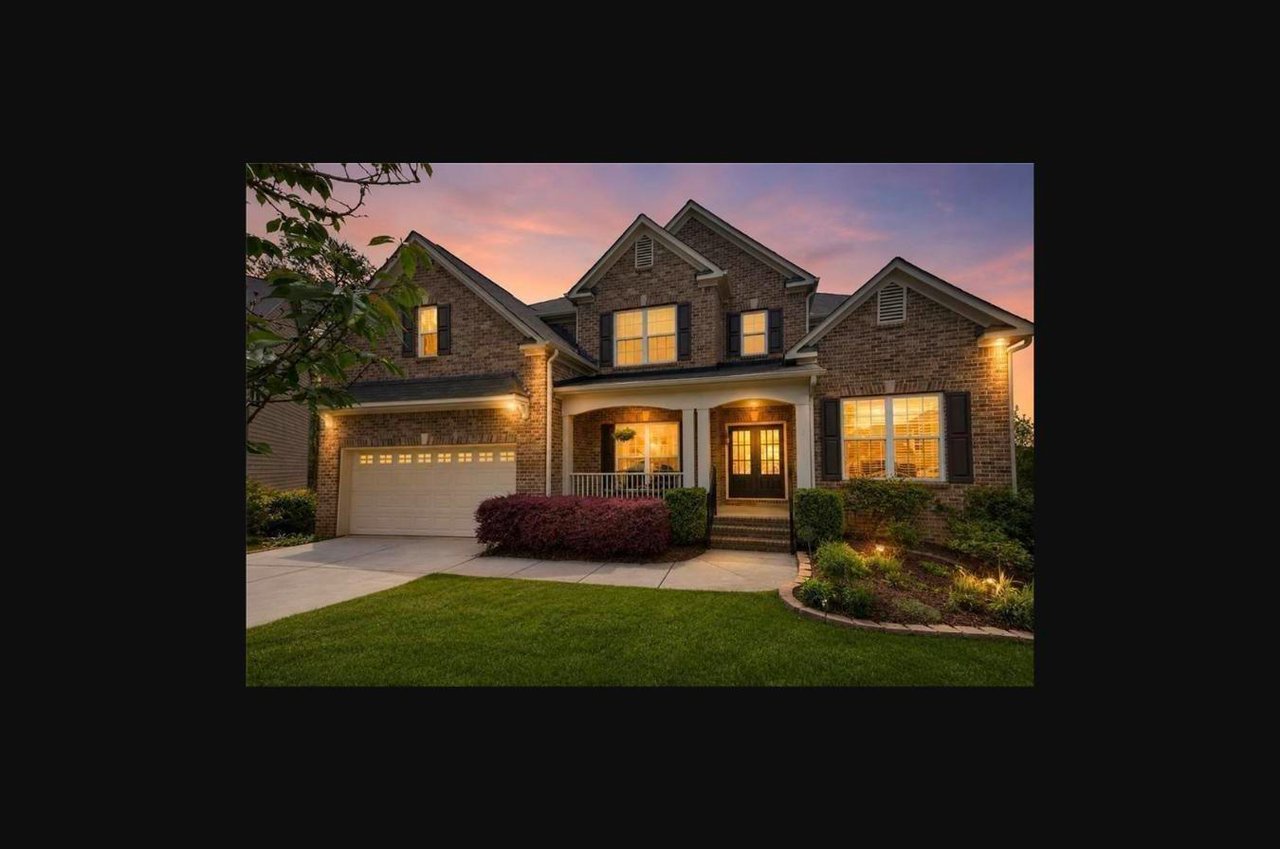
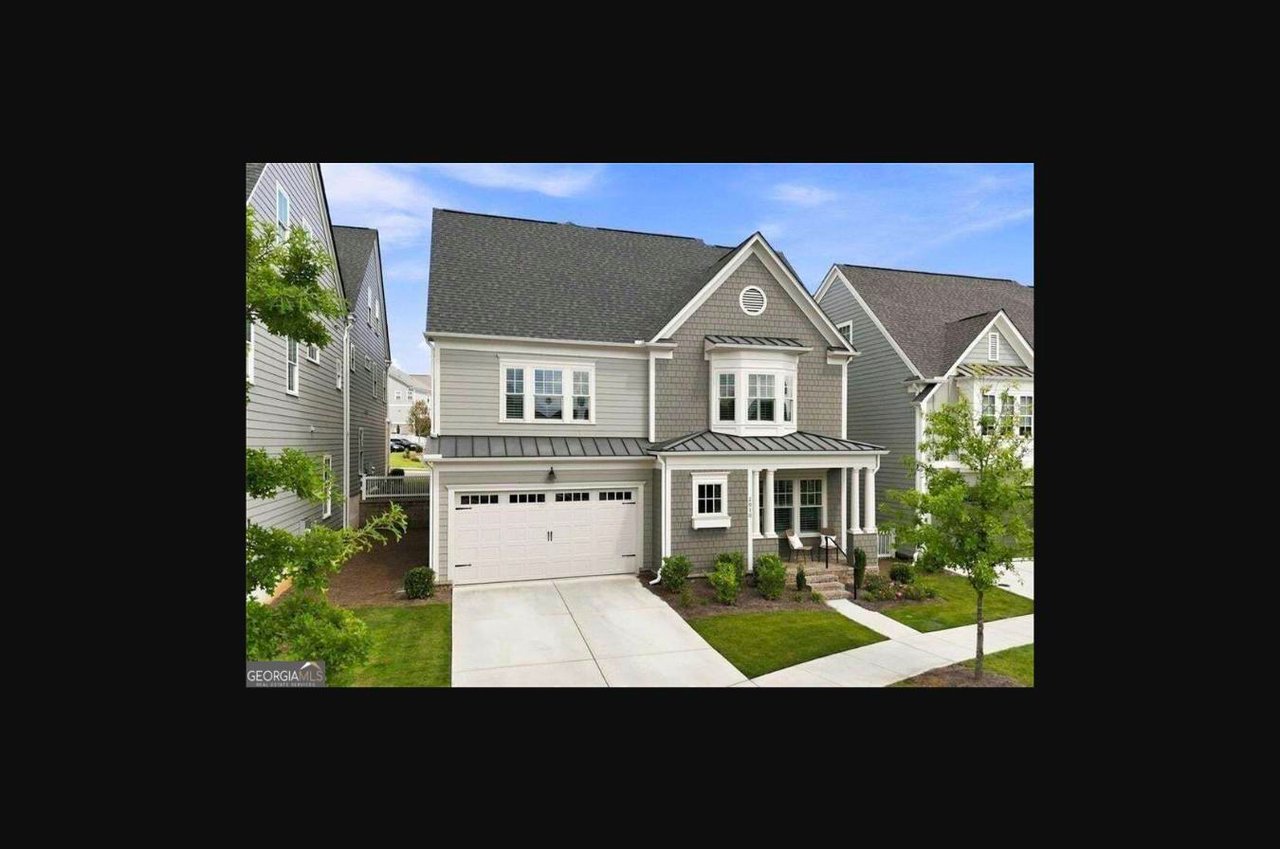
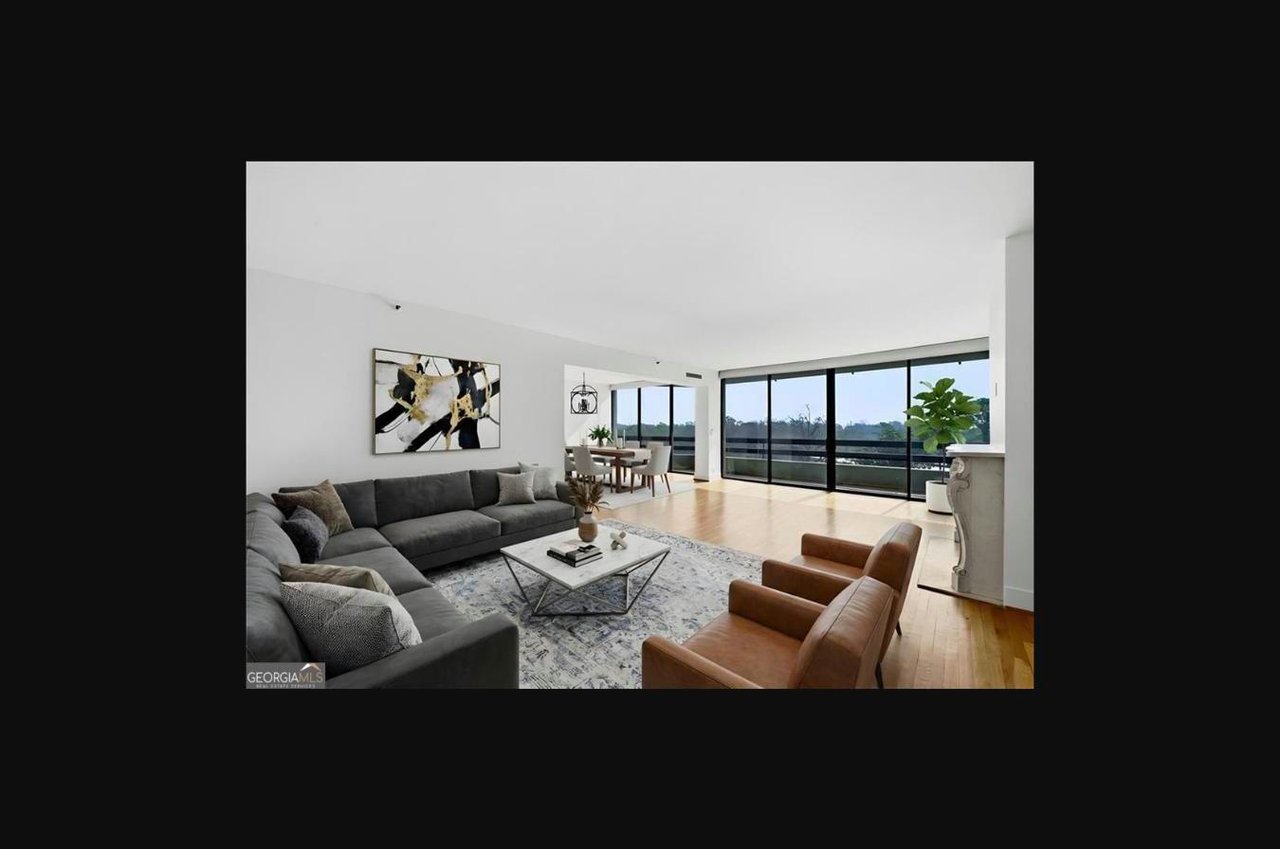
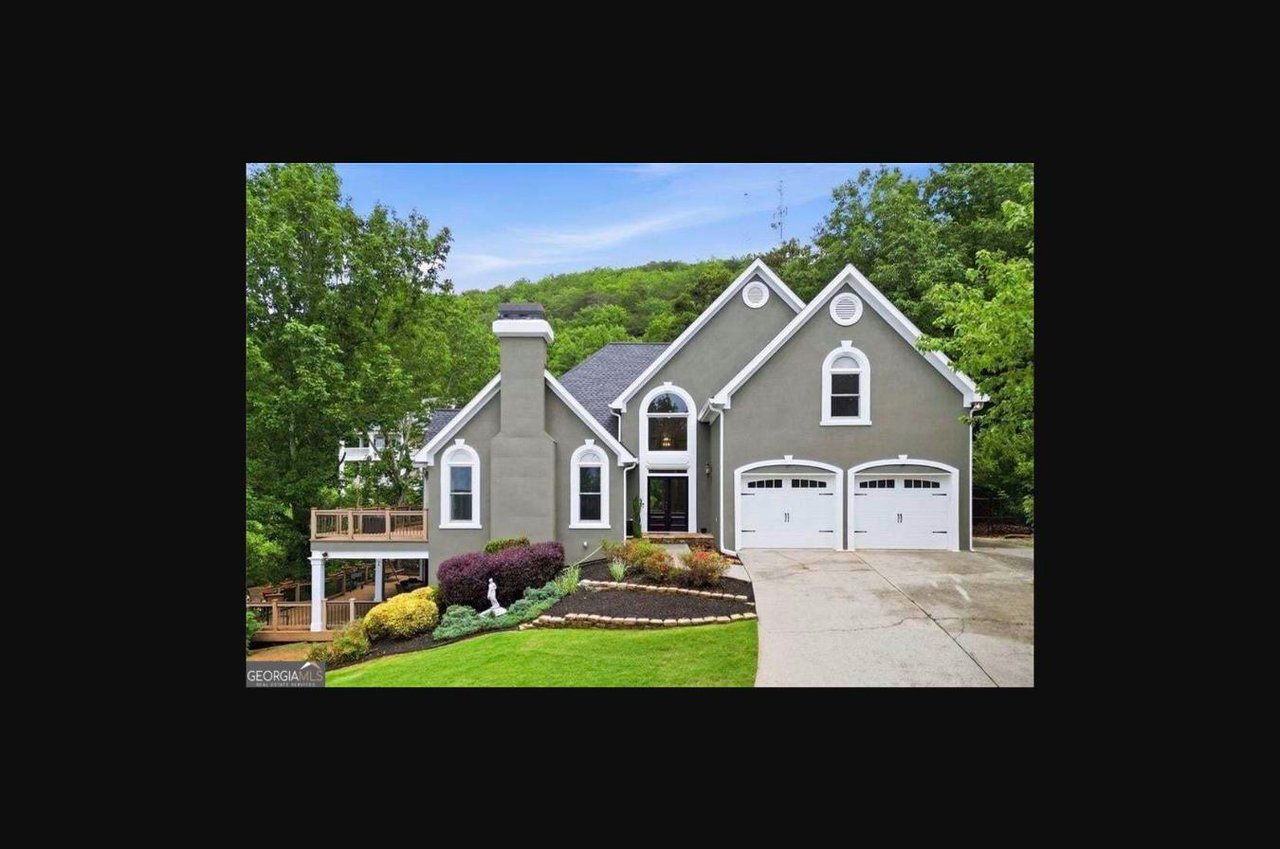
If you are buying a condo or a townhome in metro Atlanta with any thought of leasing it one day, HOA rental restrictions in Georgia belong on your due diligence list next to the inspection and the loan application. A leasing cap is a recorded, enforceable limit that can decide if you may lease the home at all, how long you wait for permission, and how large your buyer pool will be when you sell. The rules are knowable before closing.
Can an HOA stop me from renting my home in Georgia?
Yes. A Georgia community association can prohibit leasing outright or limit it sharply, and those provisions are enforceable when properly adopted and recorded. The authority comes from the recorded declaration and its amendments, not from a state statute that hands associations the power. If the documents cap leasing, the restriction runs with the property and binds you as the owner.
Georgia's Condominium Act, at O.C.G.A. 44-3-76, requires every unit owner and occupant to comply with the condominium instruments and with reasonable rules adopted under them. It allows the association to sue for damages or injunctive relief and, to the extent the instruments provide, to impose fines. Georgia association attorneys note that courts here have upheld enforcement of leasing provisions through fines. One clarification before going further: this article covers long-term leasing restrictions in association documents, a separate question from city short-term rental licensing.
Where leasing restrictions actually live
Leasing language sits in three places, and a buyer who reads only one can miss the operative rule. The first is the original declaration of covenants or condominium declaration. The second is every amendment recorded afterward, which is where most caps are added years after a community is built. The third is the rules and regulations, which handle the lease application, the signed lease due to the manager, and tenant registration. Under O.C.G.A. 44-3-93, a condominium amendment becomes effective only when recorded, so the county records are the source of truth.
What is a rental cap and how does a waiting list work?
A rental cap limits the share of homes that may be leased at any one time. Georgia association attorneys describe caps commonly running from five to fifteen percent, and sometimes twenty-five percent or more. Owners apply for permission, boards approve on a first come, first served basis, and once the cap is full, the next applicants go on a waiting list until an existing leased home returns to owner occupancy.
That queue is the part buyers underestimate. No statute sets the order or the wait; the mechanics come from the amendment and from board policy adopted under it. A rental cap in an Atlanta condo building that allows twenty percent of one hundred units means twenty leases, and if nineteen are held by owners who will not sell soon, the practical availability is one.
The restrictions that usually travel with a cap
Caps rarely appear alone. A minimum lease term, often thirty days, is common and holds down turnover. Some communities require an owner to live in the home for at least twelve months before qualifying to lease, which matters if your plan was to buy and place a tenant immediately. Most amendments also include a hardship exception at the board's discretion, with examples such as active military deployment or an inability to sell after a defined period on the open market.
How do I find out a community's leasing rules before I buy?
Request the complete recorded document set and the association's current lease count in writing, early in your due diligence period. That means the declaration, every recorded amendment, the bylaws, the current rules and regulations, the budget, and a written statement of how many homes are leased today and how many owners are waiting. Then have your closing attorney confirm what is actually recorded in the county records.
Order the documents through the listing agent and the management company when you order the closing letter. Georgia's Condominium Act gives a person under contract to purchase a unit the right, on request, to a statement of assessments past due and unpaid, which the association must furnish within five business days. That statute addresses money owed, not lease counts, so the leased total and the waiting list length are items you ask for directly, in writing. The same discipline applies to other association exposures, which is why we walk through the document request in our guide to selling an Atlanta condo with a pending HOA special assessment.
Ask for the count, not just the percentage
Four questions produce most of the clarity. How many homes are leased right now. What the cap allows in raw numbers. How many owners are on the waiting list. And how the association counts homes leased under grandfathered rights, since those may or may not count against the cap.
Can a community add a rental restriction after I buy?
Yes. Georgia communities amend their declarations regularly, and a properly adopted, recorded amendment reaches owners who bought before it passed. Under O.C.G.A. 44-3-93, condominium amendments generally require owners holding two-thirds of the association vote, and no amendment may require approval of owners holding more than 80 percent. Communities submitted to the Property Owners' Association Act commonly use a two-thirds threshold as well.
Association counsel point out that O.C.G.A. 44-5-60, which otherwise limits how long covenants last, does not apply to documents submitted to the Property Owners' Association Act or the Condominium Act. That is why leasing amendments in these communities reach all owners. O.C.G.A. 44-3-93 also makes an amendment presumed valid if a challenge is commenced more than one year after recording.
Grandfathering is narrower than buyers assume
Georgia added a statutory protection for Property Owners' Association Act communities effective January 1, 2021. O.C.G.A. 44-3-226 provides that an amendment cannot prohibit or restrict a lot already leased under an initial term of six months or longer from continuing to be leased, but on a conveyance for value, defined as a transfer for consideration of $100.00 or more, the lot must conform to the amended instrument. The protection typically ends at the closing table, so a seller's ability to lease generally does not transfer to you. Counsel also note that this statutory grandfathering covers Property Owners' Association Act communities and not condominiums. Many amendments carry their own grandfathering language, so ask your closing attorney to read the specific amendment.
How do leasing caps affect financing and resale?
A cap changes who can buy. It narrows the pool toward owner occupants and toward investors willing to sit on a waiting list, and it puts the association's documents and finances inside the lender's project review. National project standards also moved in 2026, so the rules a lender applied two years ago may not be the rules in force now. Your lender is the only correct source for how a specific building underwrites.
Community Associations Institute reported on March 18, 2026 that Fannie Mae retired the long-standing 50 percent investor concentration limit for established condominium projects under full review, while individual lenders may still apply their own requirements. The same update flagged that the limited review process is eliminated for loans with application dates on or after August 3, 2026, and that the minimum reserve funding requirement rises from 10 percent to 15 percent of the annual budget effective January 4, 2027. Our Atlanta luxury condo buyer and investor guide covers how building-level approval sits alongside borrower-level approval.
What a cap does to the buyer pool at resale
Redfin reported an Atlanta median sale price of $427,467 in August 2026, up 9.1 percent year over year, with a median 57 days on market and 1,723 homes sold. Statewide, Georgia Association of REALTORS market indicators for August 2026 showed a median sales price of $355,580, 58 days on market and 5.1 months of supply. In Midtown Atlanta, Redfin reported a median sale price of $372,373 over the three months ending July 2026, down 2.0 percent year over year, with a median 75 days on market. When supply is ample and marketing times run longer, a restriction that removes investor buyers is a real variable in a pricing conversation. A cap can also cut the other way by supporting owner occupancy. This is analysis of the mechanics, not a forecast.
What SB 406 changes, and what it does not
Georgia's Property Owners' Bill of Rights Act, Senate Bill 406, was signed on May 12, 2026. Most of it takes effect January 1, 2027, with Section 7, covering attorney's fees and judicial review, effective July 1, 2026. It does not create or remove leasing restrictions. What it does is make association documents and conduct easier to examine.
Beginning January 1, 2027, associations must register annually with the Georgia Secretary of State, filing a registration statement with the association's name, address and officers, the governing documents, and a financial statement no more than one year old. An association that fails to register loses the ability to assess or collect fines and fees. The Act includes an enumerated owners' bill of rights covering inspection and copies of association records, plus a complaint process allowing an owner to file with the Secretary of State within 180 days. The Georgia Secretary of State's Property Owners' Associations Division confirms its Securities and Charities Division takes oversight of SB 406 effective January 1, 2027. For background on the earlier reform effort, see our post on Georgia's homeowners bill of rights and the future of HOA regulation.
FAQ
Can I rent out my townhome if the HOA has a cap? Only if the cap has an opening and you meet every condition in the amendment, which may include a minimum owner-occupancy period and a minimum lease term. Ask the manager in writing for the current leased count, the cap in raw numbers, and the waiting list length before your due diligence period ends.
Does a short-term rental license change a leasing restriction? No. A municipal license and a private recorded covenant are separate systems, and a city license does not override a restriction in your association's declaration.
What happens if I lease the home in violation of the documents? Under O.C.G.A. 44-3-76 the association may pursue damages, injunctive relief or other remedies, and may impose fines to the extent the instruments allow. Your closing attorney is the right person to assess a specific situation.
Who should read the documents before I close? Your closing attorney reads the recorded declaration and amendments and tells you what binds you. The association's manager confirms the current lease count and waiting list. Your lender explains how the project underwrites for your loan type.
Conclusion
A leasing cap is one of the few condo and townhome issues that is fully verifiable before closing and nearly impossible to fix afterward. Read the declaration and every recorded amendment, get the current leased count and waiting list in writing, ask your lender how the project reviews, and let your closing attorney interpret the language. If you are weighing a metro Atlanta condo or townhome and leasing is part of your plan, contact The Agency Atlanta for a conversation about your situation.