Woodstock Mayor Michael Caldwell sat down with Deborah Morton on Inside Georgia Real Estate for a conversation about the issue he calls the most important one facing the country: access to homeownership. The discussion moved from national housing history to Metro Atlanta's housing numbers, then to how Woodstock has grown, how the city plans, and how its property tax approach is built to help residents keep the homes they own. Here are the key takeaways for anyone buying, selling or living in Woodstock and Cherokee County.
Who Is Woodstock Mayor Michael Caldwell?
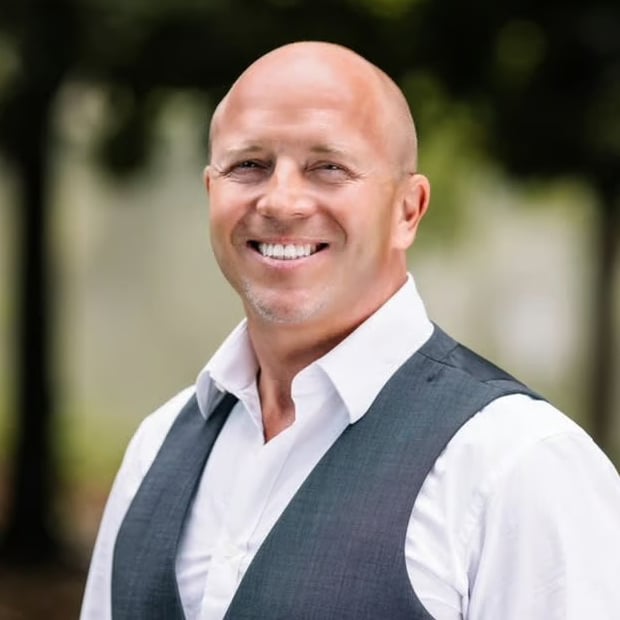
Caldwell has called Cherokee County home since first grade. He married his high school sweetheart and earned a finance degree from Kennesaw State University, graduating into the Great Recession. He then spent his career in the private sector. In 2011 he and a handful of partners started a safety equipment company that was acquired by 3M in 2015, and he now co-owns a Woodstock-based software company with about 30 full-time employees across nine states.
His public service record is just as extensive. Caldwell served eight years in the Georgia House of Representatives and was the youngest state legislator in the country when first elected. According to the City of Woodstock, he is the city's 31st mayor, serves as Vice Chairman of the Atlanta Regional Commission and sits on the board of the Georgia Technology Authority.
Why Does Caldwell Call Homeownership the Most Important Issue?
Caldwell opened with a clear position. Affordable homeownership, in his view, is more than a kitchen table topic. He described it as a national security issue that the country's future depends on, and one that will not be solved in Washington. He believes it gets solved at the local level, municipality by municipality and neighborhood by neighborhood.
How Homeownership Built the Middle Class
Caldwell pushed back on the idea that the American middle class happened naturally. He called it the largest public-private partnership in the country's history. After World War II, every level of government pulled in the same direction:
- Federal policy supported mortgage interest rates and the GI Bill opened homeownership to returning service members
- State tax law rewarded owning a home
- Local zoning encouraged housing built for ownership
With those pieces aligned, the private sector built more housing in a shorter period than anywhere in history. Caldwell connected that building boom directly to the largest expansion of the middle class the world has seen, because it put the average American into a home they owned.
A Generation Earning More and Owning Less
Caldwell pointed to a first in American history: a generation that earns more than its parents did yet holds less wealth. He was candid that older generations did not simply save better. Most of them bought homes shortly after college. Many of today's young adults graduated into the Great Recession, were told to rent until the market settled, and are now 15 years into their careers trying to get in.
The data backs up the conversation. The National Association of Realtors 2025 Profile of Home Buyers and Sellers put the median age of first-time buyers at 40, a record high, with first-time buyers making up just 21 percent of all purchases.
What Do the Numbers Say About Metro Atlanta Housing?
Bringing the conversation home, Caldwell described Metro Atlanta as an in-demand region, which he called a good problem to have. The Atlanta Regional Commission forecasts that the 21-county region will reach 7.9 million people by 2050, an increase of 1.8 million over the 2020 Census, with Cherokee County among the fastest growing counties in that forecast.
Caldwell shared several figures that show the scale of the gap:
- The core five counties, not counting Cherokee, face a housing deficit of about 350,000 units
- Roughly 15,000 units were added in the most recent year, about 10,000 of them in the City of Atlanta
- That new supply was apartments, which he noted does little for the fee simple ownership conversation
His conclusion: regional leaders are working hard just to meet overall housing demand, and the harder challenge is creating attainable inventory people can own.
Do Younger Buyers Really Not Want to Own?
Deborah noted that many young adults feel pessimistic about financing and their economic future, and some say they have no interest in buying at all.
Caldwell urged caution about mixing two separate issues. Younger adults do face real economic uncertainty and frustration with a financing market that did not match what they expected coming out of school. That is different from having no interest in owning. As he put it, when consultants say Gen Z does not want to own a home, what they are describing is necessity, not preference. He added that every American generation, given the opportunity to own, has chosen to own, and he sees access and attainable inventory as the two problems to solve.
How Has Woodstock Grown Without Losing Its Character?
Caldwell described Woodstock as one of the most vibrant cities in Georgia. The city has about 43,000 residents today and ranks around 20th in size statewide, up from roughly 4,500 people in 1990. That tenfold growth happened within much the same geographic footprint. He shared that business revenues in the city roughly doubled over about five years, from about $2.7 billion to $5.1 billion, and he credited a culture of telling entrepreneurs yes.
A Downtown Built for Living
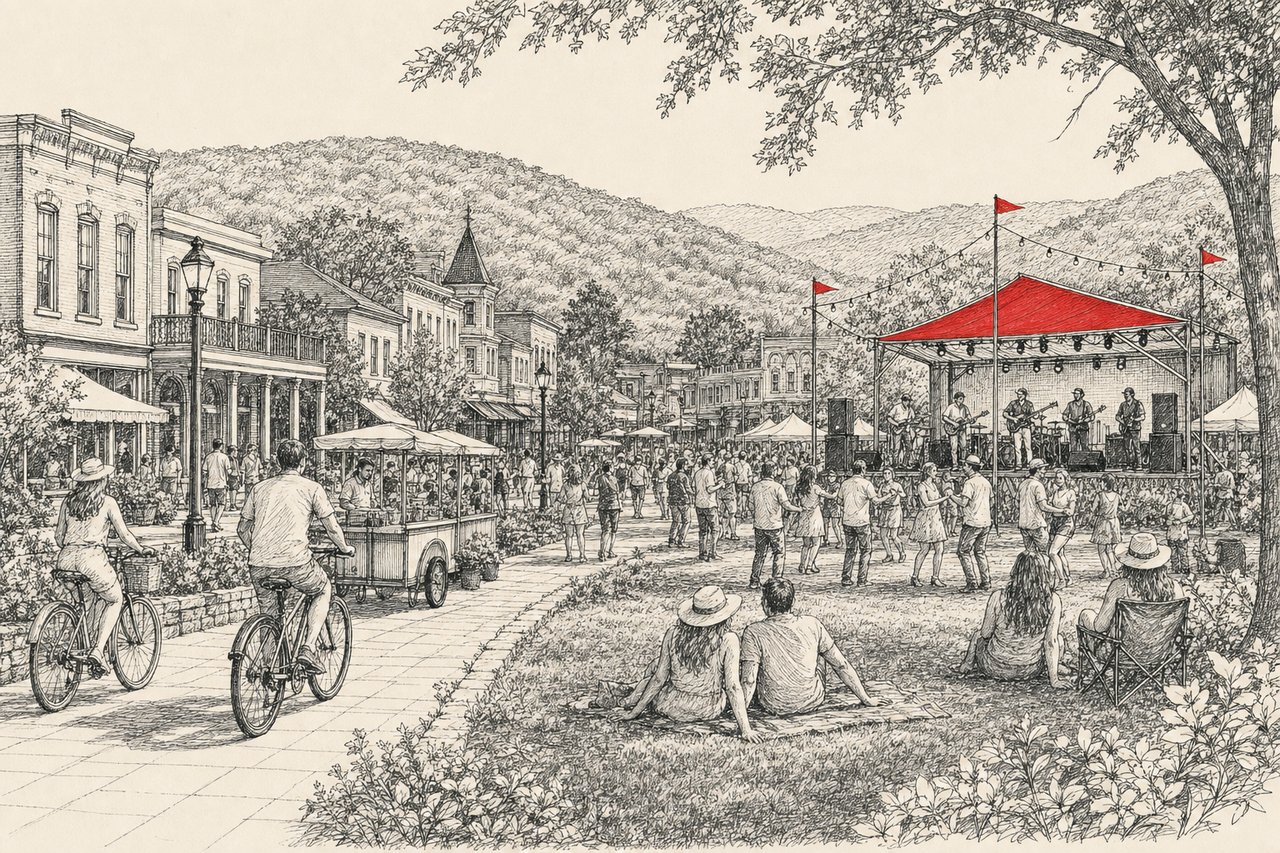
Caldwell wants a Main Street where people live, gather and spend their days rather than one filled with government offices. Downtown now has more than 40 bars and restaurants within walking distance, and walkability is the first thing he hears from people moving to Woodstock. His summary for newcomers: if you like beer, art and balanced budgets, you will love Woodstock. For a closer look at the downtown experience, see our guide to why downtown Woodstock has become a walkable destination.
Where North Georgia's Trails Meet
Caldwell said the Atlanta Regional Commission has called Woodstock the spaghetti junction of trail systems. The city's Greenprints network is built on 10-foot-wide paved, multiuse trails, and he said Woodstock is building more trail than any other city in the region. The plan connects Woodstock to Roswell, Alpharetta, Ball Ground, Canton, Holly Springs and Powder Springs, making the city the point where those regional trails meet. The Noonday Creek Trail extension links downtown to Cobb County's Noonday Creek Park and on to the Silver Comet Trail, which means a rider can travel from downtown Woodstock all the way to Alabama. Explore more in our overview of outdoor recreation in Woodstock.
A Summer Concert Series Other Cities Are Copying
Caldwell said Woodstock now hosts the largest free summer concert series in the Southern United States. One show drew about 16,400 people to an amphitheater originally built for 7,500, and nearby cities have taken notice. He described the series as a true civic asset where neighbors from every walk of life share the same lawn.
How Does Woodstock Plan for Growth?
Caldwell was quick to share credit. He said the downtown Woodstock of today was about 25 years in the making and involved a lot of people. One catalyst was the Atlanta Regional Commission's Livable Centers Initiative, a program that funds planning so cities can map out what redevelopment could look like before it happens. Caldwell said Woodstock was one of the first two or three cities in the state to take part.
As Vice Chairman of the ARC, Caldwell explained the commission's role in plain terms. It brings the region's city and county governments together and handles federal funding and transportation projects across Metro Atlanta. If you have seen an orange cone on a metro Atlanta road, that project came through the ARC.
Planning also shapes how Woodstock and Cherokee County work together. Residents want a county with a rural feel alongside vibrant city centers with grocery stores, services and fiber internet. Caldwell said the answer is a strong city and county relationship. In his first 100 days in office, the city and the Cherokee County Board of Commissioners reached a growth boundary agreement. The city does not sprawl indefinitely, growth is directed into the city, and the county can maintain its rural areas. He said there has not been a dispute since.
He also noted that the city has made the largest investment in its history in infrastructure, public services and parks over roughly the last five years, while also cutting property taxes by 15 percent.
How Does Woodstock Help Homeowners Stay in Their Homes?
Property taxes were the final topic, and Caldwell tied them directly back to homeownership. His goal is for no one to be taxed out of a home they own. He believes that if a property can be taxed away from you, you are really just paying the government rent.
Woodstock's answer is a 100 percent senior exemption from city property taxes for homeowners who are 62 or older and have held a homestead exemption for at least five years. The idea, as Caldwell put it, is that residents pay a fair share over time and then get to own their homes outright. He said Cherokee County and the local legislative delegation have since taken a similar approach for school taxes. Exemptions are filed with the Cherokee County Tax Assessors office, which can confirm current eligibility rules and filing deadlines. Homeowners elsewhere in the metro can review our guide to Georgia homestead and floating homestead exemption deadlines.
Caldwell added that the city's tax rate is now the lowest it has been in at least 30 years. He credited a growing local economy for making that possible and said keeping costs in check allows the city to keep lowering the burden on residents.
What This Conversation Means for Woodstock Buyers and Sellers
For buyers, the episode offers useful context on the factors that shape daily life and ownership costs in Woodstock: a walkable downtown, a growing regional trail network, a clear growth boundary with the county and a property tax structure designed with long-term owners in mind. First-time buyers can start with our overview of first-time homebuyer programs available in Georgia.
For sellers, the same features are worth understanding when preparing a listing, since walkability and trail access are among the first things people moving to Woodstock ask about. Our Woodstock neighborhood page covers the area in more detail.
Frequently Asked Questions
Who is the mayor of Woodstock, Georgia?
Michael Caldwell is the 31st mayor of Woodstock. He previously served eight years in the Georgia House of Representatives and is Vice Chairman of the Atlanta Regional Commission.
What did Mayor Caldwell say about affordable homeownership?
He called access to homeownership the most important issue facing the country and said it will be solved at the local level, city by city and neighborhood by neighborhood, through more attainable owned inventory and better access for buyers.
Does Woodstock connect to the Silver Comet Trail?
The city's Noonday Creek Trail extension links downtown Woodstock to Noonday Creek Park in Cobb County, which connects to the Silver Comet Trail. Check the City of Woodstock for current trail status.
Does Woodstock offer a senior property tax exemption?
Yes. Woodstock offers a 100 percent exemption from city property taxes for homeowners 62 and older who have held a homestead exemption for at least five years. The Cherokee County Tax Assessors office handles filings and can confirm eligibility.
Where can I watch or listen to the full conversation?
The episode is available from Inside Georgia Real Estate, hosted by Deborah Morton. The next part of the conversation looks at what is coming for Woodstock and Cherokee County.
Thinking about buying or selling a home in Woodstock or anywhere in Cherokee County? Contact The Agency Atlanta to talk with an agent who knows the area.