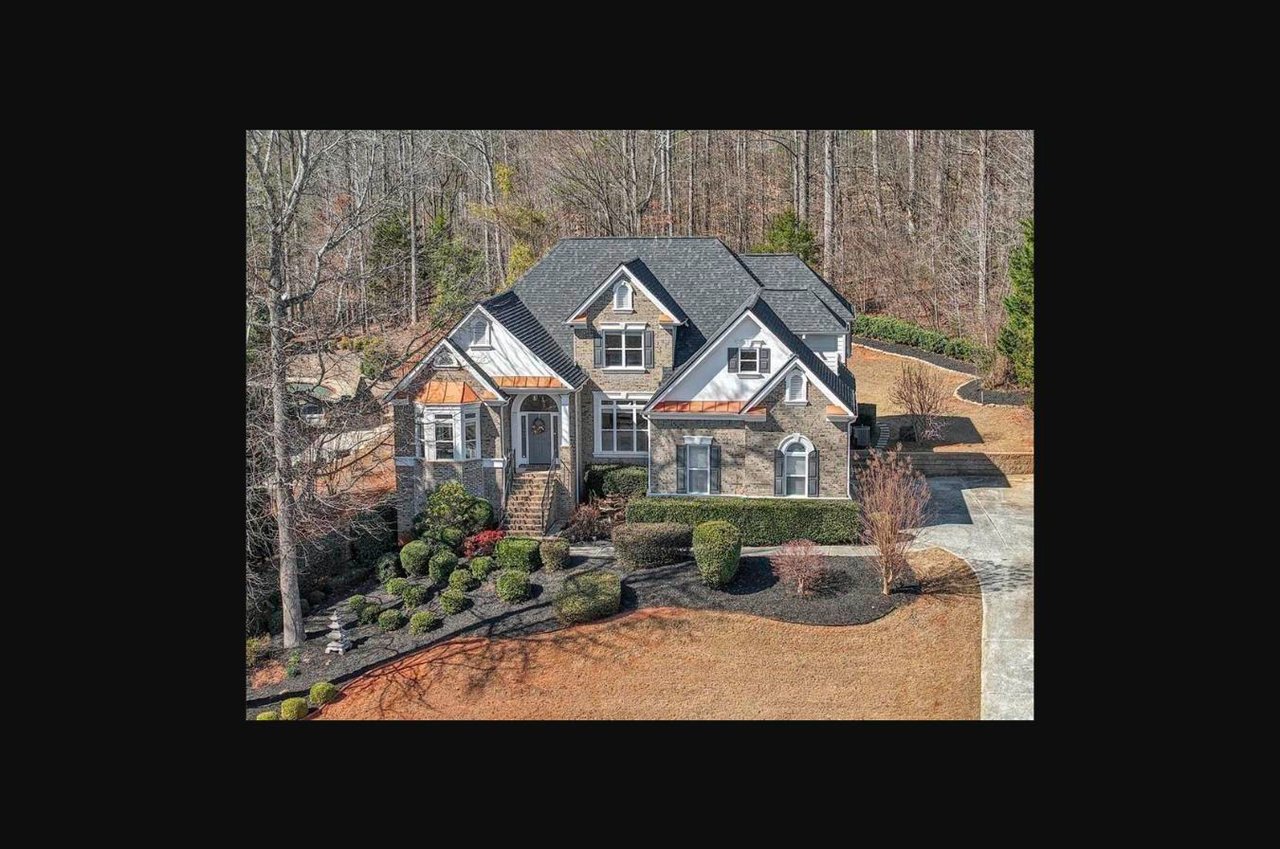
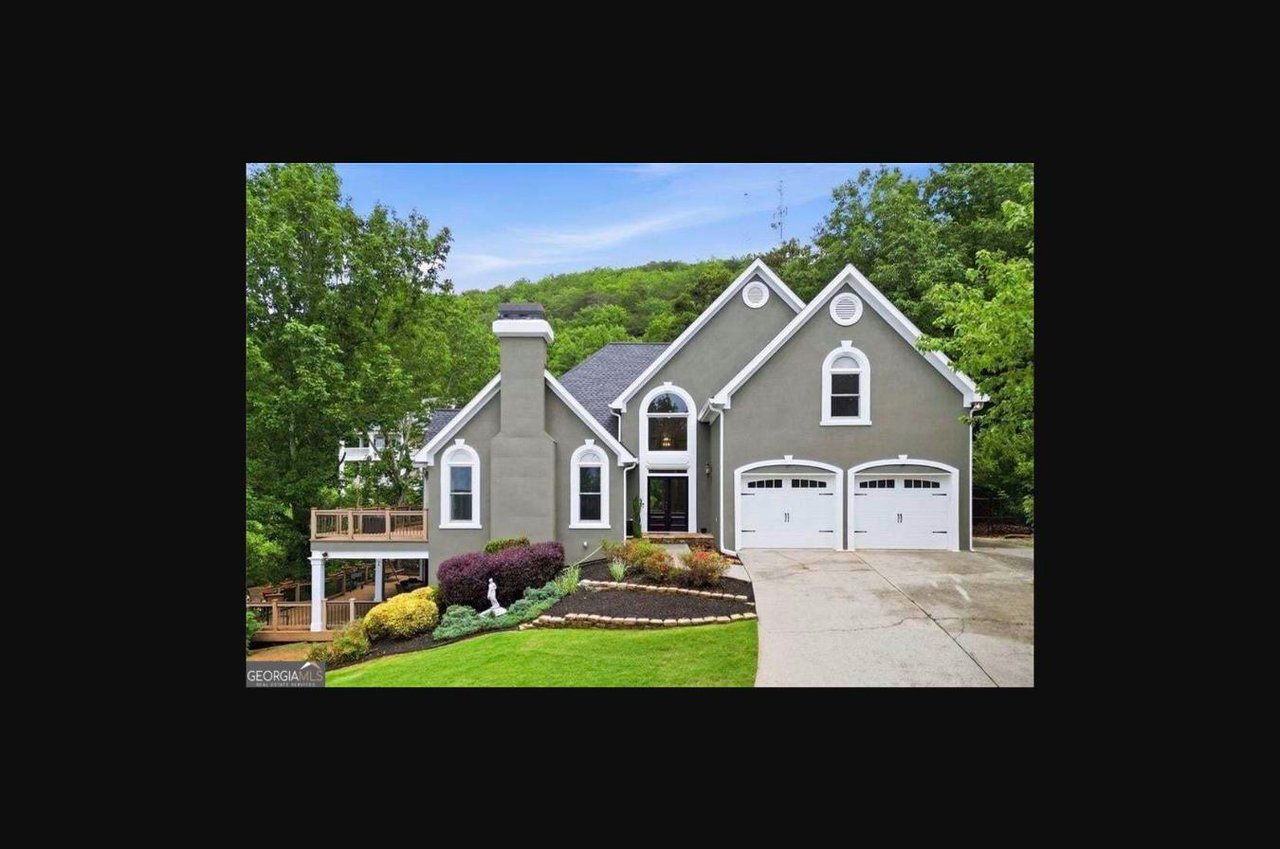
Anyone searching for an Atlanta tree removal permit before selling a house usually starts from the same place: a large tree sits too close to the driveway, blocks the front elevation, or stands where a renovation needs to go, and the listing date is already circled on the calendar. In the City of Atlanta, that tree is very likely protected, and taking it down without a permit is both a fine risk and a timeline risk. The rules were rewritten for 2026, and the cost of removing a healthy protected tree is now set by a per-inch formula that surprises most homeowners the first time they see it.
This is a process guide, not legal advice. It covers what the ordinance requires, what the City charges, how long the steps take, and how to fit that into a fall listing or renovation schedule.
Do I Need a Permit to Remove a Tree in Atlanta?
In the City of Atlanta, a permit is required to remove, destroy, or injure any hardwood tree six inches or larger in diameter measured at breast height, and any pine 12 inches or larger, even on private property. Any size tree on public property or in the right of way also requires a permit. The ordinance protects trees by size, not by condition.
The Six-Inch and 12-Inch Diameter Thresholds
Diameter at breast height, usually abbreviated DBH, is measured 4.5 feet above the ground. Hardwoods cross the permit threshold at six inches DBH. Pines cross it at 12 inches. A tree below those thresholds is generally exempt, which is why a young ornamental in a front bed rarely triggers anything while a mature oak almost always does. The City of Atlanta 311 knowledge base confirms the thresholds and the measurement height in its guidance on private property tree removal.
One useful exception: no permit is required to remove a tree that has already fallen. Storm cleanup of a downed tree is not a permitting event. A leaning tree that is still standing is a different matter and should go through the process described below.
What Changed on January 1, 2026
Phase 2 of Atlanta rewritten Tree Protection Ordinance took effect January 1, 2026. The headline change for homeowners is the recompense fee, now set at $140 per diameter inch when a healthy protected tree is removed and not replaced with approved plantings. The City has continued active enforcement of the permit and recompense rules through 2026, which makes this a live cost item for anyone doing pre-listing landscaping or an addition this year.
How Much Does It Cost to Remove a Large Tree in Atlanta Legally?
Two separate costs apply. The City recompense fee for removing a healthy protected tree without approved replacement is $140 per diameter inch as of January 1, 2026. Separate from that, the tree service itself charges market rates that generally run about $300 to $800 for small trees, $800 to $1,800 for medium trees, and $1,800 to $4,000 or more for large trees.
The $140-Per-Inch Recompense Fee
The math scales quickly because it is tied to trunk diameter, not to tree count. A 24-inch oak carries a recompense figure of roughly $3,360 at the 2026 rate before a tree service quote is even considered. A 36-inch specimen is materially higher. Because the fee applies to healthy protected trees removed without approved replacement plantings, a replanting plan is the main lever a homeowner has to reduce it. The Arborist Division is the office that confirms what replacement is acceptable on a specific lot.
Typical Arborist and Removal Costs by Tree Size
Market removal costs sit apart from City fees and vary with access, proximity to structures, and disposal. Small trees generally fall in the $300 to $800 range, medium trees in the $800 to $1,800 range, and large trees at $1,800 to $4,000 and above. A seller budgeting for curb appeal work should treat the recompense fee and the removal quote as two separate lines, because underestimating the first is what turns a $2,000 landscaping plan into a $6,000 one.
Can I Remove a Tree Before Selling My House in Atlanta Without a Permit?
Not if the tree is protected by size. Unpermitted removal of a protected tree can trigger fines starting at $1,000 or more depending on the size and type of tree. A code enforcement matter opened during a listing period is exactly the kind of item that complicates a smooth path to closing, so the permit route is both the compliant path and the faster one in practice.
What Is a DDH Tree and Does It Still Need a Permit?
DDH stands for dead, dying, diseased, or hazardous. Trees in that category still require a permit in the City of Atlanta, but the recompense fee is waived. The distinction matters financially: the permit is the constant, and the fee is what changes based on the condition the City Arborist confirms during inspection.
How the DDH Determination Is Made
The City Arborist Division makes the call, not the homeowner and not the tree service. That is why the free inspection described below is the first step rather than an optional one. A homeowner who removes a declining tree first and asks later has no confirmed determination on record and no fee waiver to point to.
Documentation Needed for Emergency Removals
Emergency removals involving an imminent hazard can proceed without prior approval, but the documentation requirements are strict. Photographs of the condition must be taken before removal, the City must be notified, and an after-the-fact permit must be filed within five business days. Skipping the photos is the most common way homeowners lose the ability to justify an emergency removal after the fact.
What Is the Permit Process Step by Step?
The core sequence is short: request an inspection from the Arborist Division, receive the inspection report, submit the permit application, and complete any required replanting or recompense. Arborist inspections are free of charge and are generally completed within about five business days of the request, which makes the process predictable enough to schedule around.
Requesting an Arborist Division Inspection
The Arborist Division sits within the Department of City Planning and can be reached at [email protected] or 404-330-6874. The office is located at 55 Trinity Ave. SW in Atlanta. The City of Atlanta Arborist Division page describes the two removal pathways, one under a building permit and one as a separate application for dead, dying, diseased, or hazardous trees, along with the posting and appeal process that follows approval.
The Pre-Application Arborist Meeting Requirement
Effective June 25, 2025 under Ordinance #25-O-1341, applicants whose projects may affect trees must schedule an arborist meeting with Plan Review staff before submitting a permit application. For a homeowner planning an addition, a pool, or a driveway change, this meeting is now part of the critical path. Discovering it late is one of the more common causes of a slipped renovation start date.
Posting and the Appeal Window
After approval, the City posts the property before removal so the public has an opportunity to appeal. That posting period is real calendar time and belongs in the project schedule alongside the inspection turnaround and the permit review itself.
How Should You Time Tree Work Around a Listing or Renovation?
Work backward from the listing date. Allow roughly five business days for the inspection, then permit review, then the posting and appeal window, then the removal and cleanup itself, then any replanting. Sellers who start this sequence six to eight weeks before a target listing date generally avoid compressing landscaping work into the final week before photography.
Building the Permit Timeline Into Your Pre-Listing Schedule
Tree work interacts with everything else on a pre-listing punch list. Exterior painting, gutter work, roof repairs, and hardscaping all become easier once a canopy question is resolved, and photography looks materially different before and after. Sellers thinking through the broader sequence may find our guide on when to renovate a luxury Atlanta home before selling in 2026 useful for ordering the work.
Avoiding Fines That Could Delay Closing
An open code matter tied to unpermitted tree removal is a title and negotiation problem, not just a City problem. It surfaces during due diligence, it invites credit requests, and it can push a closing date. The cleanest approach is to identify protected trees during the pre-listing walkthrough, before any contractor is scheduled. A pre-listing inspection is a natural moment to catch exterior items that will otherwise resurface in repair credit negotiations after the buyer inspection.
Frequently Asked Questions
Do I need a permit to remove a small tree in my Atlanta backyard? Only if it measures six inches or larger in diameter at breast height for hardwoods, or 12 inches or larger for pines. Trees below those thresholds are generally exempt.
How much is the fee to remove a tree in Atlanta in 2026? Removing a healthy protected tree without an approved replacement carries a recompense fee of $140 per diameter inch as of January 1, 2026. Tree service costs are separate and are set by the market.
What if my tree already fell down? No permit is required to remove a tree that has already fallen. The permit requirement applies to standing trees.
Can I remove a hazardous tree immediately in an emergency? Yes, an imminent hazard can be removed without prior approval, but you must document the condition with photographs, notify the City, and file an after-the-fact permit within five business days.
Conclusion
Atlanta tree rules reward planning and punish improvisation. The permit is driven by trunk diameter, the fee is driven by tree condition and replanting, and the schedule is driven by an inspection and posting sequence that runs on City time rather than seller time. Confirm the specifics for your property with the Arborist Division, and consult the appropriate licensed professionals for anything touching code compliance on your lot.
The Agency Atlanta builds these items into the pre-listing walkthrough, flagging tree, permit, and landscaping issues while there is still room to solve them quietly and inexpensively. If you are planning a fall or winter listing and there is a large tree in the picture, reach out and we will help you sequence the work before it becomes a listing-day surprise.