The SPI-25 Buckhead zoning overlay is one of those planning terms that rarely comes up until it directly affects a purchase, a renovation, or a sale, and then it suddenly matters a great deal. SPI-25 is the Special Public Interest district that governs parts of Buckhead including the streets around Tuxedo Park, and it sets rules for what can be built, how tall, and in what character. For owners and buyers in this pocket of Atlanta, understanding the overlay is the difference between confident plans and unwelcome surprises. This post explains what SPI-25 is, why it exists, and what it practically means for property in and around Tuxedo Park.
What SPI-25 Is and Why It Exists
A Special Public Interest district is a zoning overlay layered on top of the base zoning of an area. It exists to protect and shape the specific character of a place that the city considers distinctive enough to warrant tailored rules. In the case of SPI-25, the overlay covers portions of Buckhead where residential character, scale, and streetscape are priorities, and it adds requirements and limits that the base zoning alone would not impose. The result is a more predictable environment where large, out-of-scale development faces meaningful hurdles.
The purpose behind the overlay
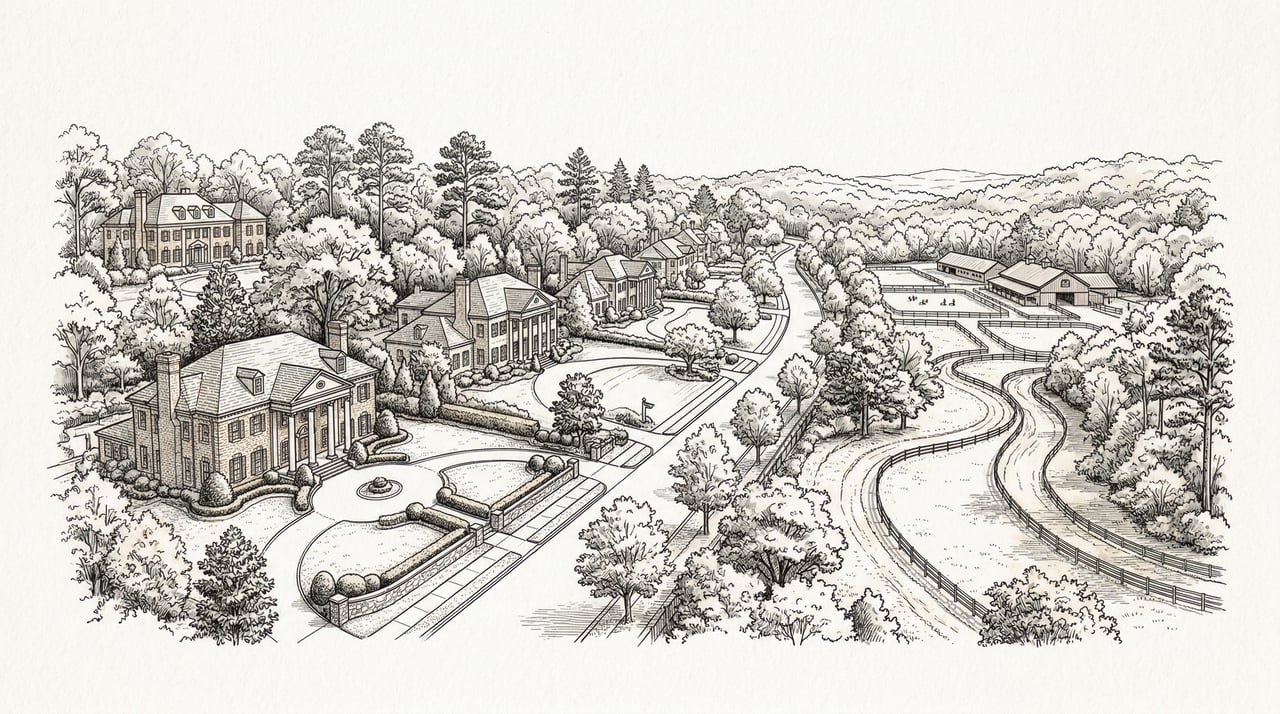
The overlay is fundamentally about preservation of character. Tuxedo Park and its surrounding streets are known for estate-scale homes, mature tree canopy, and a low-density feel that residents value highly. SPI-25 codifies that preference by regulating aspects like height, setbacks, lot coverage, and in some cases design, so that new construction and major renovations fit the established pattern rather than overwhelming it. For owners, that means the neighborhood they buy into is more likely to look similar in ten years than it would under looser rules.
How an overlay differs from base zoning
Base zoning defines the broad category of use and density, while an overlay like SPI-25 adds a second layer of specific standards on top. When the two conflict, the overlay generally controls for the aspects it addresses. This layered structure is why an owner cannot rely on base zoning alone to understand what is permitted, and why checking the overlay is an essential step before planning any significant project in the district.
What SPI-25 Means for Owners in Tuxedo Park
For existing owners, the overlay is largely a source of stability. It limits the kind of dramatic redevelopment that can change a street's feel, which supports the long-term desirability that draws buyers to the area in the first place. At the same time, the overlay imposes real constraints on what an owner can do with their own property, and those constraints deserve attention before a renovation or rebuild.
Stability and value protection
The predictability the overlay provides is itself a form of value protection. Buyers pay a premium for the assurance that the character they are buying into will endure, and that assurance rests in part on rules like SPI-25. In a market analysis sense, neighborhoods with strong, well-enforced character protections often hold their appeal through cycles better than areas where anything can be built next door. This is a general pattern rather than a promise about any single property.
Constraints on renovation and rebuilding
The flip side is that owners planning a major addition, a teardown and rebuild, or a significant expansion need to design within the overlay's limits. Height caps, setback requirements, and coverage limits can shape what is feasible, and a plan that would sail through under base zoning may need revision to comply. Owners should confirm the current standards and any variance process with the appropriate licensed professional and with the city before committing to a design.
What SPI-25 Means for Buyers
For buyers, the overlay is a tool for understanding both the protections and the limits attached to a prospective purchase. A buyer who wants to build a large modern home should verify that their vision fits within SPI-25 before falling in love with a lot, while a buyer drawn to the neighborhood precisely for its preserved character can take comfort that the rules help maintain it.
Verifying what a lot will allow
Before making an offer with renovation or rebuild plans in mind, a buyer should confirm what the overlay permits on that specific parcel. Lot size, existing structures, and the overlay's standards interact in ways that are not obvious from the street, and assumptions here can be costly. The prudent step is to check the current regulations and consult the appropriate licensed professional rather than relying on a general impression of the neighborhood.
Reading the overlay as a feature, not just a limit
It helps to see the overlay as part of what makes the area worth buying into rather than only as a restriction. The same rules that limit what an owner can build are the rules that limit what neighbors can build, and that mutual constraint is precisely what preserves the setting buyers are paying for. Framed that way, SPI-25 is a feature of Tuxedo Park as much as its tree canopy or its architecture.
How SPI-25 Is Enforced and What Happens When Owners Want More
Rules only matter to the extent they are applied, and SPI-25 is enforced through the city's permitting and plan review process. When an owner submits plans for new construction or a significant renovation, the review checks the proposal against the overlay's standards before a permit is issued. That gatekeeping is what keeps the district's character intact over time, and it is also where owners with ambitious plans encounter the overlay most directly.
The permitting and review process
An owner who wants to build in the district generally works with an architect or builder who prepares plans that account for the overlay from the start. Submitting a compliant plan is faster and less costly than submitting one that has to be reworked after review flags an issue. This is why bringing the overlay into the conversation early, rather than after a design is finished, tends to save both time and money for owners planning meaningful work.
When a variance may be needed
Sometimes an owner's goals do not fit neatly within the overlay's standards, and in those cases a variance or special approval may be the path forward. Variances are not guaranteed, and they involve their own process and standards that the owner must satisfy. An owner considering a project that pushes against the overlay's limits should treat the variance route as uncertain rather than assured, and should confirm the current process and likelihood with the appropriate licensed professional before relying on it. Planning as though a variance is a formality is a common and avoidable mistake.
Why early diligence pays off
The through-line for both owners and buyers is that early diligence on SPI-25 pays off. A buyer who confirms what a lot allows before making an offer avoids overpaying for potential that the overlay does not support, and an owner who designs within the standards from the outset avoids costly redesigns and delays. In a district where the rules are a defining feature rather than an afterthought, understanding them early is simply part of buying and owning well here.
How SPI-25 Fits the Broader Buckhead Picture
Zoning in Tuxedo Park sits alongside the wider forces shaping Buckhead, from new residential supply to improved connectivity. Readers weighing the full picture may want our overview of Buckhead's condo pipeline for how density is arriving elsewhere in the district, and our look at PATH400 in 2026 for how connectivity is expanding. For a sense of how Buckhead compares with its main rival core, see our Buckhead vs. Midtown comparison. Owners and buyers who want the current, official overlay text and boundaries can review the zoning resources published by the City of Atlanta.
FAQ
What is SPI-25 in Buckhead? SPI-25 is a Special Public Interest zoning overlay covering parts of Buckhead, including streets around Tuxedo Park, that adds tailored rules on height, setbacks, coverage, and character on top of base zoning.
Does SPI-25 limit what I can build on my Tuxedo Park lot? Yes. The overlay can restrict height, setbacks, and lot coverage beyond base zoning, so owners planning a rebuild or major addition should confirm current standards before designing.
Is SPI-25 good or bad for property values? It generally supports value by protecting neighborhood character and predictability, though it also constrains individual projects. Effects on any single property depend on the specifics.
How do I confirm what SPI-25 allows on a specific property? Review the current overlay standards through the city's zoning resources and consult the appropriate licensed professional before making plans or an offer.
Conclusion
SPI-25 is quietly one of the most important documents for anyone buying, selling, or renovating in Tuxedo Park, because it defines both the protections that make the area special and the limits that come with them. The overlay rewards owners and buyers who understand it and complicates plans for those who ignore it. If you want help reading how SPI-25 applies to a specific home or lot, reach out and we will walk through the current standards and what they mean for your goals.