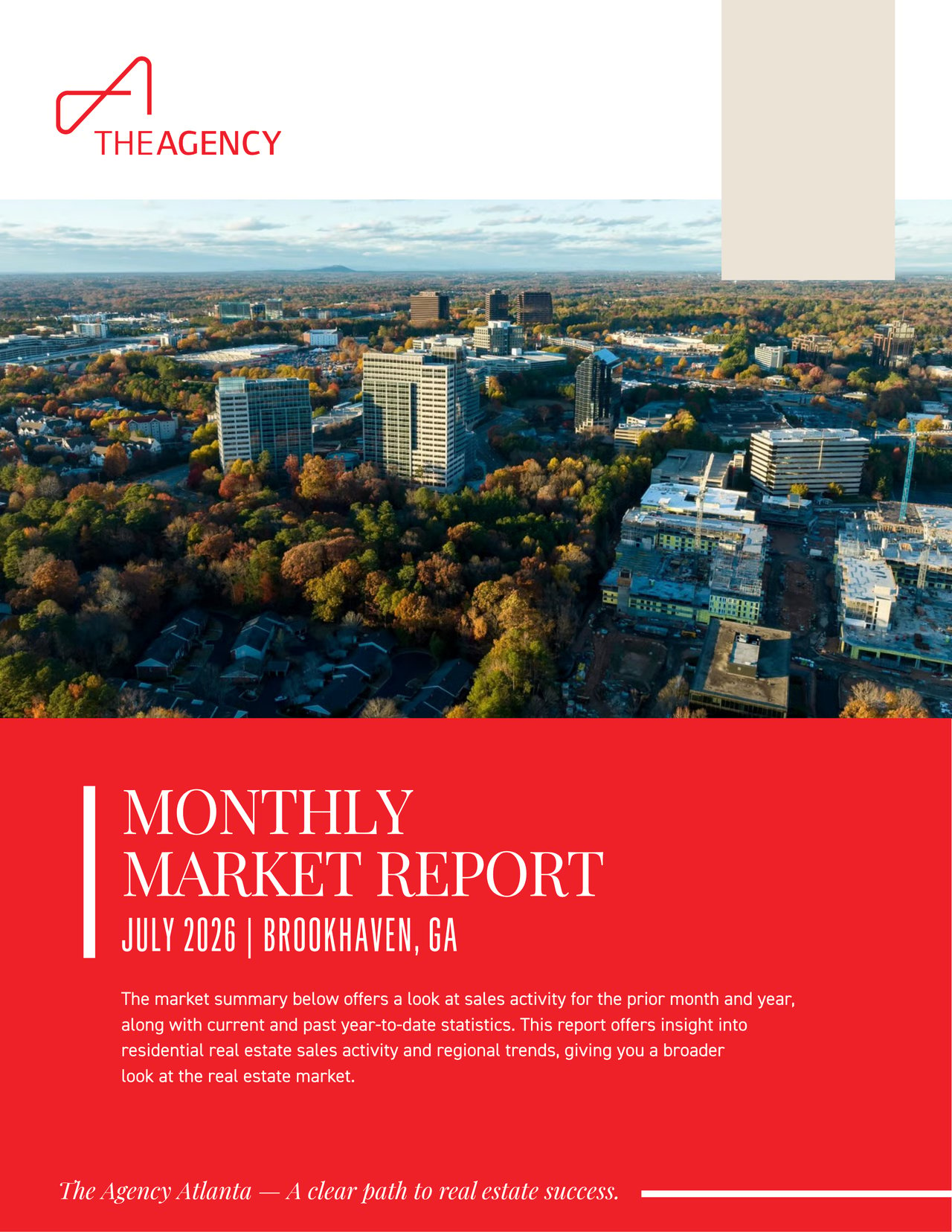
Atlanta Tech Village in Buckhead is the reason a specific kind of buyer, the founder, the early startup employee, the remote worker who wants daily access to a professional network, weighs Buckhead differently than a downtown or suburban address. The Village has grown large enough that it now functions less like a coworking space and more like a permanent professional neighborhood inside the neighborhood, and its presence is a real, sourced factor behind where a segment of Atlanta's workforce chooses to live.
What Atlanta Tech Village actually is
Atlanta Tech Village describes its mission as supporting entrepreneurs to achieve success through a community that promotes faster connections between talent, ideas, and capital. Its Buckhead location sits at 3423 Piedmont Road NE, in the heart of the neighborhood rather than tucked into an office park on its edge.
The scale of it today
The Village reports that more than 300 companies call it home, a figure that puts it well beyond a typical shared office building and closer to a dedicated startup district operating inside a single Buckhead address. The organization also reports $3.2 billion in capital raised through companies associated with the Village and more than 15,000 jobs created over its more-than-a-decade history, numbers that describe an economic engine, not a coworking amenity.
Companies that grew out of the Village
Several companies now familiar well beyond Atlanta trace their roots to Atlanta Tech Village, including Calendly, PrizePicks, Bitpay, Salesloft, and Terminus. For a founder evaluating Buckhead's density and track record as a place to build an early-stage company, that list functions as evidence rather than marketing copy.
What "3rd largest tech innovation hub" means in practice
Atlanta Tech Village describes itself as consistently recognized among the third largest tech innovation hubs in the country, a ranking that reflects density of resident companies and capital activity rather than the size of the physical building itself. For a founder comparing cities, or comparing Atlanta neighborhoods within a relocation, that ranking is a shorthand for a genuinely deep local network: mentors, investors, and peer founders who are physically reachable within the same Buckhead address rather than scattered across a metro area.
Why it is in Buckhead
Buckhead's position as a dense, walkable, amenity-rich neighborhood with direct access to Atlanta's broader business community made it a natural home for a startup hub built around daily, in-person connection rather than a purely remote model. Unlike a downtown office tower built primarily for established corporate tenants, Atlanta Tech Village's Buckhead campus was designed around the specific needs of early-stage companies: flexible desk space, shared meeting rooms, and a density of other founders and operators in the same building, which is the entire point of a startup hub over a standard office lease.
That density argument is specific to a startup ecosystem in a way that a generic office building is not. A corporate tenant leasing floors in a downtown tower gains proximity to that single company's own employees. A founder based at Atlanta Tech Village gains proximity to hundreds of other early-stage companies at once, along with the mentors, service providers, and investors who orbit that community specifically because the companies are there. That is a structural difference, not just a marketing distinction, and it is part of why the Village has stayed in Buckhead and expanded rather than relocating to a larger, cheaper footprint elsewhere in the metro area.
Coworking options beyond the Village
Atlanta Tech Village is not the only coworking option serving Buckhead and the surrounding area. The organization itself operates additional locations beyond its original Buckhead campus, including a Sylvan location at 235 Mitchell Street SW and additional hubs it describes as South Broad Street Suites and Terminus Hub, extending its reach beyond a single Buckhead building.
Midtown's coworking scene
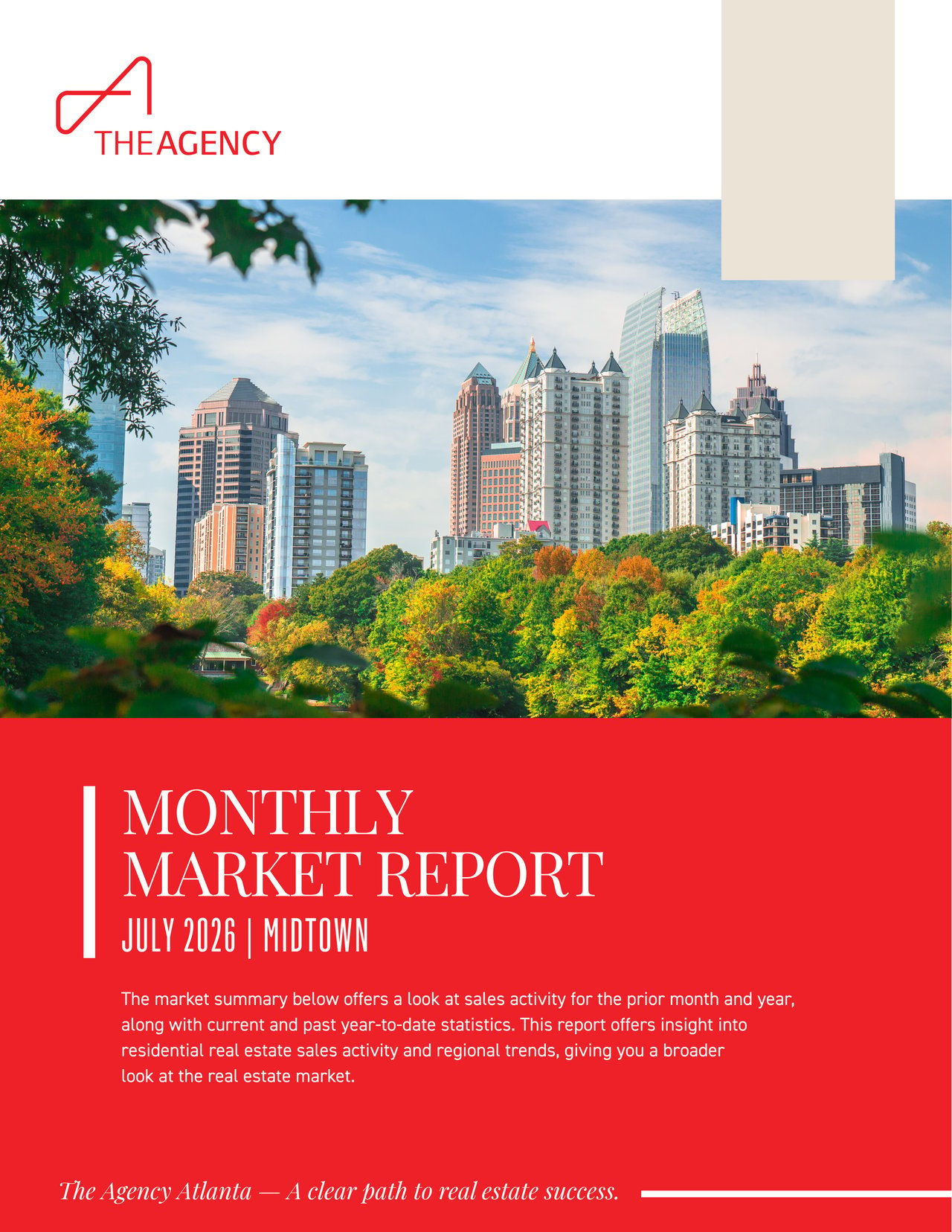
Midtown maintains its own separate coworking market, with shared office and desk space options serving the neighborhood's dense mix of corporate offices, startups, and remote workers. For a professional who wants coworking access but is not necessarily tied to Atlanta Tech Village's startup-specific community, Midtown's broader supply of shared office space offers an alternative that is worth comparing directly against a Buckhead-based option, since the two neighborhoods serve somewhat different segments of the same working population. A Midtown coworking membership tends to draw a broader mix, corporate satellite teams, freelancers, and startups alike, while Atlanta Tech Village's Buckhead campus is built specifically around the startup and venture-backed company stage, with programming and community events oriented toward that audience rather than a general professional population. Neither model is better in the abstract; the right choice comes down to a preference for a broad, general-purpose coworking membership versus a narrower, startup-specific community.
How to actually evaluate the fit before committing to a neighborhood
A founder or remote worker considering this factor seriously should do more than read about the Village's numbers. Touring the Buckhead campus, attending an open community event, or simply spending a working afternoon there gives a much better sense of how the daily energy and network match a specific company's stage and needs than a membership count or a capital-raised figure ever could. The same applies to Midtown's coworking options: a single day pass at a Midtown space, compared directly against a day at Atlanta Tech Village, tells a prospective member more about fit than either location's marketing materials.
What this means for a home search
A founder or remote employee choosing where to live is often solving a different problem than a typical buyer: not just commute time to a fixed office, but proximity to a specific professional community that does not exist in every neighborhood.
Why proximity matters more for this group than for a typical remote worker
A remote employee with no fixed office can technically live anywhere with reliable internet, but many people who describe themselves as remote workers still build their week around some regular in-person contact: a coworking desk, a standing coffee meeting, or a company's occasional in-office day. For someone in that position who has also chosen to build their professional identity around Atlanta's startup scene specifically, living near Atlanta Tech Village turns an occasional visit into a realistic daily or weekly habit rather than a special trip.
The founder or remote worker who wants a short commute to community
For someone whose actual workday involves regular meetings, informal hallway conversations, or simply wanting to work alongside other founders rather than alone at home, living within a short commute of Atlanta Tech Village's Buckhead campus removes a daily friction point that a downtown or suburban address would not. That is a genuinely different calculation than the one a corporate employee with a fixed downtown office makes, and it is worth naming explicitly rather than folding into a generic commute-time conversation.
What to weigh against a downtown-adjacent search
Buckhead is not the only place in metro Atlanta with startup or coworking infrastructure, and a buyer should weigh Atlanta Tech Village's specific community and track record against Midtown's own coworking supply and against downtown options entirely, based on which community and commute actually matches their working pattern rather than defaulting to whichever neighborhood is more familiar. A founder who works mostly from home and only occasionally uses coworking space has a very different calculus than one who treats the Village as a daily home base.
FAQ
What is Atlanta Tech Village? A Buckhead startup hub and coworking community at 3423 Piedmont Road NE that is home to more than 300 companies and has generated over 15,000 jobs across its history.
Where is Atlanta Tech Village located? Its original campus is at 3423 Piedmont Road NE in Buckhead, with additional locations including a Sylvan campus at 235 Mitchell Street SW.
How much capital have Atlanta Tech Village companies raised? The Village reports $3.2 billion in capital raised through its associated companies.
What companies came out of Atlanta Tech Village? Notable graduates include Calendly, PrizePicks, Bitpay, Salesloft, and Terminus.
Is there coworking space in Midtown too? Yes, Midtown maintains its own separate coworking and shared office market outside the Atlanta Tech Village campus in Buckhead.
Conclusion
Atlanta Tech Village has grown into a genuine reason a specific kind of professional, the founder, the early employee, the remote worker building a company, weighs Buckhead differently than another Atlanta neighborhood. If that daily proximity to a startup community matters to your own search, The Agency Atlanta can help you compare a Buckhead address against Midtown or downtown based on your actual working pattern rather than a generic commute estimate. For a broader look at the neighborhood this community calls home, see our guide to living in Buckhead in 2026. If you are weighing Buckhead specifically against a Midtown high-rise search, our guide to Midtown high-rise living for high-net-worth buyers covers that comparison in more depth, and our roundup of the top Atlanta neighborhoods for young professionals in 2026 places both neighborhoods in a wider, more complete context alongside the rest of the metro area's options for this kind of buyer.