Buying or renting in one of downtown Atlanta's converted office towers is a genuinely different experience from a purpose-built condo, and understanding what buyers should know before touring one can save a lot of second-guessing. As of 2026, Atlanta has roughly 86 office buildings tied to residential conversion projects, including the 44-story tower at 2 Peachtree Street adding about 625 units and the Georgia-Pacific Center adding over 400. This guide covers the floor-plan quirks, pricing tradeoffs, and practical questions to ask before you commit to a converted downtown building.
What is an office-to-residential conversion, and why is Atlanta seeing so many?
An office-to-residential conversion turns an aging or underused office building into apartments or condos. Atlanta's wave of conversions, roughly 86 buildings in the pipeline as of 2026, is pulling older office inventory permanently off the commercial market and adding a new category of downtown homes with distinctive layouts. Rising office vacancy in older, amenity-poor towers has made conversion financially attractive for owners, while city incentive programs have accelerated the pace of these projects.
Named projects to know
The 44-story 2 Peachtree Street tower is set to add about 625 units, and the Georgia-Pacific Center conversion adds more than 400. These landmark projects signal how much of downtown's future housing supply will come from repurposed towers rather than new ground-up construction, which has implications for both pricing and neighborhood character over the next several years.
Why this differs from Atlanta's broader housing story
While much of metro Atlanta's growth comes from suburban expansion and new construction, downtown's conversion wave is reusing existing structures. That means the housing added often arrives faster than ground-up buildings, but it also inherits constraints from the original office design that new construction would not have.
How do converted office floor plans differ from traditional condos?
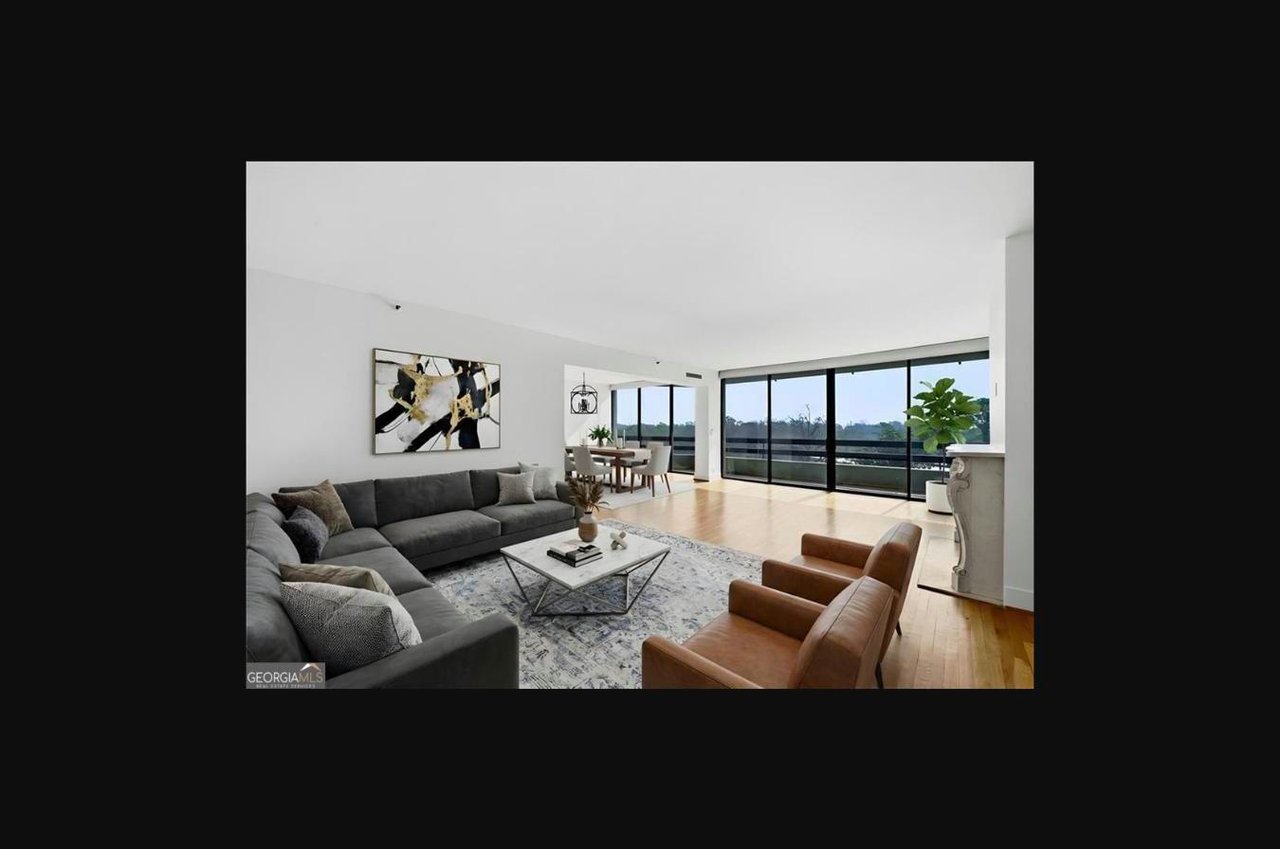
Converted units inherit the bones of an office building: deep floor plates, large window bays, and central cores for elevators and plumbing. That can mean unusually wide or narrow layouts, interior spaces set back from windows, and creative kitchen or bathroom placement tied to where the original plumbing stacks ran.
Light and window placement
Office towers were designed around perimeter windows and a windowless core. In a conversion, this can produce bright rooms along the exterior and dimmer interior zones, so evaluate natural light room by room during your tour rather than assuming the whole unit will feel equally bright.
Ceilings and column grids
Many conversions offer higher ceilings and exposed structural columns. These features can feel dramatic, but the fixed column grid sometimes limits how furniture fits, so measure carefully before assuming a layout works for your specific furniture and lifestyle needs.
Deep floor plates and interior rooms
Some converted units include bedrooms or living spaces set well back from any exterior window, since office buildings were not designed with residential light requirements in mind. Ask specifically whether every room has a window, since floor plans can look deceptively similar to condos on paper while functioning very differently in person.
How does pricing compare to traditional downtown condos?
Pricing in converted buildings varies with unit size, view, and finish level, and it should be evaluated against comparable traditional downtown condos on a price-per-square-foot basis. Because layouts differ, two units of the same square footage can live very differently, so a careful market analysis of comparable sales matters more than a headline price.
What to compare
Look at usable square footage, monthly HOA or association dues, parking arrangements, and any conversion-specific assessments. A price opinion built on true comparables gives a more reliable read than comparing raw price per square foot across very different building types.
Why HOA dues can run higher in converted buildings
Retrofitting mechanical, electrical, and plumbing systems designed for office use into residential-grade systems can be costly, and those costs are often passed through in ongoing association dues. Ask for the building's reserve study and recent assessment history before comparing dues across buildings.
What practical questions should buyers ask before touring a converted building?
Beyond price and layout, buyers should ask about the building's mechanical systems, soundproofing between units, and the timeline of the conversion itself, since early-phase conversions may still have ongoing construction noise or incomplete amenity spaces.
Soundproofing and mechanical systems
Office buildings were not always built with residential sound isolation in mind, so ask whether the conversion included upgraded insulation between floors and units. Original HVAC systems designed for open office floors may also require zone-specific upgrades for individual residential units, which is worth confirming with the building management.
Parking and amenities
Office towers were often built with parking ratios suited to commercial tenants, not residential households, so confirm whether parking is included, deeded separately, or limited in availability. Amenity spaces added during conversion, such as rooftop lounges or fitness centers, vary widely in quality and completion status.
Timeline and construction status
Ask whether the building is fully converted or still completing phases, since ongoing construction elsewhere in the building can affect daily living even if your specific unit is finished. A licensed inspector or contractor can help evaluate whether remaining work is cosmetic or structural.
How should buyers think about resale and long-term value in converted buildings?
Resale value in converted towers depends heavily on how well the layout functions day to day, not just on the building's history or architectural pedigree. A dramatic double-height lobby does not offset a unit with no natural light, so buyers should weigh livability alongside the building's broader appeal.
Comparable sales in the same building
Because converted buildings can contain a wide range of floor plans, comparing sales within the same building, not just the same neighborhood, gives a more accurate market analysis. Two units on different floors of the same tower can have very different resale trajectories depending on layout quality.
FAQ
Are converted office towers more affordable than new construction condos? Not always. Pricing depends on finish level, location, and unit layout, and some conversions in premium downtown locations price comparably to new construction. This is general market information, not a guarantee of value.
Do converted units have the same natural light as purpose-built condos? Not necessarily. Deep floor plates from the original office design can create interior rooms with limited or no direct window access, so light exposure should be evaluated room by room during a tour.
Is financing different for a converted building compared to a standard condo? It can be. Lenders may request additional documentation about the building's conversion history, reserve funds, and completion status. Buyers should consult a mortgage professional familiar with conversion properties before assuming standard condo financing terms apply.
Conclusion
Downtown Atlanta's converted office towers offer a distinct kind of urban living, with dramatic architectural features balanced against layout quirks inherited from their commercial past. Careful attention to natural light, mechanical systems, and building-specific comparable sales will give buyers a clearer picture than judging a unit on square footage or headline price alone. For a market analysis of specific converted buildings downtown, connect with The Agency Atlanta team.