An in-town pied-à-terre has become one of the fastest-growing second-home requests among Atlanta executives who divide their time between a suburban or North Fulton estate and a walkable urban base. For professionals who keep late hours downtown, travel often through Hartsfield-Jackson, or simply want to be closer to the city's restaurants, arts, and offices a few nights a week, a compact lock-and-leave residence can change the rhythm of the work week. This guide explains what is driving the demand, which in-town districts make the most sense, how to evaluate a building, and what current Atlanta condo conditions mean for buyers shopping this niche in 2026.
What is driving demand for an in-town pied-à-terre in Atlanta?
Demand is driven by professionals who want a low-maintenance second residence near offices, the arts, and dining without giving up a primary home in the suburbs or North Fulton. A pied-à-terre offers a turnkey, lock-and-leave footprint that supports late events, early meetings, and travel schedules while keeping the larger family home intact.
The pattern has accelerated as more Atlanta employers anchor offices in Midtown and Downtown and as cultural and dining destinations have clustered along the Beltline. Rather than commuting in from outside the perimeter several days a week, executives increasingly want a place to land in town that requires almost no upkeep.
Who typically buys one
Common profiles include executives with downtown or Midtown offices, frequent travelers who value airport proximity, board members who attend recurring in-town functions, and empty nesters who keep an estate while adding a smaller urban base for convenience and lifestyle.
Why a condo usually fits the use
Full-service condo buildings handle landscaping, security, and maintenance, which matches a residence that may sit empty for stretches. That predictability is often more valuable to a part-time owner than additional square footage or a private yard.
Which in-town districts work best for a pied-à-terre?
Midtown, Buckhead, and the Westside lead for walkable, amenity-rich condo product. Each offers a different balance of cultural access, building services, and proximity to business corridors, so the right fit depends on commute and lifestyle anchors rather than a single best answer. The strongest choice is usually the one closest to where the owner actually spends time.
Midtown
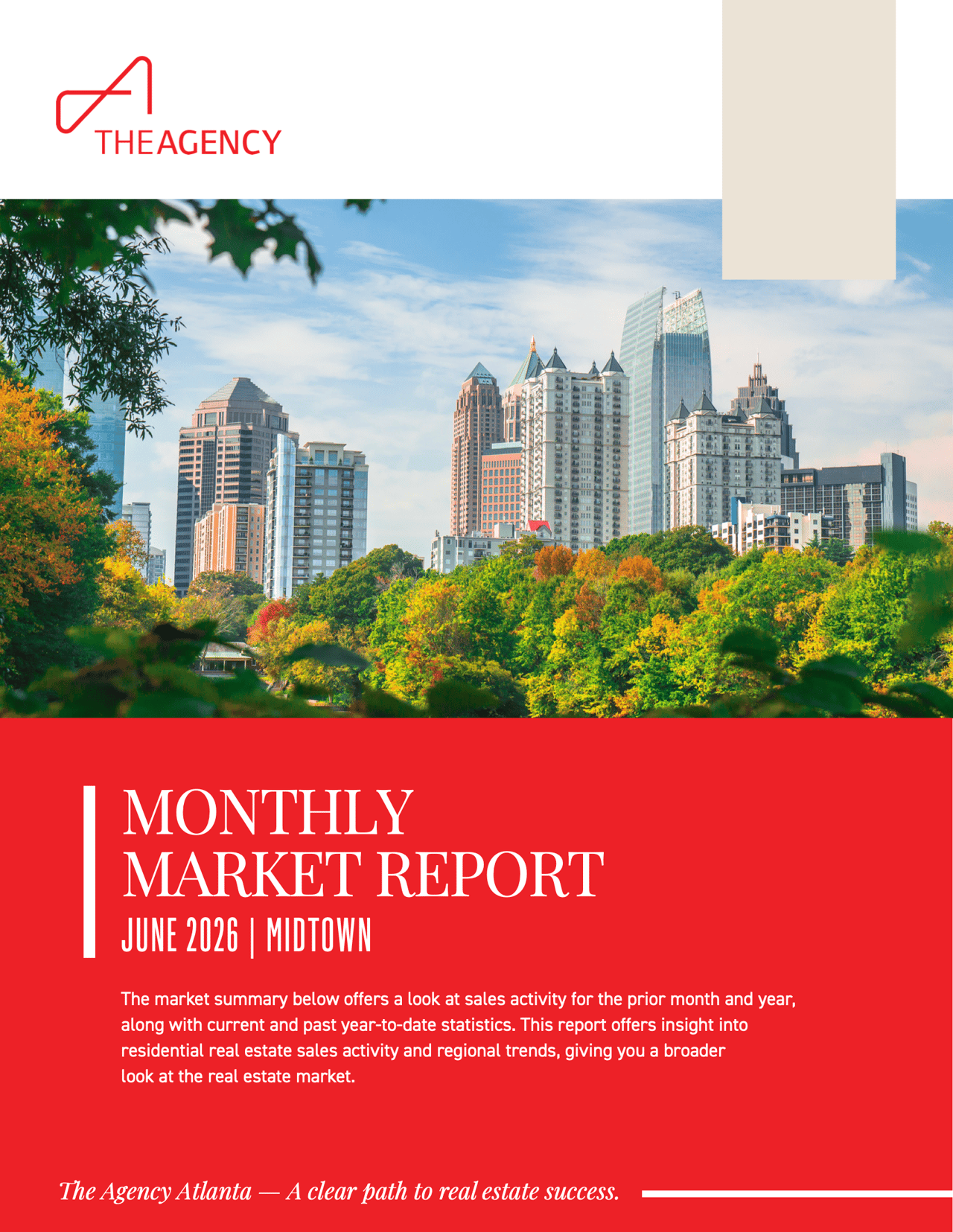
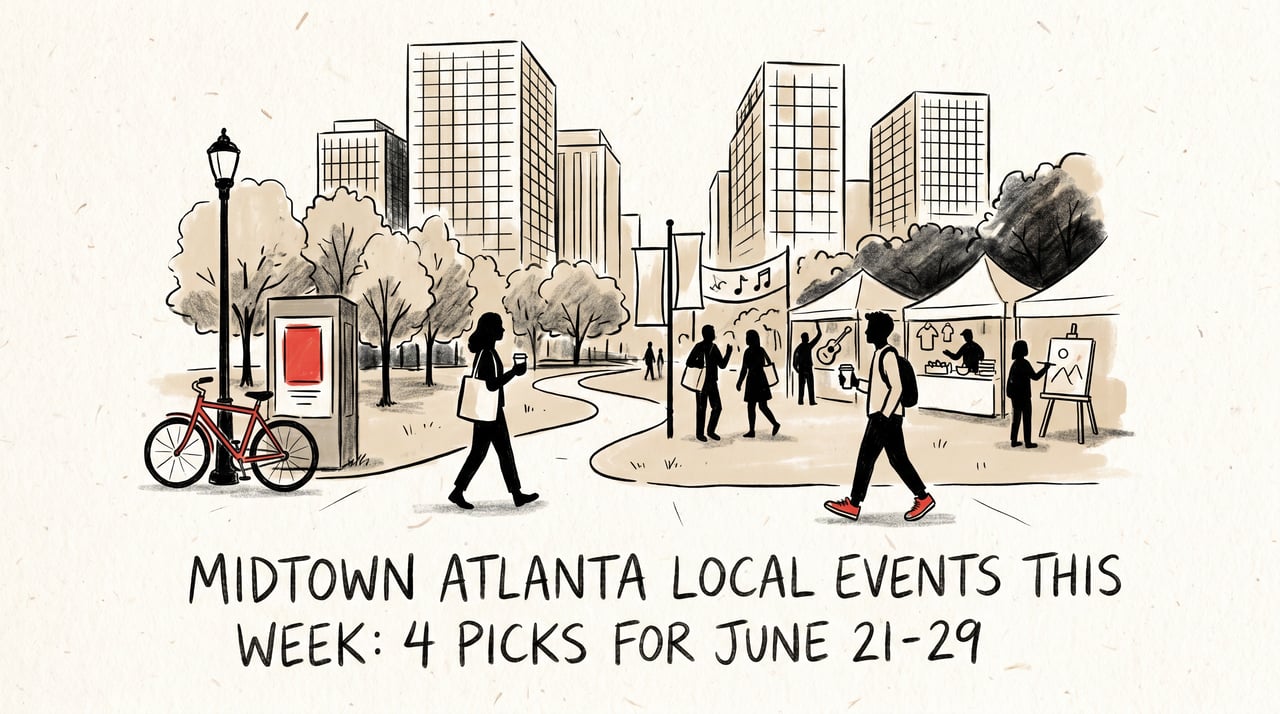
Midtown is strongest for arts access, the Beltline Eastside connection, Piedmont Park, and Tech Square proximity. Walkability is high, and the district concentrates high-rise inventory with the building services a lock-and-leave owner expects. For an executive working in or near the central business corridor, Midtown often minimizes the daily commute most effectively.
Buckhead
Buckhead offers concentrated high-rise inventory with full-service buildings near the financial district, shopping, and dining. Buyers who prioritize established luxury buildings, valet and concierge service, and proximity to the Peachtree Road corridor frequently gravitate here. It tends to suit owners who want a more traditional luxury building profile.
Westside
The Westside and West Midtown feature newer construction and adaptive-reuse lofts near a dense cluster of restaurants and galleries. Product here can feel more contemporary, and the area appeals to buyers who want a design-forward base with quick access to the city's newer dining scene.
What should buyers evaluate before choosing a building?
Beyond price, evaluate HOA scope, on-site management, guest and deeded parking, lock-and-leave security, and rental or guest policies if family will use the unit. For a part-time residence, predictable monthly costs and reliable building staff often matter more than raw square footage, because the value of the home is convenience.
HOA scope and monthly carrying cost
Ask exactly what the HOA covers, how reserves are funded, and whether any special assessments are anticipated. A part-time owner benefits most from a building where dues cover the services that make a residence truly lock-and-leave, and where the financials are stable enough to avoid surprise costs.
Parking, storage, and access
Confirm whether parking is deeded or assigned, how guest parking works, and whether storage is included. For owners who travel, secure package handling and reliable entry systems are practical priorities that are easy to overlook during a quick tour.
Leasing and guest rules
If family members or colleagues may use the unit, review the building's leasing and guest policies in writing. Many buildings restrict short-term rentals, and those rules can shape how flexibly the residence can be used over time.
Cost context for 2026
Atlanta luxury condos have recently shown roughly 45 to 75 days on market, longer than single-family luxury homes, which has generally given qualified buyers more time to evaluate and more room to negotiate than during the faster market of prior years.
How do you make a pied-à-terre work day to day?
The most satisfied owners treat the pied-à-terre as an extension of their routine rather than a vacation property. They choose a location within a short walk of the places they visit most, furnish it simply for easy upkeep, and rely on the building's services so the home requires almost no active management between visits.
Match location to your actual week
Map where you spend time on a typical week, including office, gym, dining, and cultural commitments, then shortlist buildings that minimize travel between them. Proximity usually drives satisfaction more than any single amenity.
Keep it simple and turnkey
A streamlined, well-furnished unit with reliable building staff supports the lock-and-leave goal. The less the residence depends on the owner being present, the better it serves the purpose.
Q&A
Is a pied-à-terre a good use of capital in 2026? It depends on how often you will use it and your broader financial plan. A local advisor and your financial professional can help you model carrying costs against expected use so the decision reflects your situation rather than a general rule.
Can I rent it out when I am not there? Many buildings restrict short-term rentals and limit leasing. Always confirm the HOA's leasing and guest rules in writing before you purchase, since these policies vary widely by building.
How much parking should I expect? Full-service buildings typically offer deeded or assigned spaces for owners; confirm guest parking arrangements separately, especially if you plan to host visitors or family.
Which district is best for a first in-town base? There is no single best district. Midtown, Buckhead, and the Westside each suit different routines, so the right choice is the one closest to where you actually spend your week.
How long are luxury condos taking to sell right now? Recent Atlanta luxury condo time on market has run roughly 45 to 75 days, which has generally favored patient, qualified buyers.
Conclusion
An in-town pied-à-terre can simplify a two-base lifestyle when the building and district match how you actually live and work. The owners who get the most from it choose location first, prioritize predictable building services, and confirm the rules before they buy. If you are weighing a lock-and-leave residence in Midtown, Buckhead, or the Westside, connect with an Agency Atlanta advisor to tour options that fit your routine and your plans.