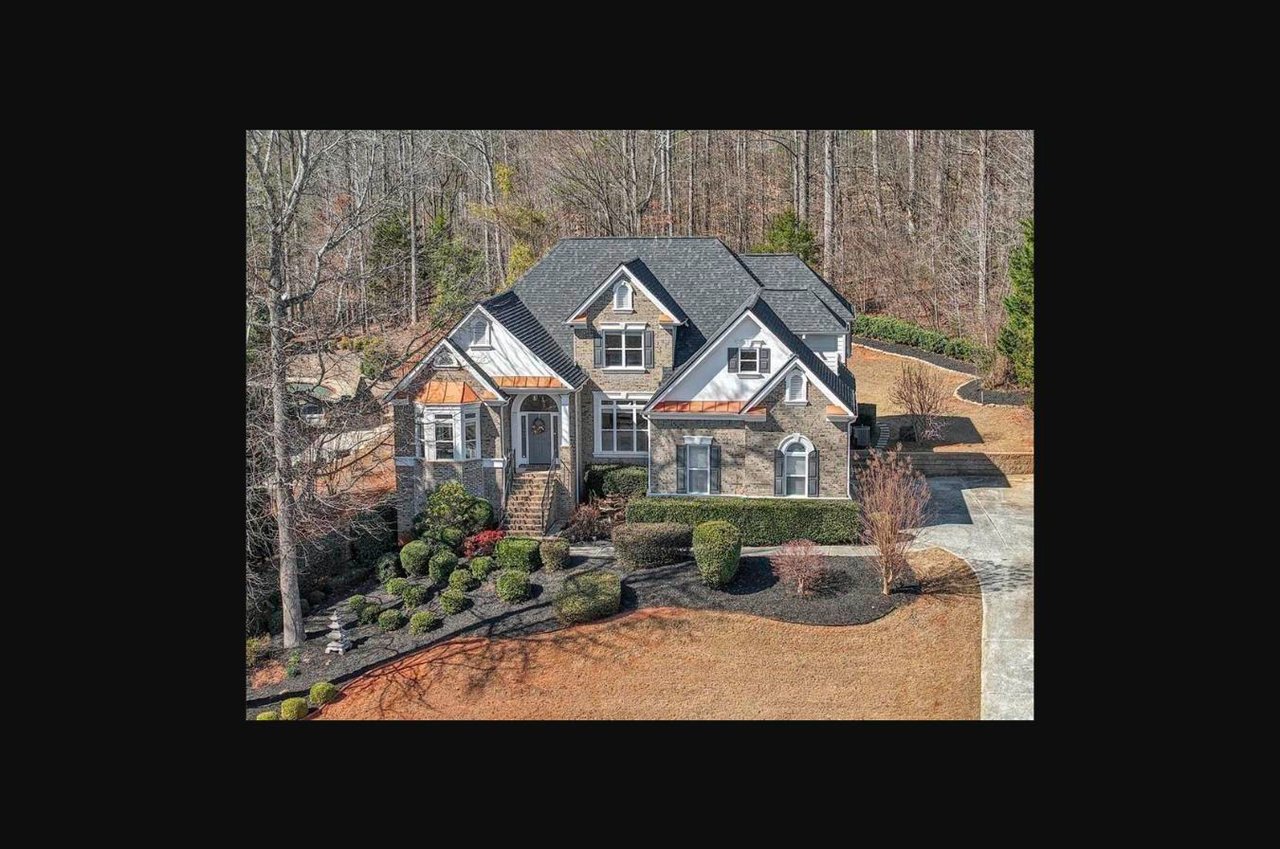
Few settings in Atlanta feel as private and serene as a home backing up to the Chattahoochee River or one of its tributary creeks. The water, the tree canopy, and the sense of separation from the city are exactly what draw many luxury buyers to neighborhoods along the river in Sandy Springs, Vinings, and northwest Atlanta. That same proximity to water, however, comes with a layer of due diligence that buyers in interior neighborhoods rarely have to think about. Flood zones, insurance requirements, base flood elevation, and a property's specific history all deserve attention before you close. This guide walks through what to check so a beautiful riverside home stays a smart purchase.
Why water-adjacent homes need extra diligence
Atlanta's flood risk is largely riverine, meaning it comes from rivers and creeks overflowing after heavy or sustained rain rather than from coastal storm surge. The Chattahoochee River and Peachtree Creek are the two names that come up most often, and the metro's history of flash flooding means even homes that sit comfortably above the river can face risk during extreme rain events. The reassuring part is that this risk is well mapped and well understood, so an informed buyer can evaluate it clearly rather than guess.
Understanding Atlanta flood zones: AE, A, and X
FEMA maps every property into a flood zone, and three labels matter most for Atlanta buyers. Zone AE and Zone A are Special Flood Hazard Areas, the high-risk designations where flooding is most likely and where a base flood elevation may be established. Zone X covers areas of moderate to minimal risk. The practical distinction is significant: a home in Zone AE or A with a federally backed mortgage is generally required to carry flood insurance, while a home in Zone X is not required to, though coverage is still worth considering.
One detail surprises many buyers. FEMA reports that roughly a quarter of all national flood insurance claims come from properties outside the mapped high-risk zones. In a flash-flood-prone metro like Atlanta, a Zone X designation lowers the requirement but does not eliminate the risk, especially for homes near a creek that can rise quickly in a storm.
How to look up a specific property's flood zone
Before you fall in love with a riverside home, confirm its flood zone. You can review FEMA's National Flood Hazard Layer and flood map service, and the City of Atlanta and county GIS tools also let you check zoning and floodplain overlays for a specific parcel. An experienced local agent can pull this quickly and flag anything that warrants a closer look. The goal is to know the zone, the base flood elevation if one applies, and how the home sits relative to that elevation before you are deep into a contract.
Questions worth asking early
Is the home in a Special Flood Hazard Area? What is the base flood elevation, and how does the finished floor compare to it? Has the property flooded before, and is there an elevation certificate on file? These answers shape both your insurance cost and your long-term comfort with the home.
What flood insurance costs in the Atlanta area
Insurance is the part buyers most want quantified. Standard homeowners policies in Georgia do not cover flood damage, regardless of whether the water comes from rain, an overflowing river, or a tornado-related event. Flood coverage is a separate policy, available through the National Flood Insurance Program or a private carrier.
Under the NFIP's current Risk Rating 2.0 approach, premiums in Georgia commonly range from a few hundred dollars to roughly $1,800 per year depending on the property's elevation, distance from water, and construction. Homes in an AE zone often fall in the $600 to $1,500 range. For luxury properties, the bigger consideration is coverage limits: NFIP policies cap dwelling coverage at $250,000 and contents at $100,000, which is well below the replacement value of a high-end home. Private flood insurance can offer much higher limits, replacement-cost coverage, additional living expenses, and basement coverage that the NFIP excludes. For a riverside estate, a private policy is usually the more appropriate fit.
Due diligence before you close
Beyond the flood zone and insurance quote, a few practical steps protect a riverside purchase. Request an elevation certificate if one exists, since it documents how the home sits relative to the base flood elevation and can meaningfully lower premiums. Ask the seller's disclosure about any prior water intrusion or flooding. Walk the lower level and any basement for signs of past moisture. Review how the lot drains and whether grading directs water away from the home. And confirm whether the property sits within a floodplain overlay that could affect future renovations or additions.
Build your insurance quote into the offer timeline
Get a flood insurance quote early in your due diligence period rather than at the end. Premiums vary widely by property, and knowing the real annual cost up front lets you weigh it against the rest of the carrying costs before your contingencies expire.
The upside of riverside living
None of this should discourage a buyer who loves the water. Homes along the Chattahoochee and its creeks offer privacy, mature landscaping, trail access, and a setting that is genuinely hard to find inside the perimeter. The point is simply to buy with full information. When you understand the flood zone, carry the right coverage, and confirm the home's history, a riverside property can be one of the most rewarding luxury purchases in the metro.
Frequently asked questions
Do I have to buy flood insurance for a home near the Chattahoochee?
If the home is in a Special Flood Hazard Area such as Zone AE or A and you have a federally backed mortgage, coverage is generally required. In a Zone X area it is optional but often still recommended given Atlanta's flash-flood history.
Why doesn't my homeowners policy cover flooding?
Standard homeowners insurance in Georgia excludes flood damage entirely. You need a separate flood policy through the NFIP or a private carrier to be protected against rising water.
Is NFIP coverage enough for a luxury home?
Often not on its own. NFIP caps dwelling coverage at $250,000, which is well below most luxury replacement values. Many high-end buyers use a private flood policy for higher limits, replacement cost, and basement coverage.
What is an elevation certificate and why does it matter?
It documents the home's elevation relative to the base flood elevation. It can lower your premium and gives you a clear picture of how the structure sits within the floodplain.
Considering a riverside home in Atlanta?
If a home along the Chattahoochee or one of its creeks is on your shortlist, the right guidance makes the diligence simple. To review current riverside listings and walk through the flood and insurance picture for a specific property, visit our website to connect with The Agency Atlanta.