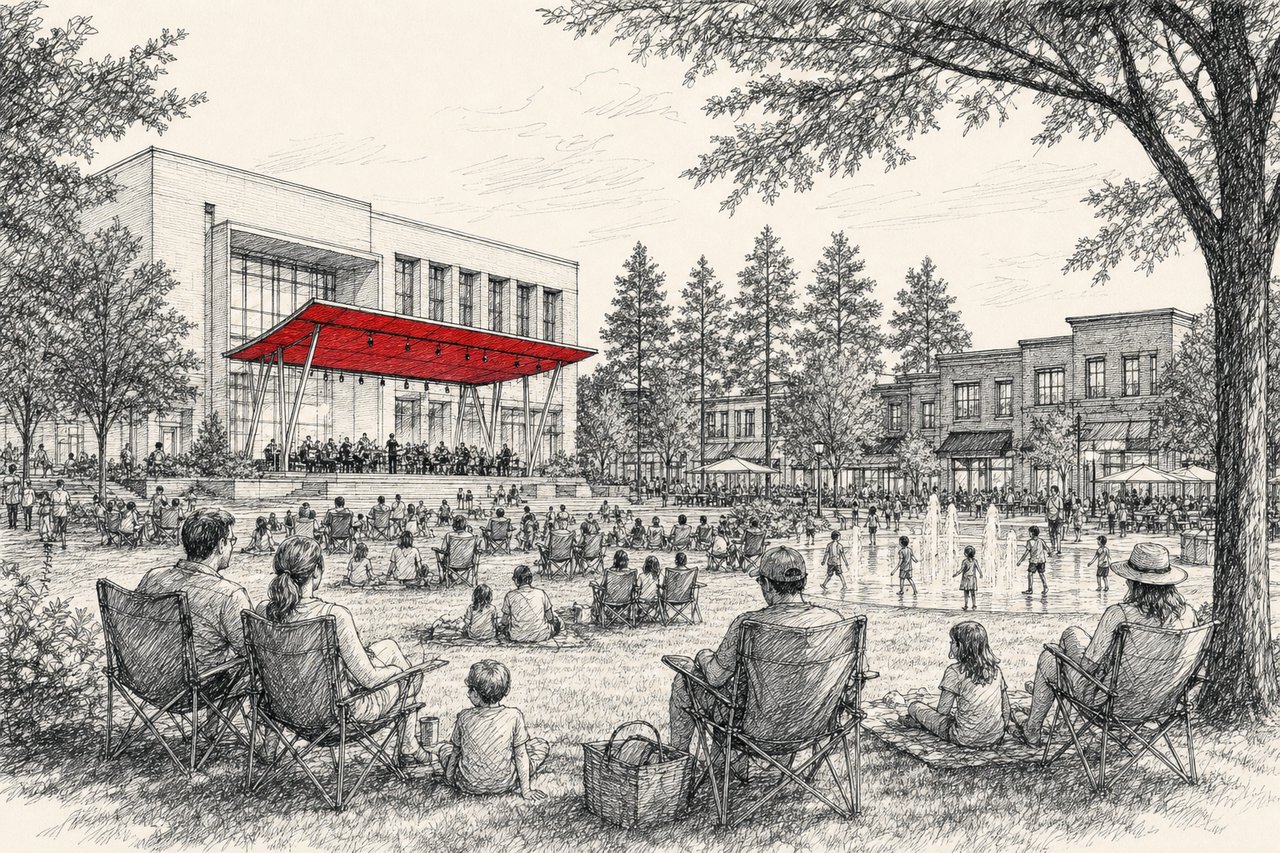
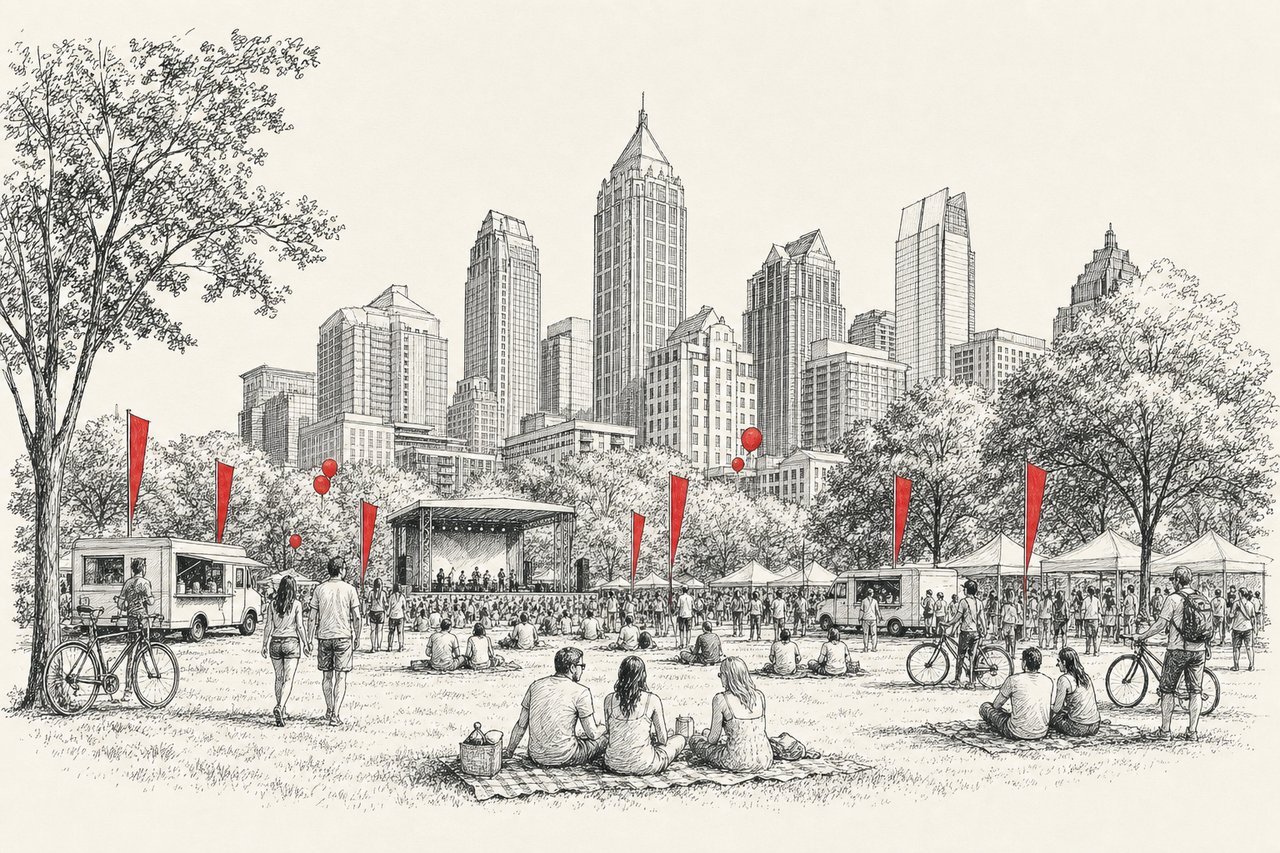
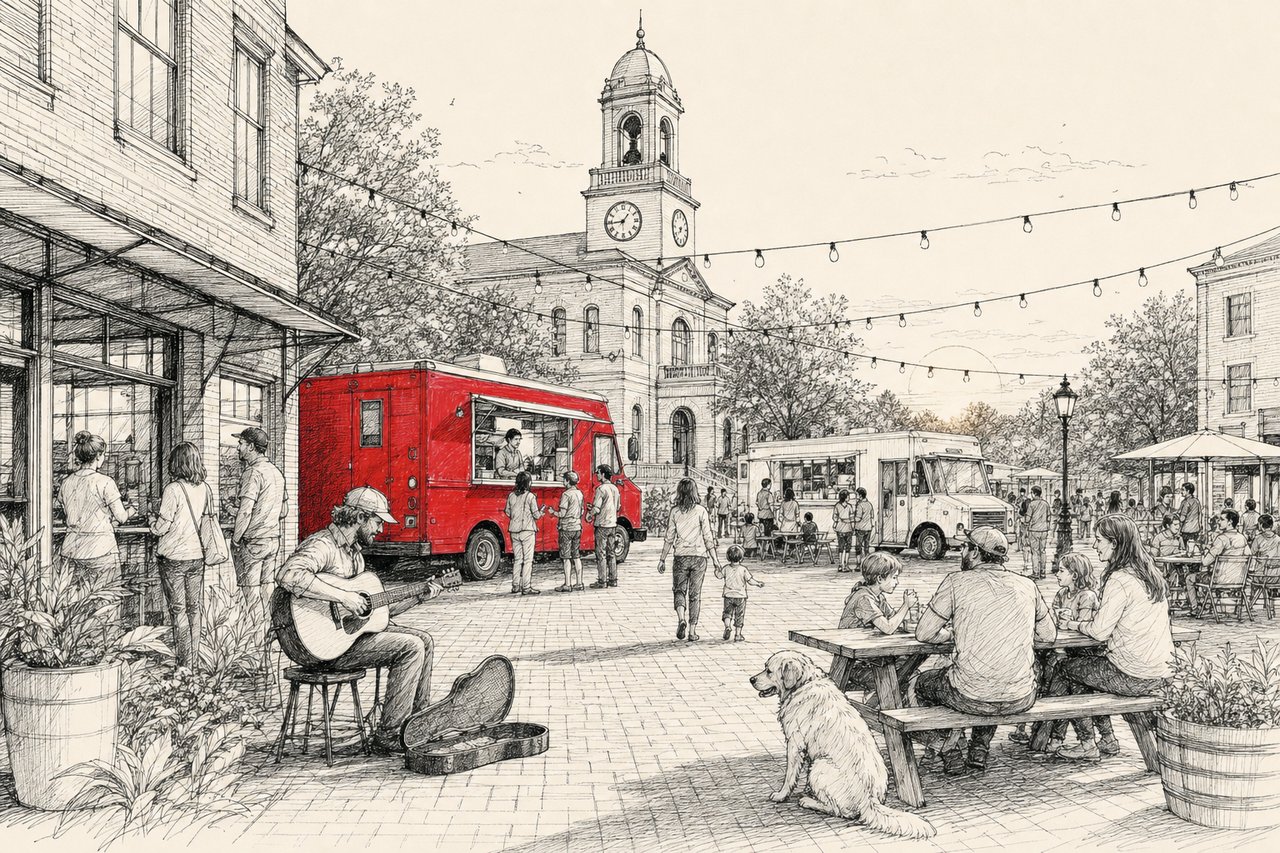
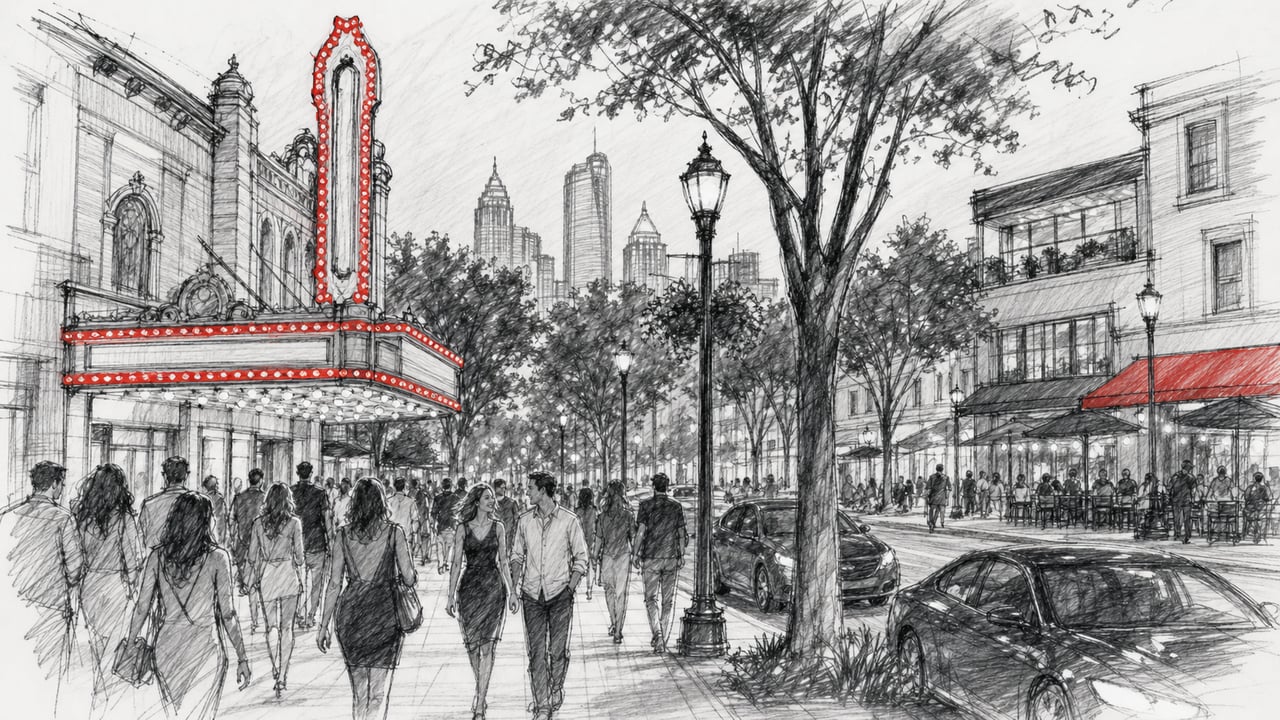
Downtown Woodstock has evolved from a quiet railroad depot town into one of the most walkable destinations in the northern Atlanta suburbs. Anchored by Main Street, the district now functions as the cultural core of the city, packing more than 20 restaurants, two breweries, live music venues, boutiques, and public art into roughly a one-mile radius. This post explains what makes downtown so walkable, how historic preservation shaped its character, and why the district draws both day-trippers and longtime residents throughout the year.
What makes downtown Woodstock so walkable?
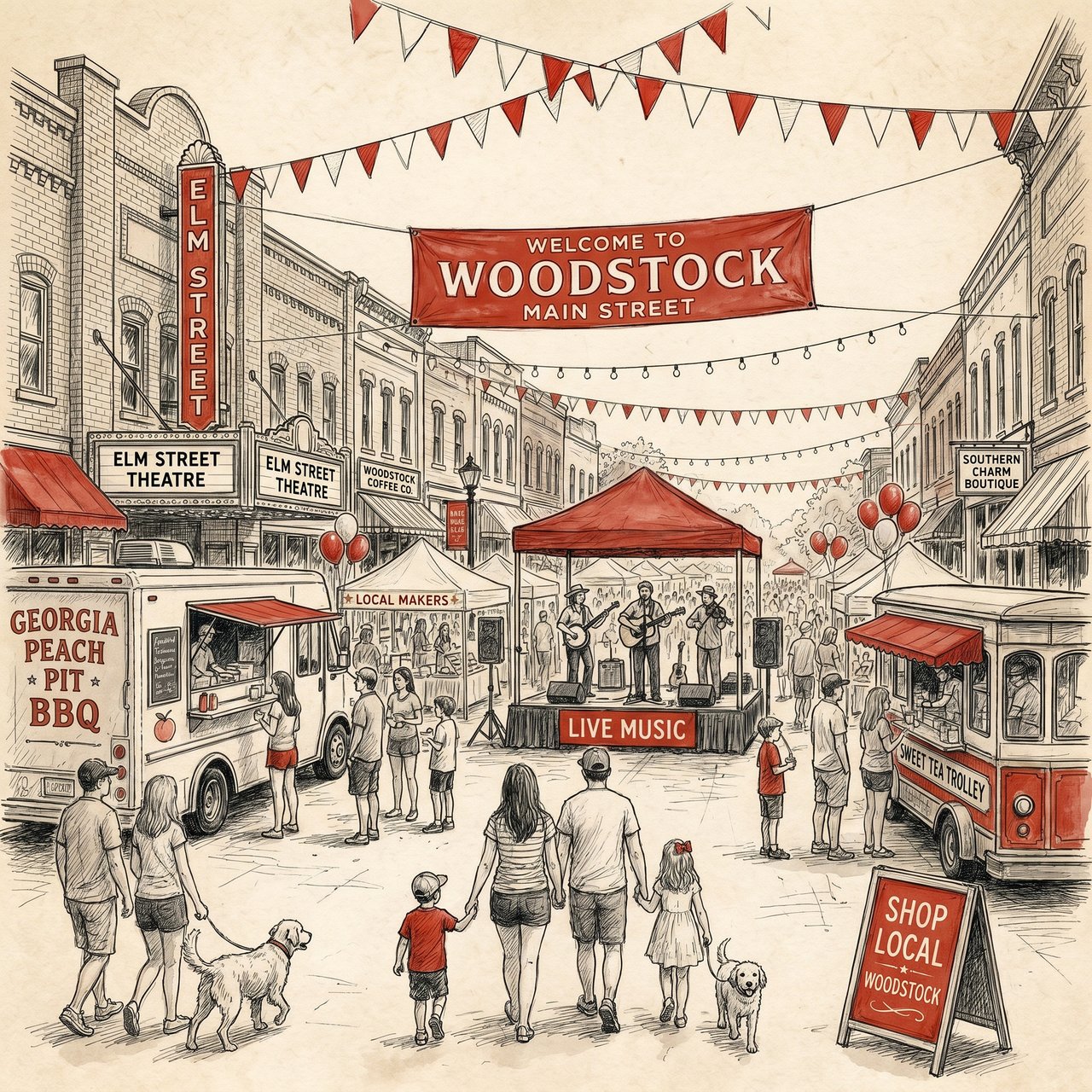
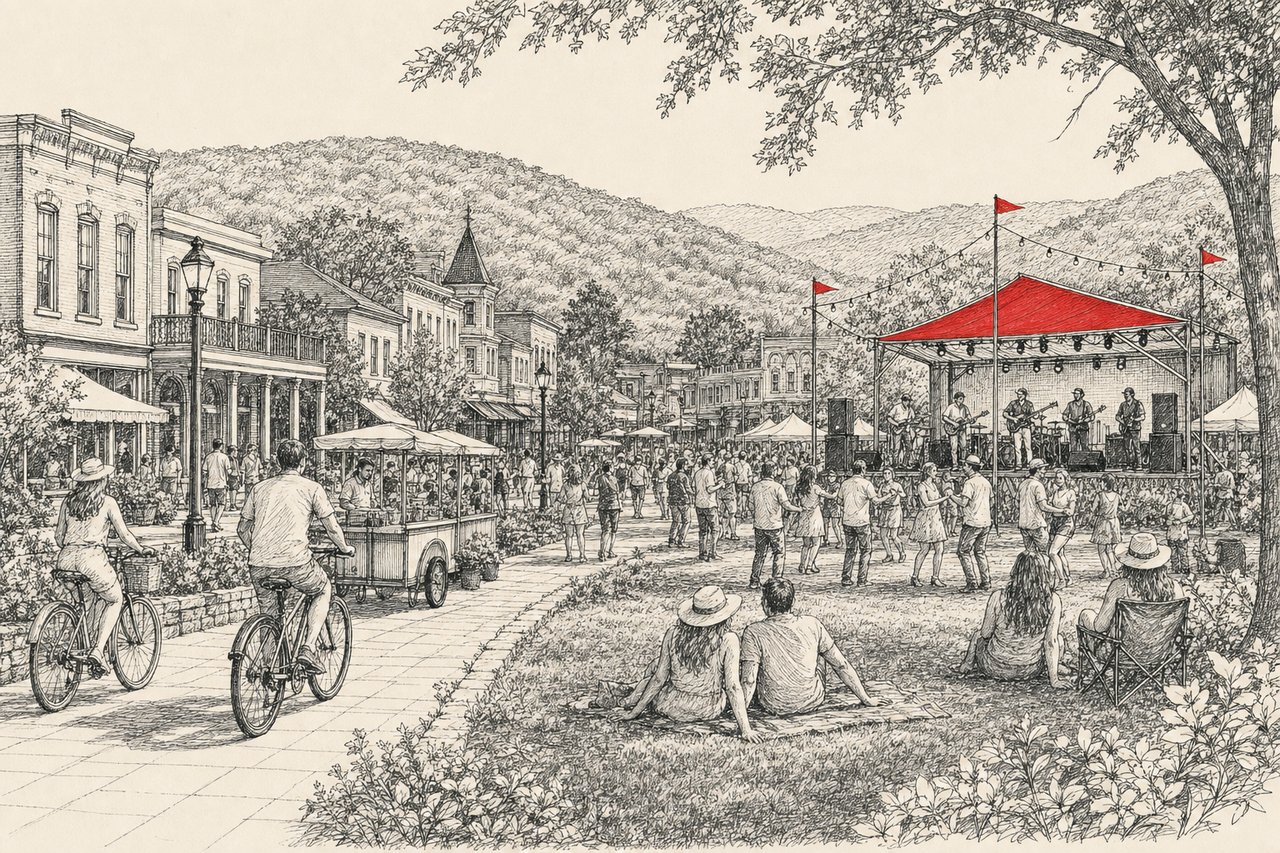
Downtown Woodstock concentrates dining, shopping, breweries, and entertainment into a compact, roughly one-mile stretch centered on Main Street. Because the destinations sit close together and a trolley links key stops, visitors can park once and explore on foot. That density of activity within a short walk is the core reason the district reads as a true walkable destination rather than a typical suburban strip.
A compact, activity-dense core
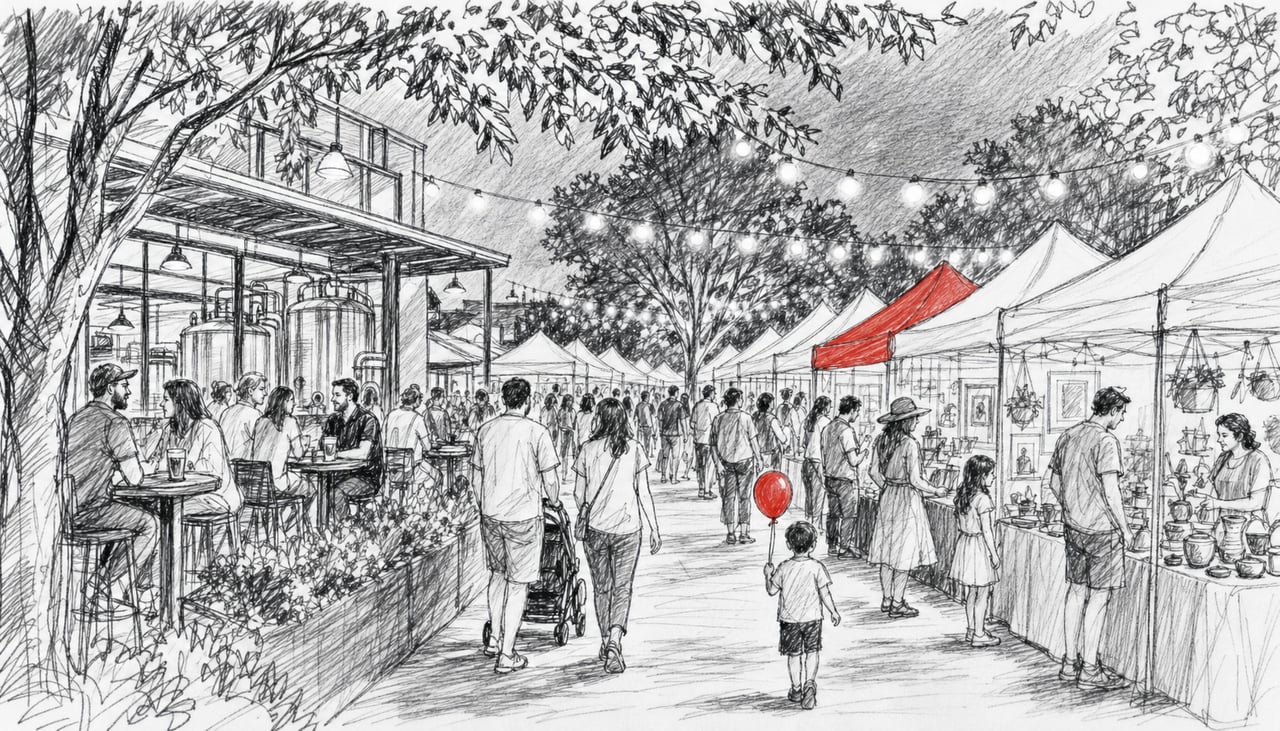
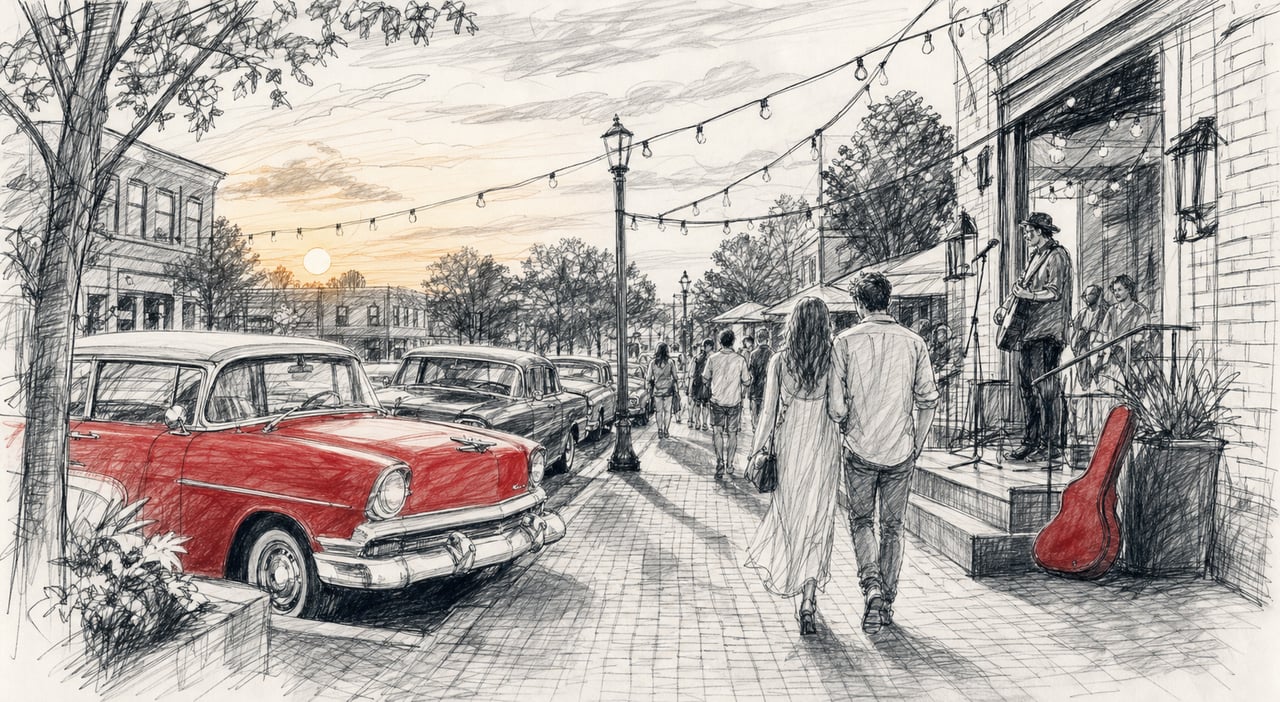
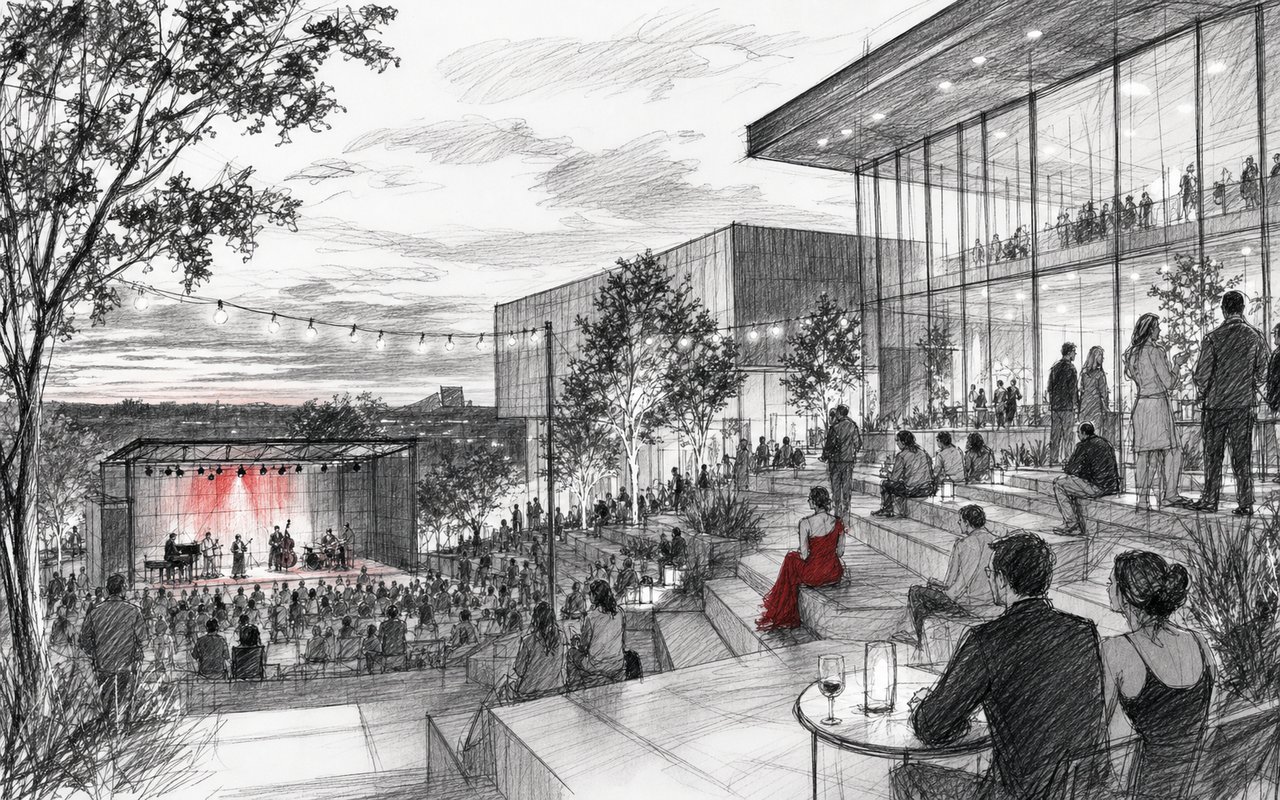
The district blends more than 20 restaurants, two breweries, several live music venues, local boutiques, and public art installations within about a one-mile radius. Having that many destinations packed so tightly means a single visit can combine a meal, a show, and a stroll past murals without ever returning to the car.
Park once and explore
A trolley connects key stops, including the brewery district, so visitors can leave the car in one spot and move through downtown on foot or by trolley. That ease of movement is central to the walkable experience and helps downtown function as a destination for a full afternoon or evening out.
How did historic preservation shape downtown's character?
Downtown Woodstock traces its identity to the early 1900s railroad era, and several historic buildings along Main Street have been preserved and repurposed. Restoration projects like the Woodstock Depot, Dean's Store, and the Century House gave the walkable core a distinct architectural character that newer suburban districts cannot easily replicate.
Notable preservation projects
The restored Woodstock Depot, now home to a restaurant, is one of the city's most visible preservation efforts, alongside Dean's Store and the Century House. These buildings anchor the streetscape with early-1900s architecture, giving pedestrians something to look at and reinforcing the sense of place that makes the district worth walking through.
Why history supports walkability
Preserved storefronts create a continuous, human-scaled streetscape that encourages people to slow down and wander. That texture, combined with the density of restaurants and shops, turns a simple errand into an experience and helps explain why downtown has become a repeat destination rather than a one-time stop.
Why does downtown draw repeat foot traffic?
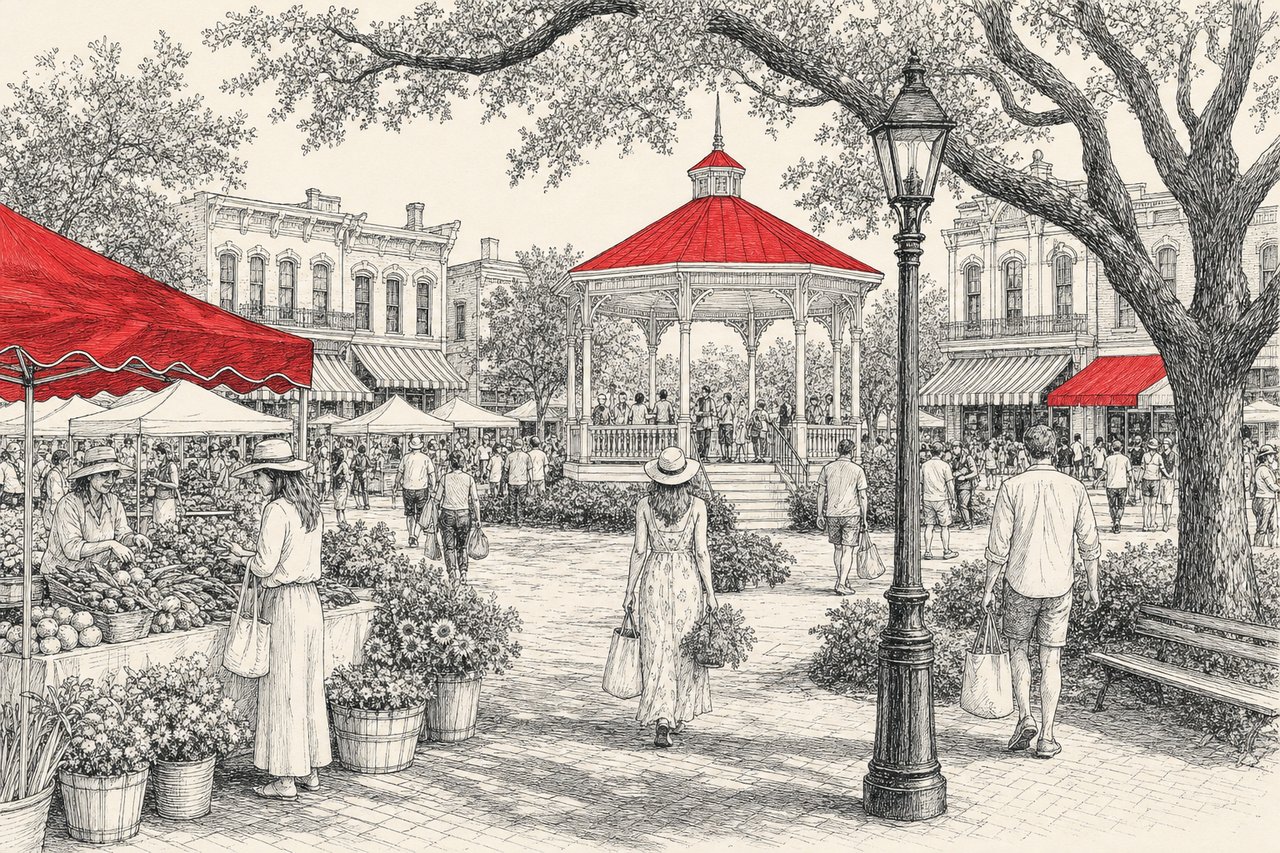
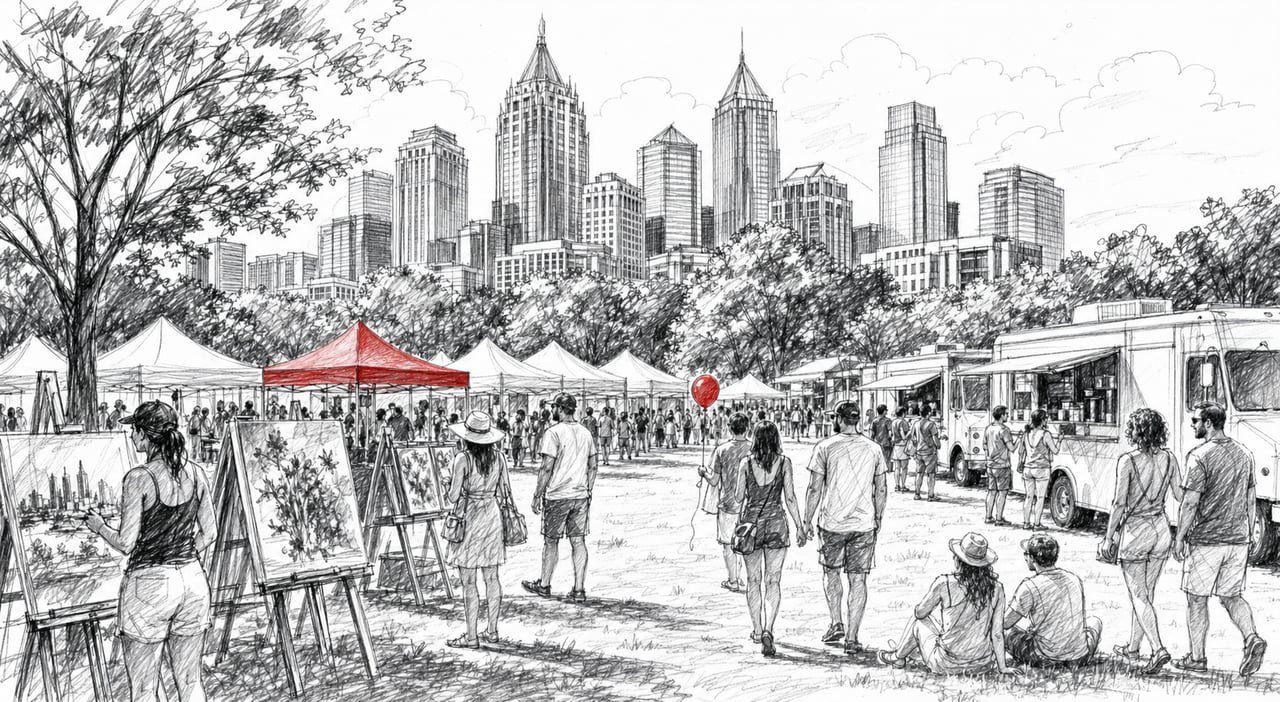
A packed events calendar keeps people coming back. The Farm Fresh Market runs Saturday mornings from mid-April through December, while the Downtown Crawl Series and Sip and Shop nights give residents recurring reasons to return. This steady programming, layered on top of the dining and retail mix, sustains foot traffic across all four seasons.
Recurring markets and events
Saturday's Farm Fresh Market draws a weekly crowd for much of the year, and evening programming like the Downtown Crawl Series and Sip and Shop nights adds after-hours energy. Regular events give both day-trippers and locals a rhythm of reasons to walk the district week after week.
A destination for locals and visitors
The mix of history, dining, breweries, and programming has made downtown a frequent stop for weekend outings close to home as well as day trips from around the metro. That dual appeal, drawing both residents and visitors, is what keeps the walkable core consistently active.
Frequently asked questions about downtown Woodstock
How big is downtown Woodstock's walkable district? The core spans roughly a one-mile radius along Main Street, packing more than 20 restaurants, two breweries, live music venues, boutiques, and public art into a compact, pedestrian-friendly footprint.
Is there a way to get around downtown without a car? Yes. A trolley connects key stops, including the brewery district, so visitors can park once and explore the district on foot or by trolley.
What events keep downtown Woodstock busy? Recurring programming includes the Saturday Farm Fresh Market from mid-April through December, plus the Downtown Crawl Series and Sip and Shop nights that draw repeat foot traffic year-round.
The takeaway for downtown Woodstock
Downtown Woodstock has become a walkable destination by combining a compact Main Street core, carefully preserved early-1900s architecture, and a year-round events calendar that keeps foot traffic steady. For anyone weighing a move to the area, that walkable, downtown-centric lifestyle is a defining feature of the city. Explore our related coverage on living near downtown Woodstock and current homes near Main Street. For visitor context, see the City of Woodstock visitor guide and the City of Woodstock official site.