Relocating to Atlanta as a luxury buyer is one of the more complex moves a household can make, and most relocation advice does not account for the realities of buying at the high end from another state. Purchasing a multimillion-dollar home in a city you cannot tour on a whim is not simply a larger version of a local transaction. It involves geography you have to learn from a distance, a market that rewards speed and certainty, and the logistics of running two households at once while a sale and a purchase move on separate timelines. This guide walks through how high-net-worth buyers approach an Atlanta relocation deliberately, so the decisions feel measured rather than reactive, and so the home you end up in still feels right two years from now.
Why relocating at the luxury level is different
The luxury relocation carries pressures that a typical move does not. The dollar figures are higher, which raises the cost of a mistake. The inventory is thinner, because the number of homes that genuinely fit a discerning buyer's requirements in a given price range and area is limited, and the best of them move quickly. And the buyer is frequently managing a demanding career or business through the move, which means time and attention are scarce. Add the emotional weight of uprooting a family, and the margin for a poorly informed decision shrinks considerably. The buyers who navigate this well treat the relocation as a structured project with clear phases rather than an open-ended search they fit in around everything else.
Start with how you will actually live in the city
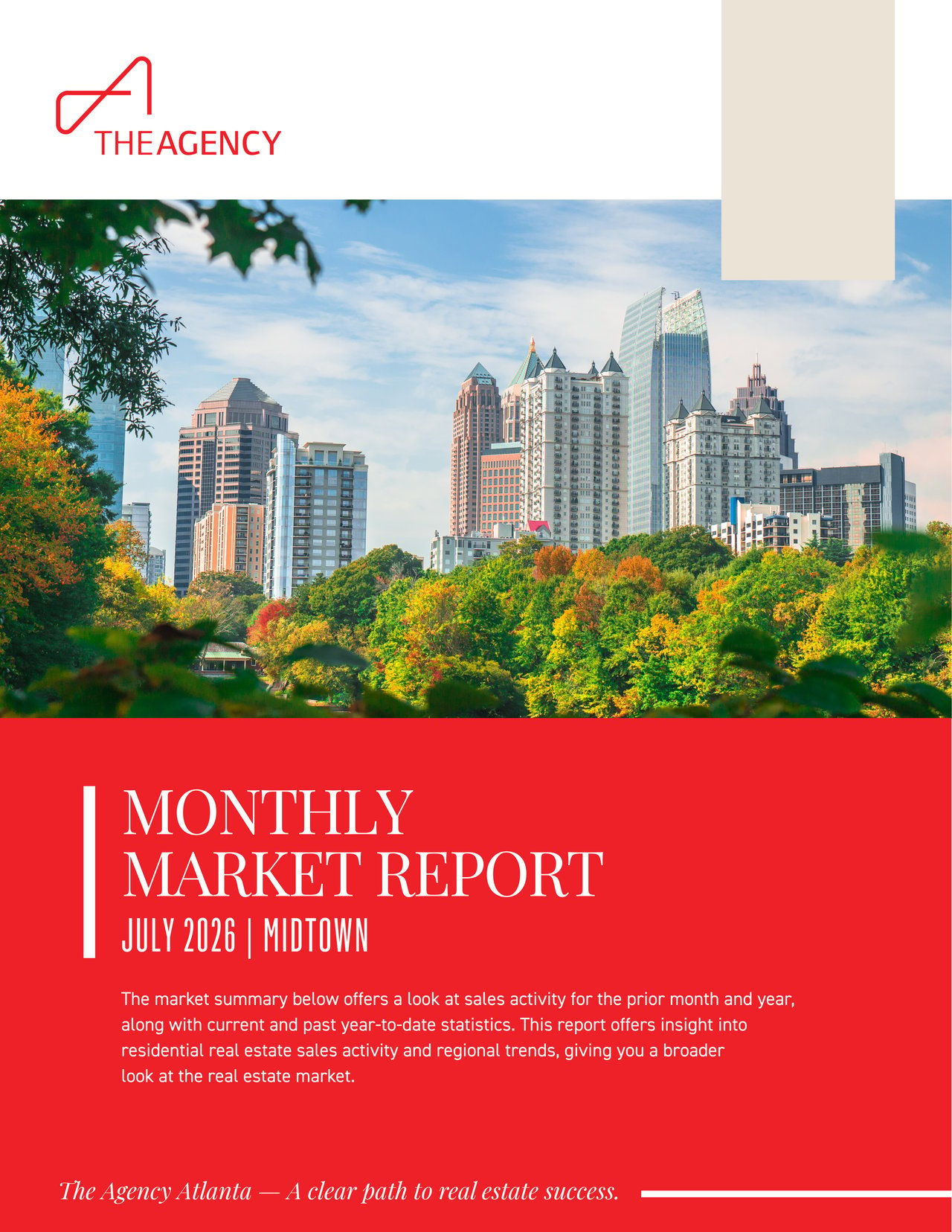
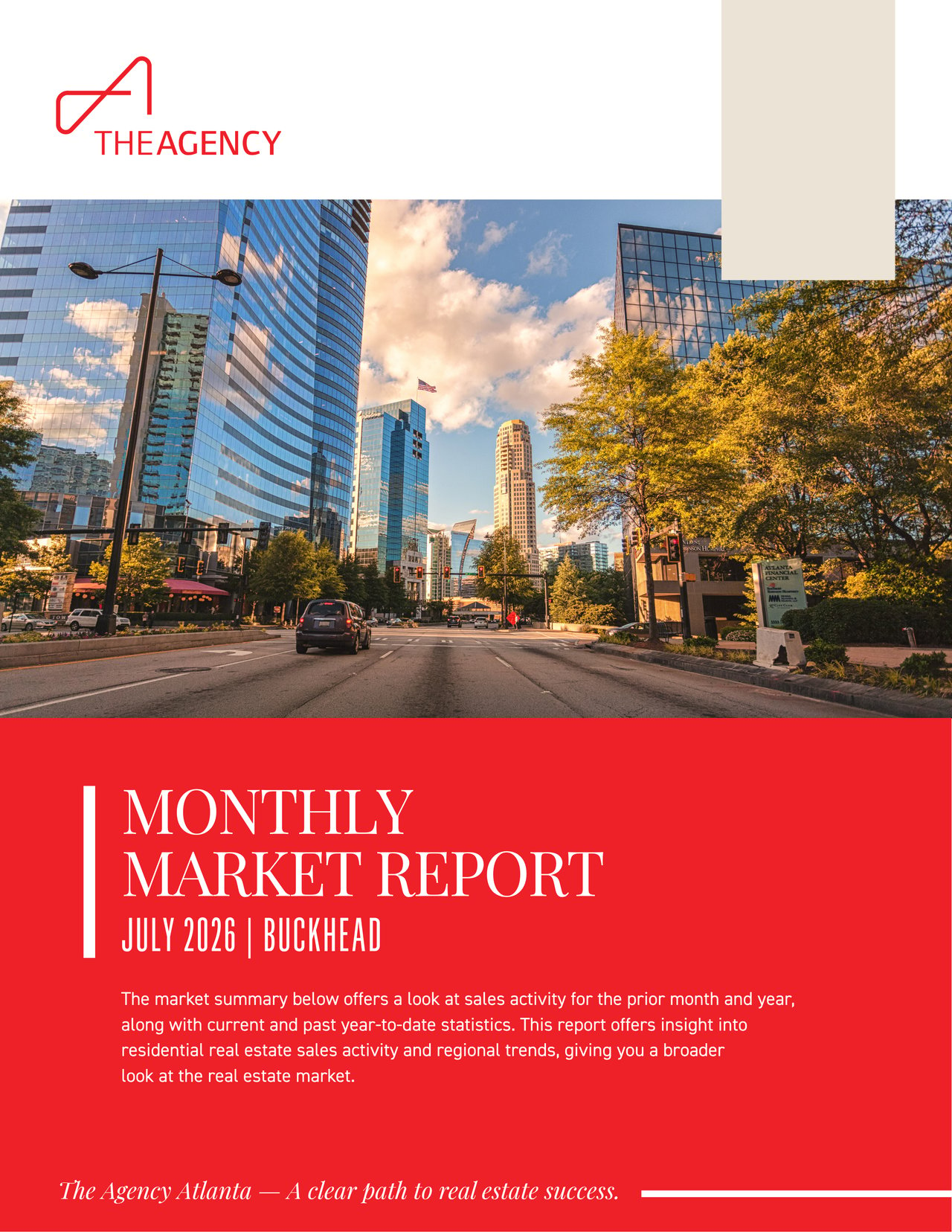
Before evaluating a single listing, the most valuable exercise is mapping your future daily life in Atlanta. The metro is large and decentralized, and the difference between a fifteen-minute commute and an hour-long crawl often comes down to which side of the city you choose. Begin by identifying your anchor points: the office or job center you will travel to most, Hartsfield-Jackson if you fly frequently, the schools or activities that will structure your week, and the places you expect to spend leisure time. Once those anchors are fixed on a map, the field of viable neighborhoods narrows on its own. A buyer whose professional life centers on Midtown's business corridor has a very different set of sensible options than one oriented toward Buckhead, Sandy Springs, or the communities further north.
Understand the commute realities before you commit
Traffic shapes daily life in Atlanta more than most newcomers anticipate. The perimeter highway, I-285, and the major north-south arteries can turn a short distance on a map into a long drive during peak hours. Two homes that look equally convenient on paper can deliver wildly different daily experiences depending on direction of travel and time of day. Spending real time understanding traffic patterns around your specific anchor points is one of the highest-value steps in the entire relocation, and it is far better done before you have emotionally committed to a particular house than after.
Match the neighborhood to your lifestyle, not just the house
It is easy to fall for an individual home and overlook whether its setting suits how you want to live. A buyer who wants walkability and an active dining scene will feel differently in a quiet estate enclave than one seeking privacy and acreage. Think honestly about whether you want a lock-and-leave property for frequent travel, a family compound with room to grow, or a walkable address near amenities. Defining this early keeps the search focused and prevents the all-too-common pattern of touring beautiful homes that were never going to fit the life you actually intend to lead.
Plan a focused, efficient buying trip
Out-of-state buyers rarely have the luxury of casual weekend browsing, so the buying trip has to be engineered for efficiency. The most effective approach is a concentrated visit, planned well in advance with your agent, that packs in carefully pre-screened homes across only the two or three areas you have already prioritized. This depends on genuine preparation before you ever board a flight: a firm budget, a tight and honest list of must-haves versus nice-to-haves, and an agent who has done the legwork to eliminate properties that do not fit so your limited hours on the ground are spent only on real contenders.
Lean on virtual tools between visits
Between trips, video walkthroughs, detailed photography, floor plans, and live video calls let you keep evaluating homes without flying back and forth for every new listing. Many luxury buyers now make strong, well-supported offers having first experienced a property primarily through their agent's eyes, then confirm their impressions in person before closing. The quality of this remote evaluation depends entirely on the agent. A trustworthy local representative who can walk a property on your behalf, point a camera at the things that matter, and tell you candidly what photos hide is the single most important relationship in a long-distance purchase.
Get your financing and proof of funds in order early
In a competitive luxury market, the buyers who win are the ones who can move without hesitation. Arrange your financing or document your proof of funds before you begin making offers, not after you have found the home you want. Sellers at the high end weigh certainty heavily, and a relocating buyer who can demonstrate readiness competes on equal footing with local buyers, while one still assembling financing risks losing the right home to someone who was simply better prepared. Engage a lender experienced with high-value transactions early, because jumbo financing and more complex income or asset profiles often require lead time that a standard loan does not.
Coordinate the timing of two homes
One of the hardest parts of any relocation is the overlap between selling where you are and buying where you are going. Trying to time two closings to land on the same day is stressful and rarely necessary. Options such as bridge financing, a rent-back arrangement with your buyer, or a short-term rental in Atlanta can relieve the pressure and give you room to make the purchase decision on its merits rather than under a deadline. Talk these scenarios through with your agent and financial advisor early, so a timing crunch never forces you into a compromise you would not otherwise accept.
Build the right local team
A smooth luxury relocation rests on a coordinated team: a knowledgeable buyer's agent, a lender comfortable with high-value and sometimes complex financing, a real estate attorney where appropriate, and trusted referrals for movers, inspectors, contractors, and the trades you will inevitably need after closing. The agent typically anchors this network. The real value of working with someone deeply established in Atlanta is that they can assemble and vouch for this team on your behalf, saving the months it would otherwise take to vet each professional from another state and giving you confidence that the people handling your move have a track record worth trusting.
Think past the closing date
The relocation does not end when you get the keys. Settling into a new city involves establishing routines, finding the services and providers that fit your standards, and getting to know a neighborhood from the inside. A well-connected agent often becomes a long-term resource here, pointing you toward everything from the right contractor for a renovation to the practical local knowledge that turns a new address into a home. Choosing a representative with that depth of community ties pays dividends well beyond the transaction itself.
Frequently asked questions
How early should I start planning an Atlanta relocation?
Begin the research and team-building phase several months ahead of your intended move. Defining your anchor points, narrowing target areas, and lining up financing early makes the eventual buying trip dramatically more productive and lowers the odds of a rushed decision.
Can I buy a luxury home in Atlanta without visiting in person?
Many buyers complete most of the process remotely using video tours, detailed media, and a trusted local agent acting as their eyes. An in-person visit before closing is still strongly recommended for a purchase of this size, but it does not have to come at the very start of the search.
What is the biggest mistake out-of-state buyers make?
Underestimating how much geography and traffic shape daily life. Choosing a home or area before genuinely understanding commutes and anchor points leads to regret more often than any other single factor in an Atlanta relocation.
How do I choose the right neighborhood from another state?
Start with your anchor points and lifestyle priorities rather than individual listings, then rely on a local agent to translate those priorities into specific areas. Pair that guidance with your own research on commute patterns and the daily rhythm of each neighborhood.
Work with an Atlanta relocation specialist
This article is general information and not financial or legal advice. For a tailored relocation plan and a curated home search built around how you actually want to live, connect with a member of The Agency Atlanta team to start the conversation.