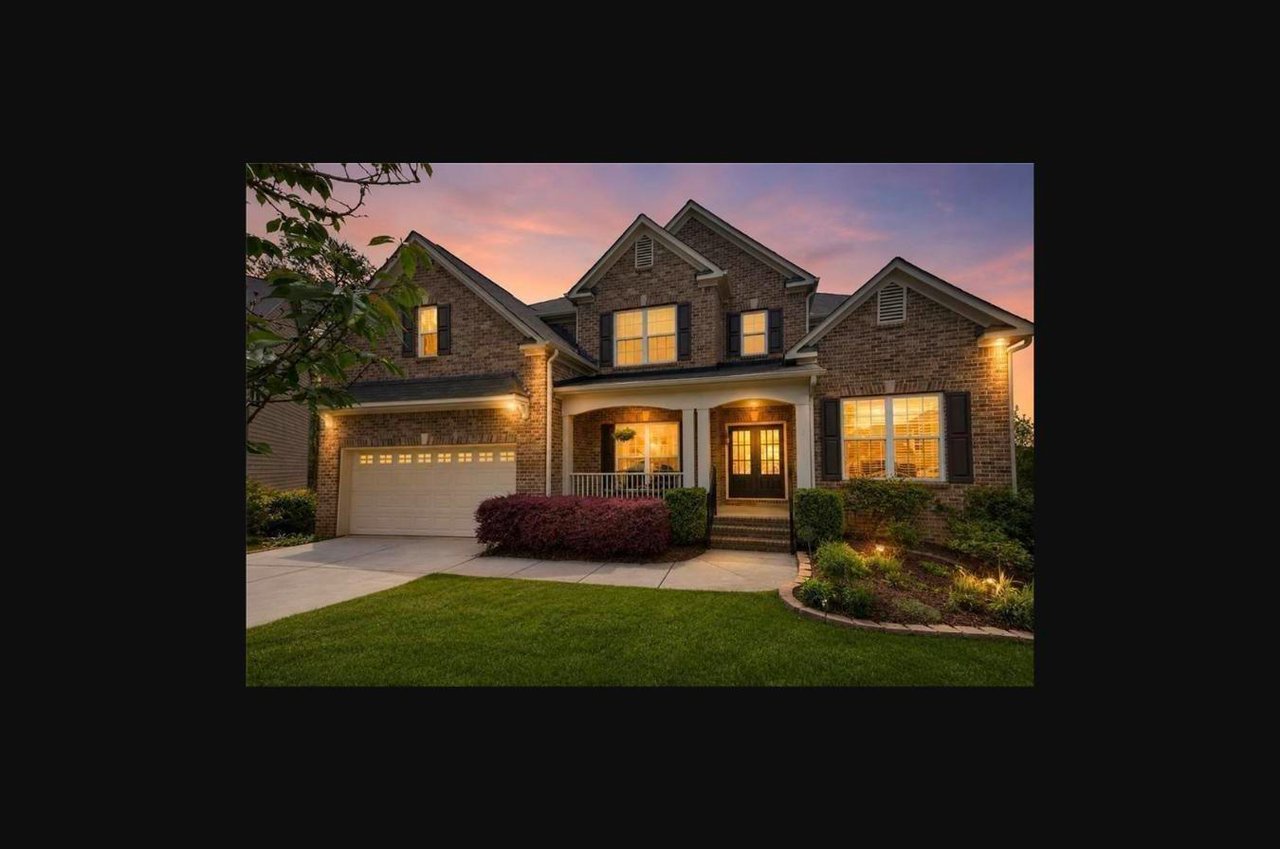
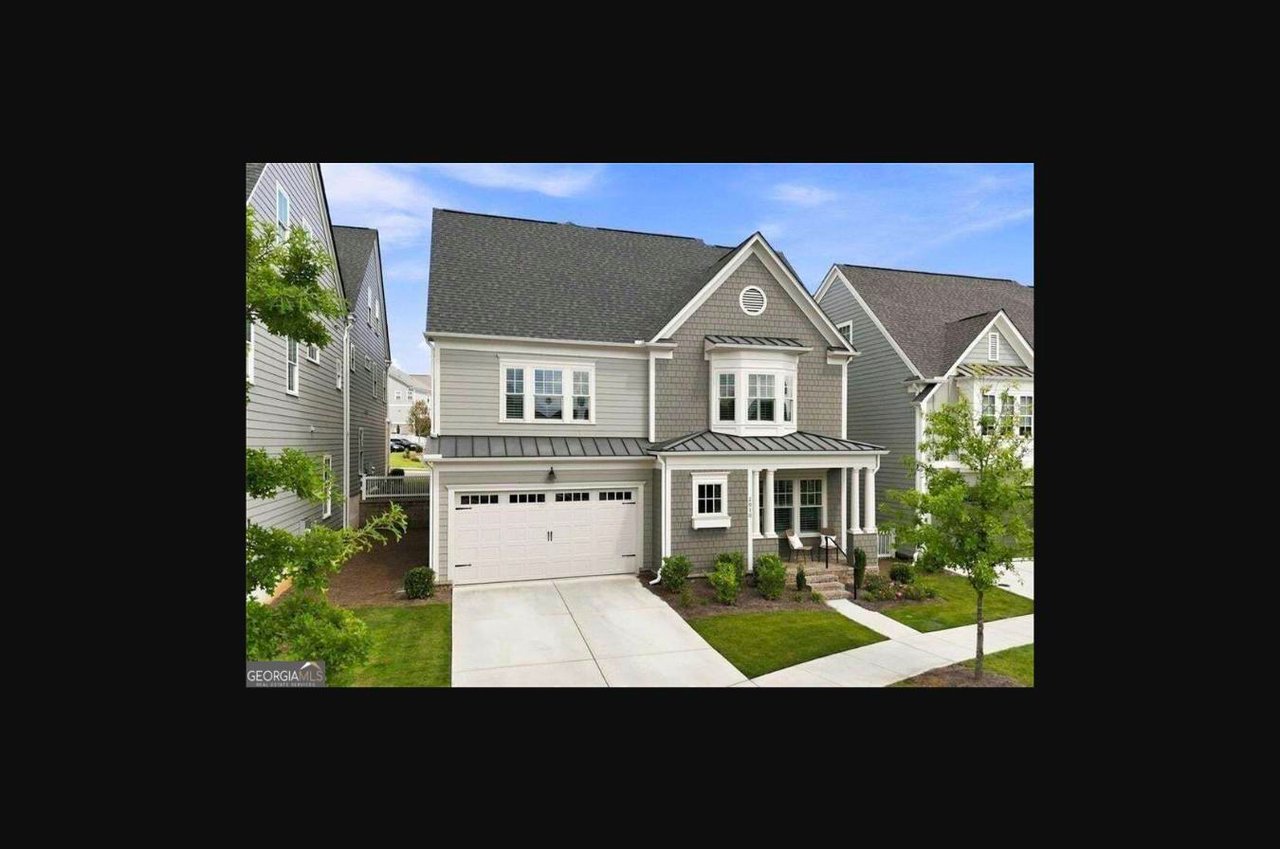
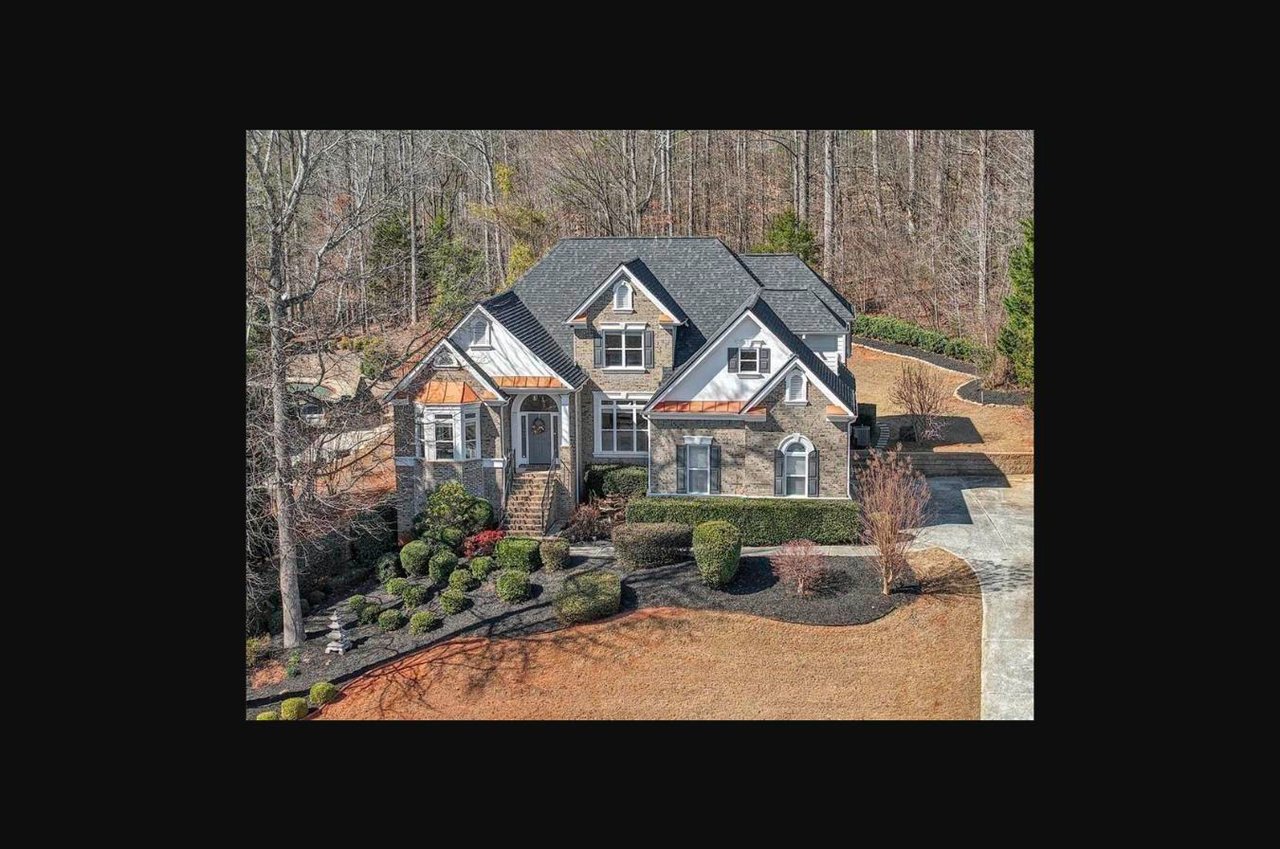
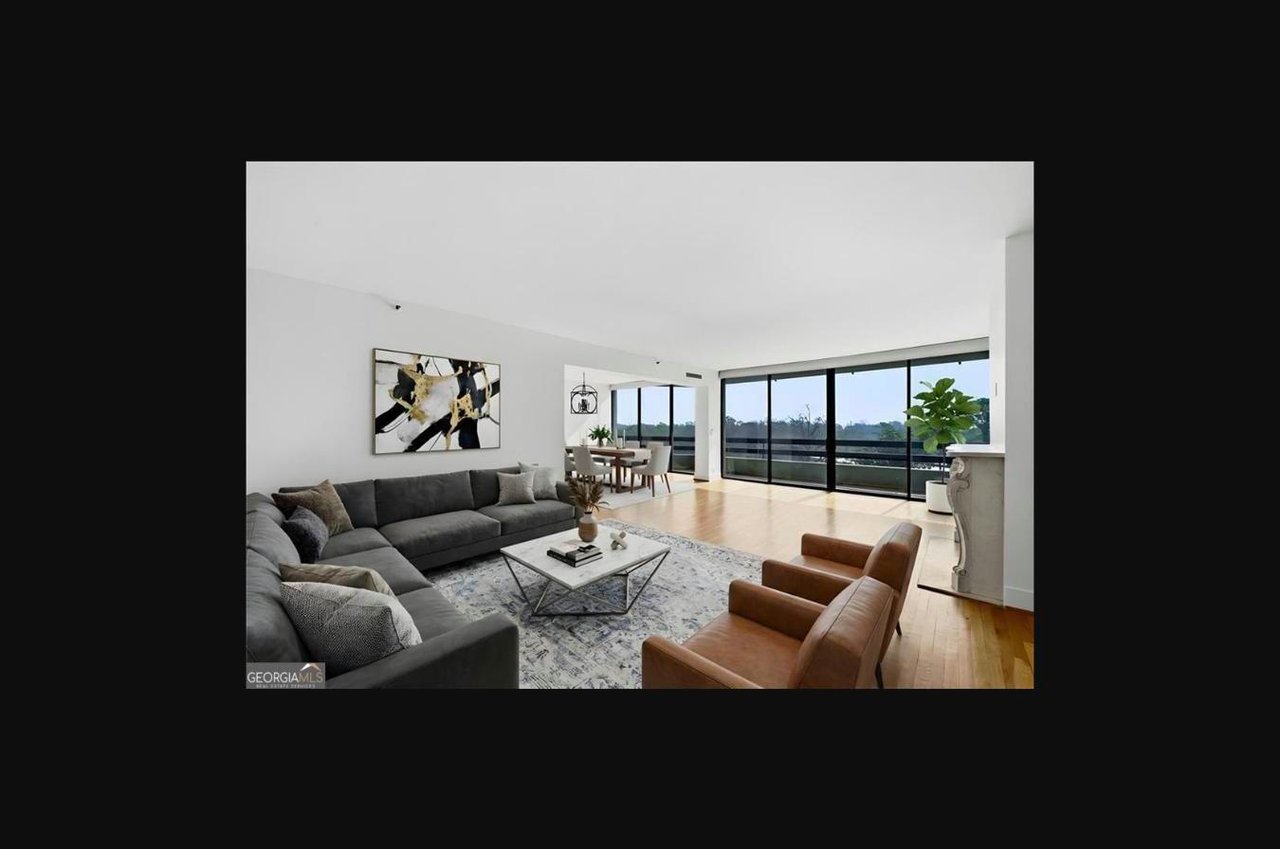
If you follow Metro Atlanta real estate, Avondale Estates home prices are the number that keeps jumping off the page. This one-square-mile city in DeKalb County, built around a Tudor-style town green, has quietly become one of the tightest and fastest-appreciating micro-markets in the region. Over the three months ending May 2026, the median sale price climbed 23.1 percent year over year to roughly $682,000, a pace almost no neighboring suburb is matching. This post explains what is really driving that headline, how competing data sources read the same market so differently, and what a small, volatile market means for anyone trying to time a purchase or price a listing.
What is actually driving Avondale Estates home prices in 2026?
The short answer is thin inventory colliding with steady demand. Because the city covers only about one square mile with a limited housing stock, only a handful of sales close in any given quarter, so a few high-value transactions can swing the median dramatically. The 23.1 percent year-over-year jump to about $682,000 (three months ending May 2026) reflects that low-volume math as much as it reflects broad appreciation across every street in town.
Why one small city produces such large percentage swings
When a market records only a small number of closings per month, each sale carries outsized statistical weight. A single renovated home near the town green trading well above the norm can lift the reported median far more than it would in a high-volume submarket. That is why Avondale Estates can post double-digit swings in either direction while the underlying pace of buying and selling stays relatively calm.
Demand drivers that keep pressure on prices
Buyers are drawn to the compact, walkable downtown, the lake, and the Tudor-inflected architecture that gives the city a distinct identity inside DeKalb County. That identity concentrates demand on a very limited housing stock, and limited supply against consistent interest is the classic recipe for upward price pressure and fast-moving listings.
Why do Zillow, Realtor.com, and local sale data disagree so much?
They measure different things. Sale-price medians track what closed, while automated home-value models estimate what a typical home is worth. In a low-volume market that gap widens. For the period around May 2026, local sale data showed a median near $682,000, Zillow's average home value estimate sat closer to $520,000 to $534,000, and Realtor.com listed a median list price around $642,000. None is wrong; they simply answer different questions.
Sale-price median versus automated value estimate
A sale-price median is a snapshot of actual transactions in a short window, so it moves with whichever homes happen to sell. An automated valuation model blends the entire housing stock, including homes that are not for sale, which smooths out the extremes. In Avondale Estates the difference between these two methods can be well over $100,000, which is why a single source should never be treated as the last word.
What Realtor.com listing data adds
Realtor.com data from the same window showed year-over-year list-price growth above 37 percent and homes typically going under contract in about 33 days. Listing-price growth captures seller expectations rather than closed results, so it tends to run ahead of the sale-price median and signals how confident sellers feel setting their asking prices.
How should buyers and sellers read a market this volatile?
Treat any single month or single statistic with caution. In a market this small, the smartest move is to look at a rolling multi-month trend and a professional market analysis of comparable homes rather than reacting to the headline percentage. A price opinion built on recent comparable sales will describe the reality of a specific street far better than a citywide median.
Guidance for buyers timing a purchase
Because a few sales can distort the median, buyers should focus on the specific home type they want and its typical comparable sale, not the topline growth rate. A block near the town green may behave very differently from the edges of the city, so narrow the analysis to true comparables before deciding whether current pricing is aggressive or fair.
Guidance for sellers pricing a listing
Sellers can be tempted to anchor to the highest recent sale, but overpricing in a thin market can leave a home sitting while the next comparable sale resets expectations. A grounded price opinion, refreshed with the latest closings, protects a listing from chasing a number that a single outlier sale created.
Frequently asked questions about Avondale Estates real estate
Why is the median home price so much higher than the Zillow estimate? Because a sale-price median tracks only the homes that actually closed in a short window, while Zillow's estimate models the entire housing stock. In a low-volume city like Avondale Estates, a few high-value sales can push the closed median far above a blended automated value.
Is a 23 percent jump sustainable? Percentage swings this large are typical of very small markets and often normalize as sales volume shifts. The more reliable signal is a multi-month trend and an analysis of comparable homes rather than a single headline number.
How fast are homes selling in Avondale Estates? As of May 2026, listings were typically going under contract in about 33 days, a pace that reflects steady demand against a very limited supply of homes for sale.
The takeaway for Avondale Estates in 2026
Avondale Estates is a genuinely high-demand micro-market, but its eye-catching volatility is driven as much by thin sales volume as by uniform appreciation. Buyers and sellers should resist reacting to headline percentages and instead lean on a current market analysis of true comparable properties, watching fundamentals like active inventory and days on market. If you are weighing a move in this one-square-mile city, connect with a local agent for a tailored read, and explore our related coverage on DeKalb County micro-markets and how to price a home in a low-inventory market. For current data, see Zillow's Avondale Estates home value data and Realtor.com market trends.