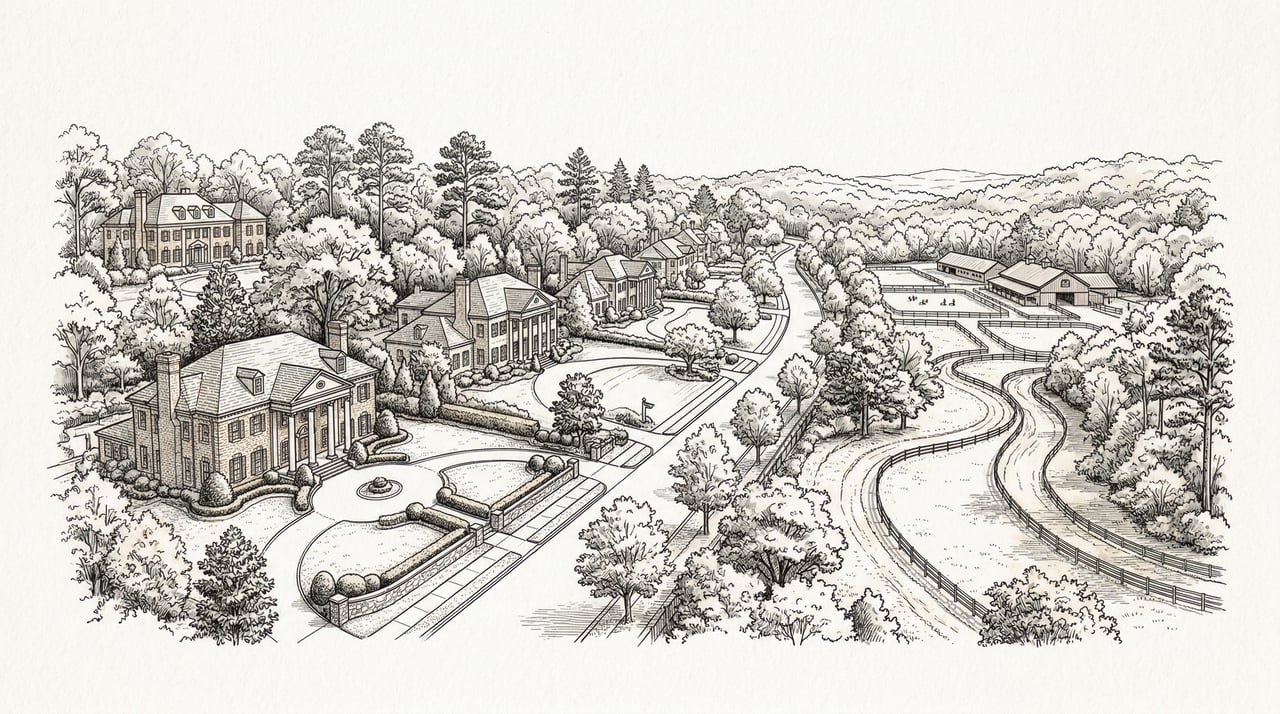
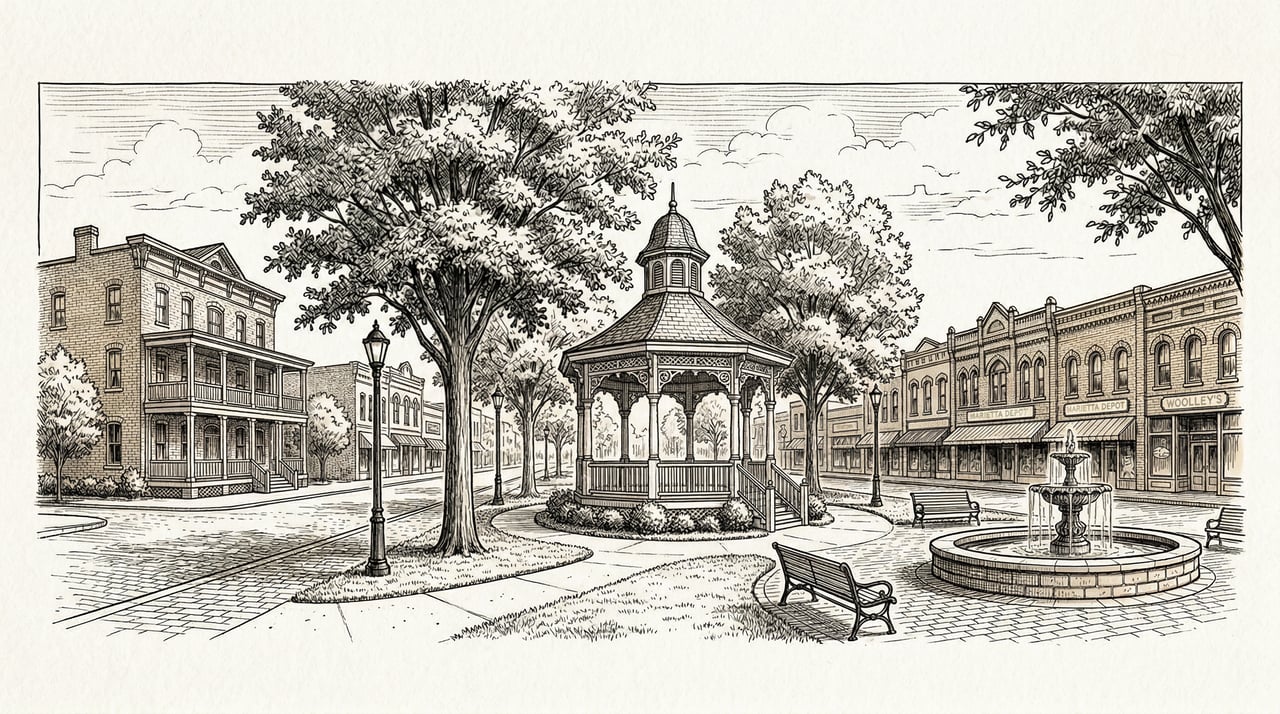
Atlanta's historic neighborhoods are among the most desirable addresses in the city, and for good reason. The architecture, the tree-lined streets, and the sense of permanence are nearly impossible to recreate in new construction. Buyers drawn to homes in districts like Inman Park, Grant Park, and Druid Hills often want to renovate, whether to update systems, add a primary suite, or restore original details. What surprises many owners is that renovating a home in a designated historic district follows a different process than renovating elsewhere in the city. This guide explains how that process works and what to expect.
Why historic districts have extra rules
Atlanta has more than twenty designated historic districts, each created to protect the architectural character that makes the neighborhood distinctive. When the city designates a district, it establishes an overlay zoning layer with its own regulations on top of the standard zoning rules. The goal is to make sure changes to a home's exterior, additions, and new construction remain compatible with the surrounding historic fabric. The interior of your home is generally yours to reimagine, but exterior work tends to draw the most review.
The Certificate of Appropriateness explained
The central concept to understand is the Certificate of Appropriateness, often shortened to COA. In a designated historic district, you typically need a COA before you can pull a building permit for qualifying exterior work. The city's preservation staff and, depending on the scope, a review board evaluate your plans to confirm they fit the historic character of the property and the neighborhood. Routine interior updates and ordinary maintenance usually fall outside this requirement, but additions, demolition, new construction, and changes to materials and architectural features generally trigger review.
One detail that catches owners off guard is the lower spending threshold in historic districts. In much of the city, smaller projects can proceed with minimal review, but in a designated historic area the threshold that triggers formal approval is significantly lower. That means even a modest exterior project may require a COA before work begins. Confirming this early prevents costly surprises mid-project.
What the review actually looks at
Preservation review focuses on protecting the features that define a contributing historic home. Reviewers look at whether deteriorated original features are being repaired rather than replaced, and when replacement is unavoidable, whether the new feature matches the original in design, material, color, and texture. For additions and new construction, the work should be compatible with the massing, size, scale, and architectural features of the historic property while remaining distinguishable from the original. In practice this means a thoughtful addition that complements the home is far more likely to sail through than one that overwhelms it.
Common projects that need approval
Exterior alterations, additions that change the footprint or roofline, demolition of any portion of a contributing structure, replacement of windows and doors, changes to siding or masonry, and new construction on the lot are the projects that most often require a COA. Painting and in-kind repairs are usually more straightforward, though it is always worth confirming with preservation staff.
The step-by-step process
The path is more predictable than it sounds once you know the sequence. First, confirm your property's status using the city's GIS property search, which tells you your zoning district and whether a historic overlay applies. Second, review the design guidelines for your specific district, since each one has its own standards. Third, prepare your plans with those guidelines in mind and submit your application for a Certificate of Appropriateness. Fourth, work through staff review, and for larger projects, a hearing before the preservation commission. Only after the COA is issued do you move on to standard building permits and construction.
Some neighborhoods also route proposals through a Neighborhood Planning Unit, the city's community input system, before final action. Building that step into your timeline keeps the process smooth rather than frustrating.
How long it takes and how to plan
Minor projects that clearly meet the guidelines can move quickly through staff-level review. Larger additions or anything requiring a commission hearing take longer and should be planned around the board's meeting schedule. The single best way to compress the timeline is to design within the guidelines from the start. Owners who try to push a design that conflicts with the district's character usually face revisions and delays, while those who engage the rules early tend to move through review efficiently.
Assembling the right team
Renovating a historic home rewards experience. An architect familiar with Atlanta's preservation guidelines, a contractor who has completed COA projects before, and an agent who understands which neighborhoods carry overlays all make the process smoother. The investment in the right team usually pays for itself by avoiding rejected applications and rework. It also protects the home's value, since a renovation done in keeping with the district's character preserves exactly what made the property desirable in the first place.
Frequently asked questions
Do I need a Certificate of Appropriateness for interior work?
Generally no. Interior renovations and ordinary maintenance typically fall outside COA review. The requirement focuses on exterior alterations, additions, demolition, and new construction that affect the historic character visible from the public realm.
How do I find out if my home is in a historic district?
Use the City of Atlanta's GIS property search to check your zoning district and any overlays. A local agent or the city's preservation staff can also confirm a property's status quickly before you buy or begin planning.
Will historic district rules limit what I can do to the home?
They shape exterior changes rather than prohibit renovation. Thoughtful additions and updates are routinely approved when they respect the home's scale, materials, and character. Interior reconfiguration is generally unrestricted.
Does buying in a historic district affect resale value?
Designation tends to protect neighborhood character, which many buyers see as a benefit. Homes renovated in keeping with the guidelines generally hold their appeal because the qualities that define the district remain intact.
Planning a historic renovation in Atlanta?
Whether you already own a home in a historic district or are searching for one to restore, understanding the process up front makes all the difference. To talk through a specific property or find a home suited to the renovation you have in mind, visit our website to connect with The Agency Atlanta.