Doraville real estate is being reshaped by one of the more dramatic adaptive-reuse stories in the Southeast. Assembly Atlanta has transformed 135 acres of a shuttered General Motors assembly plant into Georgia's largest purpose-built production campus. For anyone researching how large-scale redevelopment ripples into nearby home values, this is a live case study. This post explains what Assembly Atlanta is, why the project matters beyond the film industry, and how a major employment and production campus historically influences residential values and rental demand in the surrounding area.
What is Assembly Atlanta and why does it matter?
Assembly Atlanta is a purpose-built production campus developed by The Gipson Company in partnership with Gray Television on the site of a former General Motors assembly plant in Doraville. Spanning 135 acres, it is described as Georgia's largest such campus and won a 2025 Best in Real Estate award from the Atlanta Business Chronicle in the industrial and e-commerce category. It represents only the first phase of a longer mixed-use transformation.
From brownfield to production campus
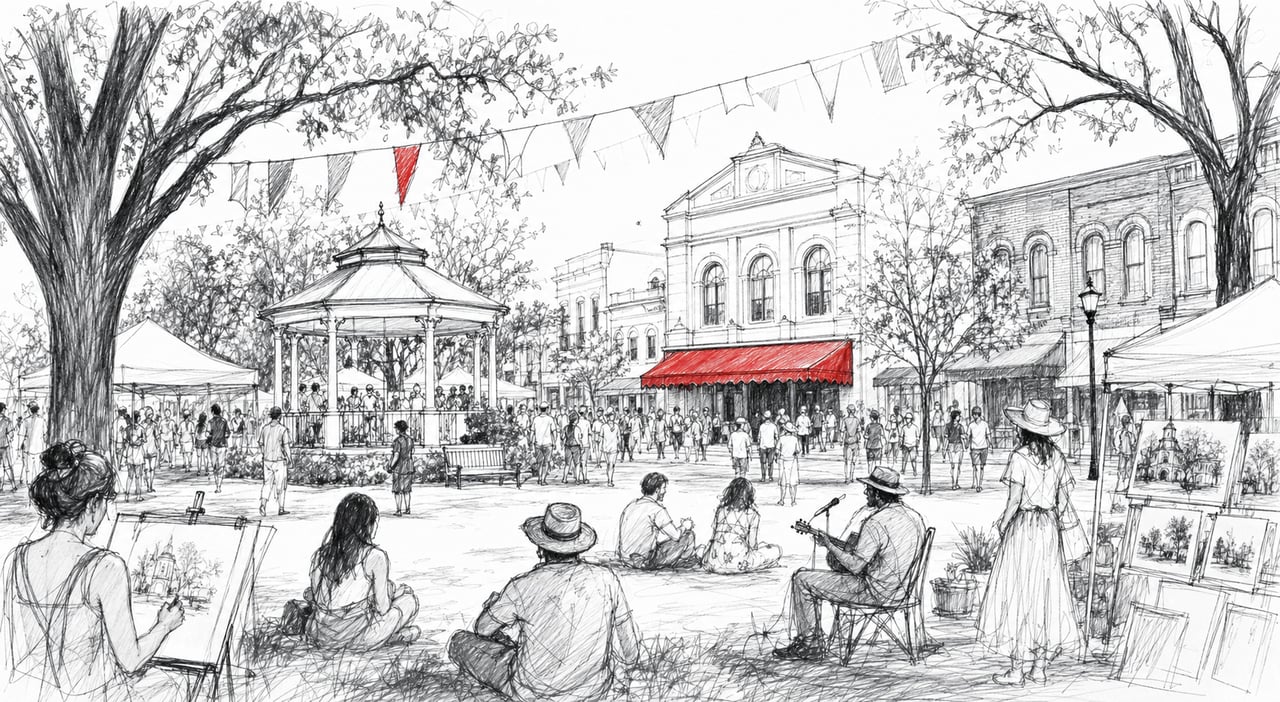
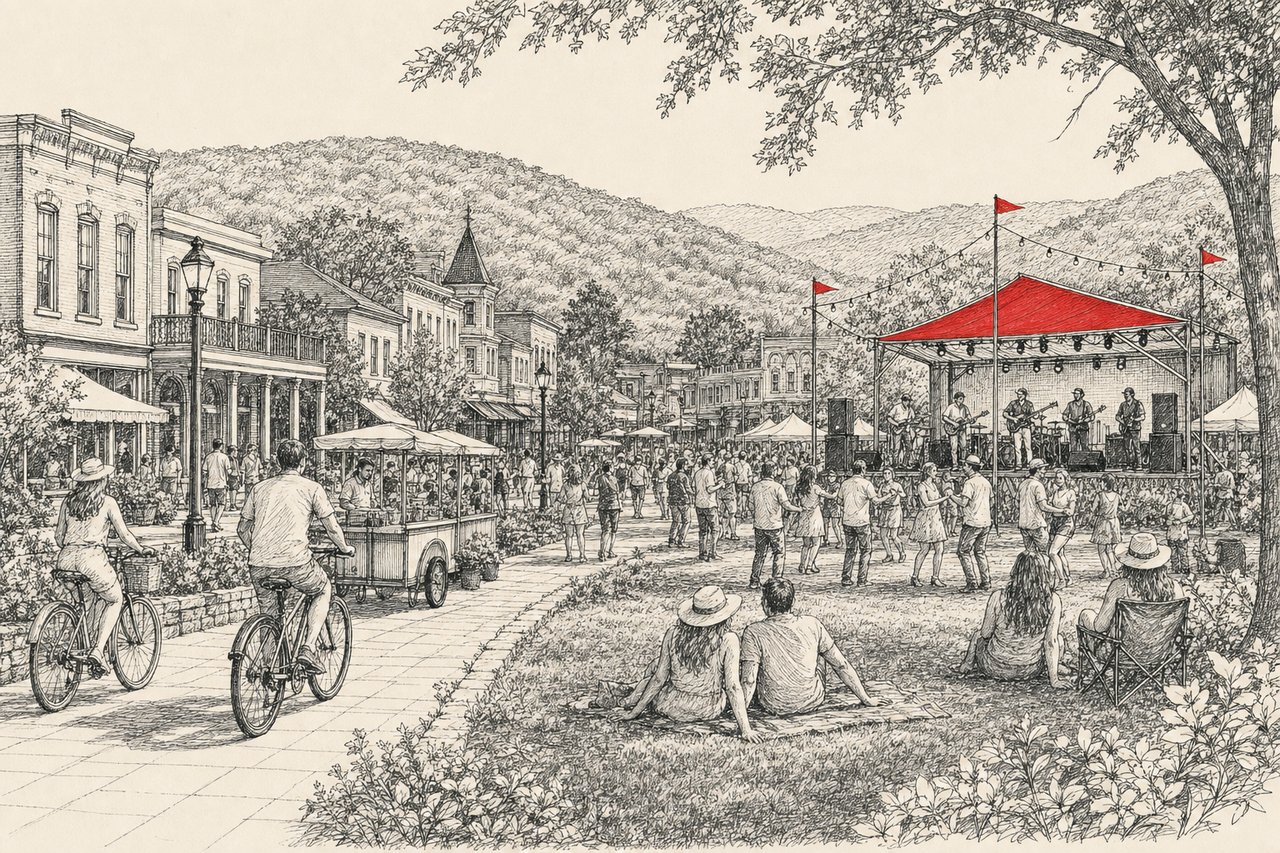
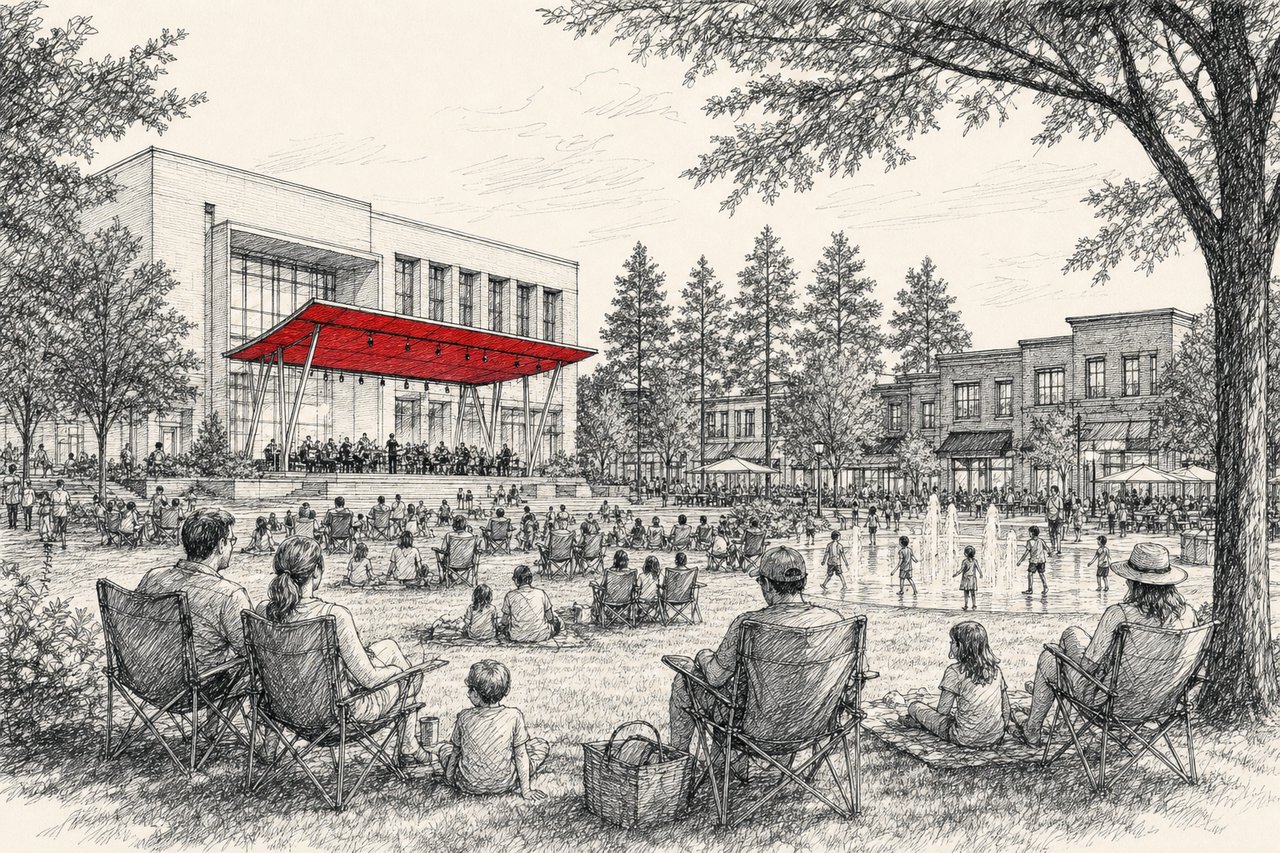
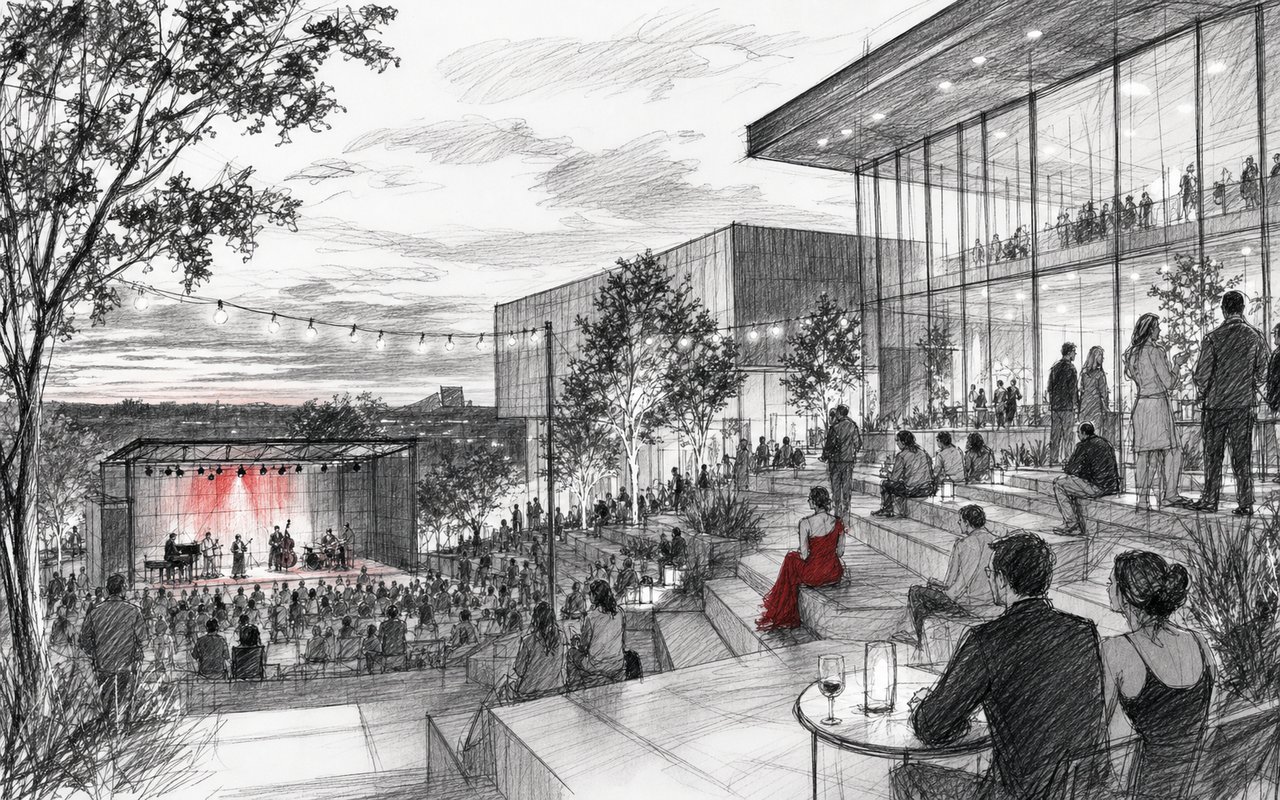
The GM plant sat as a large brownfield site defined by heavy manufacturing. The redevelopment brought back walkable streets, open space, and ecological systems, converting an industrial relic into an active campus. That kind of transformation changes how the surrounding area is perceived, which is often the first step toward shifting residential demand.
Only the first phase
Assembly Atlanta is planned as a multi-phase, mixed-use development, so the production campus is the anchor rather than the finished product. Future phases typically add housing, retail, and office components, which is why nearby residential inventory may begin to price in expected growth well before later phases are complete.
How does a major redevelopment influence nearby home values?
Large employment and production anchors tend to lift surrounding residential values and rental demand over time. New jobs bring workers who need housing, amenities follow the activity, and perception of the area improves. This pattern has played out around adaptive-reuse anchor projects nationally, and Doraville now sits in the early innings of that cycle.
The jobs-to-housing connection
Production campuses employ crews, vendors, and support businesses, and those workers often want to live near where they work. Even when many roles are project-based, sustained activity at a large campus creates ongoing housing and rental demand nearby, which can tighten inventory and support prices over time.
The perception shift
Turning a shuttered industrial site into a walkable, award-winning campus reframes how buyers and renters view the surrounding area. Perception drives real estate demand, and an anchor project that wins recognition and adds green space can accelerate interest in nearby homes well before later phases deliver.
Is Doraville's remaining housing inventory pricing in future growth?
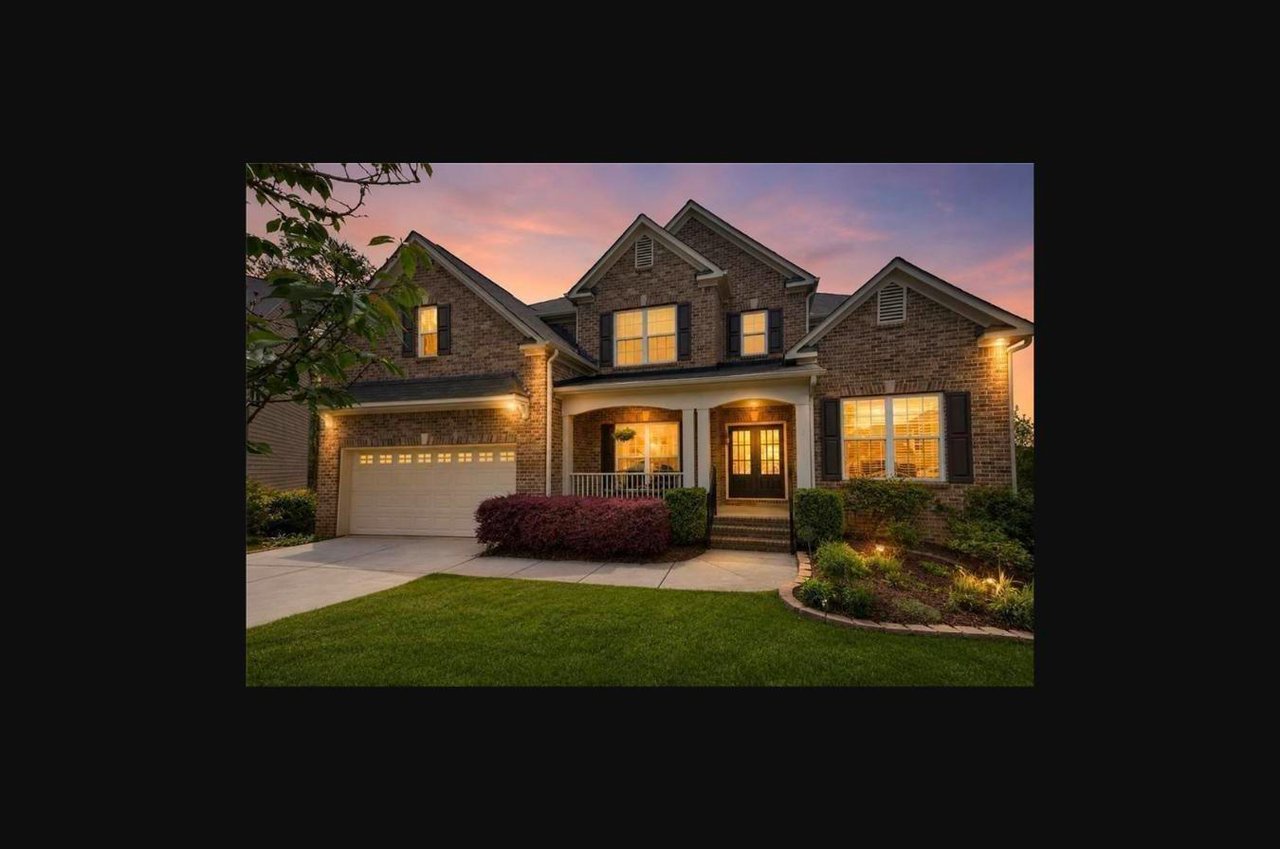
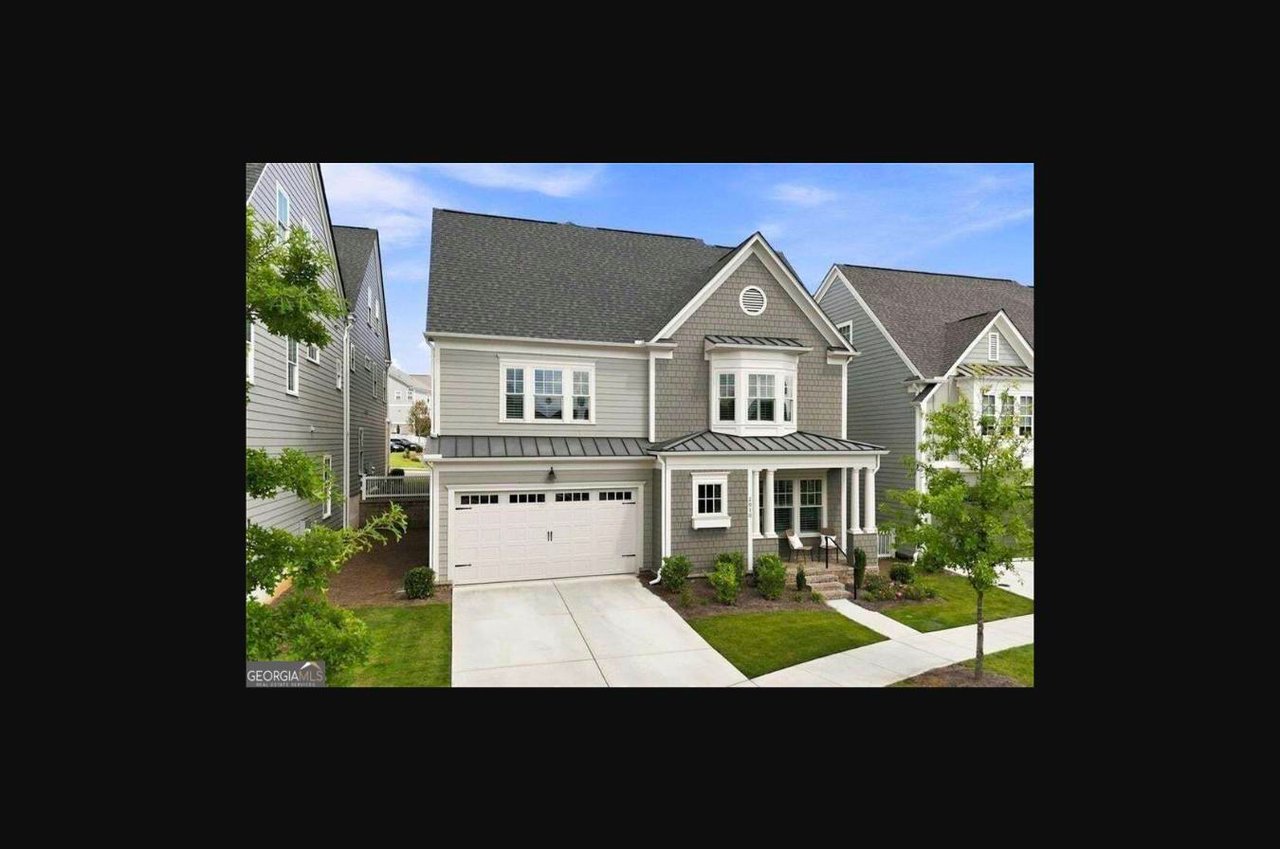
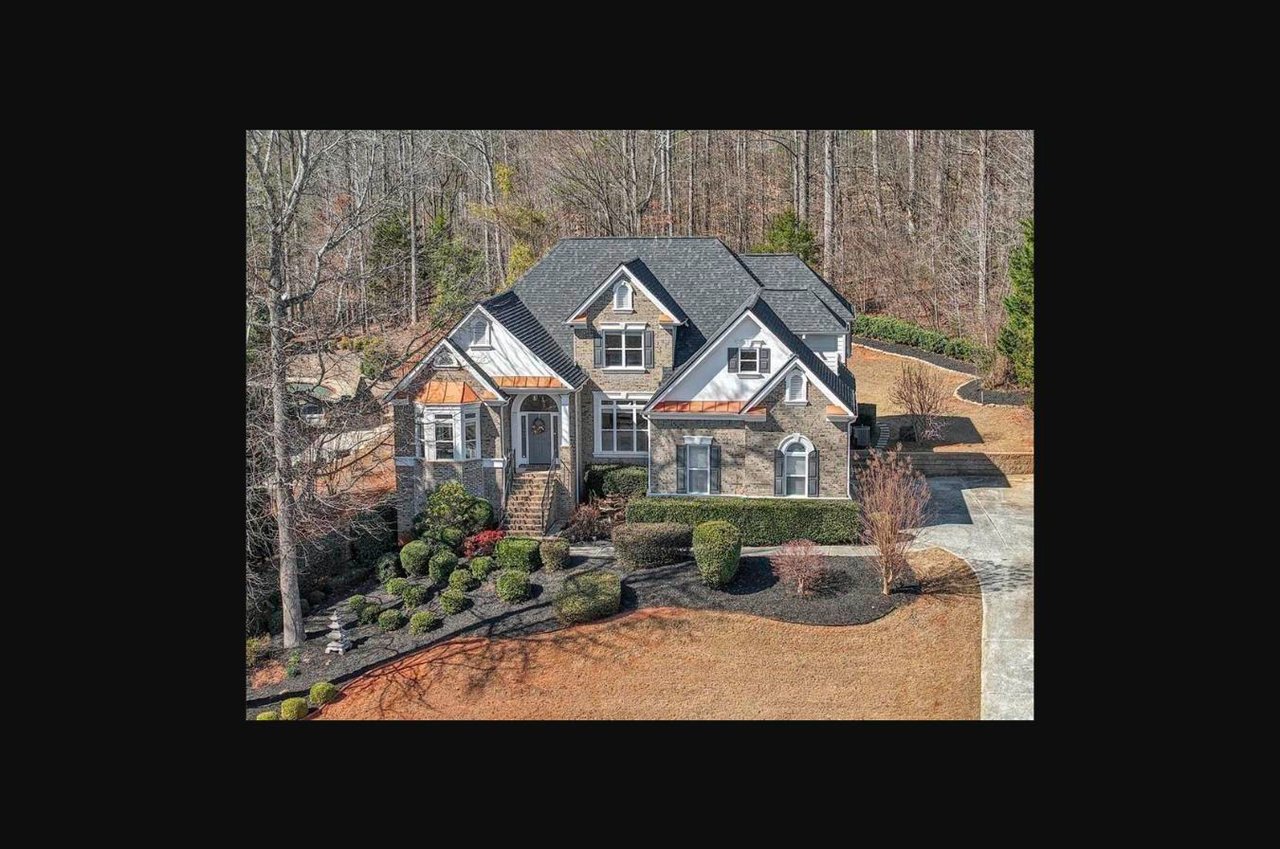
The key question for buyers and owners is whether nearby single-family and townhome inventory has begun to reflect future phases of Assembly Atlanta. In markets anchored by large redevelopment, prices often move in anticipation of growth rather than only after it arrives, so watching how local listings are priced relative to recent sales is essential.
What to watch in the data
Track days on market, list-to-sale price ratios, and whether asking prices near the campus are climbing faster than the broader area. If sellers begin pricing ahead of comparable sales, that is often an early sign the market is anticipating the next phases of the project.
The risk of getting ahead of the story
Anticipation can also overshoot. Buyers should be careful not to overpay for growth that is still years away, and sellers should ground pricing in current comparable sales rather than speculative future value. A disciplined market analysis keeps both sides realistic while the transformation unfolds.
What should buyers and owners near Doraville do now?
Approach the area as an evolving story rather than a finished one. Buyers should focus on homes that make sense at today's prices even before future phases arrive, and owners should get a current market analysis to understand where their home sits relative to the redevelopment. Patience and data matter more than hype in a market like this.
For buyers
Prioritize location relative to the campus and long-term livability, and buy at a price supported by recent comparable sales. If future phases add value, that is upside, but the purchase should stand on its own fundamentals today.
For owners
If you own nearby, a current price opinion will show whether the market is already crediting your home for the redevelopment. That insight helps you decide whether to sell into current momentum or hold for later phases.
Frequently asked questions about Doraville real estate
What was built on the old GM plant in Doraville? Assembly Atlanta, a 135-acre purpose-built production campus developed by The Gipson Company with Gray Television, now occupies the former General Motors assembly plant site and is described as Georgia's largest such campus.
Will Assembly Atlanta raise nearby home values? Large redevelopment anchors historically support surrounding values and rental demand over time, but the effect varies by location and phase, so individual pricing should rest on a current market analysis.
Is it too late to buy near the redevelopment? The project is still in early phases, so opportunity remains, but buyers should avoid overpaying for growth that has not yet arrived and rely on comparable sales.
The takeaway for Doraville in 2026
Doraville's transformation of a dead GM plant into Georgia's largest production campus is a textbook adaptive-reuse story with real implications for nearby home values. With Assembly Atlanta still in early phases, buyers and owners should treat the area as an evolving opportunity and lean on data rather than speculation. If you are buying or selling near Doraville, connect with a local agent for a tailored market analysis, and explore our related coverage on adaptive-reuse redevelopment in Atlanta and how major employers affect home values. For source context, see the Atlanta Business Chronicle and Assembly Atlanta project information.