Atlanta BeltLine Neighborhoods Real Estate Guide 2026
The Atlanta BeltLine continues to reshape intown real estate in 2026, connecting neighborhoods through a 22-mile loop of multi-use trails, parks, and transit corridors that drive both lifestyle appeal and property values. This BeltLine neighborhoods real estate guide breaks down where buyers are finding opportunity, how housing types and pricing differ by segment, and what BeltLine adjacency means for long-term value across Atlanta.
What Is Driving Demand for BeltLine Neighborhoods in 2026?
Walkability, trail connectivity, and access to commercial anchors like Ponce City Market and Krog Street Market remain the primary demand drivers for BeltLine-adjacent neighborhoods in 2026. Buyers relocating to Atlanta from cities with established pedestrian infrastructure consistently prioritize trail access as a deciding factor.
Trail Infrastructure and Lifestyle Appeal
Continued investment in the Westside Trail and Southside Trail segments has expanded the BeltLine beyond the original Eastside Trail corridor. Infrastructure improvements including new lighting, trailside retail, and park expansions along the Westside Trail have attracted both owner-occupants and investors to neighborhoods west of Midtown.
Proximity to Piedmont Park and Commercial Hubs
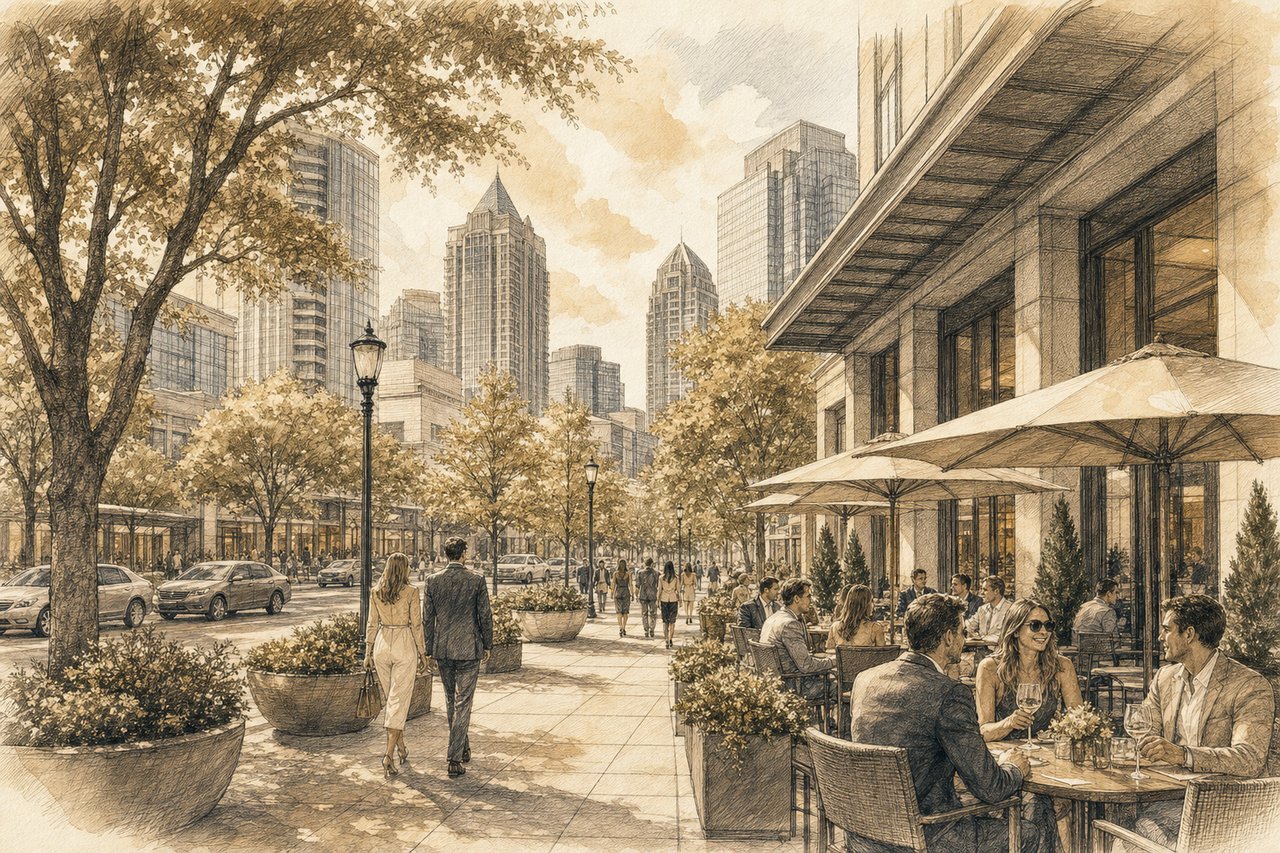
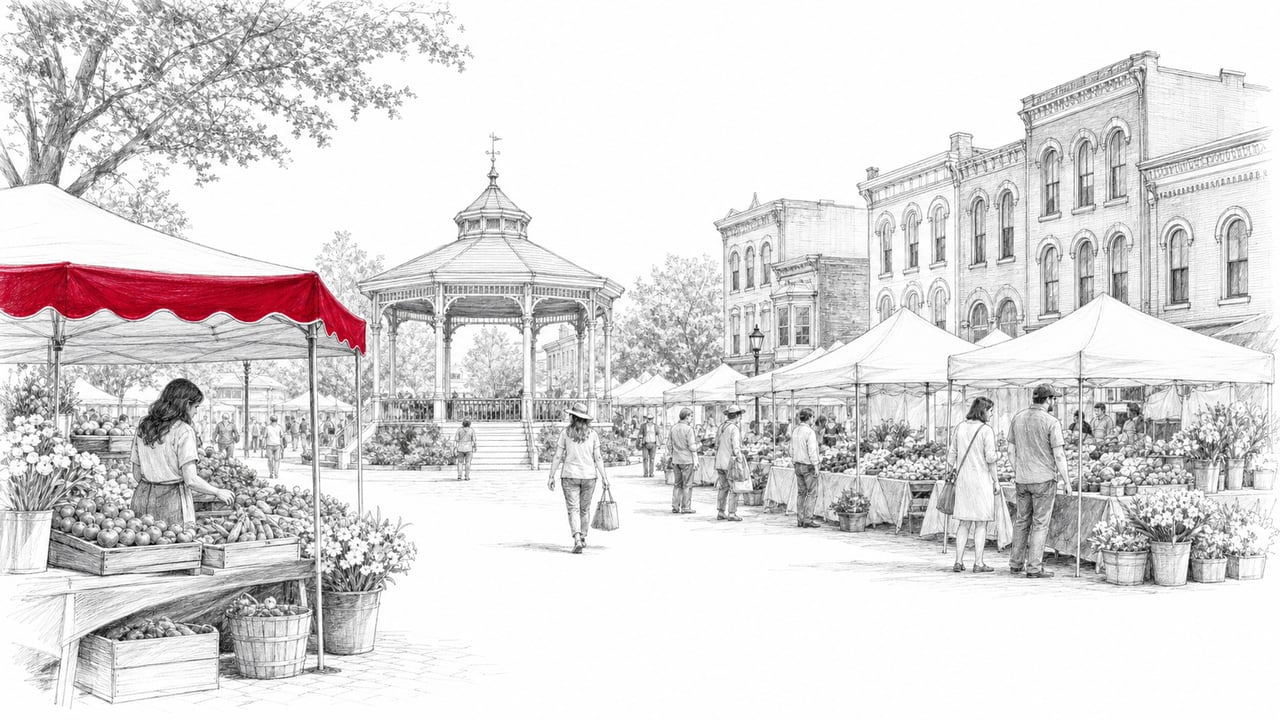
Neighborhoods near Piedmont Park and the Eastside Trail benefit from direct walkable access to Ponce City Market, Krog Street Market, and a growing number of restaurants and retail spaces. This walkable commercial density is a key differentiator from other intown Atlanta neighborhoods.
How Does the Atlanta BeltLine Impact Home Values Along Different Segments?
BeltLine proximity has a measurable effect on home values, though the magnitude varies by trail segment and neighborhood maturity. Eastside Trail neighborhoods command the highest premiums, while Westside and Southside Trail neighborhoods offer lower entry points with stronger near-term appreciation potential.
Eastside Trail Corridor
According to FMLS data, Inman Park posted a median home price of $620,000 in Q4 2025, reflecting 7.2 percent year-over-year appreciation. Old Fourth Ward recorded a median listing price of $377,000 as of spring 2026 per Realtor.com, with a price per square foot of $360. The Eastside Trail runs from Piedmont Park through Old Fourth Ward and into Inman Park, passing Ponce City Market and Krog Street Market.
Westside Trail Corridor
The Westside Trail connects neighborhoods like Adair Park, West End, and the Upper Westside to the broader BeltLine network. Pricing along this corridor remains significantly below Eastside Trail levels, offering entry points that appeal to buyers seeking BeltLine lifestyle access at a lower cost basis.
Which Atlanta BeltLine Neighborhoods Attract Luxury Buyers?
Luxury buyers along the BeltLine gravitate toward Inman Park, Virginia Highland, and portions of Midtown that offer direct or near-direct trail access combined with established neighborhood character and mature tree canopy. Inman Park leads the luxury BeltLine segment with Zillow projecting median prices in the $650,000 to $670,000 range by Q4 2026.
Inman Park
Inman Park sits at the epicenter of the Eastside Trail with direct walkable access to Krog Street Market and the burgeoning Inman Park Village retail district. Its mix of Victorian-era homes and modern infill construction attracts buyers seeking character and connectivity in equal measure.
Virginia Highland and Morningside
Virginia Highland benefits from proximity to the Eastside Trail and Piedmont Park. Its Craftsman-style homes and walkable village retail attract buyers in the $700,000-plus range. Morningside-Lenox Park offers a similar profile with slightly larger lot sizes and a quieter residential feel.
How Do Townhomes and Condos Along the BeltLine Compare to Single-Family Homes?
The BeltLine corridor offers three distinct product types, each serving different buyer profiles and price points. Condominiums along the Eastside Trail typically start in the mid-$300,000s for one-bedroom units, while townhomes in Reynoldstown and along the trail generally fall in the $500,000 to $750,000 range depending on size and finish level.
Condos and Lofts
Condo inventory is concentrated near Ponce City Market and in the Old Fourth Ward area. The metro Atlanta median condo price sits at approximately $295,000 as of early 2026, but BeltLine-adjacent condos command a significant premium over that baseline.
Townhomes
New townhome construction is active along multiple BeltLine segments, particularly in Reynoldstown, Grant Park, and the Westside corridor. The metro Atlanta median townhome price is approximately $385,000 as of early 2026, with BeltLine-adjacent product typically priced well above that figure.
Single-Family Homes
Single-family homes in established BeltLine neighborhoods like Inman Park and Grant Park command the highest prices, often exceeding $600,000 for renovated properties. These homes appeal to buyers who want yard space and neighborhood character alongside trail access.
What Should Buyers Know About Living Near the BeltLine in Atlanta?
Living near the BeltLine means access to over 33 miles of planned multi-use trails, 1,300 acres of new and expanded parks, and a growing network of trailside commercial districts. For buyers evaluating BeltLine neighborhoods, key considerations extend beyond price to include trail segment completion status, planned transit infrastructure, and commercial development pace.
Foot Traffic and Noise Considerations
BeltLine-adjacent properties tend to experience higher foot traffic and event activity, particularly along the Eastside Trail near Ponce City Market and Piedmont Park. Properties set one or two blocks off the trail often balance accessibility with a quieter residential experience.
Future BeltLine Phases
Future phases including additional Westside and Southside Trail segments and the planned transit loop represent both opportunity and uncertainty. Neighborhoods along incomplete trail segments offer lower entry prices today but carry timeline risk related to construction schedules and infrastructure funding.
FAQ
Is the Atlanta BeltLine complete in 2026? The BeltLine is not fully complete as of 2026. The Eastside Trail and significant portions of the Westside Trail are open, but the full 22-mile loop including transit components remains in progress with phased completion timelines extending into the late 2020s and beyond.
How much do homes near the Atlanta BeltLine cost? Pricing varies significantly by neighborhood and product type. Condos along the Eastside Trail start in the mid-$300,000s, townhomes range from $500,000 to $750,000, and single-family homes in neighborhoods like Inman Park have a median around $620,000 as of Q4 2025 per FMLS data.
Which BeltLine neighborhoods offer the best value in 2026? Neighborhoods along the Westside Trail and Southside Trail segments, including Adair Park and West End, currently offer lower price points than Eastside Trail neighborhoods while benefiting from ongoing trail infrastructure development.
Does BeltLine proximity increase property values? Data consistently shows that direct BeltLine access correlates with higher property values. Inman Park posted 7.2 percent year-over-year appreciation in Q4 2025 according to FMLS data, one of the highest rates among established intown Atlanta neighborhoods.
Conclusion
The Atlanta BeltLine remains one of the most significant factors shaping intown real estate decisions in 2026. Whether you are comparing Eastside Trail condos, evaluating townhome options in Reynoldstown, or exploring emerging opportunities along the Westside Trail, understanding how each corridor performs helps you make a more informed buying decision. To discuss BeltLine neighborhoods and find the right fit for your search, contact The Agency Atlanta for a personalized consultation.
About the Author: The Agency Atlanta is a full-service luxury real estate brokerage representing buyers and sellers across metro Atlanta's most desirable neighborhoods. For neighborhood-specific guidance and current market data, connect with our team.