For Atlanta sellers weighing virtual staging vs. physical staging, the real question in 2026 is which approach sells listings faster without creating disclosure problems. AI-powered virtual staging has gone mainstream this year, letting agents digitally furnish empty rooms in seconds, while traditional physical staging still shapes how buyers feel the moment they walk in. This post lays out a full decision framework covering cost, buyer perception, MLS disclosure rules, property type, and timeline, so you can choose the right approach for your specific listing rather than defaulting to whichever staging method a photographer happens to recommend.
What is the difference between virtual and physical staging?
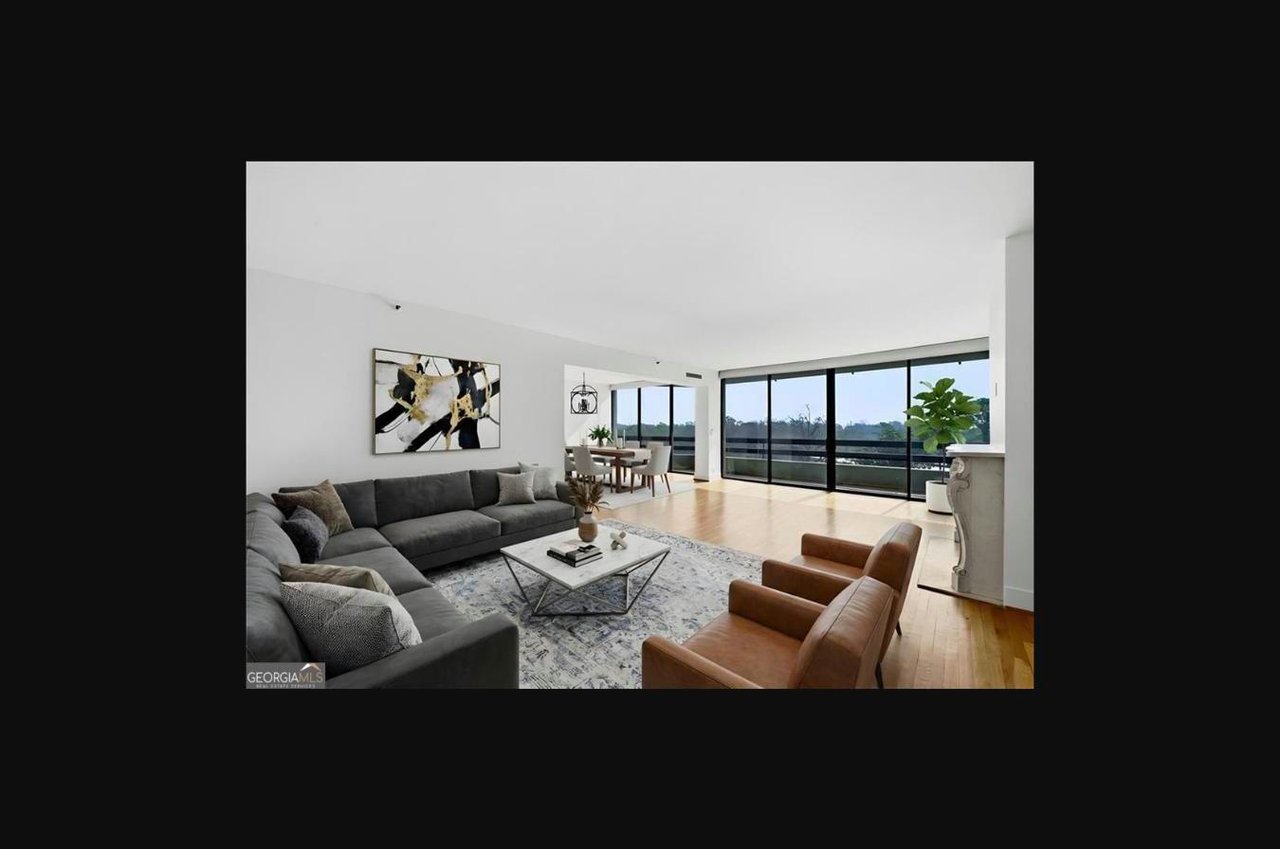
Virtual staging digitally adds furniture and decor to photos of empty rooms, often using AI tools that render a space in seconds. Physical staging places real furniture, rugs, art, and accessories in the home itself. Both aim to help buyers picture living there, but they differ sharply in cost, speed, and how buyers experience the property once they step through the front door rather than just scrolling through listing photos on their phone.
How AI changed virtual staging in 2026
AI-powered virtual staging became mainstream in 2026, making digitally furnished listing photos fast, consistent, and inexpensive compared with even a few years ago. Software can now generate multiple design styles for the same room in minutes, which lets agents test which look resonates with buyers before committing to a physical staging budget. The tradeoff is that the staging exists only in the images, not in the home, so the in-person experience remains unchanged no matter how polished the photos look.
What physical staging adds that photos cannot
Physical staging changes scale perception, sound, and smell in ways that photography cannot replicate. Furnished rooms often feel larger and warmer than empty ones, and staged homes tend to photograph and show more consistently across different lighting conditions and times of day. For higher-end listings where in-person tours drive the decision, this tangible presence can matter more than any photo edit, since buyers are ultimately signing on to live in the physical space, not the picture of it.
How do costs compare for Atlanta sellers in 2026?
Virtual staging is typically far less expensive and faster than physical staging, since it edits existing photos rather than sourcing, delivering, and installing furniture. Physical staging carries higher costs for furniture rental, delivery, design consultation, and often a recurring monthly fee for as long as the home sits on the market. The right spend depends on the property's price tier, how buyers are likely to tour it, and how long you expect the home to stay listed before going under contract.
When cost savings make virtual staging the smarter choice
For listings where most buyers first engage online, where the home already shows acceptably empty, or where a seller needs to move quickly on a limited budget, virtual staging can deliver strong perceived value in photos for a fraction of the physical staging cost. This is especially true for starter homes and mid-tier listings where buyers are comparing many properties online before ever scheduling a tour, and where the marginal benefit of full physical staging is harder to justify against the price point.
When the higher cost of physical staging pays off
Luxury listings, homes with unusual layouts, and properties that will see heavy foot traffic from open houses tend to benefit more from physical staging. The upfront cost is harder to justify on a modest starter home, but on a higher-priced listing, even a modest lift in perceived value or a faster sale can cover the staging expense many times over, particularly when the alternative is weeks of additional carrying costs on the property.
How does each approach affect buyer perception?
Virtual staging shines in online photos, where most buyers begin their search and form their first impression, but it can create a letdown if the empty home feels noticeably different in person during a showing. Physical staging aligns the online and in-person experience, which can build buyer confidence and reduce the psychological friction of touring an echoey, empty room that photographed beautifully but feels cold and unfinished in real life. Matching the approach to how buyers will actually experience the home, screen first or in-person first, is the real decision variable sellers should focus on.
Bridging the online-to-showing gap
Some sellers pair virtual staging for marketing photos with light physical touches, such as a few key furniture pieces, fresh linens, or simple decor, for actual showings. This hybrid approach reduces the contrast between the listing images that draw buyers in and the walkthrough that closes the deal, without paying for full physical staging throughout the entire home.
Buyer expectations have shifted with AI adoption
As virtual staging has become more visible and more buyers recognize the technology, expectations have shifted. Many buyers now assume some listing photos are virtually staged and adjust their expectations accordingly, which can reduce the letdown effect compared with a few years ago, provided the disclosure is clear and the home is not wildly different from what the photos suggest during an actual visit.
What are the MLS disclosure rules for virtual staging in 2026?
Virtual staging requires mandatory disclosure, and it cannot be used to alter permanent fixtures like flooring, walls, ceilings, or the layout of the room. Digitally furnished photos should be clearly labeled so buyers understand what is staged versus what is real before they schedule a tour. Follow your MLS and local guidelines closely, and confirm current disclosure requirements with your broker before listing photos go live, since rules can vary by market and can change from year to year.
What you cannot do with virtual staging
Do not use virtual editing to change permanent features, remove structural issues, alter room dimensions, or otherwise misrepresent the condition of the home. Staging may add furniture, decor, and paint color suggestions in some markets, but it must never be used to hide defects or create a false impression of the property's actual condition, which could expose sellers and agents to disputes later.
Why disclosure protects sellers too
Clear disclosure protects sellers from disputes after a showing or after closing. A buyer who tours a home and finds it materially different from virtually staged photos, without proper labeling, can raise concerns that complicate negotiations or invite scrutiny from their agent or lender. Proper disclosure keeps the transaction clean and keeps the focus on the home's real strengths rather than on a perceived mismatch between marketing and reality.
Which approach sells Atlanta listings faster in 2026?
Neither approach wins universally. The faster sale usually comes from matching the method to the property, the price tier, and buyer behavior, then disclosing virtual staging properly so there are no surprises at the showing. With roughly 20 percent of downtown Atlanta's housing supply now sitting in converted office buildings (2026) that often list as empty units with unusual layouts, creative and compliant staging matters more than ever for helping buyers picture how a space could actually work for their furniture and lifestyle.
Property type matters as much as staging method
A compact condo in a converted office tower may benefit most from virtual staging that clarifies furniture placement in an unusually shaped room, while a traditional single-family home aimed at move-up buyers may benefit more from full physical staging that creates an emotional, lived-in feel throughout the entire tour, from the entryway to the primary suite.
Timeline considerations
Virtual staging can be turned around in days, which suits sellers on a tight listing timeline or those who decide late to list. Physical staging takes longer to source, deliver, and set up, so sellers with more lead time before listing are better positioned to use it effectively without rushing the design process.
How should sellers evaluate their own property before choosing a method?
Start by walking through the home as if you were a buyer seeing it for the first time. Note which rooms feel awkward or hard to read when empty, and which rooms already show well without any staging at all. This kind of honest self-assessment, ideally paired with feedback from your agent, usually points toward whether virtual staging alone will suffice or whether the home needs a physical presence to make its case.
Questions to ask your listing agent
Ask how buyers in your specific price tier and neighborhood typically shop, whether they tour in person early or late in their search, and how comparable listings nearby have used staging. A market analysis of recent comparable sales and their staging approach can reveal patterns that are easy to miss when evaluating your own home in isolation.
What role does professional photography play alongside staging?
Neither virtual nor physical staging matters much without professional photography that captures the space accurately and attractively. Poor lighting or awkward angles can undercut even a beautifully staged room, whether staged digitally or in person. Budget for quality photography as a companion investment to whichever staging method you choose, since photos are what draw buyers into the funnel before they ever consider a showing.
FAQ
Is virtual staging allowed on the MLS in 2026? Yes, when disclosed. Virtual staging requires mandatory disclosure and cannot alter permanent fixtures like flooring or walls. Confirm current rules with your broker and MLS before listing photos go live.
Does staging actually speed up a sale? Staging can improve buyer perception and engagement, but outcomes depend on the property, pricing, and current demand. Treat any projection about speed or price impact as a market opinion, not a guarantee.
Should I use both virtual and physical staging? Sometimes. Pairing virtual photos for online marketing with light physical touches for in-person showings can reduce the gap between listing images and the walkthrough. The right mix depends on your property, budget, and timeline.
Is virtual staging cheaper than physical staging for every listing? Generally yes on a per-project basis, but the better financial outcome depends on how much the staging method influences buyer behavior for your specific property and price tier, not just the upfront cost.
Conclusion
Virtual and physical staging each have a place in the 2026 Atlanta market, and the faster sale comes from matching the method to your property, disclosing virtual staging properly, and being honest about how buyers will actually experience the home in person. For a staging plan and market analysis tailored to your specific listing, connect with The Agency Atlanta team before your photos go live.