Selling a vacant home in Atlanta after you have already moved is common, and it changes the work in a few specific ways. Nobody is at the house to adjust the thermostat, bring in the mail or notice a running toilet, so the listing depends on systems you manage from a distance. This guide covers keeping utilities on through closing, talking with your insurance agent about vacancy terms, routine upkeep, how empty rooms present to buyers, what to confirm about a homestead exemption, and how the sale can be handled remotely.
Why Does a Vacant Listing Need a Plan in Metro Atlanta?
A vacant listing needs a plan because the house has to stay show-ready for an open-ended stretch with no one living in it. In July 2026, metro Atlanta homes spent an average of 24 days on market, and cumulative days on market reached 30, according to the Atlanta REALTORS Association. That is a month or more of utilities, upkeep and showings to manage from wherever you live now.
The Atlanta REALTORS Market Brief for July 2026 also reported 20,863 active listings and a 4.7-month supply across 11 metro counties. In June 2026, the association reported an average of 21 days on market, cumulative days on market of 25 and a 4.6-month supply. More inventory gives buyers more to compare, so an empty house needs to look cared for.
Which Utilities Should Stay On While the Home Is Listed?
Keep electricity, natural gas and water on from listing day through closing. The buyer's inspector will want to run the HVAC, water heater, appliances and plumbing during the due diligence period, and the buyer will expect the same systems to work at the final walkthrough. Shutting service off early can delay inspections, prompt repair requests and make a well-kept house look like it has problems it does not have.
Our guide to the final walkthrough before an Atlanta closing covers what buyers test on that last visit. For a vacant seller, set every stop date for after closing.
Electricity
Georgia Power's move and stop service page lists what to have ready for a stop request: the account number, the account access code, the effective disconnect date and a mailing address for the final bill. Confirm the available disconnect dates with the company when you submit the request, and set the date for after closing. If a different electric provider serves the property, check that provider's process.
Natural Gas
Atlanta Gas Light owns, operates and maintains the pipelines, but its residential start and stop page tells customers to contact a certified natural gas marketer to start, stop or transfer service. Atlanta Gas Light then disconnects and reconnects service at the marketer's request. The Georgia Public Service Commission's consumer guidance suggests asking about a marketer's procedures and fees, so call yours before setting a stop date.
Water and Sewer
Inside the City of Atlanta, the Department of Watershed Management states that owners who are moving or selling need to have service disconnected, through its Disconnect Water/Sewer Service Request form or the DWM Customer Payment Portal. It also notes that you remain liable for water use if you do not request disconnection, even if you no longer live at the property. Outside the city, check the county or municipal provider named on your bill.
How Does Vacancy Affect Homeowners Insurance?
Many homeowners policies treat an empty house differently from an occupied one. The Insurance Information Institute notes that policies often limit or exclude coverage when a property is unoccupied for typically 30 to 60 consecutive days. Terms vary by insurer and policy, so call your insurance agent before you move out, explain your timeline, and ask what your policy covers while the home is listed.
A Triple-I article on vacancy insurance describes a homeowner whose water damage claim of more than $60,000 was declined because a standard policy excluded coverage under a vacancy clause. The article advises notifying your insurer if a home will be unoccupied for an extended period and consulting your insurance agent about coverage. It also notes that specialized vacant home policies generally cost more and may require proof of maintenance. Useful questions for your agent:
- How does my policy define vacant and unoccupied, and does leaving furniture in place change the answer?
- How many days can the house sit empty before coverage changes?
- When should coverage end, given the expected closing date?
Ask for the answers in writing. This article is not insurance advice.
What Routine Upkeep Does an Empty House Need?
An empty house needs the same basic care an occupied one gets, on a set schedule. Keep the HVAC running to manage humidity, keep the lawn and beds maintained, continue pest control service, check the plumbing on every visit and forward the mail. A property manager, a trusted neighbor or a vendor your listing agent recommends can handle regular walk-throughs and report back with photos.
HVAC and Humidity
The U.S. Environmental Protection Agency's indoor moisture guidance says indoor relative humidity should be kept below 60 percent, ideally between 30 and 50 percent. An air conditioner set to a moderate temperature helps pull moisture from the air, and a simple humidity monitor lets whoever checks the house confirm the reading.
Lawn and Pest Control
Schedule mowing, edging and leaf cleanup on a fixed calendar so the front of the house matches the listing photos. Keep any pest control contract active through closing and ask the provider to include an interior check, since no one is there to notice early activity.
Plumbing Checks
On each visit, run every faucet and shower briefly, flush each toilet, and look under sinks and around the water heater for moisture. Running water keeps drain traps filled and helps surface slow leaks early. Watch the water bill as well: usage on an empty house should be low and steady, so an unexplained jump calls for a prompt visit.
Mail Forwarding
File a change of address with the U.S. Postal Service before you leave. USPS states that standard forwarding lasts 12 months and can be extended for a fee by up to 18 more months, and recommends allowing up to 2 weeks for forwarding to begin. The online request carries a $1.25 identity verification fee.
How Do Vacant Homes Present to Buyers?
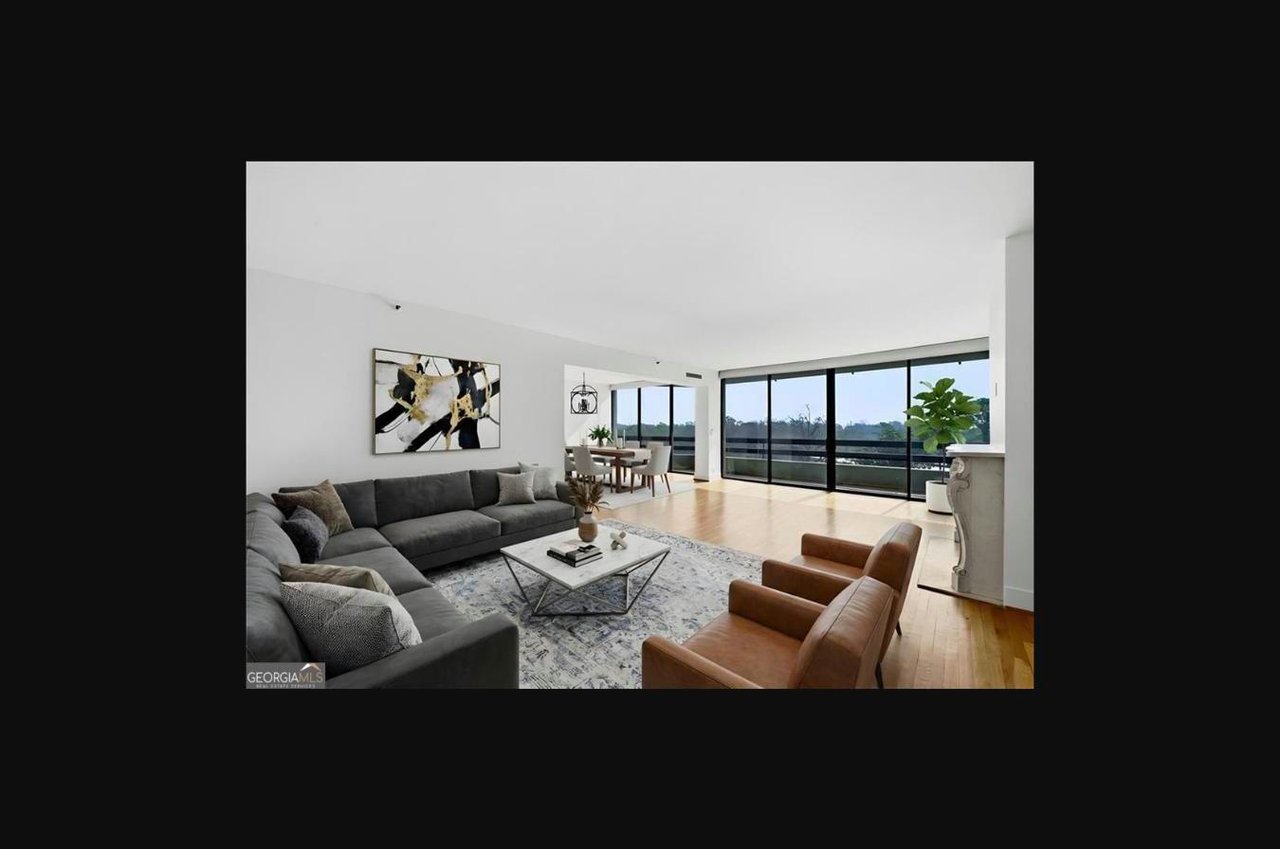
Empty rooms can look larger in photos but often feel cold in person, and buyers can struggle to judge scale and furniture placement. Partial staging, meaning furniture and accessories in the few rooms buyers weigh most, is a common middle path. It costs less than staging every room and gives listing photos and showings a clearer sense of how each space is meant to be used.
In the National Association of REALTORS 2025 Profile of Home Staging, released in May 2025, 83 percent of buyers' agents said staging made it easier for a buyer to envision the property as their future home. Buyers' agents ranked the living room (37 percent), primary bedroom (34 percent) and kitchen (23 percent) as the most important rooms to stage. Our comparison of virtual staging and physical staging for Atlanta listings covers the tradeoffs. If you leave furniture behind for staging, tell your insurance agent.
What Happens to Your Homestead Exemption After You Move Out?
In Georgia, the homestead exemption applies to a home you own and occupy as your legal residence as of January 1 of the tax year. When you move, the exemption question moves with you, and Fulton County notes that homestead cannot be claimed on more than one property. The county tax assessor's office is the place to confirm the status of the home you are selling and the steps for your new home.
The Georgia Department of Revenue notes that applications go to the county tax commissioner or, in some counties, the tax assessor's office. The Fulton County Board of Assessors FAQ states that an owner does not have to reapply unless there is an ownership change on the deed or the owner moves to a different location claimed as a primary residence. Its exemptions page adds that an owner claiming homestead elsewhere must notify the appropriate authority to remove that exemption, and that claiming homestead on more than one property brings penalties and interest on taxes saved. How the exemption affects your tax bill or closing proration is a question for a CPA or the county.
Can You Manage the Entire Sale Remotely?
Most of a vacant home sale can be managed from out of town. Showings run through a lockbox on a schedule your listing agent controls, inspections and repairs are coordinated by your agent, and closing can often be completed through a mail-away signing. Plan the closing logistics early. Under O.C.G.A. 44-5-30, a Georgia deed must be an original document, signed by the maker and attested by an official witness such as a notary public and by one other witness, and those originals must reach the closing attorney in time.
Showings, Inspections and Vendors
Leave written showing instructions about lights, the thermostat setting and doors that should stay closed. During due diligence, your agent can schedule inspector and vendor access and send photos of agreed repairs.
Closing From a Distance
Our guide to closing on an Atlanta home from out of state explains how mail-away signings work in Georgia. If a question turns on your legal rights or a document's wording, ask a Georgia real estate attorney. Once closing is confirmed, release the utility stop dates and end insurance coverage on the timing your insurance agent confirmed.
FAQ
Should I turn off the water in a vacant home I am selling? Not while it is listed. Inspectors need running water to test plumbing, and buyers expect it at the final walkthrough. In the City of Atlanta, schedule your disconnection request with the Department of Watershed Management for after closing.
Do I need to tell my insurance company the house is empty? The Insurance Information Institute advises notifying your insurer if a home will be unoccupied for an extended period, because many policies limit coverage after a set number of days. Your insurance agent can explain your policy's terms.
Can I keep a homestead exemption on a house I moved out of? Georgia ties the exemption to the home you own and occupy as your legal residence as of January 1, and Fulton County notes it cannot be claimed on more than one property. Your county tax assessor can confirm the status of each home.
Conclusion
Selling a vacant home in Atlanta comes down to steady routines: utilities on until closing, a clear call with your insurance agent, regular upkeep, considered presentation and a remote closing plan. With cumulative days on market at 30 across metro Atlanta in July 2026, those routines may need to hold for several weeks. If you are preparing to sell a home you have already moved out of, contact The Agency Atlanta for a conversation about your property and timeline.