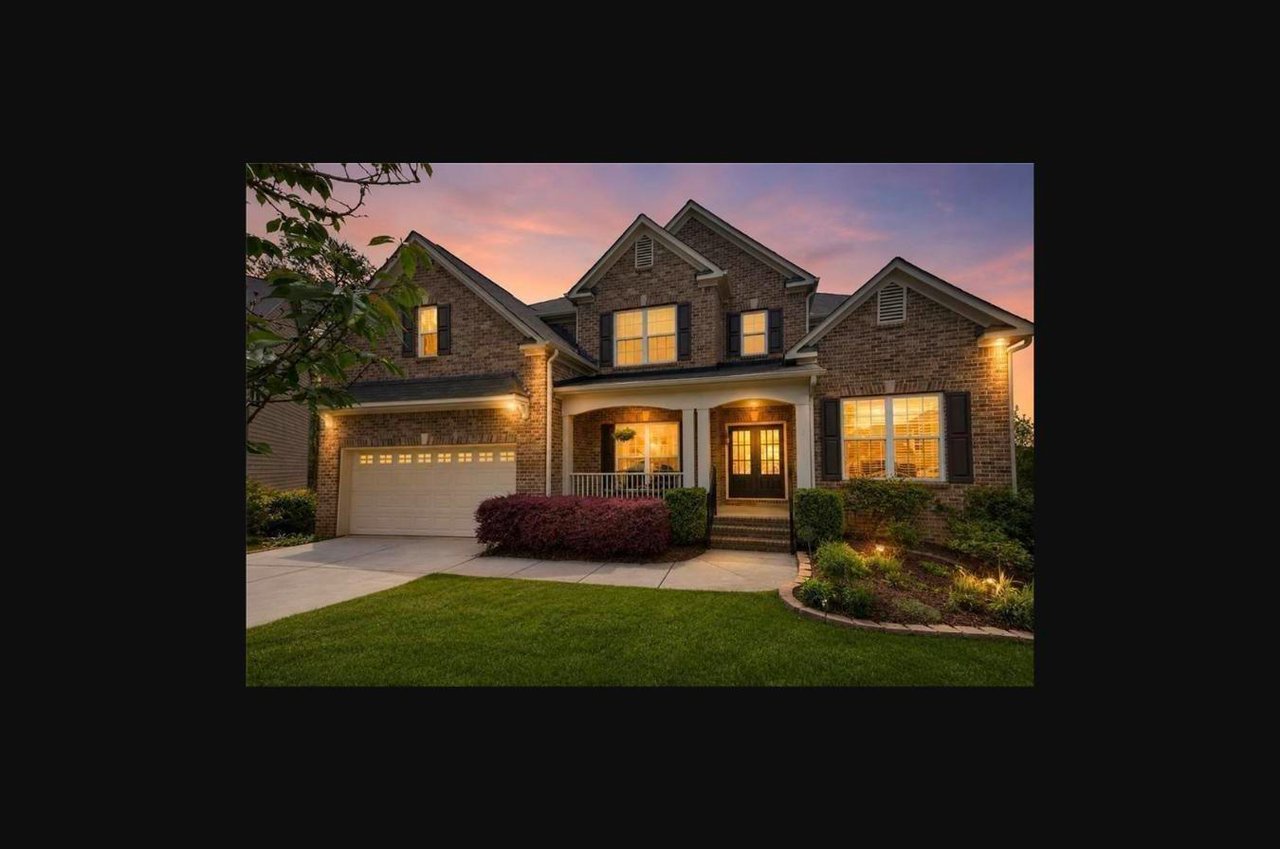
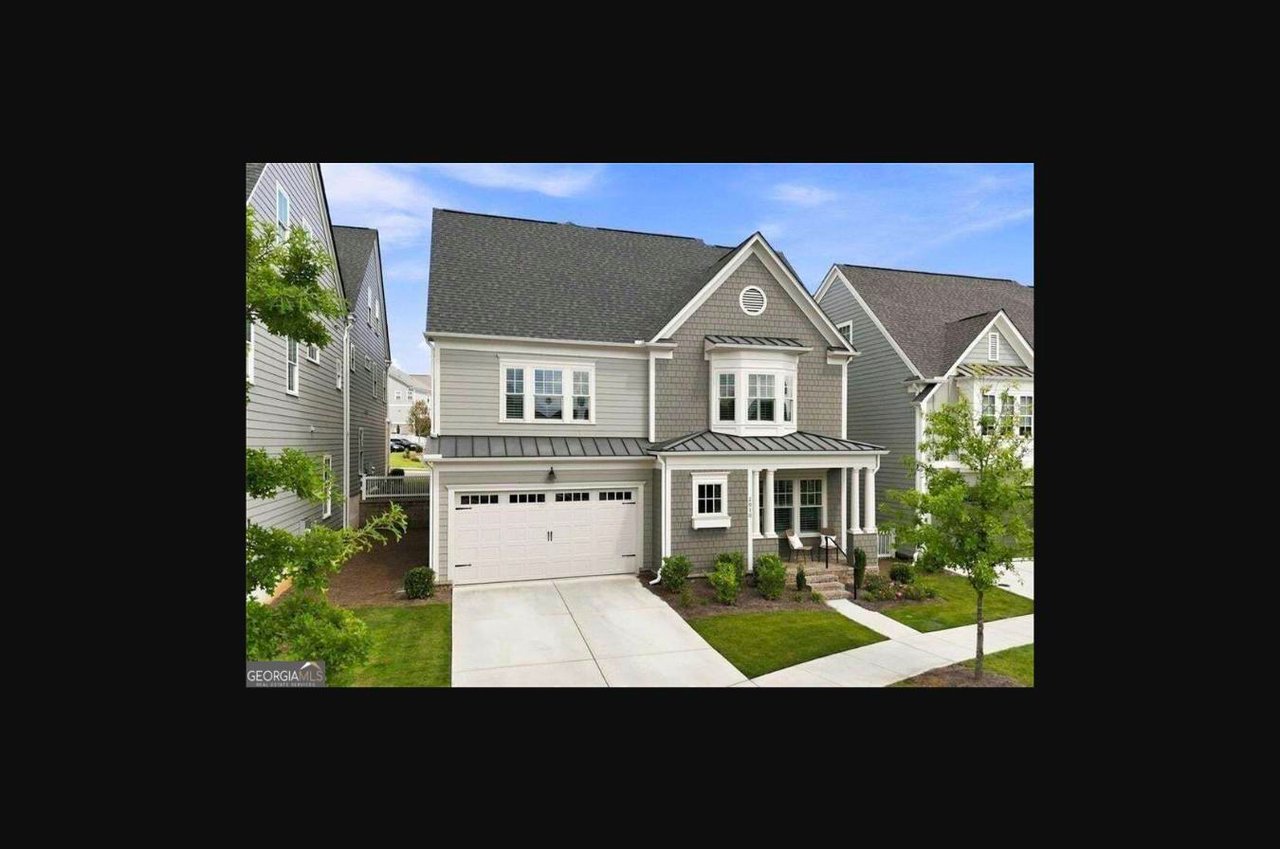
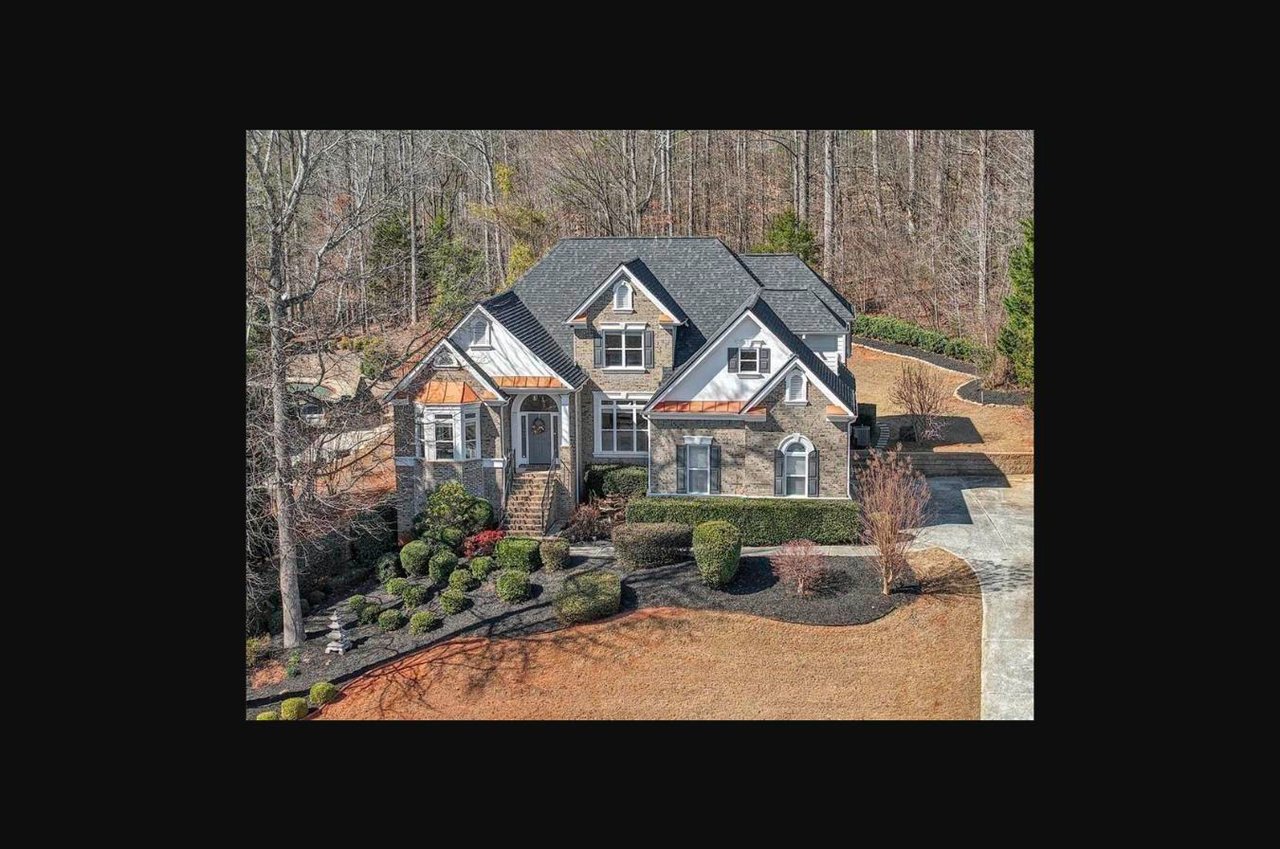
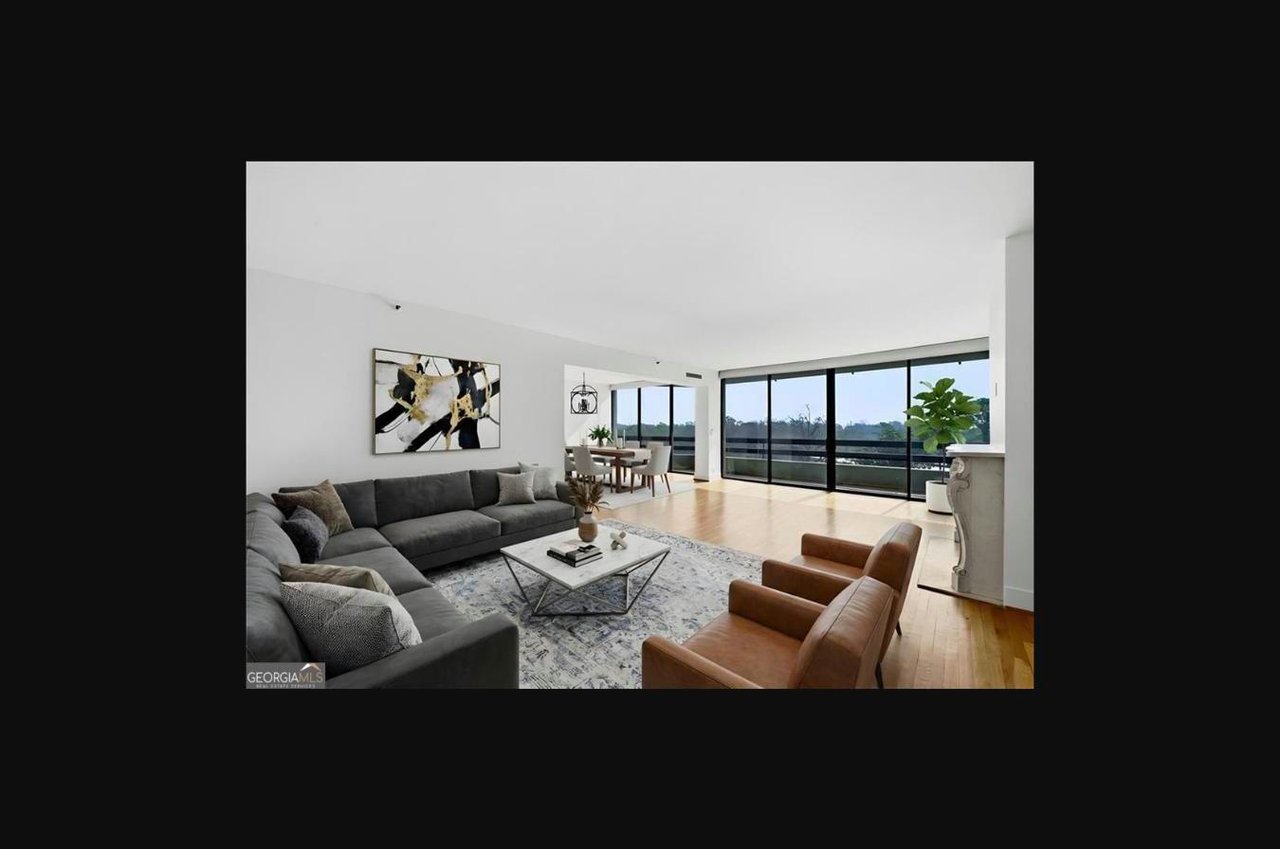
Pull up almost any metro Atlanta home and you will likely find three different sizes: one in the listing, one on the county tax record and one in the valuation report a lender orders. A square footage discrepancy on an Atlanta home is common, and it is rarely a sign of carelessness. For sellers setting a list price and buyers comparing homes per square foot, knowing where each figure comes from matters.
Why does square footage differ between the listing, the tax record and a measurement?
Square footage differs because each source measures for its own purpose. The listing figure is supplied by the seller's side and may come from builder plans, an old valuation or the county record. The tax record reflects the assessor's mass valuation data. A lender-ordered valuation that includes an interior inspection, for a loan sold to Fannie Mae, must follow the ANSI measurement standard.
Fannie Mae says as much in its guidance document Standardizing Property Measuring Guidelines, noting that square footage in lender-ordered valuation reports "is already often different from other sources," and that square footage in "local MLS systems and assessor records may not have been derived using the ANSI standard."
What is the ANSI Z765 standard and how does it measure a home?
ANSI Z765 is the American National Standard for calculating square footage in single-family homes. Fannie Mae requires the 2021 edition for lender-ordered valuations. It separates above-grade finished area from below-grade area, sets minimum ceiling heights for finished space, and spells out how stairs and open foyers are handled. The result is a repeatable, documented total rather than a rounded estimate.
Fannie Mae's Selling Guide says measurements must follow ANSI Z765-2021 "when measuring, calculating and reporting the above- and below-grade square footage(s)." Its guidance adds that measurements are taken "to the nearest inch or tenth of a foot," with the total reported to the nearest whole square foot.
Above grade and below grade
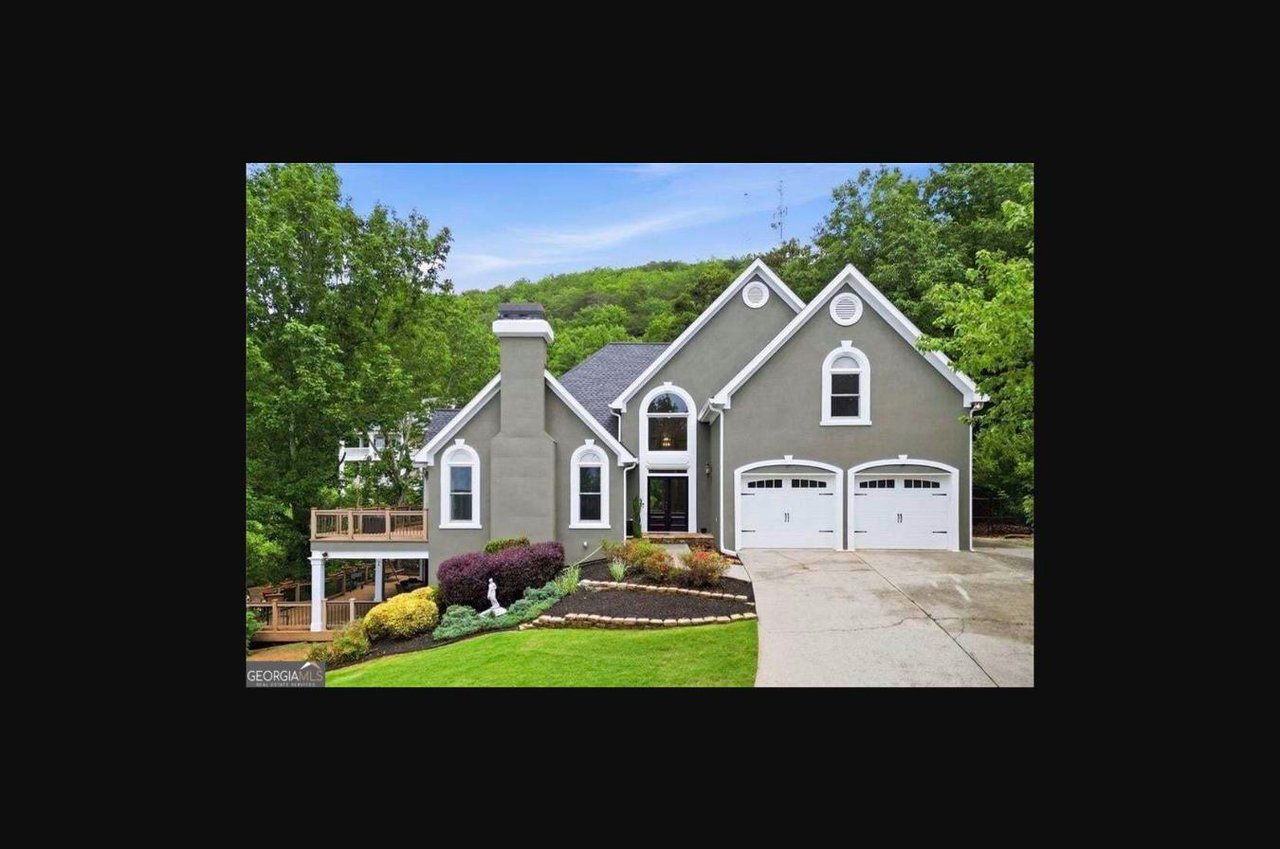
Under the standard, any space that is "partially or completely below-grade" is reported as below-grade area, and a level counts as partially below grade if any portion of its walls sits below ground. On a sloped lot with a terrace level, that rule alone can move a large block of finished space out of the above-grade total.
Ceiling height, stairs and open foyers
Per Fannie Mae's guidance, finished areas must have a ceiling height of at least 7 feet. In a room with a sloping ceiling, at least 50 percent of the finished area must reach 7 feet, and no counted portion can be under 5 feet. Staircases count toward the floor they descend from. Openings to the floor below, such as a two-story foyer, are not included.
Does a lender-ordered valuation have to use ANSI measurement?
Yes, for valuations that include an interior inspection on loans sold to Fannie Mae. Beginning with valuations effective April 1, 2022, Fannie Mae has required the ANSI Z765-2021 method for single-family homes, including townhomes. Its guidance says an earlier exception code has been retired and that policy "now requires full compliance with the ANSI standard." That means the buyer's lender can see a size that differs from the listing.
If a lower measured size contributes to a value below the contract price, the options are covered in our guide on what to do when a market analysis comes in below the contract price.
Why is county tax record square footage often wrong or different?
County tax record square footage is built for mass valuation, not for marketing a single home. Assessors keep characteristics for every parcel and update them through permits, sales reviews and field checks, so work done without a permit, or after the January 1 valuation date, may not appear on the current record. The county figure can serve its tax purpose and still differ from an ANSI measurement.
Fulton, Cobb and DeKalb
The Fulton County Board of Assessors states that, under O.C.G.A. 48-5-264.1, its staff "will routinely field check properties to verify sales, check the status of building permits and review properties that have been appealed."
DeKalb County's property valuation office says its computer-assisted mass valuation system processes "property characteristics and measurements" along with sales and permits, and it lists "property characteristics are wrong" as a reason to appeal within 45 days. Cobb County's Board of Tax Assessors notes that property is valued "based on its condition and use as of Jan. 1."
Fulton County's release on its 2026 notices of assessment urged owners to review "property characteristics and any exemptions for accuracy." Our post on reviewing and appealing a Fulton County assessment walks through that process. Questions about the tax effect belong with a CPA or property tax professional.
How are finished basements, bonus rooms and additions counted?
Finished basements are reported as below-grade area under ANSI, even when they are fully finished or open to a walk-out patio. Bonus rooms count as standard finished area only when ceiling heights meet the rules and the space has direct interior access through finished area. Additions count like any other space if they meet the same tests, but documentation matters when the work was never permitted.
Finished basements
Fannie Mae considers a level below grade "if any portion of it is below-grade, regardless of the quality of its finish or the window area of any room." A walk-out terrace level with finished rooms remains below-grade area, so a listing total that includes it will read larger than the above-grade figure in a valuation report.
Bonus rooms and attic spaces
Rooms over garages and finished attics often have sloped ceilings. If less than half the room reaches 7 feet, or any counted portion falls under 5 feet, Fannie Mae treats the space as nonstandard and reports it separately. The same applies to finished areas "accessed through unfinished area(s)" such as an unfinished staircase. Attached finished space with no direct interior access is reported separately as noncontinuous area.
Additions
A properly built addition is measured like the rest of the home. When an addition or basement finish was never permitted, the questions shift to documentation, disclosure and pricing, which we cover in detail in selling a metro Atlanta home with an unpermitted basement or addition.
How do Georgia listing services and heated square footage fit in?
A Georgia listing records a square footage figure that may come from builder plans, the tax record or an earlier valuation report, not necessarily a fresh measurement. A heated square footage figure is a description rather than an ANSI result. Under the ANSI tests Fannie Mae describes, grade, ceiling height and interior access decide how a room is reported, not heating alone, so confirm the source before comparing homes.
An FMLS residential input form (revised May 2010) that we reviewed required a square footage source, with choices covering a prior valuation report, the builder, the tax record, or not available. We could not confirm the current published rules for Georgia MLS or FMLS, so ask the listing agent which source a specific figure came from.
Why do price per square foot comparisons go wrong?
Price per square foot comparisons go wrong when the square footage beneath them comes from mixed sources. If one home's figure includes a finished terrace level and another's does not, the per-foot price is not comparing like with like. The statistic also shifts with the mix of homes that happened to sell, so it describes a market, not a specific house.
What the current numbers show
Recent Redfin figures illustrate how the two most quoted statistics can move apart. Over the three months ending August 2026, Atlanta home prices were up 9.1 percent from a year earlier, with a median sale price of about $427,000, while the median sale price per square foot was $270, down 4.3 percent from last year. Over the three months ending July 2026, Sandy Springs recorded a median sale price of about $735,000, up 4.2 percent, with a median sale price per square foot of $226, down 7.9 percent. In Brookhaven, over the three months ending June 2026, the median sale price was about $799,000, up 6.5 percent, while the median per square foot was $279, up 0.2 percent.
Redfin says its figures come from "home data from MLS and/or public records," so the square footage behind those medians carries the same mixed sources. A per-foot number is a starting point for a market analysis, not a substitute for comparing homes of similar size and layout.
What should a seller do before listing?
Before listing, a seller should know which square footage figure the home will be marketed with and where it came from. A professional measurement to the ANSI standard gives a documented above-grade and below-grade breakdown. Stating the source in the listing, and presenting finished lower levels separately, reduces surprises when the buyer's lender measures the home.
Start by comparing the builder plans, the county record and any prior valuation report to see where they differ. Present a finished terrace level as its own line, describe sloped bonus rooms accurately, and gather permits for any additions. Knowing the above-grade area on the basis a lender will use helps set a list price that holds up through full open-market exposure.
What should buyers do when comparing homes per square foot?
Buyers should treat listing square footage as a starting point and confirm the source before relying on it. Ask how the figure was produced, if it includes below-grade space, and how bonus rooms were counted. Comparing above-grade area to above-grade area across homes gives a fairer per-foot view than comparing headline totals from mixed sources.
The county record is worth reviewing too, as assessor data rather than a measurement. Contract terms are questions for a Georgia real estate attorney, and financing questions belong with the buyer's lender.
FAQ
Is it normal for the listing square footage and the tax record to differ? Yes. Fannie Mae's guidance notes that MLS and assessor square footage may not follow the ANSI standard, and that figures from different sources often differ.
Does a finished basement count as square footage? Under ANSI Z765 as applied by Fannie Mae, a finished basement is reported as below-grade area, separate from above-grade finished area. That applies even to a walk-out level with finished rooms and windows.
What if the county tax record square footage is wrong? Fulton County urges owners to review property characteristics on their assessment notice, and DeKalb County lists wrong property characteristics as a reason to appeal within 45 days. A CPA or property tax professional can advise on the tax side.
Conclusion
The listing, the tax record and the lender's valuation each measure a metro Atlanta home for a different purpose, so they rarely agree. The ANSI Z765 standard separates above-grade from below-grade area and sets clear rules for ceilings, stairs and open foyers. Sellers who know their measured figures before listing, and buyers who compare like with like, make better pricing decisions. To talk through your situation, contact The Agency Atlanta for a conversation.