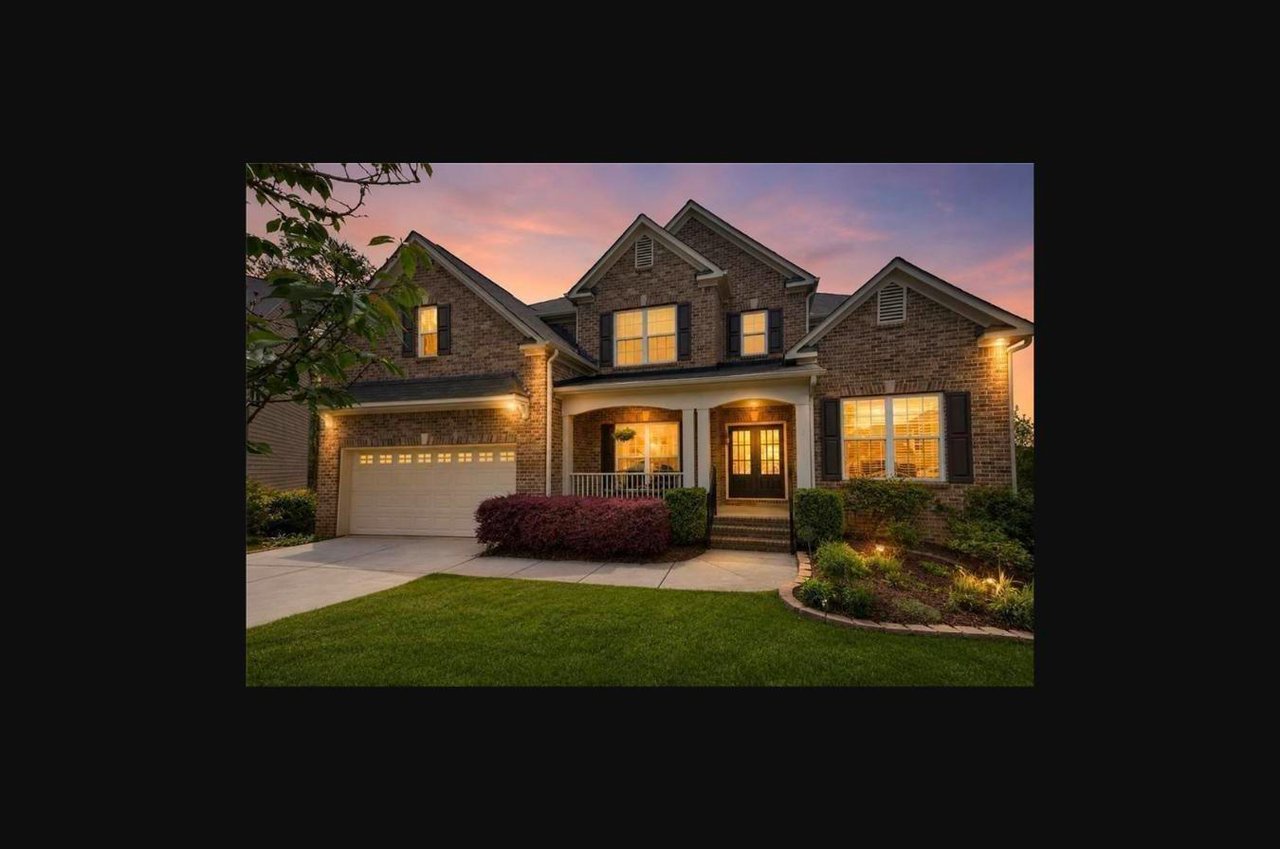
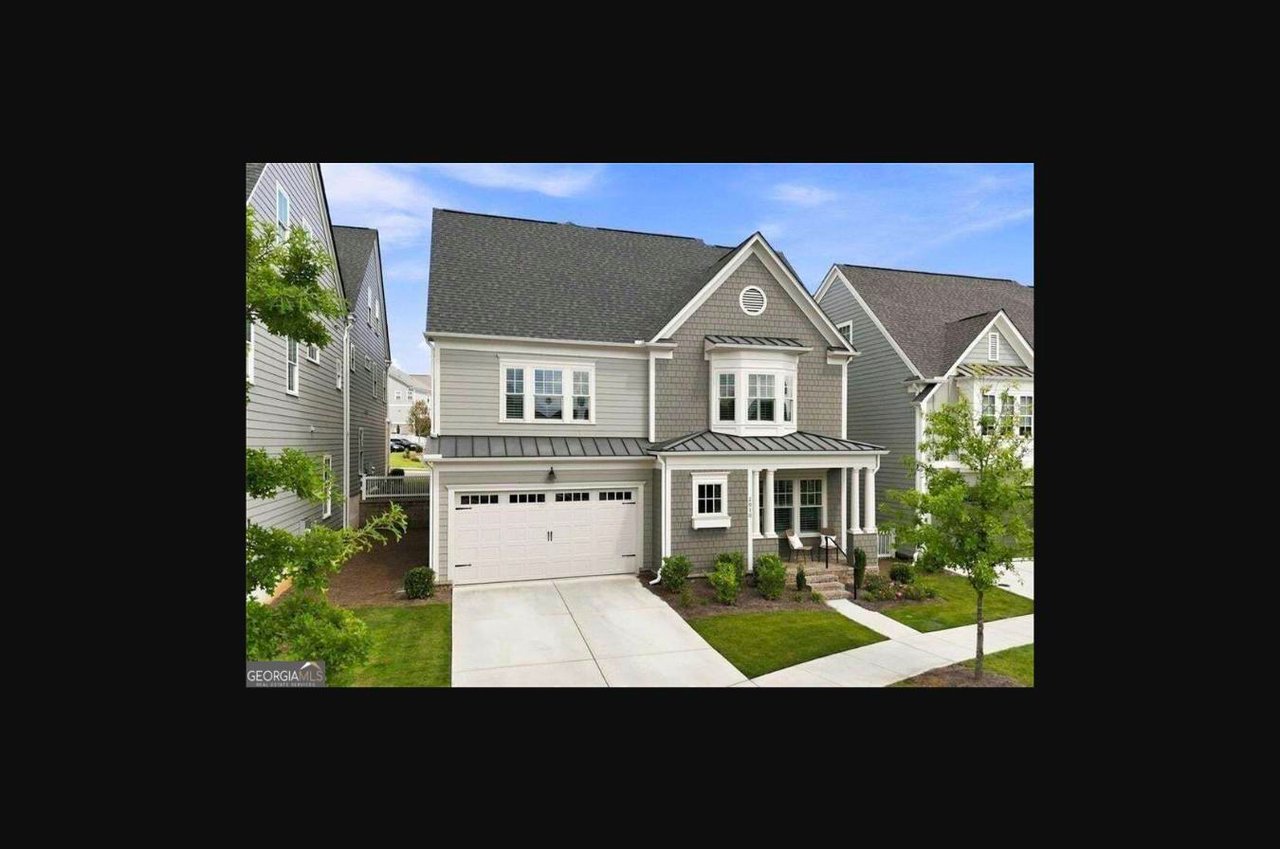
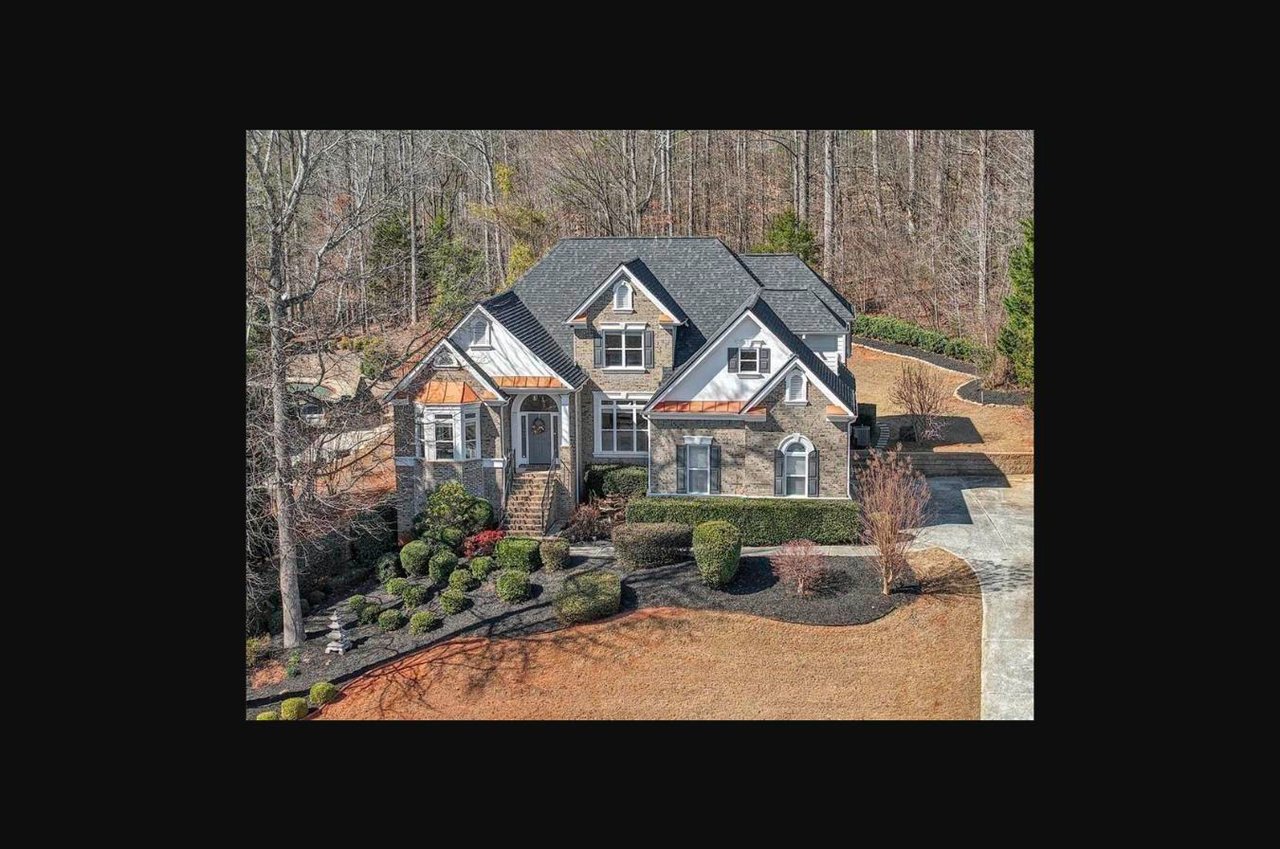
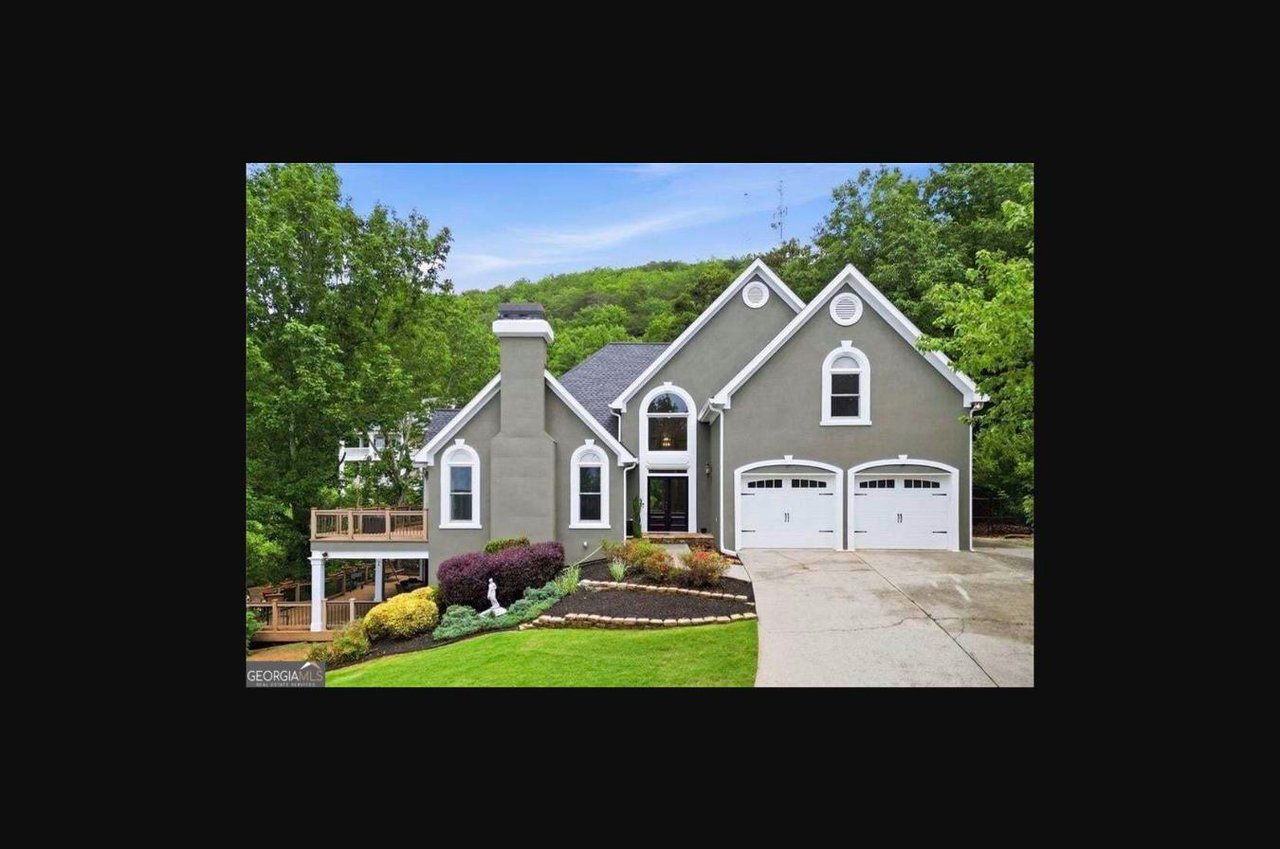
Selling a house to a builder in Atlanta is a different transaction from a conventional sale, even when the paperwork looks familiar. Owners of an older ranch or smaller house on a generous lot in Buckhead, Brookhaven, Sandy Springs, Chastain Park, Morningside or East Cobb often hear from builders who want the land. This guide explains how teardown sales work from the seller's side, and why full open-market exposure, marketing the property to every buyer type with builders included, gives sellers the clearest picture of value.
How Do Builders Decide What to Pay for an Older Atlanta Home?
A builder usually starts with the end product and works backward. The first question is what a newly built house on this particular lot could sell for. The second is what it will cost to get there, from clearing the old structure and securing approvals to carrying the project and leaving room for profit. The gap between those two figures is roughly what the land is worth to that builder.
Sellers often hear this framed as land value vs house value. On an older home headed for demolition, the structure tends to contribute little, because the buyer is paying to remove it rather than to live in it. Two nearly identical ranches can therefore draw very different builder interest when one sits on a parcel that can hold a larger new home.
Land Value vs House Value
Because the house is expected to come down, repairs or upgrades to it rarely change a builder's number. The parcel does. Its frontage and depth decide how large a home can fit, its grade affects how much site work is needed, and existing canopy can limit where a foundation can go. The more of the parcel that is usable without extra engineering, the more a builder can typically justify paying.
What Zoning and Setbacks Allow
Before settling on a price, a builder will check the property's zoning district and the dimensional rules attached to it, such as how close a house may sit to each property line and how much of the parcel it may cover. Some properties also fall under added review that shapes design. In Buckhead and similar intown areas, teardown value follows what can legally be built rather than raw acreage. Our overview of what Atlanta's Zoning 2.0 rewrite would change for homeowners notes that the draft proposed smaller minimum lot sizes for single-family homes and had not been adopted at the time of writing, so builders price against the code in effect today.
What New Homes Can Sell For Nearby
The top line of a builder's calculation is the likely sale price of the new home, anchored in nearby sales. For submarket context, Redfin reports a median sale price of about $799,000 in Brookhaven over the three months ending June 2026, up 6.5 percent from a year earlier. In Sandy Springs, Redfin reports a median sale price of $734,632 over the three months ending July 2026, up 4.2 percent, with a median of 33 days on market. These are all-home medians, not new-construction figures; a builder will lean on recent new-construction sales on comparable lots.
Why Do Builder Contracts Ask for Longer Due Diligence Periods?
A builder is confirming that a specific new home can be permitted, built and sold at a profit. Survey work, zoning review, tree evaluation, utility questions and permit timing take longer than a standard home inspection, so a builder feasibility period may run well past the short window common in resale contracts, and the offer may include contingencies tied to those items.
For scale, Georgia Title and Escrow describes the due diligence period in a typical Georgia home purchase as commonly running 10 to 14 days, during which the buyer can terminate for any reason with a full earnest money refund. Development and commercial purchases run on a different clock. McLane Middleton notes that due diligence periods in those transactions often run 30, 60 or 90 days, and a Forbes analysis of due diligence periods describes the same 30 to 90 day range.
What the Seller Carries During That Window
The longer the window, the longer the property sits under contract while the buyer can still walk away. The Forbes analysis notes that other interested buyers move on during the period, and sellers sometimes face late requests for more time or a lower price. It describes balancing tools such as a nonrefundable option fee, an extension fee not credited against the price, and limits on termination rights. Which of these fit a given sale is a question for a Georgia real estate attorney.
Permit, Survey and Tree Contingencies
Builder offers can also include conditions tied to a boundary survey, setbacks and buildable area, protected trees, and demolition or building permits. Each contingency is a point where terms can reopen, so know what each requires, who controls its timing and what happens if a date passes.
How Does a Demolition Permit Work in the City of Atlanta?
The City of Atlanta's published guidance says demolition applications are submitted online through Accela Citizen. A submission includes a building permit application, a site plan showing the structures and paving to be removed and the trees to remain or be removed, a No Trees Impact Statement or Tree Replacement Plan form, and an issued sewer plug permit. A rodent letter dated within 30 days of issuance is required before the permit is issued.
The City's ATL311 demolition permits guidance adds a detail that matters on older houses: for residential demolition without a build-back plan, the building must be deemed 51 percent or greater uninhabitable, with inspections by both the Buildings Inspection Division and the Arborist Division. The time these steps take for a demolition permit in Atlanta can shape how long a builder asks to keep the property under contract.
Other Jurisdictions Publish Their Own Rules
Requirements differ by jurisdiction. Sandy Springs, for example, lists demolition plans with site plans showing erosion control measures, a certified pest control letter and an asbestos abatement survey for residential full or partial demolition, with total residential demolition permit fees of $185. Ask any builder which jurisdiction's steps apply and how long they expect them to take.
How Does Atlanta's Tree Ordinance Affect a Teardown Sale?
Mature trees can change a builder's math. The City of Atlanta's updated Tree Protection Ordinance, approved in June 2025 as the first significant rewrite since 2001, set recompense for removing protected trees at $140 per diameter inch effective January 1, 2026, with annual inflation adjustments beginning in 2027. A lot with large trees inside the likely building footprint can carry a real cost in the builder's model.
The City's statement on the ordinance's passage also notes a planting credit of 1.25 times the caliper inches planted as an alternative to recompense. Atlanta News First reported that the ordinance restored per-acre recompense maximums ranging from $12,500 to $35,000 depending on zoning classification. Under a building permit, the City's Arborist Division reviews plans related to trees, verifies trees to be removed and posts the property before removal, and that posting allows the public to appeal decisions.
Sellers sometimes consider clearing trees before listing, which carries its own permits and costs. Our guide to removing a tree before you list or renovate an Atlanta home in 2026 covers the permit thresholds and the exception for dead, dying, diseased or hazardous trees.
How Should a Seller Compare a Builder Offer With a Traditional Buyer?
Compare net terms and certainty, not headline price. Look at the price after costs, the length of due diligence, when earnest money stops being refundable, which contingencies could reopen the price, the closing date and any time you need to stay in the home. A lower offer with a short diligence period and firm closing can be stronger than a higher offer carrying long exit rights.
Net, Timeline and Certainty
A builder may offer as-is terms, while a conventional buyer may bring a shorter timeline. A CPA can address tax questions tied to the sale, and a Georgia real estate attorney can walk through how each contract's terms would operate.
Rent-Back and Time to Move
Many owners of long-held homes need time after closing to move. Georgia uses a standard exhibit for this, and our guide to temporary occupancy for a seller after closing in Georgia explains that the form is not intended for stays longer than 60 days. If a builder plans to demolish soon after closing, a rent-back request is a term to raise early rather than at the closing table.
Why Full Market Exposure Matters
Marketing the home to the full open market lets conventional buyers, renovation buyers and builders see it at the same time and compete. An older ranch on a strong lot may appeal to a buyer who wants to update it as much as to one who wants to rebuild, and a single builder offer cannot reveal that. Market context matters here too: Georgia MLS reported 22,897 active listings in its Atlanta Core market in August 2026, up 3 percent from a year earlier, with a median sales price of $400,000, down 1.7 percent year over year. With more choices in front of buyers, clear presentation of the lot's potential counts.
What Records Should You Gather Before Talking to Builders?
Assemble the documents a builder will ask for before the first conversation. The most useful are any existing survey or recorded plat, county tax records showing the parcel and lot size, the current zoning district, records of permits pulled on the house, and notes on utilities such as sewer service. Having these ready helps keep due diligence moving.
A current survey shows boundaries, easements and setbacks, which drive the buildable footprint. Recorded covenants may add limits of their own, and a note on large trees near the likely building area helps a builder evaluate the lot early.
FAQ
Should I repair my house before selling it to a builder? Improvements to a house a builder plans to demolish rarely add to the offer. Repairs may still matter to conventional buyers, so understand every buyer type before deciding.
Can a builder back out during due diligence? In a typical Georgia resale contract, the buyer can terminate for any reason during the due diligence period with a full refund of earnest money, according to Georgia Title and Escrow. A builder's contract may use a longer period and different terms, so review the exact language with a Georgia real estate attorney.
Can I stay in the home after closing? Georgia's standard seller temporary occupancy exhibit is not meant for stays longer than 60 days. Raise any need for time after closing when negotiating, since a builder may be planning demolition soon after closing.
Conclusion
Selling an older Atlanta home to a builder turns on the land: what zoning allows, what trees and permits require and what a new home nearby could sell for. Due diligence length and contingencies shape an offer's value as much as price, and full open-market exposure lets builders and traditional buyers compete side by side. If you own an older home on a desirable lot and are weighing your options, contact The Agency Atlanta for a conversation about your property and your plans.