Buying a historic bungalow in Grant Park means learning the Grant Park Atlanta Certificate of Appropriateness renovation process before you finalize a budget or a design. In this neighborhood, a normal building permit is only part of the picture. Exterior changes on designated historic property generally need a Certificate of Appropriateness (COA) as well, and the review path depends entirely on how large your project is. Understanding that distinction early is what separates a renovation that moves on schedule from one that stalls for months.
The stakes are real. As of June 2026, Grant Park's median sale price sits near $570,000, with an average of roughly $345 per square foot, while renovated Victorian homes along the park perimeter regularly trade above $1,000,000. That spread pushes many buyers toward fixer-upper bungalows in the $400,000 to $550,000 range, where the renovation plan carries most of the financial upside. Getting the approval sequence right protects that upside.
Do I Need City Approval to Renovate a Historic Home in Grant Park?
Generally yes. In Atlanta, exterior work on a designated historic property requires a Certificate of Appropriateness in addition to the standard building permit. The city's Historic Preservation Studio regulates historic and landmark districts, and the Urban Design Commission reviews COA applications. Interior work that does not alter the exterior typically falls outside COA review, though it still follows normal permitting.
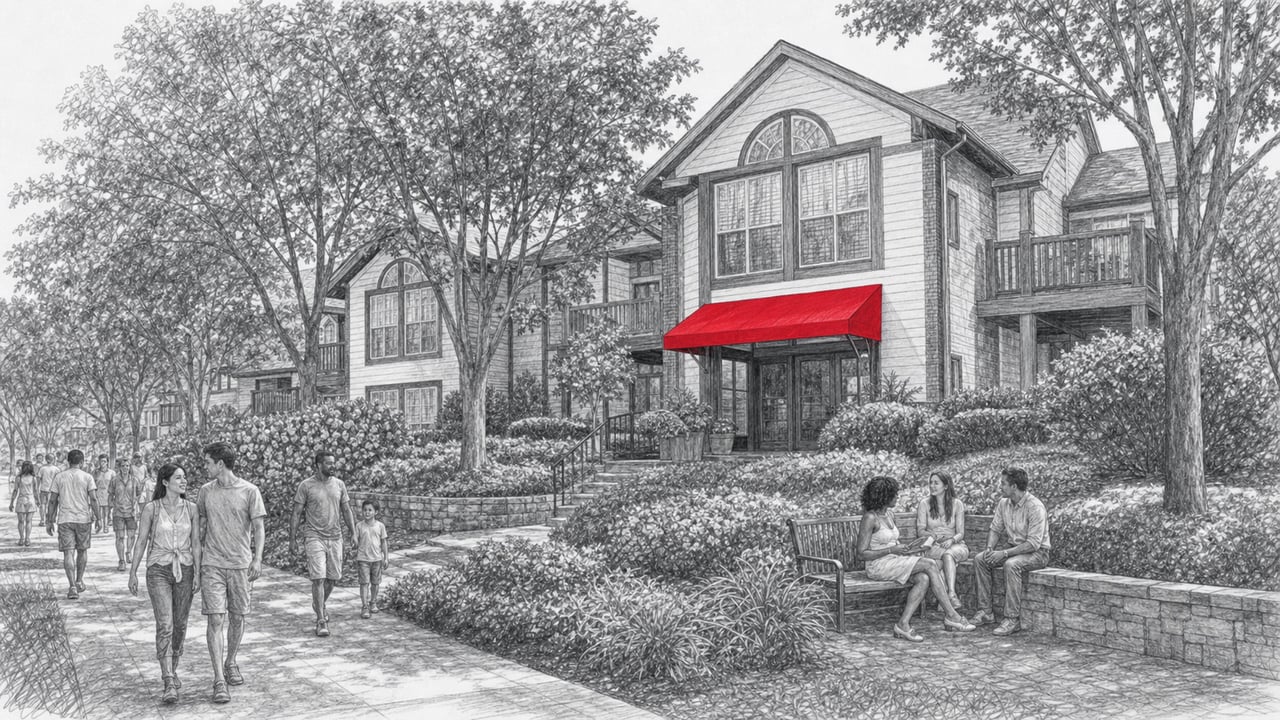
What trips buyers up is the assumption that small exterior projects are automatically exempt. Historic districts do not follow the usual permit-scope exemptions the way a non-designated property does. Replacing windows, altering a front porch, changing siding, adding a rear deck, modifying a roofline, or removing a mature streetscape feature are all the kinds of changes that draw review. The most reliable working assumption is that anything visible from the street will be evaluated.
Confirming Your Property's Designation First
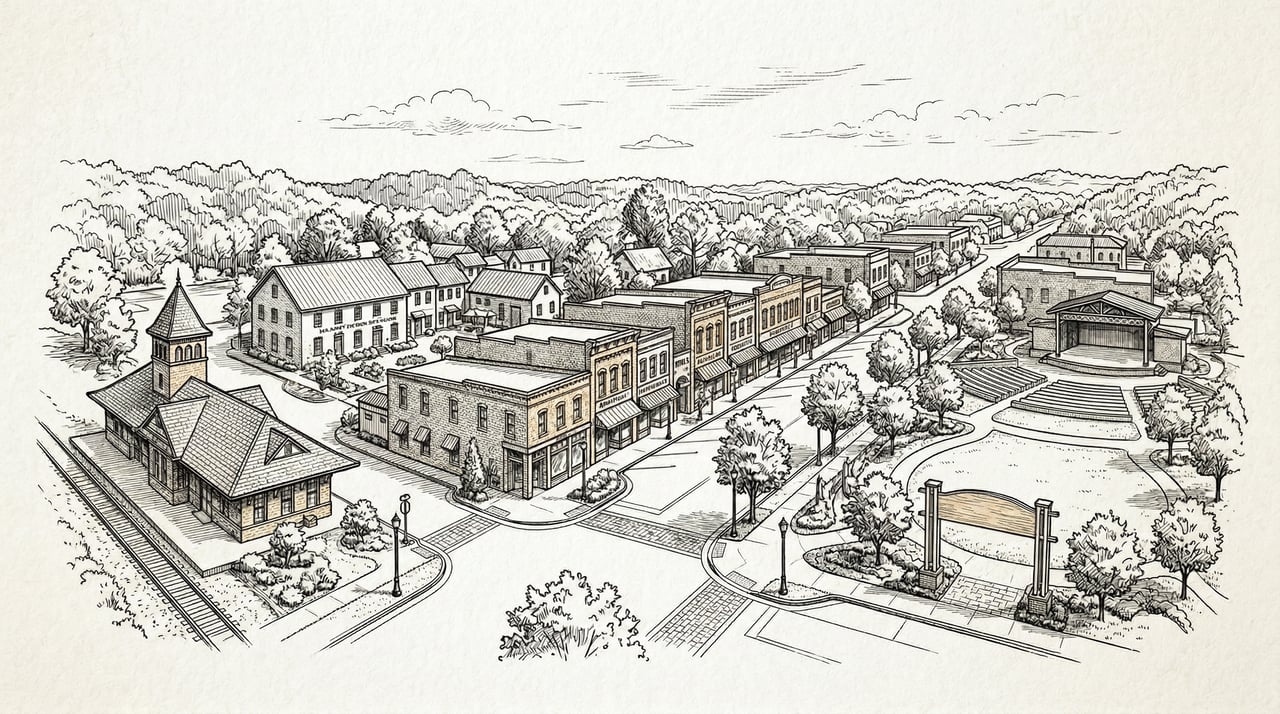
Before you sketch a single plan, confirm what your parcel actually is. Atlanta's public GIS mapping tools let you check designation status and any overlay districts attached to an address. Grant Park's historic fabric is not uniform, and two houses on the same block can sit under different regulatory expectations depending on designation boundaries and contributing-structure status. Pull that record during your due diligence window, not after closing.
If you are under contract, ask your agent to document the finding in writing alongside your other property records. Buyers who plan a major addition or a second-story pop-top should treat designation status as a material condition of the purchase, on par with the survey and the inspection reports. This is analysis of process, not legal advice, and a preservation consultant or land use attorney should review anything that affects your contract terms.
What Triggers Staff Review Versus Full Urban Design Commission Review?
Scope decides the path. Limited-scope projects in Grant Park may qualify for staff-level review, which is the faster and simpler route because it does not require a public hearing. Additions to principal structures, construction of new principal structures, and demolition typically require the more intensive Urban Design Commission review path, which does involve a hearing and a longer calendar.
That single distinction should shape your design brief. A rear addition tucked behind the original roofline, sized to keep the project inside staff-level thresholds, can move through the process on a very different timeline than a full-width two-story addition. Many Grant Park buyers restructure a wish list into two phases once they understand where the review line sits.
The Limited Repair Exception
Atlanta provides a narrow exception for certain lawful repair work under $2,500 on property governed by Chapter 20, where a COA or building permit may not be required. Treat this as a small carve-out for genuine repair, not a workaround for a renovation. Exterior work in historic districts often does not follow the usual permit-scope exemptions, so splitting a larger project into sub-$2,500 pieces is not a strategy the process rewards. Confirm applicability with Historic Preservation staff before relying on it.
How Long Does COA Review Take in Grant Park?
The honest answer is that the timeline depends on your application quality and your project scope more than on any fixed processing window. The Urban Design Commission meets only twice a month, so a project that requires a hearing is immediately tied to that calendar. Applications are submitted digitally through the city's ACA permitting system, and incomplete applications are not accepted or scheduled for a public hearing at all.
That last point is the practical bottleneck. An incomplete submission does not sit in a queue collecting comments, it simply does not get on an agenda. Buyers planning to start work immediately after closing should build the application preparation into the contract period rather than the post-closing period, so the package is ready to file rather than ready to assemble.
Documentation You Should Expect to Provide
Depending on scope, required documentation can include photographs of the house and the specific work area, existing and proposed elevations, floor plans, a sealed survey, and product specifications for materials such as windows, doors, and siding. Product specifications matter more than most buyers expect, because material compatibility with the historic character of the structure is often the deciding factor in a review.
Budget for the professional services this implies. A sealed survey and drafted elevations are line items, and they usually need to exist before the application, not after approval. Contractors who work regularly in Atlanta historic districts price this into their proposals as a matter of routine, which is one reason local experience is worth paying for on a Grant Park project.
Meeting With the Grant Park Neighborhood Association
The city encourages applicants to meet with the neighborhood organization representing the district, the Grant Park Neighborhood Association, before a public hearing. For larger projects, this step is worth treating as mandatory in spirit. Arriving at a hearing with neighborhood input already gathered, and with visible adjustments made in response to it, changes the tone of the conversation considerably.
Practically, that means presenting massing, materials, and street-facing changes to the association early, while your drawings are still adjustable. Applicants who show up after plans are locked have very little room to respond to feedback, which tends to extend the process rather than shorten it.
A Practical Renovation Sequence for Grant Park Buyers
Sequencing is where budgets get saved. The most reliable order is to resolve designation questions first, then scope the project against the staff-versus-commission line, then commission drawings and a survey, then meet with the neighborhood association, then file a complete ACA application, and only then schedule trades. Work that requires no exterior change can often proceed on a separate track while exterior approvals are pending.
Weatherproofing and Systems Before Cosmetic Work
On a bungalow that has not been updated, roof integrity, drainage, foundation and framing repairs, plumbing, and electrical systems deserve priority over kitchens and finishes. These items protect the asset and are often less entangled with exterior review than a facade change or an addition. Buyers who front-load systems work usually find their later cosmetic phases move faster because the structure is stable and the scope is clearer.
Why the Price Spread Rewards Discipline
Grant Park's June 2026 data shows homes averaging 41 days on market, down from 54 days the prior year, with active inventory around 54 listings. NeighborhoodScout places the neighborhood's overall median real estate value at approximately $685,727, higher than 89.7% of Georgia neighborhoods and 79.0% of U.S. neighborhoods. In a market moving at that pace, a renovation plan that clears review cleanly is a genuine competitive advantage at resale, because the completed work is documented and compliant.
None of this is a prediction about future values. It is a description of how the approval process interacts with the property types currently trading in the neighborhood, and of the documentation a future buyer's team will look for during their own due diligence.
Frequently Asked Questions
Do I need city approval to replace windows on a historic Grant Park home? Generally yes. Window replacement is an exterior change that typically requires a Certificate of Appropriateness unless it falls under a narrow repair exception. Confirm the specifics with Historic Preservation staff before ordering product.
Who reviews COA applications in Grant Park? Either Historic Preservation staff for limited-scope projects, or the full Atlanta Urban Design Commission for more involved work such as additions, new principal structures, or demolition.
How often does the Urban Design Commission meet? Twice a month. That cadence, combined with the requirement that applications be complete before scheduling, is the main driver of timeline on larger renovations.
Should I talk to the neighborhood association before applying? Yes. The city encourages meeting with the Grant Park Neighborhood Association before a public hearing, and early feedback is far easier to incorporate than late feedback.
Does a COA replace my building permit? No. The COA is an additional approval for exterior work in a designated district, and the standard permitting process still applies.
Conclusion
Grant Park rewards buyers who treat the Certificate of Appropriateness process as part of the purchase analysis rather than a post-closing surprise. Confirm designation, scope the project against the review thresholds, prepare a complete application, and bring the neighborhood association in early. Done in that order, a historic bungalow renovation becomes a schedule you can plan around.
If you are evaluating a Grant Park bungalow and want a realistic renovation budget before you commit, contact The Agency Atlanta. We can connect you with contractors and preservation consultants who have worked through Grant Park's specific COA path, and walk the property with you to pressure-test the plan.