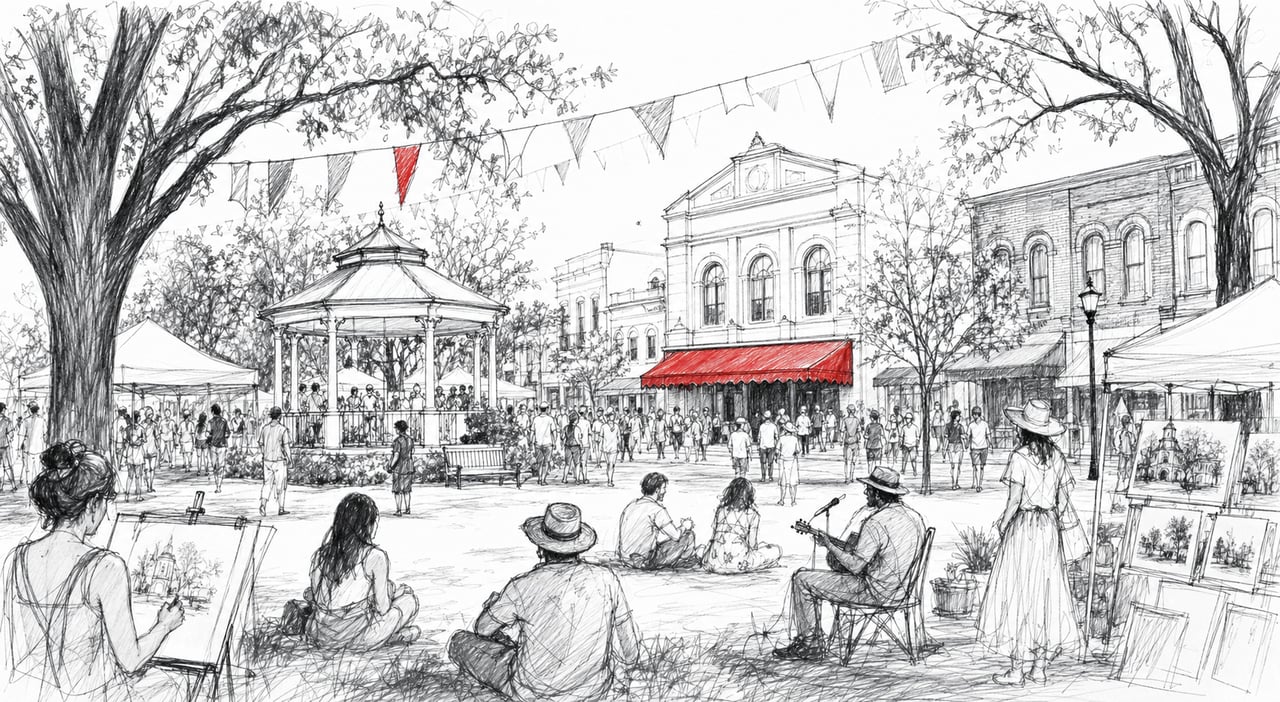
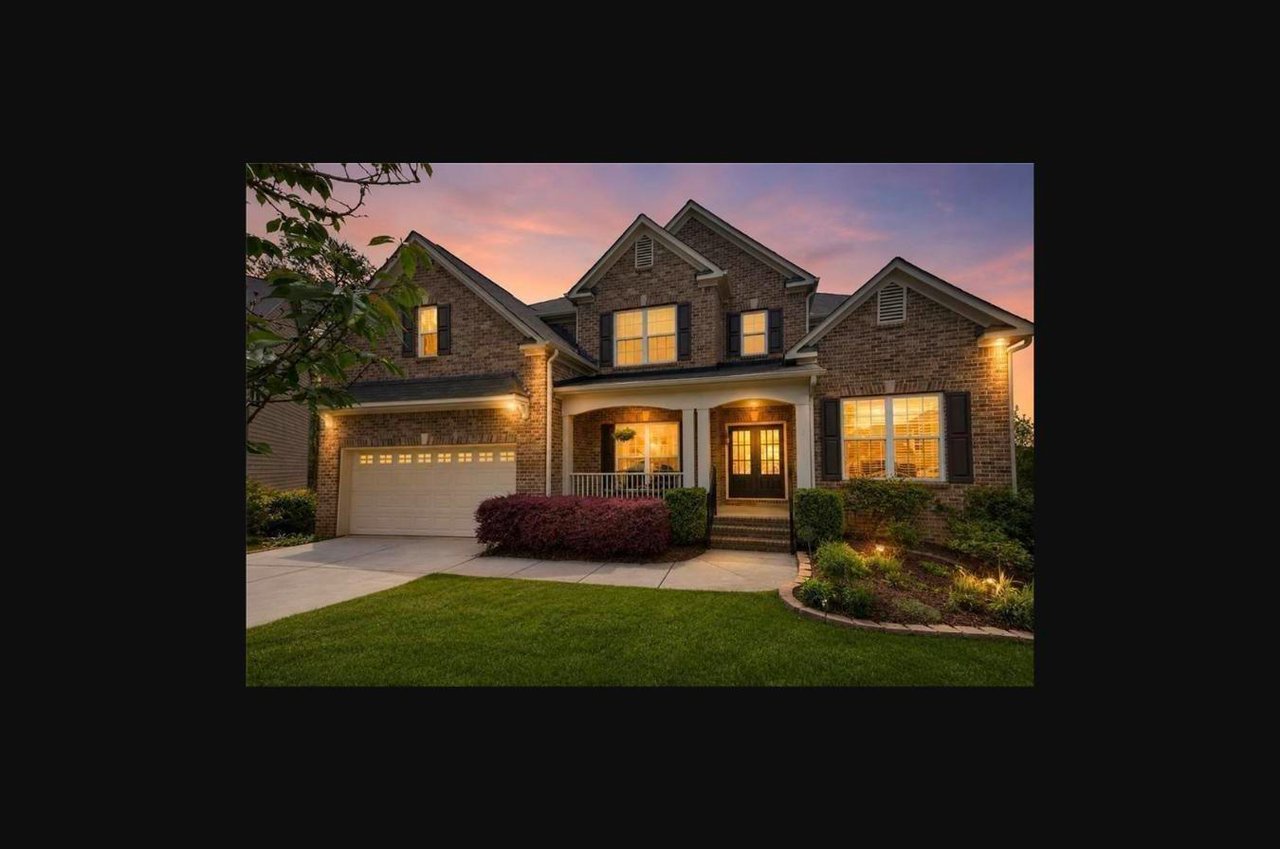
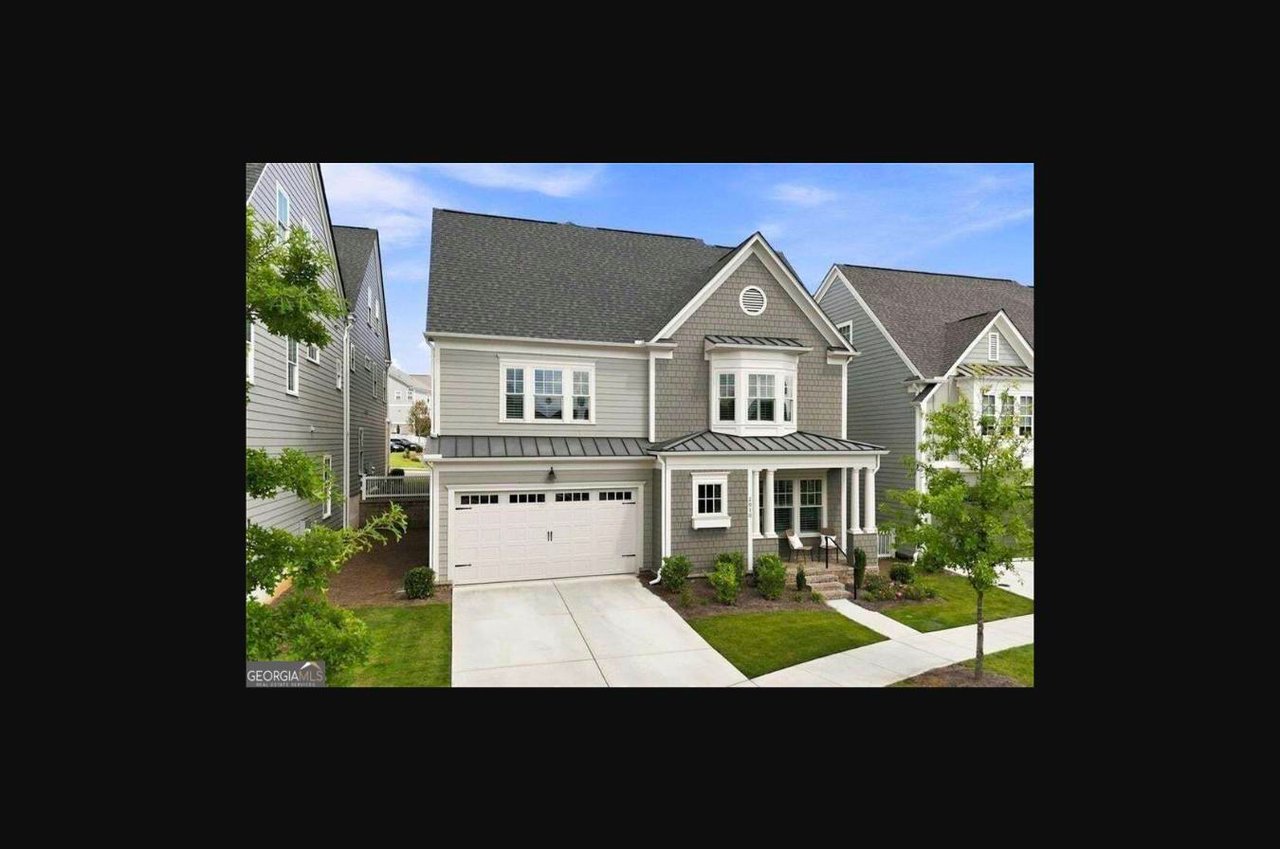
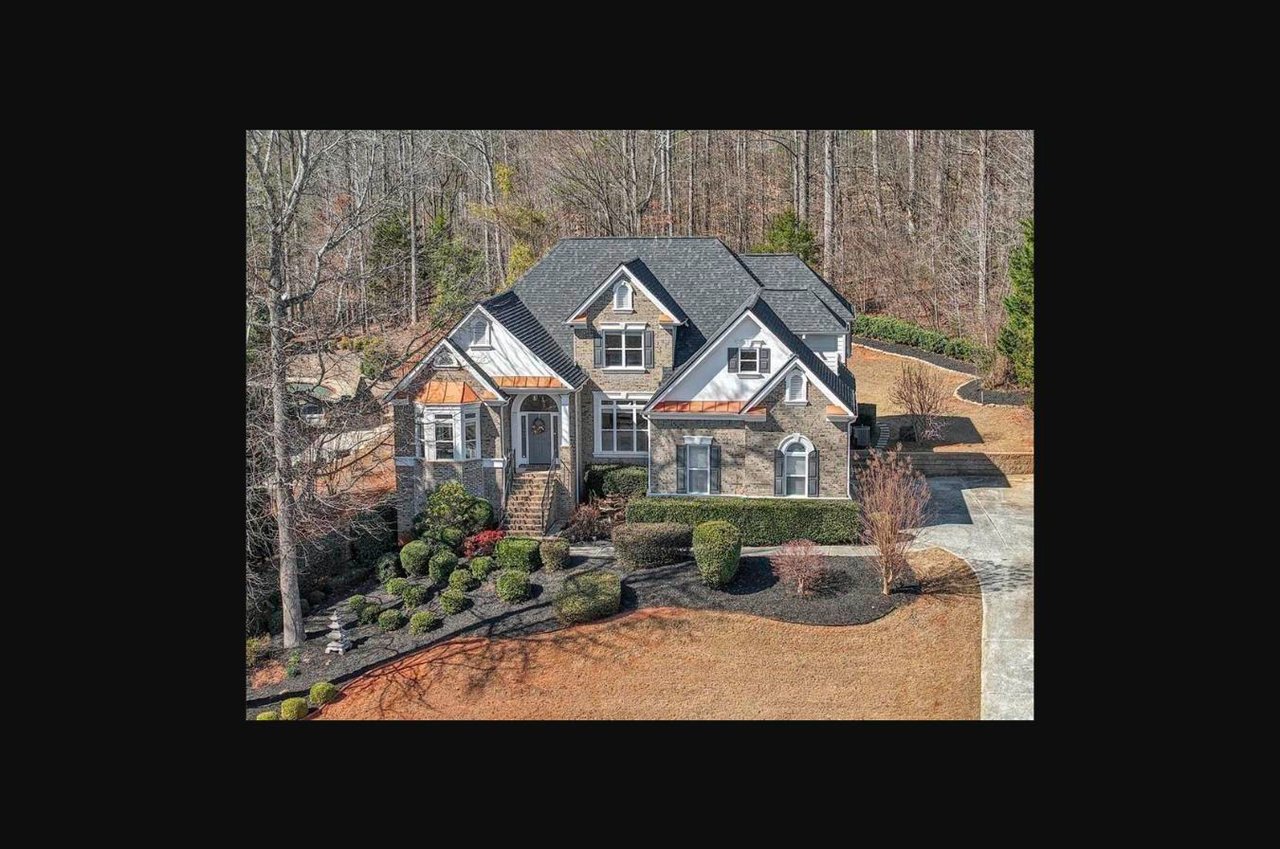
The PATH400 Buckhead greenway trail has quietly become one of the most talked-about amenities in the district, and buyers weighing a Buckhead home in 2026 increasingly ask how the trail affects value and daily life. PATH400 is a multi-use path running roughly parallel to Georgia 400, and each new segment stitches more of Buckhead together for walkers, runners, and cyclists. This post explains where the trail stands in 2026, why connectivity like this tends to matter for home values, and how buyers can factor it into a purchase without overpaying for a promise that is still being built.
Where PATH400 Stands in 2026
PATH400 has expanded steadily from a short initial stretch into a spine that now links multiple Buckhead neighborhoods, parks, and commercial nodes. As of early 2026, additional segments are funded, under construction, or in final design, extending the trail both north and south and tying it more tightly into the wider regional trail network. The direction of travel is clear even where individual segments are not yet open, and that trajectory is part of why the trail already influences buyer sentiment.
The completed spine and what it connects
The core of PATH400 already connects residential pockets to green space and to the retail and dining around the Buckhead core. For a homeowner, that means a car-free route to everyday destinations, which is unusual in a district long defined by driving. Walkable access to a maintained trail is the kind of feature buyers now search for specifically, and listings near the completed spine can highlight it as a genuine differentiator rather than a vague lifestyle claim.
The segments still to come
The segments in construction and design are what turn a useful local path into a true regional connector. As these open, homes that once sat near a dead end of the trail gain through-access, and the practical radius of car-free travel widens. Buyers looking at a home near a planned segment are effectively buying into a trajectory, and understanding the funded timeline helps separate near-term reality from longer-horizon hopes.
Why Trail Connectivity Tends to Support Home Values
Research on greenways and urban trails consistently points to a value premium for homes with convenient trail access, and the logic is intuitive. Trails add recreation, reduce reliance on the car for short trips, and signal ongoing public investment in the area. In a luxury submarket like Buckhead, where buyers can be selective, a differentiated amenity that competing listings lack can shorten days on market and support pricing. This is a market analysis of general patterns rather than a guarantee about any single home.
The walkability premium in a driving district
Buckhead has historically been a place people drive through rather than walk across, so a genuine walkable amenity carries outsized weight here. When a home offers direct trail access in a district where that is rare, the scarcity itself adds appeal. Buyers relocating from more walkable cities often prioritize exactly this feature, and that demand can translate into stronger interest for well-positioned homes near the trail.
Public investment as a signal of momentum
Continued spending on PATH400 also functions as a signal. Public and philanthropic investment in trails tends to precede or accompany other neighborhood improvements, and buyers read that as a sign the area is on an upward path. That perception can matter as much as the trail itself, because it shapes expectations about how the surrounding blocks will look and feel a few years out.
What PATH400 Means for Different Types of Buyers
The trail lands differently depending on who is buying and how they plan to live. A young professional relocating for work may value the car-free commute and the running route far more than a family focused on school proximity, while a downsizing buyer may prize the easy walk to dining over the size of a yard. Reading the trail through the lens of the specific buyer is more useful than treating it as a single, uniform amenity that adds a fixed premium to every home nearby.
For active lifestyle and relocation buyers
Buyers who run, cycle, or simply want to reduce time behind the wheel tend to place real weight on direct trail access, and for them a home near an open segment can be the deciding factor between two otherwise comparable listings. This group often comes from cities where trails and transit are normal, so a genuine car-light option in Buckhead feels familiar and valuable rather than novel. For these buyers, proximity to an open, well-used segment is worth prioritizing in the search.
For long-term hold and investment-minded buyers
Buyers thinking in longer horizons may care less about today's convenience and more about the trajectory. For them, a home near a funded but not-yet-open segment can represent value that has not fully arrived, provided they confirm the timeline and are comfortable waiting. The key is to distinguish a genuinely funded segment from an aspirational line on a map, because only the former carries a reasonable expectation of delivery. As always, this is general market context rather than advice about any single purchase, and specifics should be confirmed with the appropriate licensed professional.
How Buyers Should Factor PATH400 Into a Purchase
The trail is a real asset, but buyers should price it based on what exists and what is genuinely funded rather than on the full built-out vision. A home adjacent to an open, well-used segment deserves more weight than a home near a segment that is still years from breaking ground. Confirming the status of nearby segments and the funded timeline is the single most useful step a buyer can take before assigning value to trail proximity.
Verifying segment status before you buy
Segment status changes as funding and design advance, so buyers should verify current information rather than rely on older maps. Checking the trail organization's published plans and the relevant city resources gives a current picture of what is open, what is under construction, and what remains in design. Buyers should confirm specifics with the appropriate licensed professional and with the trail's official sources before making decisions.
Balancing trail proximity against trade-offs
Proximity to a busy trail is not automatically ideal for every buyer. Some value the direct access, while others prefer a quieter setback with the trail a short walk away rather than at the property line. The right balance depends on how a household plans to use the trail and its tolerance for foot and bike traffic nearby, and that trade-off is worth thinking through rather than assuming closer is always better.
How PATH400 Fits the Broader Buckhead Picture
PATH400 does not stand alone. It is one thread in a district that is adding density, connectivity, and new residences at the same time. Readers weighing the wider picture may want our overview of Buckhead's condo pipeline for how new supply is arriving, and our look at the Uptown Atlanta redevelopment for how the Lindbergh side is evolving. For a sense of how Buckhead compares with its main rival core, see our Buckhead vs. Midtown comparison. Buyers who want the current, official trail map and segment status can review the PATH Foundation resources directly.
FAQ
Is PATH400 finished in 2026? No. As of early 2026 a core spine is open and well used, while additional segments are funded, under construction, or in final design, extending the trail further north and south.
Does being near PATH400 increase a home's value? Trail access tends to support value in general, adding walkability and signaling public investment, though the effect on any single home depends on segment status, condition, and location.
Should I pay a premium for a home next to a planned segment? Weight value toward what is open or genuinely funded rather than the full built-out vision, and confirm the current segment timeline before assigning a premium.
Where can I check the current PATH400 segment status? Review the trail organization's published plans and the relevant city resources for the most current picture, and confirm details with the appropriate licensed professional.
Conclusion
PATH400 is turning Buckhead into a more connected, walkable district one segment at a time, and that shift is a genuine plus for nearby homes. The smart approach for buyers is to value the trail based on what exists and what is funded today, while keeping an eye on the trajectory that makes the area more appealing over time. If you want help judging how a specific home's trail proximity should factor into price, reach out and we will walk through the current picture together. We track segment openings and funding updates closely, so we can tell you exactly which stretches near a given home are open today, which are funded and coming, and which remain further out, giving you a grounded basis for judging the trail's contribution to value rather than relying on a marketing map alone That kind of segment-level clarity is often the difference between a confident offer and an anxious guess, and it is exactly the sort of local detail a good agent should bring to the table for any Buckhead buyer weighing trail-adjacent options..