Atlanta's luxury real estate market has spent the past several years adjusting to a new normal. Buyers are weighing higher rates against limited inventory, while sellers are recalibrating expectations after a decade of unusual appreciation.
This outlook breaks down where the market stands today, the forces shaping it, and what buyers and sellers should be watching over the next 12 to 24 months.
The State of Atlanta's Luxury Market
Atlanta's luxury segment, defined here as homes priced above $1.5M, has bifurcated into two distinct markets.
The first is the high-demand turnkey segment under $3M, where well-priced homes still see multiple offers and short days on market.
The second is the upper-luxury tier above $5M, where extended days on market and price reductions are common.
Three headline metrics define today's market:
Median luxury sale prices are up modestly year over year, with the strongest growth in walkable in-town submarkets.
Inventory months of supply has expanded above $5M, while remaining tight under $2M.
Average days on market has stretched in the upper tier as buyers grow more selective.
Submarkets Outperforming the Metro Average
Not all of Atlanta's luxury submarkets are moving in the same direction. The strongest performers share a few common traits: walkability, supply scarcity, and lifestyle amenities.
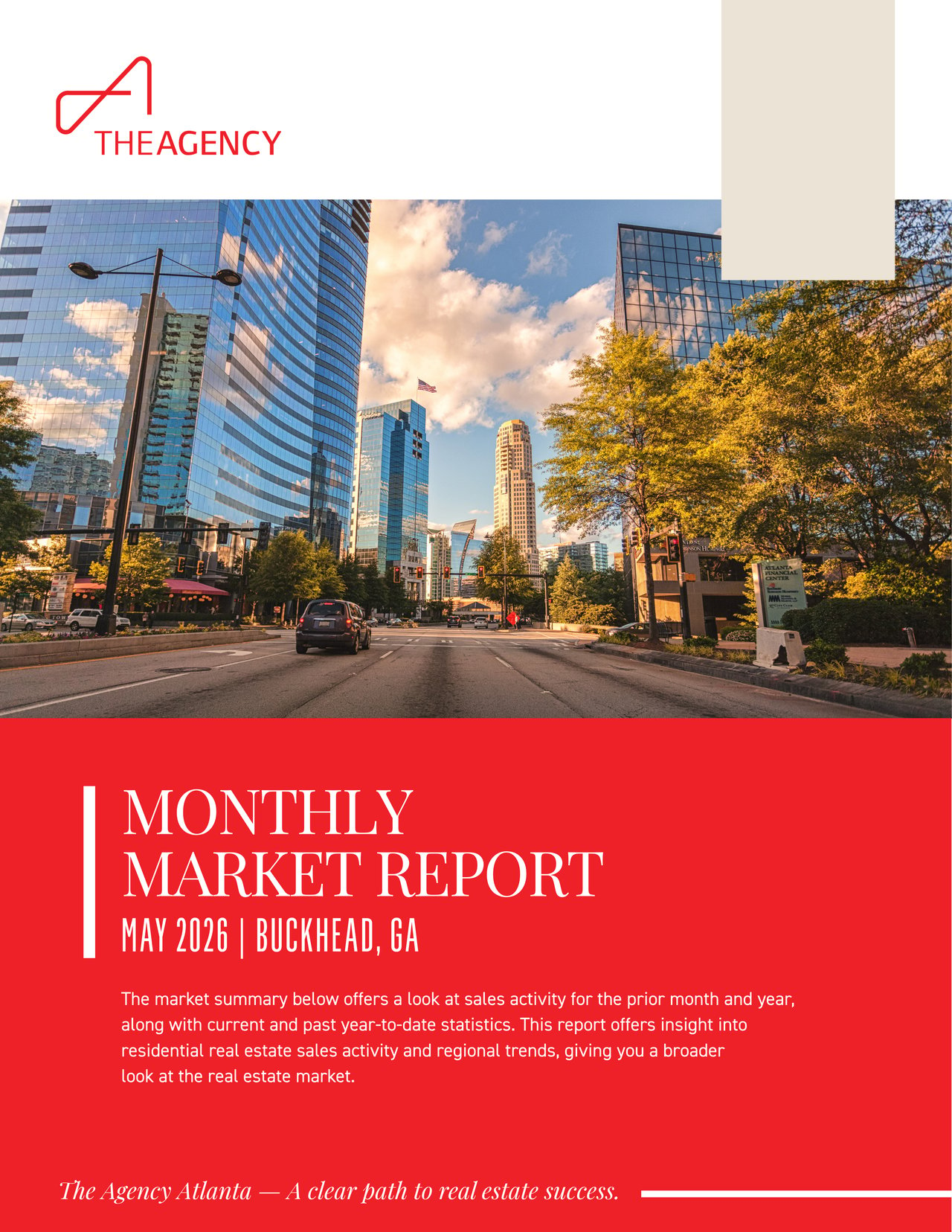
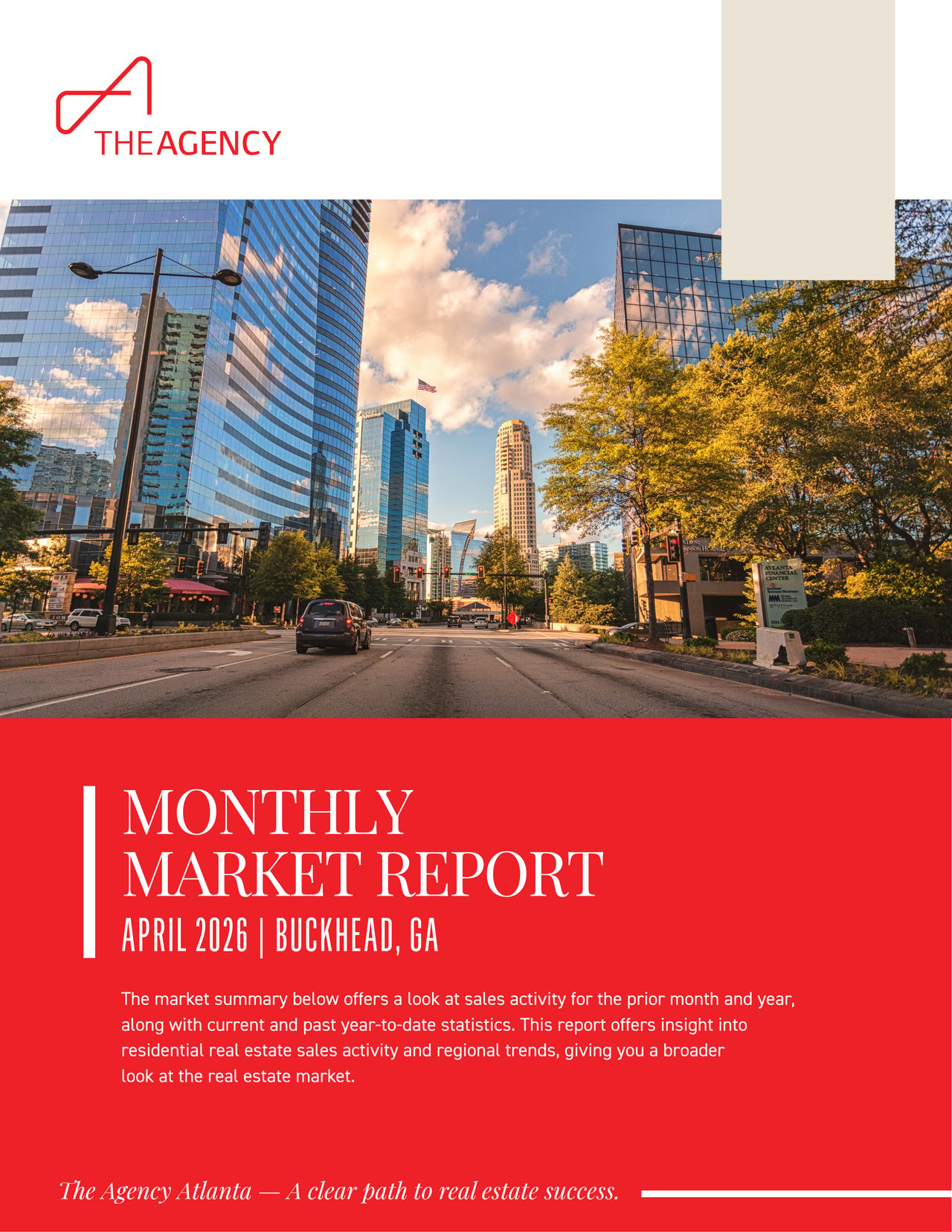
Buckhead: Steady demand for trophy estates and modern new construction. Tudor Drive and Tuxedo Park remain perennial standouts.
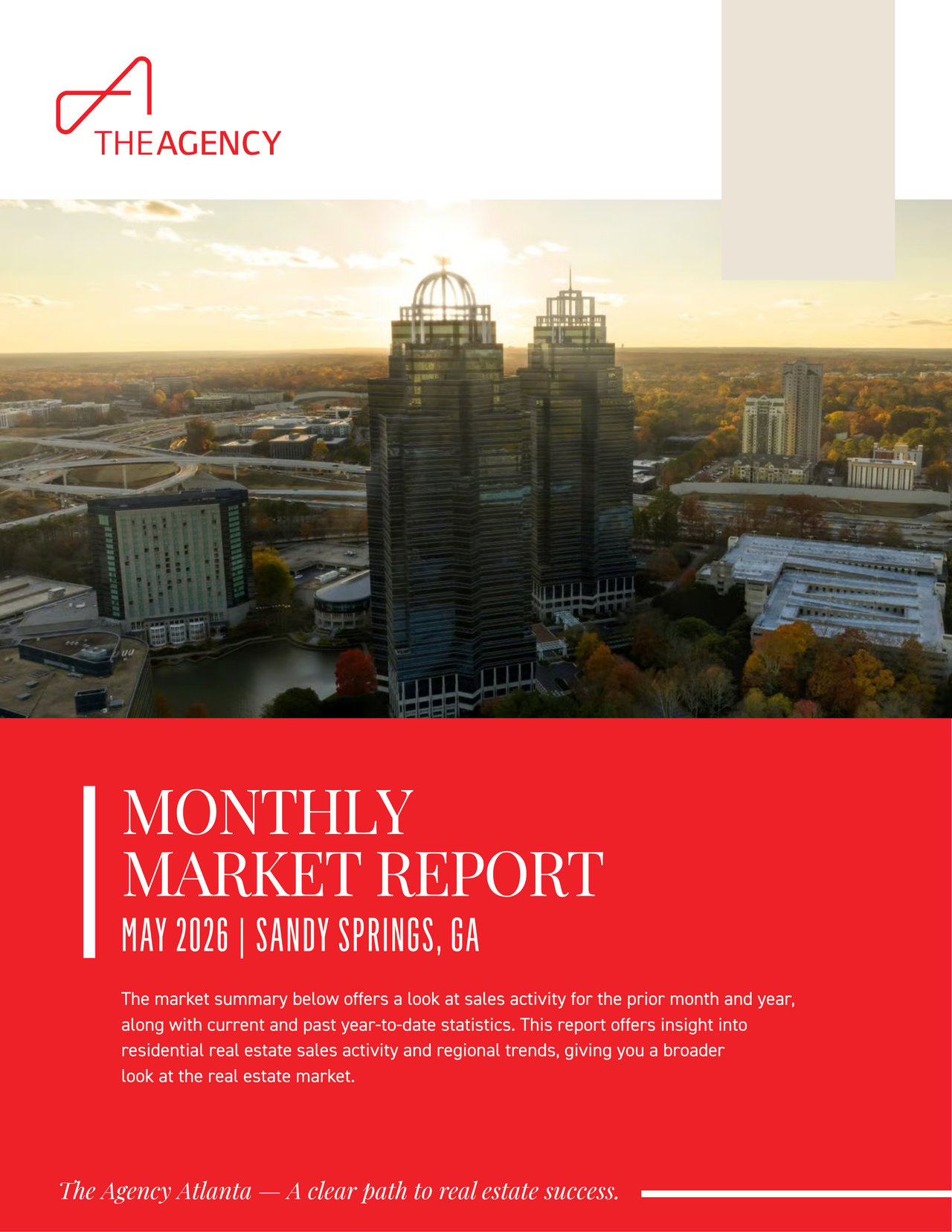
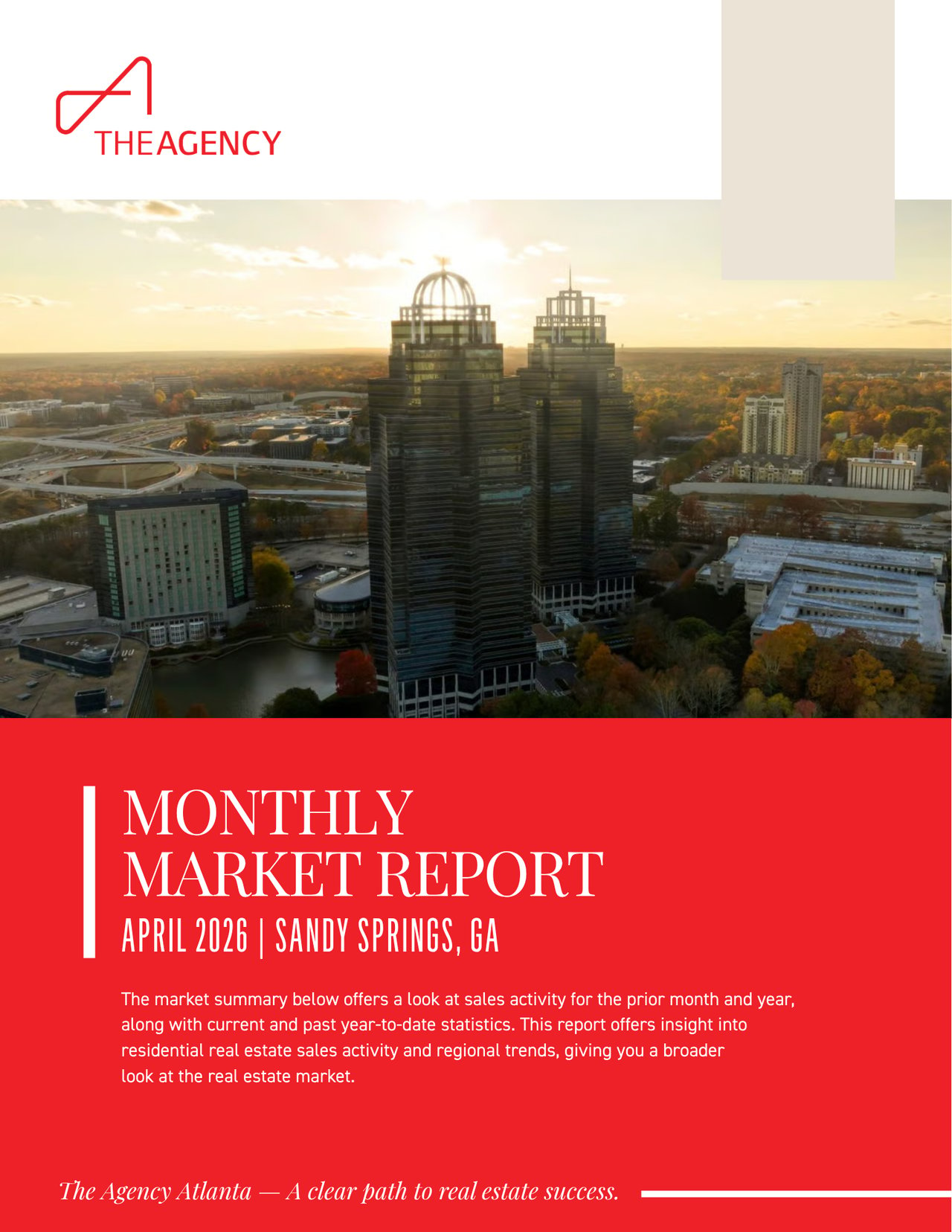
Sandy Springs: Riverside and Historic Sandy Springs continue to anchor demand, especially for buyers seeking large lots within OTP.
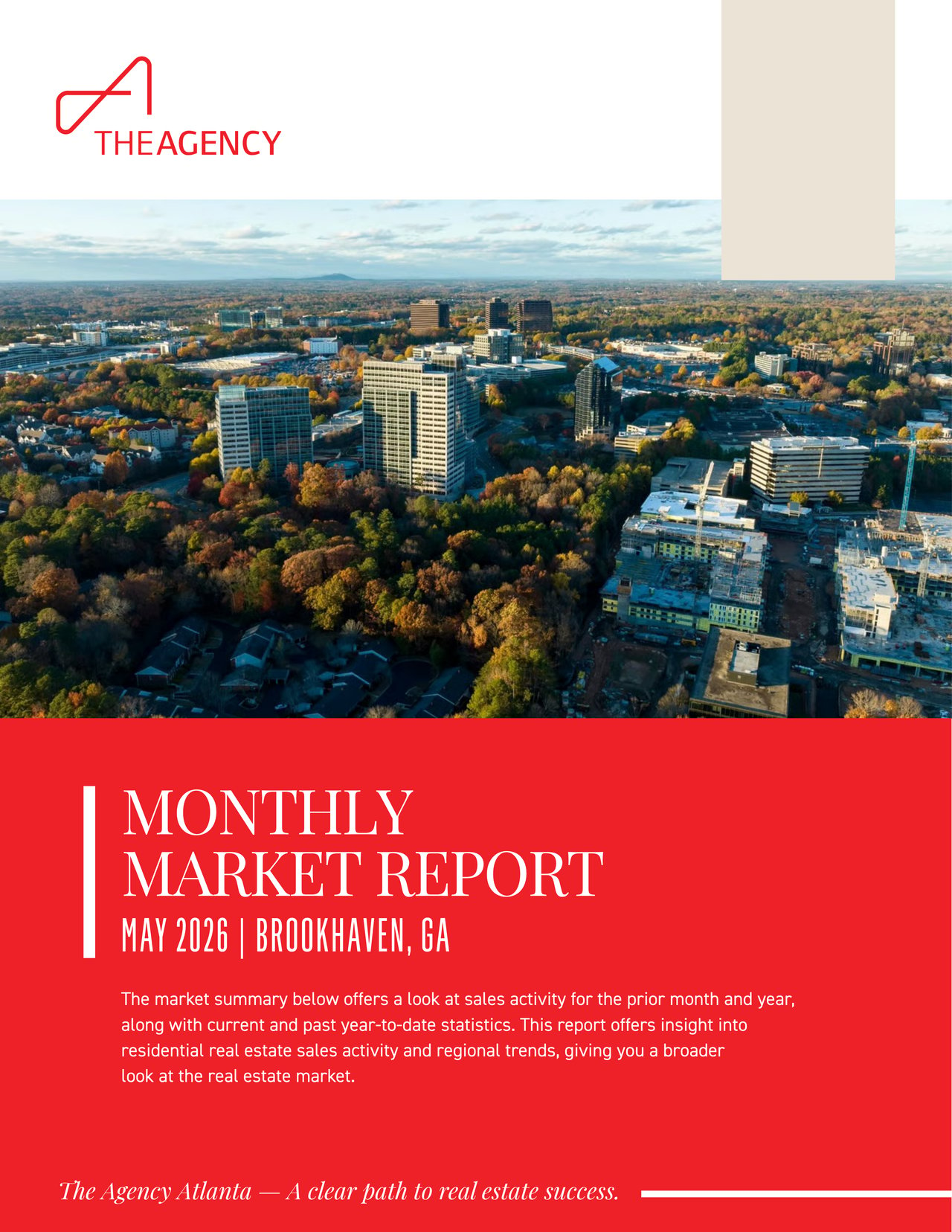
Brookhaven and Decatur: Walkable village pockets are seeing the fastest price-per-square-foot growth in metro Atlanta.
Morningside, Virginia-Highland, and Inman Park: Limited inventory and historic architecture sustain premium pricing.
Alpharetta and Milton: New-construction estates with acreage continue to attract relocation buyers.
Submarkets that are softer include some of the outermost commuter zones and large-scale custom homes priced significantly above neighborhood comps.
How Interest Rates Are Reshaping Buyer Behavior
Higher financing costs have changed the calculus for both buyers and sellers, but the impact varies dramatically by price band.
Under $1.5M: Mortgage rate sensitivity is highest. Buyers stretch more on monthly payment.
$1.5M to $3M: Many buyers blend financing with significant down payments, softening rate impact.
$3M and above: Cash and large down payment deals dominate. Rate sensitivity is minimal.
What this means in practice:
More cash offers in the upper-luxury tier than at any point in the past decade.
Longer decision timelines as financed buyers run multiple scenarios.
Greater willingness to negotiate seller concessions in the form of rate buy-downs and closing credits.
Homes that show well and are priced correctly still see fast action regardless of price band.
Inventory Trends and What They Signal
Inventory is the single most important leading indicator of where prices move next. Atlanta's data tells a nuanced story.
New listings: New listing volume has stabilized, ending the post-pandemic seller lockout pattern.
Months of supply: Under $2M sits near 2-3 months, classic seller's market territory. Above $5M is closer to 8-12 months, a clear buyer's market.
Withdrawn and expired listings: A growing share of luxury homes that come on, sit for 90-plus days, and either reduce price or withdraw to relist.
Off-market activity: Roughly 1 in 3 transactions above $4M now starts as a private, off-market conversation.
Takeaway for buyers: If you only watch the MLS, you are seeing maybe two-thirds of the real opportunity set.
Pricing Strategy: Why It Matters More Than Ever
Pricing in today's luxury market is a precision exercise. The cost of mispricing is steep.
Overpriced listings: Homes that launch 5-10 percent above market typically sell for less than homes priced correctly from day one, even after price reductions.
The price-cut signal: A first reduction within 30 days resets buyer perception of the home as a problem property.
Underpricing strategy: In tight submarkets, pricing slightly below recent comps can drive multiple offers and a final sale above ask.
Seasonality: Late spring and early fall remain peak luxury windows. Strategic sellers time their launch to maximize buyer attention.
For sellers, the takeaway is simple: get the price right the first time and invest in presentation.
For buyers, watch for homes past 60 days on market with motivated sellers. These are negotiation candidates.
What Sellers Should Be Doing Right Now
Sellers in the current market need to operate with discipline. Five priorities make the biggest difference.
Professional pre-listing preparation: Stage, paint, and address visible deferred maintenance before the photo shoot.
Pricing to recent comps: Avoid the temptation to price for ego or net proceeds. Price for the buyer pool.
Luxury photography and video: Drone footage, twilight shots, and walkthrough video are the new baseline.
Global exposure: Use a brokerage with international and relocation referral networks.
Flexible showing access: Restricted showing windows can cost a serious offer.
A well-prepared listing in any submarket can still achieve a strong outcome.
What Buyers Should Be Doing Right Now
For buyers, today's market rewards preparation and patience. Five habits separate successful luxury buyers from frustrated ones.
Get pre-approved or document liquid funds: Sellers will not engage seriously without proof.
Define your non-negotiables and your nice-to-haves: Stay disciplined when emotions take over at showings.
Build your team early: Buyer's agent, lender, attorney, inspectors, and a trusted contractor for renovation properties.
Watch off-market and pocket inventory: A specialist agent will surface listings before they hit the public MLS.
Negotiate based on data, not feel: Understand recent comps, days on market, and price reduction history before you make an offer.
Risks and Headwinds to Watch
No outlook is complete without honest discussion of the risks. Several factors could shift the next 12-24 months in either direction.
Interest rate moves: A meaningful drop could unleash pent-up buyer demand. A spike could further widen the bifurcation.
Property tax reassessments: Rising assessed values across Fulton and DeKalb counties are pressuring carrying costs.
Insurance premiums: Premium increases on luxury homes have outpaced general inflation. Wood shake roofs and large square footage are particular concerns.
New construction pipeline: A wave of speculative new builds in select submarkets could create temporary oversupply.
Corporate relocation flows: Atlanta's continued status as a relocation magnet is a critical demand driver. Watch announcements from Fortune 500 employers.
National economic conditions: Luxury markets historically lead the broader market into and out of downturns.
Tactical Plays for the Next 12 Months
Beyond strategy, here are tactical moves that align with current market conditions.
For sellers:
Launch in March-May or September-October when buyer attention peaks.
Consider a pre-market or coming soon period to test pricing.
Offer rate buy-down credits as a more attractive concession than direct price cuts.
For buyers:
Target homes past 60 days on market for negotiation leverage.
Ask about pocket inventory and expired listings, not just active MLS.
Use appraisal contingencies thoughtfully on unique luxury properties.
For investors:
Focus on walkable in-town pockets with strong long-term land value.
Underwrite for higher carrying costs (taxes, insurance, maintenance).
Plan for at least a 7-10 year hold to ride out rate volatility.
Frequently Asked Questions
Is now a good time to buy a luxury home in Atlanta?
It depends on price band and time horizon. Above $3M, buyers have meaningful leverage. Under $1.5M, well-priced inventory still moves fast.
Will Atlanta luxury prices fall in the next 12 months?
A broad collapse is unlikely given supply constraints. Specific submarkets and price bands may see modest corrections, especially upper-luxury speculation.
Is Atlanta still attracting relocation buyers?
Yes. Corporate relocations, retirees, and remote workers continue to fuel demand from out-of-state buyers.
How does Atlanta compare to other Southern luxury markets?
Atlanta offers more inventory diversity and a deeper job market than Charleston, Nashville, or Asheville, with comparable lifestyle appeal.
Partner With The Agency Atlanta
Whether you are buying, selling, or investing in Atlanta luxury real estate, market intelligence and a strong team are non-negotiable. The Agency Atlanta brings deep submarket expertise, off-market access, and a global referral network to every transaction.
Ready to discuss your next move? Visit theagency-atlanta.com or contact our office to schedule a private consultation. Our advisors will help you build a strategy that aligns with current market conditions and your long-term goals.