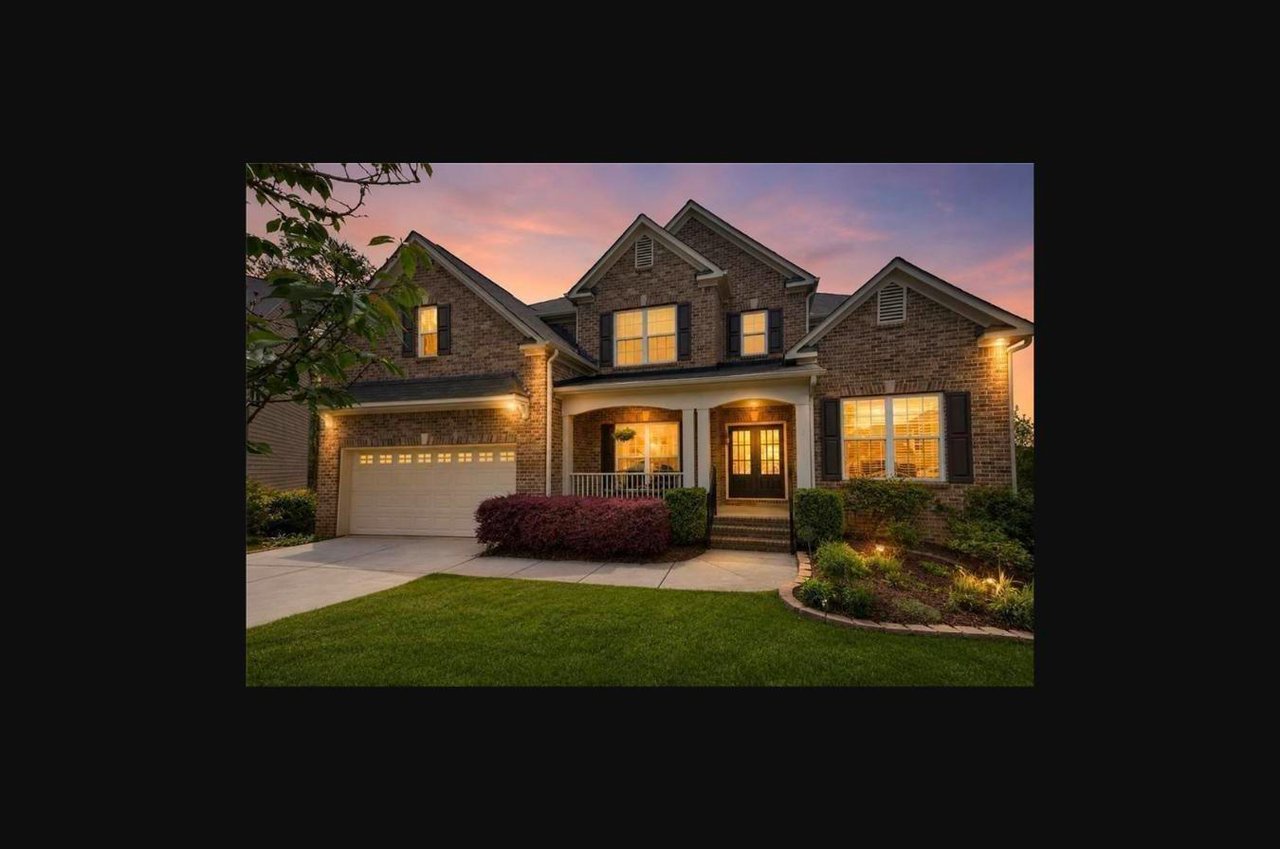
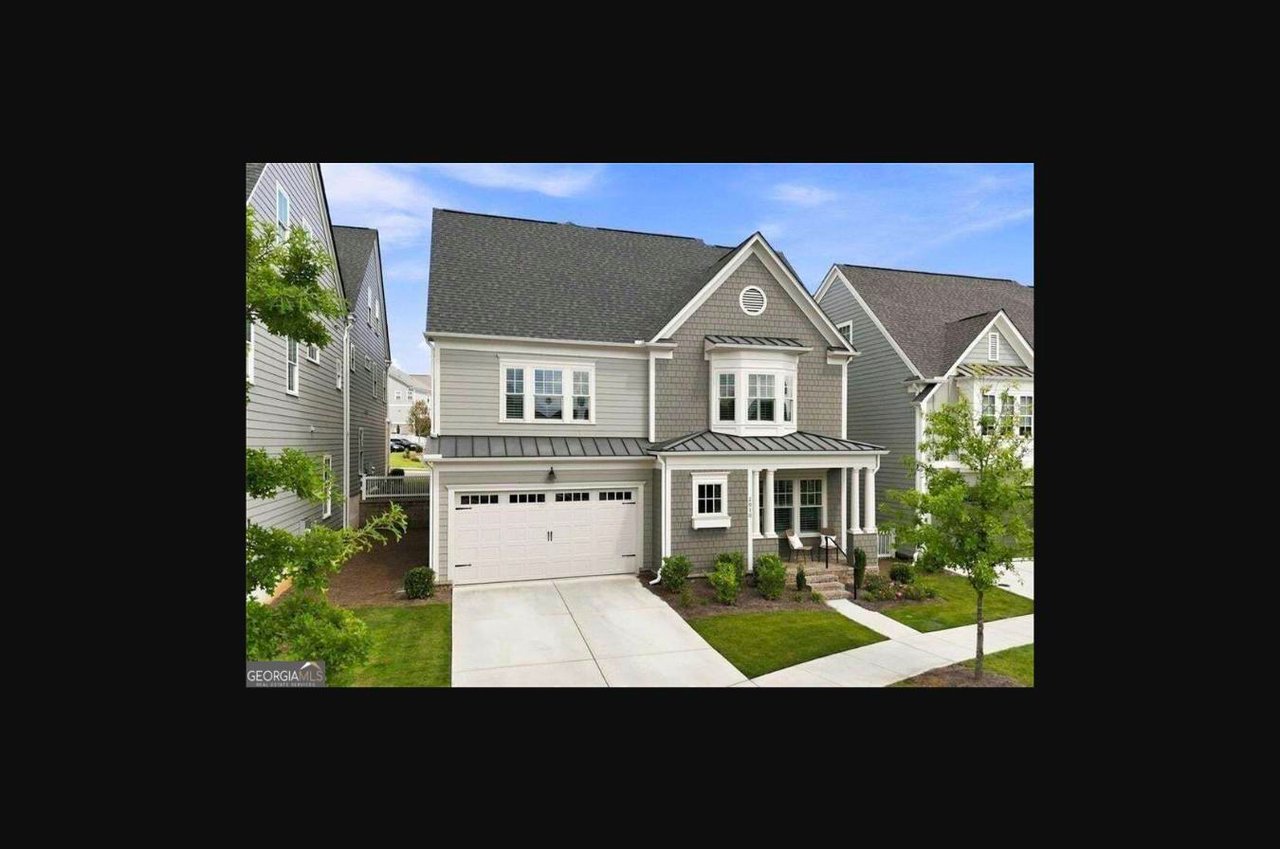
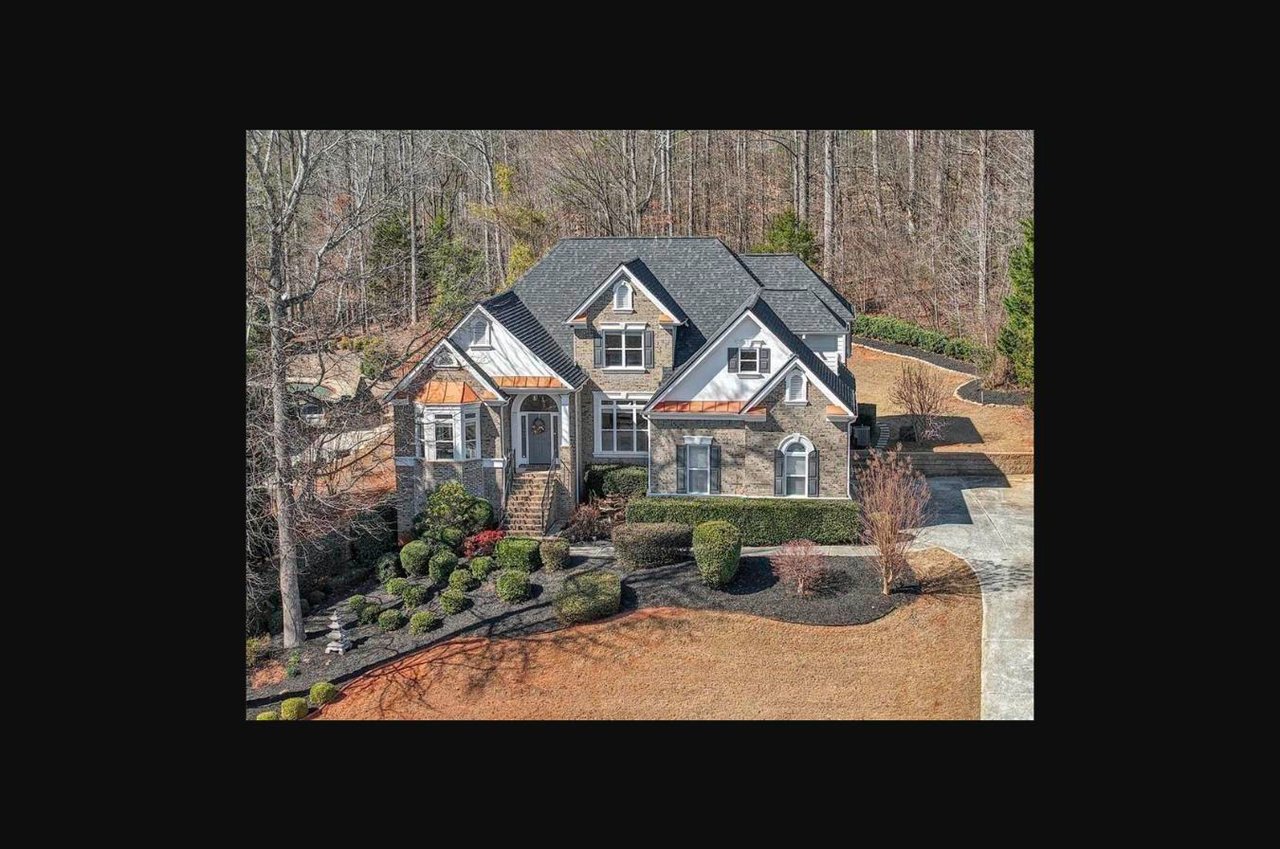
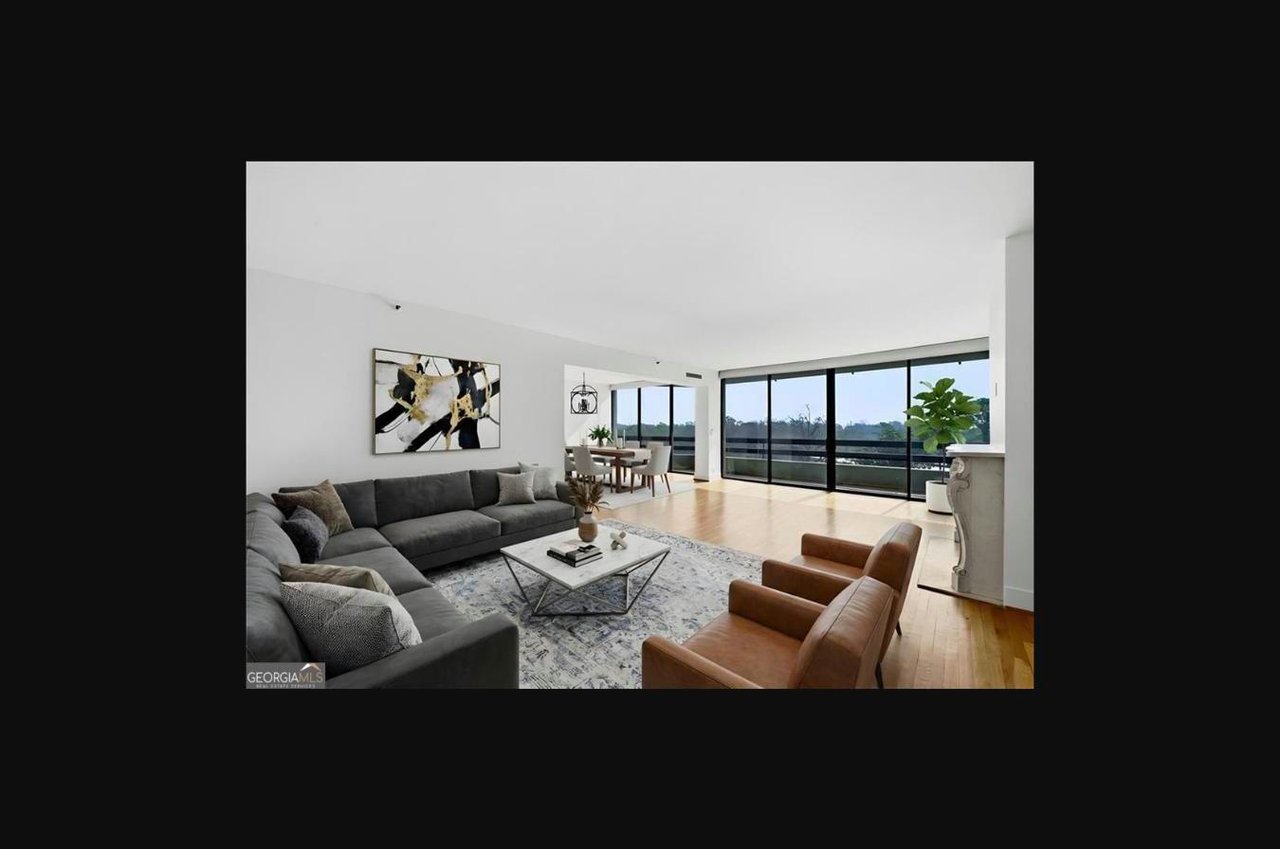
Metro Atlanta averaged a $531,950 sale price in July 2026 with 4.9 months of inventory, but that median number tells luxury sellers almost nothing about their own reality. The Atlanta luxury home prices 2026 story is a different market entirely, and if you own in Buckhead, Chastain Park, Ansley Park, or Milton, the headlines you are reading about the broader market are describing a segment you do not compete in. Understanding the Buckhead luxury real estate market, and the top tier across Atlanta, means separating national noise from the micro-market that actually sets your price.
Why Is Atlanta's Luxury Market Behaving So Differently From the Median?
The top tier of Atlanta real estate is moving on its own trajectory in 2026. Nationally, luxury sale prices rose nearly 5% year over year while non-luxury prices climbed only about 1.5%, and sales of million-dollar-plus homes are up 18%. That gap explains why the metro median of $531,950 fails to capture what a Buckhead or Milton seller is experiencing on the ground.
The Median Is Not Your Market
When metro Atlanta reports a median sale price near $531,950, that figure blends starter condos, suburban ranches, and townhomes with trophy estates. A seller in Chastain Park is not competing against the median buyer. The luxury tier draws from a smaller, better-capitalized pool of buyers whose decisions respond to different pressures than the entry-level market, which is why national luxury data is a better guide than any single metro median.
The National Signal Behind the Local Reality
The roughly 5% annual gain in luxury sale prices versus 1.5% for non-luxury, paired with an 18% jump in million-dollar-plus transactions, points to sustained demand at the top. Atlanta sellers should read that as confirmation that the premium segment has held its footing even as broader affordability concerns dominate the general-market conversation.
What Does 4.9 Months of Inventory Actually Mean for Luxury Sellers?
Metro Atlanta's 4.9 months of inventory in July 2026 signals a market leaning toward balance rather than a strong seller's advantage across all price points. For luxury sellers, though, inventory behaves by submarket and price band, so the metro-wide figure is only a starting reference, not a pricing instruction for a high-end listing.
Inventory Reads Differently at the Top
A 4.9 month supply metro-wide can coexist with a much tighter or much looser picture inside a specific luxury ZIP. High-end supply tends to concentrate, so a single ZIP can carry a heavy backlog above a certain price while the tier just below it clears quickly. That is why luxury pricing has to be built from submarket data, not from the metro average.
Absorption, Not Just Count
Inventory only matters relative to how quickly it sells. A luxury submarket can show a modest listing count yet still carry many months of supply if monthly sales are thin. Reading absorption rate alongside raw inventory keeps a seller from mistaking a slow top-tier segment for the balanced 4.9 month metro picture.
Which Atlanta Submarkets Need Their Own Pricing Logic?
The top 5% of any given ZIP code functions as its own micro-market, and Buckhead, Chastain Park, Ansley Park, and Milton each require separate pricing logic in 2026. Treating them as interchangeable is the most common mistake luxury sellers and inexperienced agents make, and it costs both time on market and final sale price.
Buckhead
Buckhead is Atlanta's deepest luxury market by volume, with a wide range of estate homes, high-rise condos, and gated properties. Because the buyer pool is large but discerning, pricing here rewards precise comparable analysis within the same product type and price band rather than a broad neighborhood average.
Chastain Park
Chastain Park pricing hinges on proximity to the park, lot size, and renovation quality. The inventory is smaller and more homogeneous than Buckhead, so a single recent sale can move the comparable set meaningfully, which makes a current market analysis essential before setting a list price.
Ansley Park
Ansley Park is defined by architectural character and intown location, and its buyers place a premium on historic detail and walkability. Pricing logic here leans on scarcity: limited turnover means fewer direct comparables, so value is often established by the property's distinct features rather than a running average.
Milton
Milton's luxury segment centers on acreage, equestrian estates, and new-construction custom homes. Price per square foot behaves very differently here than in intown neighborhoods, and land value carries more weight, so Milton demands its own comparable framework separate from the Buckhead or Ansley Park approach.
How Do Buyers at the Top of the Atlanta Market Actually Search?
Luxury buyers in Atlanta shop by lifestyle, submarket, and property type rather than by metro-wide price trends. A buyer targeting a gated Buckhead estate is rarely cross-shopping a Milton equestrian property, so the pool for each submarket is distinct. That behavior is exactly why a single metro figure like $531,950 or 4.9 months of inventory does not describe the competition your listing faces.
Buyer Pools Are Segmented by Product
Intown condo buyers, historic-home enthusiasts in Ansley Park, and acreage buyers in Milton operate as separate demand groups. Pricing to attract the right pool means positioning against the closest true comparables, not against an average that mixes incompatible property types.
Demand Direction Still Matters
The national luxury signal, with prices up nearly 5% and million-dollar-plus sales up 18%, tells sellers demand at the top remains healthy. That confidence lets a correctly priced Atlanta luxury listing hold its number rather than chase the market down, provided the local comparables support it.
What Pricing Mistakes Cost Atlanta Luxury Sellers the Most?
The most expensive luxury pricing mistakes in Atlanta come from anchoring to the wrong data: using the metro median, borrowing comparables from an unrelated submarket, or reacting to broad-market headlines instead of same-tier evidence. Each error either overprices a home into stagnation or underprices it and leaves money on the table.
Overpricing Against the Median
Sellers who assume their luxury home should simply carry a large premium over the $531,950 metro median often overshoot, because the median has no relationship to top-tier value. An overpriced luxury listing lingers, and time on market erodes negotiating power.
Borrowing the Wrong Comparables
Pulling comparables from a different submarket, such as pricing an Ansley Park historic home off Milton acreage sales, produces a distorted number. Same-neighborhood, same-product comparables are the only reliable foundation for a luxury price opinion.
How Should Luxury Sellers Use National Data Without Being Misled by It?
National luxury data, such as the nearly 5% annual price gain and the 18% rise in million-dollar-plus sales, is best used as supporting evidence for a local pricing decision, not as the decision itself. The correct sequence is to start with your submarket and price band, then layer the national trend on top to gauge demand direction.
Lead With the Local Number
A well-priced Atlanta luxury listing is built on a current price opinion drawn from same-tier, same-neighborhood activity. Once that local number is established, the national trend helps confirm whether to hold firm or build in negotiation room, but it should never override submarket evidence.
Build a Submarket File Before You List
Before setting a price, a luxury seller should assemble a file of recent same-tier sales, active competition, and expired listings within the same submarket and product type. That file, refreshed with current activity, is the single most useful tool for pricing a Buckhead, Chastain Park, Ansley Park, or Milton home correctly the first time.
FAQ
Are Atlanta luxury home prices rising in 2026? The top tier has outperformed the broader market. Nationally, luxury sale prices rose nearly 5% year over year versus about 1.5% for non-luxury, and Atlanta's premium submarkets have tracked that strength more closely than the metro median of $531,950 suggests.
Why can't I just use the metro median to price my luxury home? The metro median blends every price point and property type across Atlanta. Your luxury home competes only within the top 5% of your specific ZIP, so a submarket price opinion is far more accurate than any metro-wide figure.
Do Buckhead and Milton really need different pricing strategies? Yes. Buckhead pricing rewards precise same-product comparables in a deep market, while Milton value leans heavily on acreage and land. Applying one framework to both leads to mispricing.
Conclusion
The market you read about in national and metro headlines is not the market a Buckhead, Chastain Park, Ansley Park, or Milton seller actually sells into. With luxury prices outpacing the rest of the market and the metro median obscuring the top tier, the smart move is a submarket-specific price opinion built from same-tier comparables, then validated against the national luxury trend. If you own in one of Atlanta's premier neighborhoods and want to know how your property is really positioned in 2026, connect with The Agency Atlanta for a tailored market analysis of your micro-market.
Data points referenced here reflect metro Atlanta figures for July 2026, including the reported $531,950 average sale price and 4.9 months of inventory, alongside national luxury trends showing sale prices up nearly 5% year over year and million-dollar-plus sales up 18%. For a current price opinion specific to your neighborhood and property type, request a personalized market analysis rather than relying on any single metro-wide statistic.