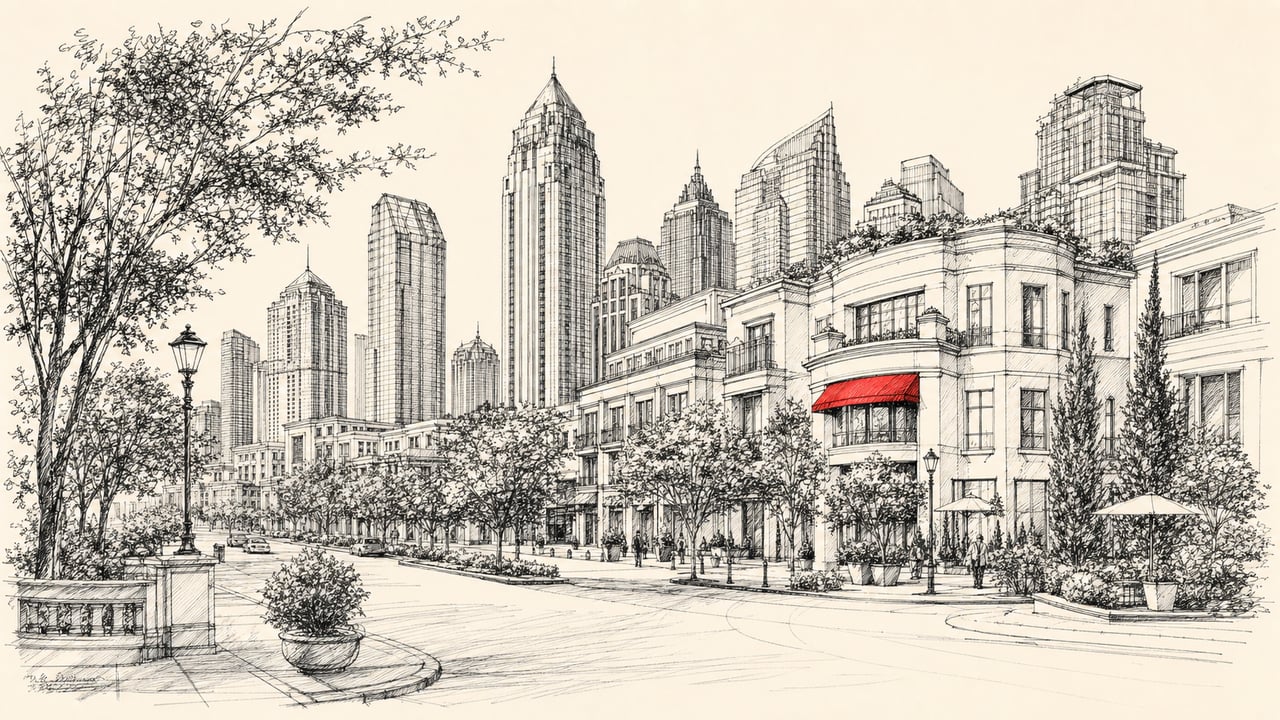
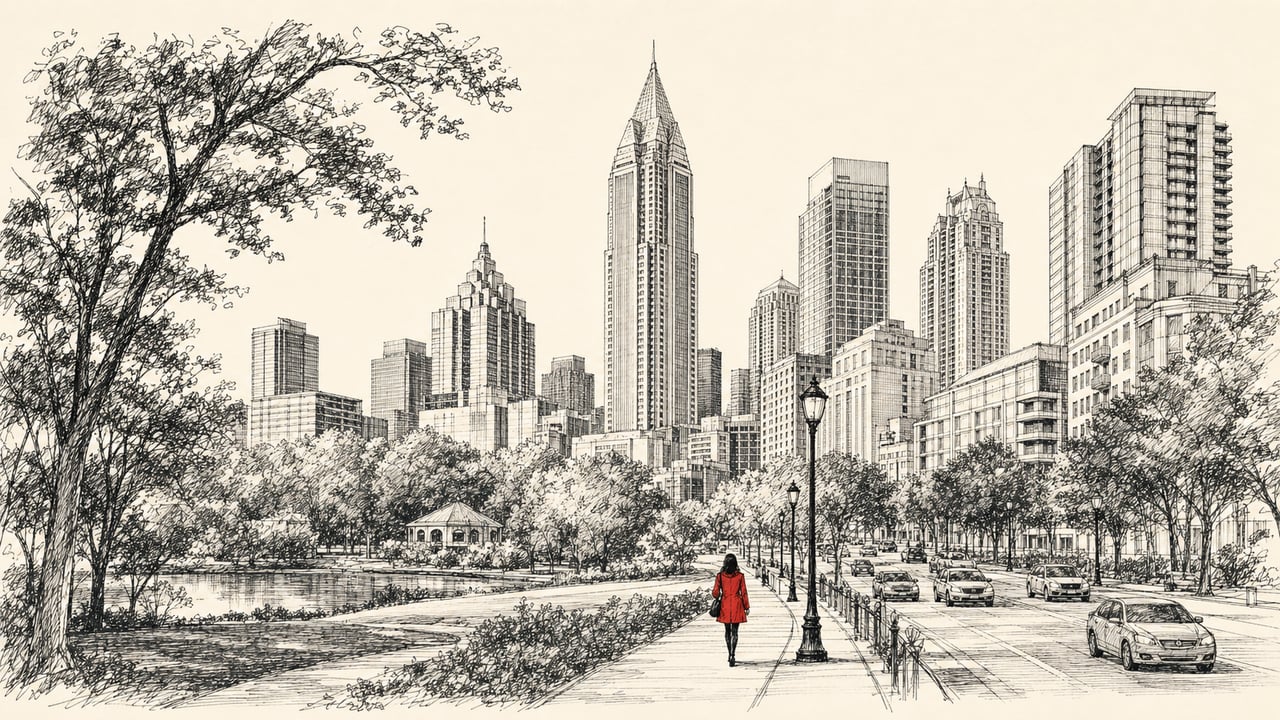
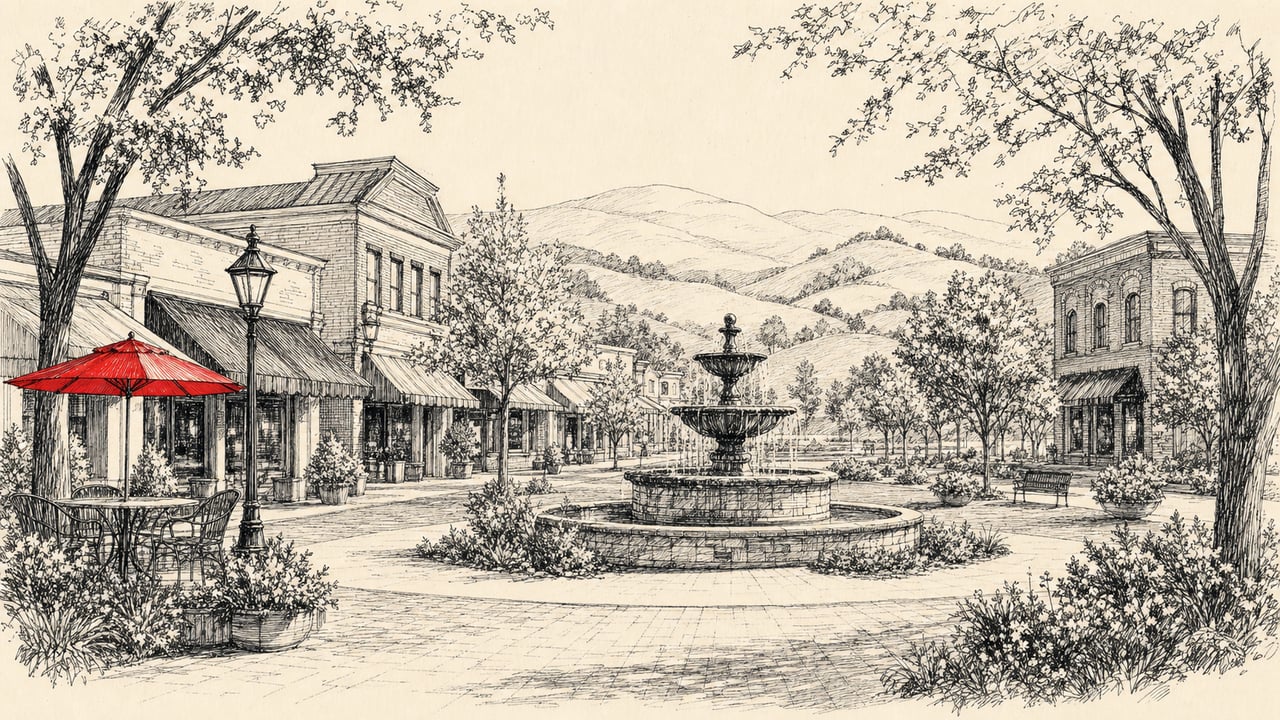
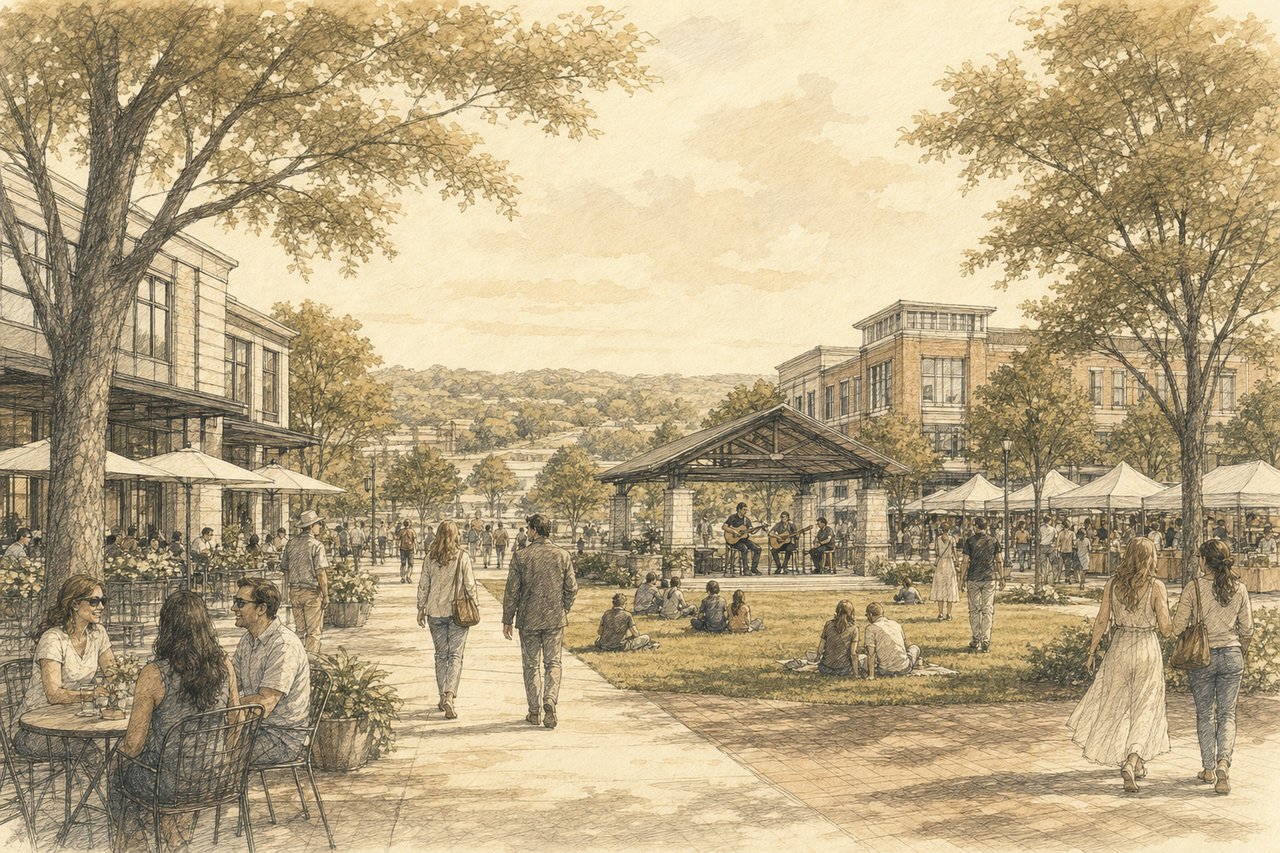
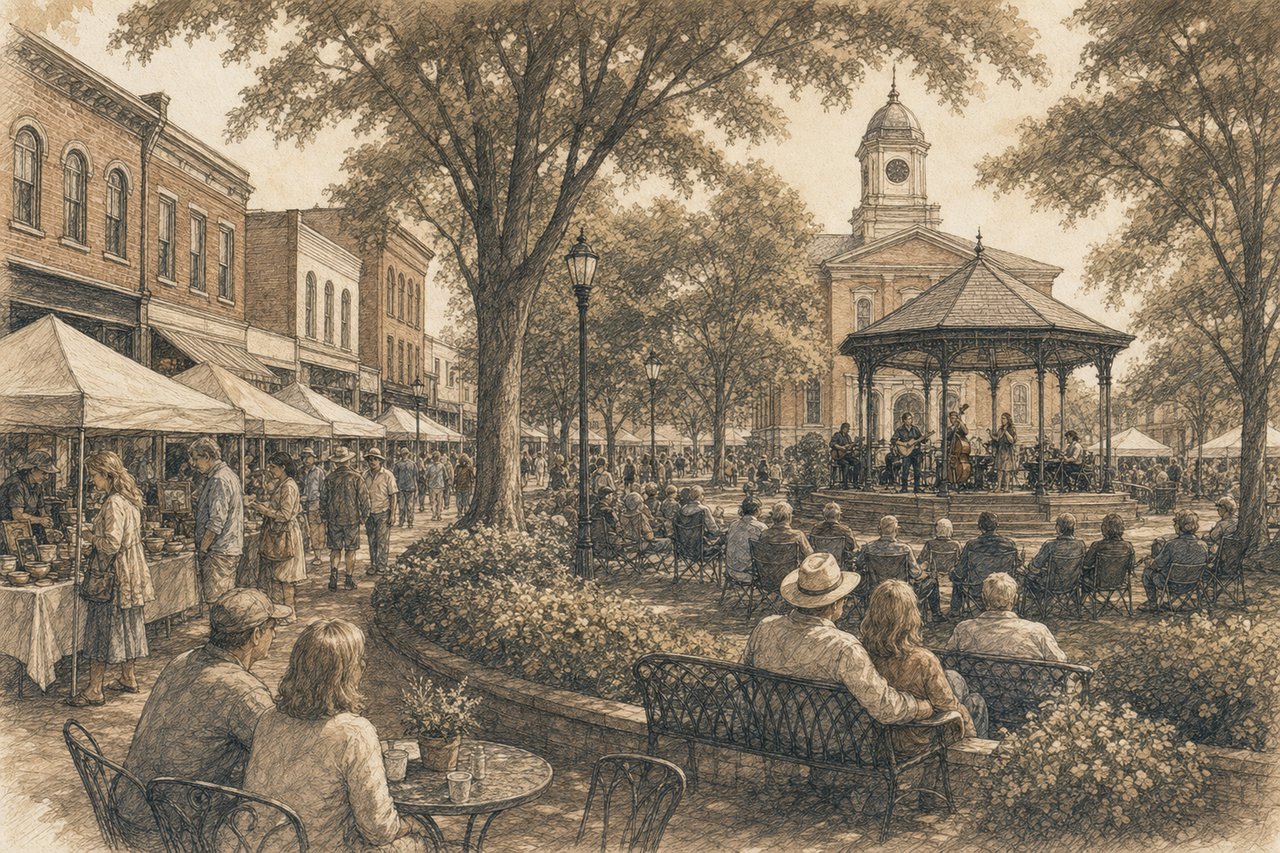
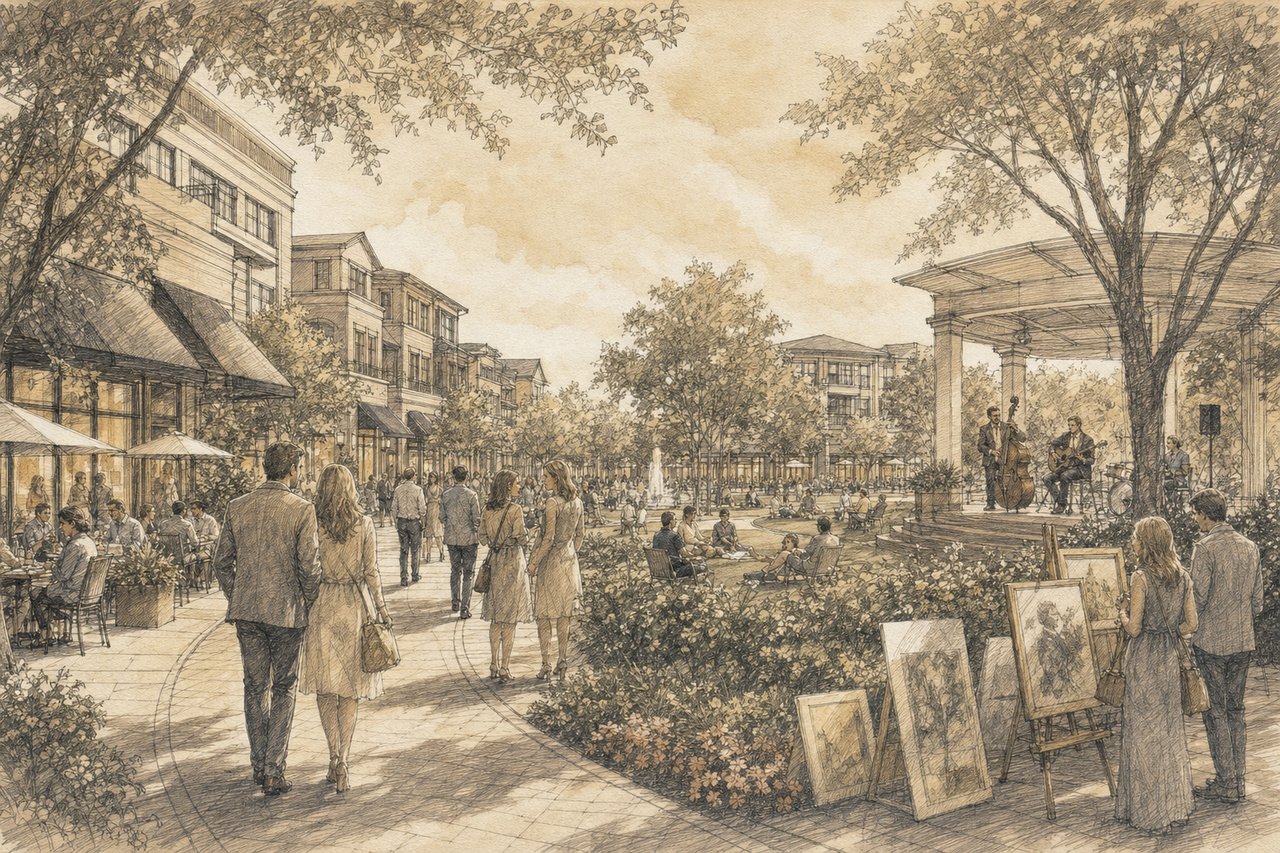
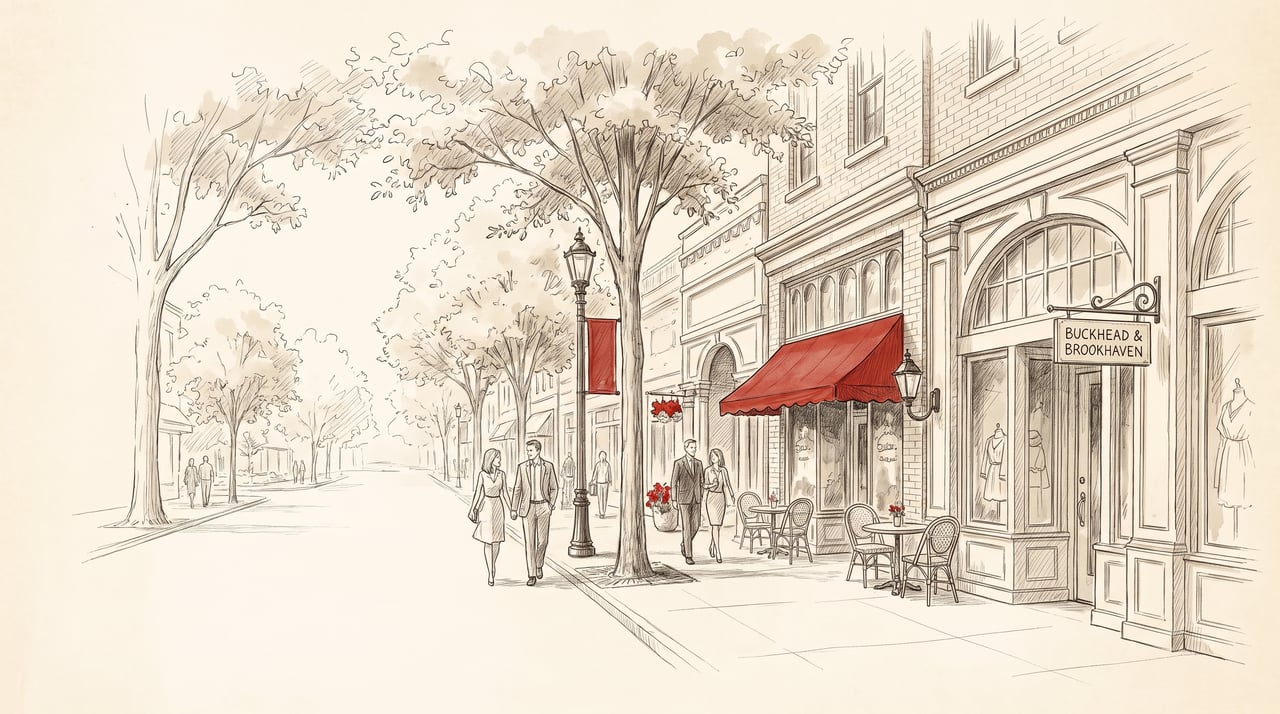
The Uptown Atlanta Lindbergh redevelopment home values conversation has shifted quickly over the past year, and homeowners across Lindbergh, Morningside, and lower Buckhead are paying attention. Rubenstein Partners has rebranded the 47-acre Lindbergh City Center as Uptown Atlanta and is executing a redevelopment that recently landed MARTA as a major office tenant, positioning the district as a connector between two of the city's most established luxury submarkets. This post explains what is actually happening on site, why it matters for nearby property, and what history suggests about the value timeline.
From Lindbergh City Center to Uptown Atlanta
Lindbergh City Center was one of the first mixed-use, transit-oriented developments in the country when it broke ground in the late 1990s. Built around MARTA's Lindbergh Center rail station on a roughly 47-acre site, it aimed to combine offices, retail, and housing in a single walkable district. Execution stalled for the better part of two decades, and the property never reached the density or vibrancy its planners envisioned. Understanding that long backstory matters, because it frames why the current momentum is treated as a genuine turning point rather than routine leasing news.
The original 1999 transit-oriented development and why it stalled
The initial vision leaned heavily on a large corporate office anchor. When that model weakened, the site was left with underused parcels, dated retail configurations, and an atrium that never became the community hub it was meant to be. For nearby homeowners, the result was a transit hub that felt more like a pass-through than a destination. That underperformance is precisely the baseline against which today's reactivation should be measured. A district starting from a low occupancy base has more room to add foot traffic, amenities, and daily energy, and those are the ingredients that gradually reshape how buyers value the surrounding blocks.
Rubenstein Partners' 2019 acquisition and rebrand strategy
Rubenstein Partners and Monarch Alternative Capital acquired the 47-acre component in September 2019 for 187 million dollars and began rebranding the district as Uptown Atlanta. The plan committed more than 70 million dollars toward redesigned office atriums, refreshed retail, and improved public spaces. The redevelopment is bundled in a 206 million dollar loan originated by a Mack Real Estate Group affiliate, a figure that reflects the scale of continued institutional investment in the site. Capital commitments of that size do not guarantee outcomes, but they do signal that experienced institutional owners see a multi-year path to filling and monetizing the district.
What Is Actually Happening on Site Right Now?
As of early 2026, Uptown Atlanta is an uneven but improving recovery story. Roughly 86 percent of its office space remained empty even as retail leasing reached about 75 percent of 120,000 square feet. That split tells you the district is drawing everyday foot traffic before it fills its towers, which is a common sequence for large reactivations. The retail-first pattern is encouraging for nearby residents because street-level activity is what they experience day to day, long before office occupancy statistics ever reach them.
The MARTA office relocation lease
The headline milestone is MARTA. In early 2026, the transit agency signed a lease to relocate approximately 500 employees to the Uptown Atlanta complex. An anchor commitment of that size does two things at once. It absorbs a meaningful block of vacant office space, and it signals to other prospective tenants that the district is credible again. For a property that has moved slowly since 2019, a dated, verifiable anchor lease is exactly the kind of proof point the market watches for. It also brings a daytime population that supports the surrounding restaurants and shops, reinforcing the retail momentum already visible on the ground.
New retail leases and the reimagined atrium
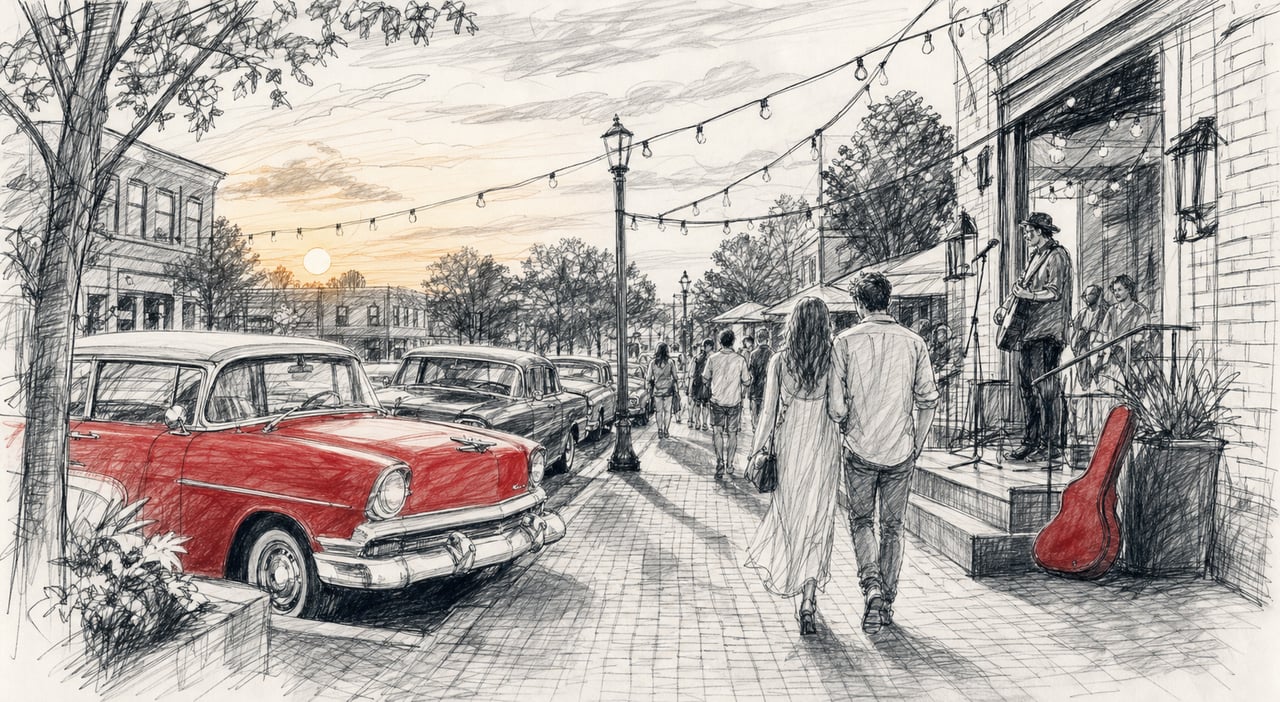
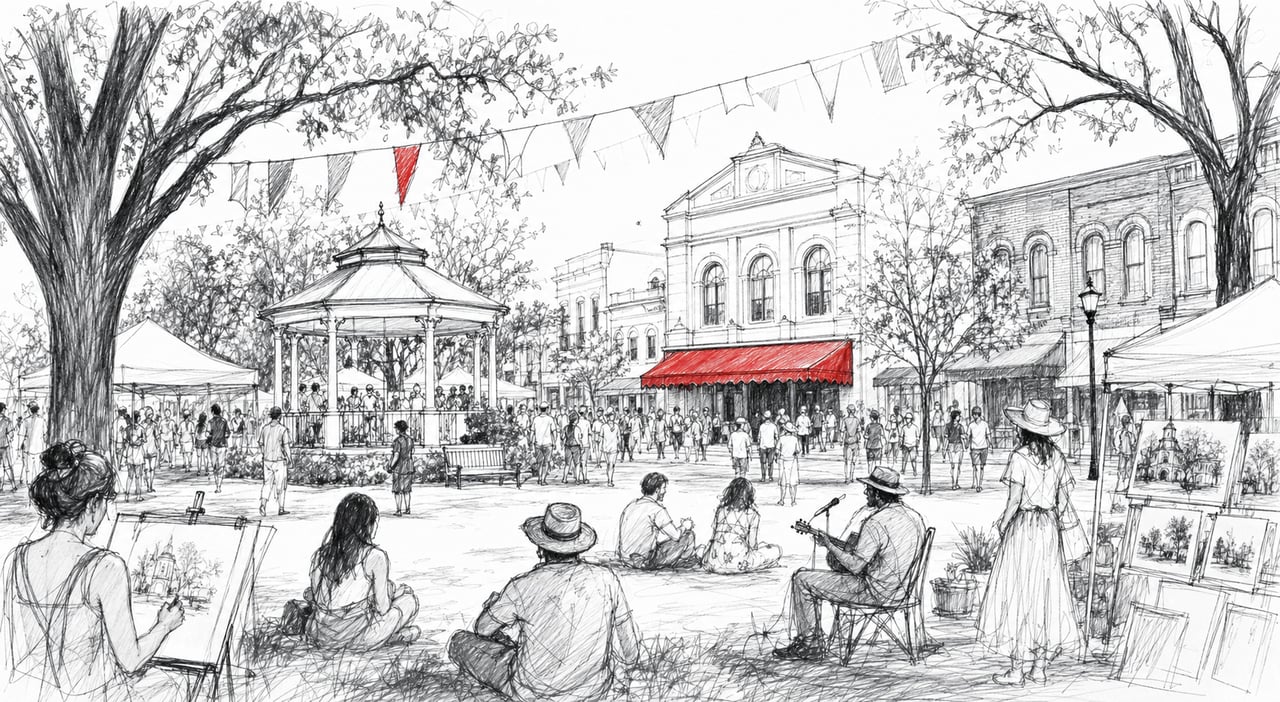
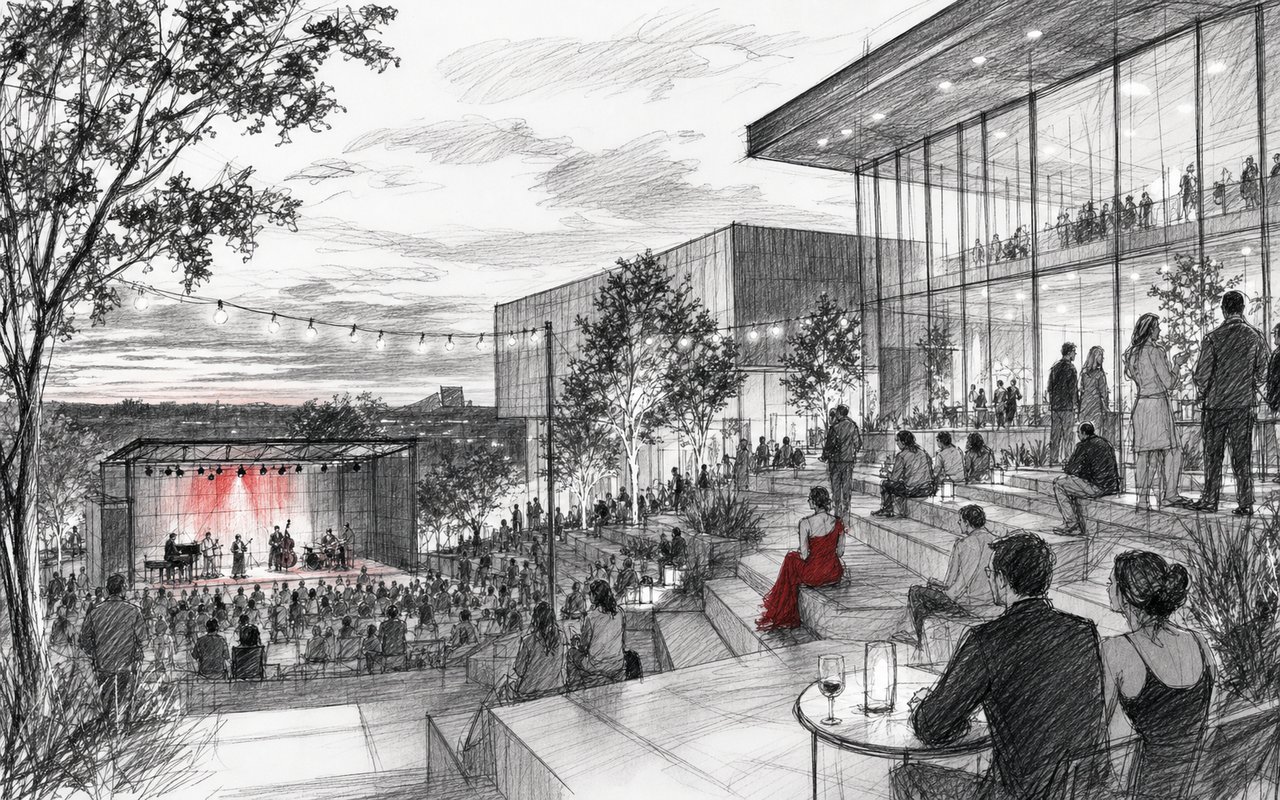
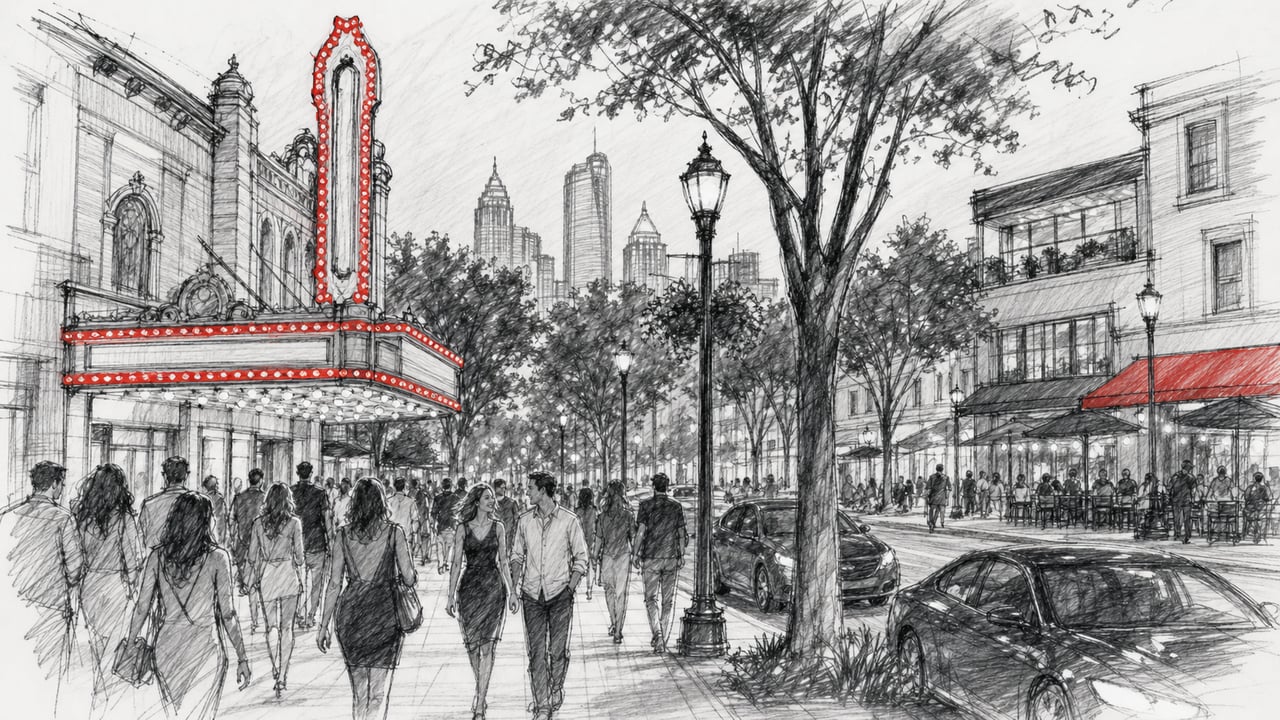
Uptown Atlanta has continued welcoming a wave of new retailers into 2026, with local coverage describing the district as helping create a new center of gravity connecting Buckhead and Midtown. The redesigned atrium and public spaces are central to that pitch, giving residents of surrounding neighborhoods a reason to walk over rather than drive past. Each new lease adds to the sense that the district is becoming a place people choose to spend time, and that perception shift is often what precedes measurable changes in nearby home demand.
Why the Corridor Matters for Buckhead and Midtown Buyers
Location is the quiet advantage here. Uptown Atlanta sits between two established luxury submarkets, with rail access that links directly to both. A reactivated transit hub with amenities tends to raise the day-to-day livability of the blocks around it, which is the mechanism that supports gradual, amenity-driven value gains over time. For buyers who prioritize walkability and transit access, a maturing Uptown Atlanta expands the set of neighborhoods that can deliver that lifestyle at a range of price points.
Positioned between two established luxury submarkets
Homeowners in Lindbergh, Morningside, and lower Buckhead already benefit from proximity to both districts. As Uptown Atlanta fills in, the corridor becomes less of a gap and more of a connective spine. For buyers comparing neighborhoods, that connectivity is worth weighing carefully, and our guide comparing Buckhead vs. Midtown is a useful companion read. The corridor's appeal grows as the district adds the kind of everyday amenities that make a location feel complete rather than transitional.
What History Suggests About the Value Timeline
Reactivation projects rarely produce an overnight price jump. They tend to support gradual gains as leasing, foot traffic, and amenities compound. The realistic framing for nearby owners is a multi-year horizon rather than an immediate catalyst, and that framing is an analysis of comparable patterns, not a prediction or a guarantee. Owners who understand the pacing can make calmer, better-informed decisions about when to sell, refinance, or simply hold.
Comparable transit hub reactivations elsewhere in Atlanta
Across Atlanta, transit-adjacent districts that added retail and public space before filling their office towers generally saw walkability improve first, followed by slower shifts in nearby resale demand. Applied to Lindbergh, that pattern suggests the district's biggest effect on home values will arrive as the office side catches up to the retail momentum already underway. Our overview of living in Buckhead in 2026 puts this corridor in the context of the wider luxury market. It is also worth noting a separate public effort: MARTA issued an active RFP in September 2025, due November 10, 2025, seeking a developer to build new mixed-use residential and commercial development across three non-contiguous parcels at Lindbergh Center. That is distinct from the Rubenstein-owned Uptown Atlanta property, but it points to additional long-range change for the corridor. For deeper context on how transit and trail infrastructure shape values here, see our look at PATH400 in 2026. Readers who want the primary source on the district can review coverage from the Atlanta commercial real estate press.
How to Approach a Decision Near the Corridor
For owners and buyers alike, the practical question is timing. A district that is filling retail before office space tends to reward patience, because the amenity base and daytime population build steadily rather than all at once. If you already own along the corridor, the current momentum is a reason to track comparable sales closely and to understand how your specific block sits relative to the redesigned public spaces and the rail station. If you are buying, it helps to separate the parts of the story that are already real, such as the signed MARTA lease and the wave of new retail, from the parts that are still developing, such as full office occupancy and the separate MARTA housing RFP.
What to watch over the next several quarters
Three signals will tell you how quickly the corridor is maturing. First, watch office leasing announcements, since a move from 86 percent vacancy toward stabilization is the clearest sign the district is filling in. Second, track the pace of new retail openings, because street-level activity is what nearby residents feel first. Third, follow the separate MARTA RFP process for the agency-owned parcels, since a selected developer and a concrete concept would add another multi-year driver to the corridor. Watching these together gives a grounded, evidence-based read on the district rather than a headline-driven one.
FAQ
Is Lindbergh City Center still called that? The 47-acre Rubenstein-owned portion has been rebranded Uptown Atlanta as part of an ongoing multi-year redevelopment that began after the 2019 acquisition.
What major tenant recently committed to Uptown Atlanta? MARTA signed a lease in early 2026 to relocate about 500 employees to the district, the largest anchor commitment reported since the rebrand.
Is MARTA also building new housing at Lindbergh separately? Yes. MARTA issued its own RFP for a developer to build mixed-use residential and commercial space on separate MARTA-owned parcels at Lindbergh Center, distinct from Uptown Atlanta.
How much office space in Uptown Atlanta is currently leased? As of early 2026, roughly 86 percent of office space remained vacant, while about 75 percent of the 120,000 square feet of retail space was leased.
Conclusion
The reactivation of a long-underused transit hub is the kind of change that shows up in comparable sales slowly, then all at once. If you own near the Lindbergh corridor and want to understand where your home stands today, request a complimentary market analysis and we will show you how the district's momentum is already appearing in nearby comparable sales.