The Buckhead condo new construction market has moved from quiet to busy over the past two years, and buyers who already own in the district are right to ask what a wave of new towers does to the value of what they hold today. Several new condominium projects are in various stages of planning, sales, and construction across Buckhead, and understanding the pipeline helps owners and buyers read the market with a clearer head rather than reacting to a single headline. This post walks through what is being built, why it is happening now, and what added supply tends to mean for nearby resale values over time.
What Is Actually in the Buckhead Condo Pipeline
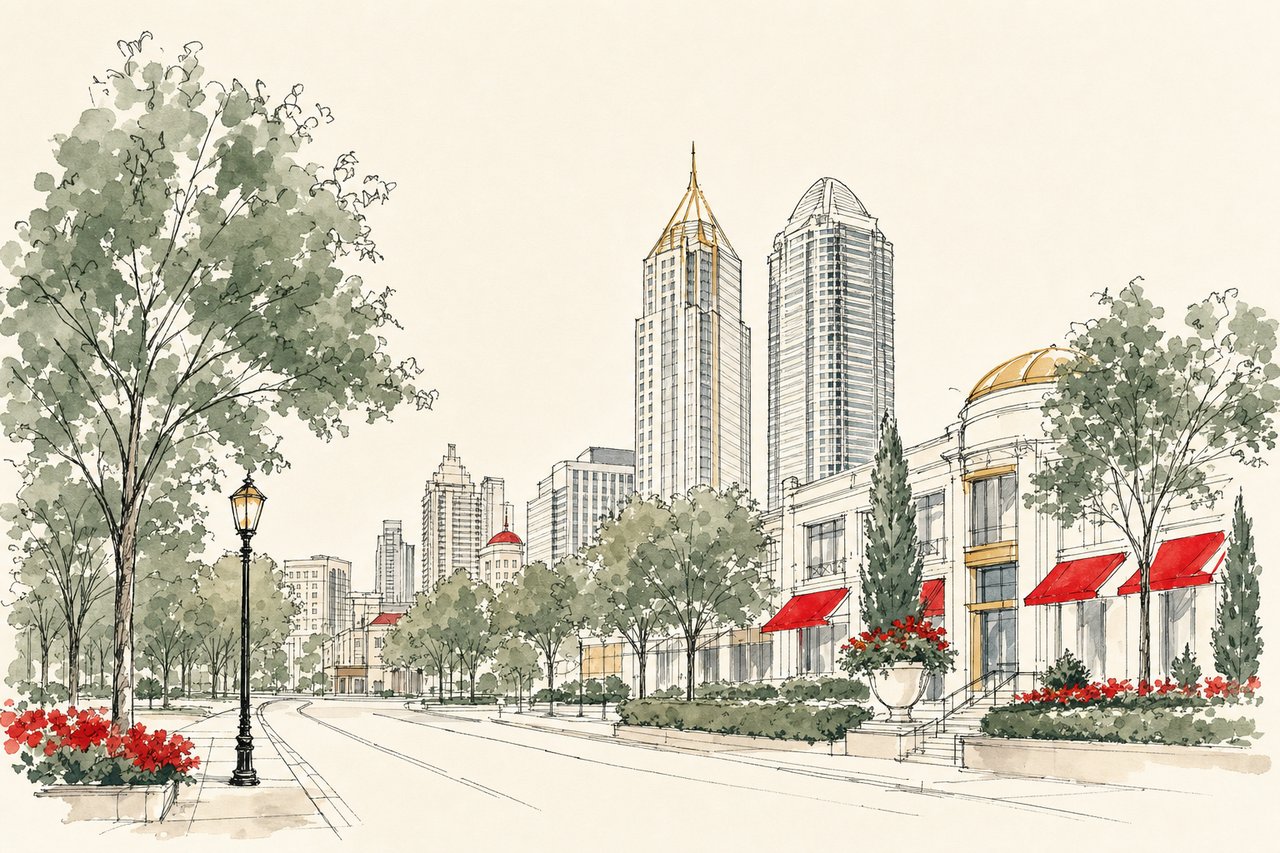
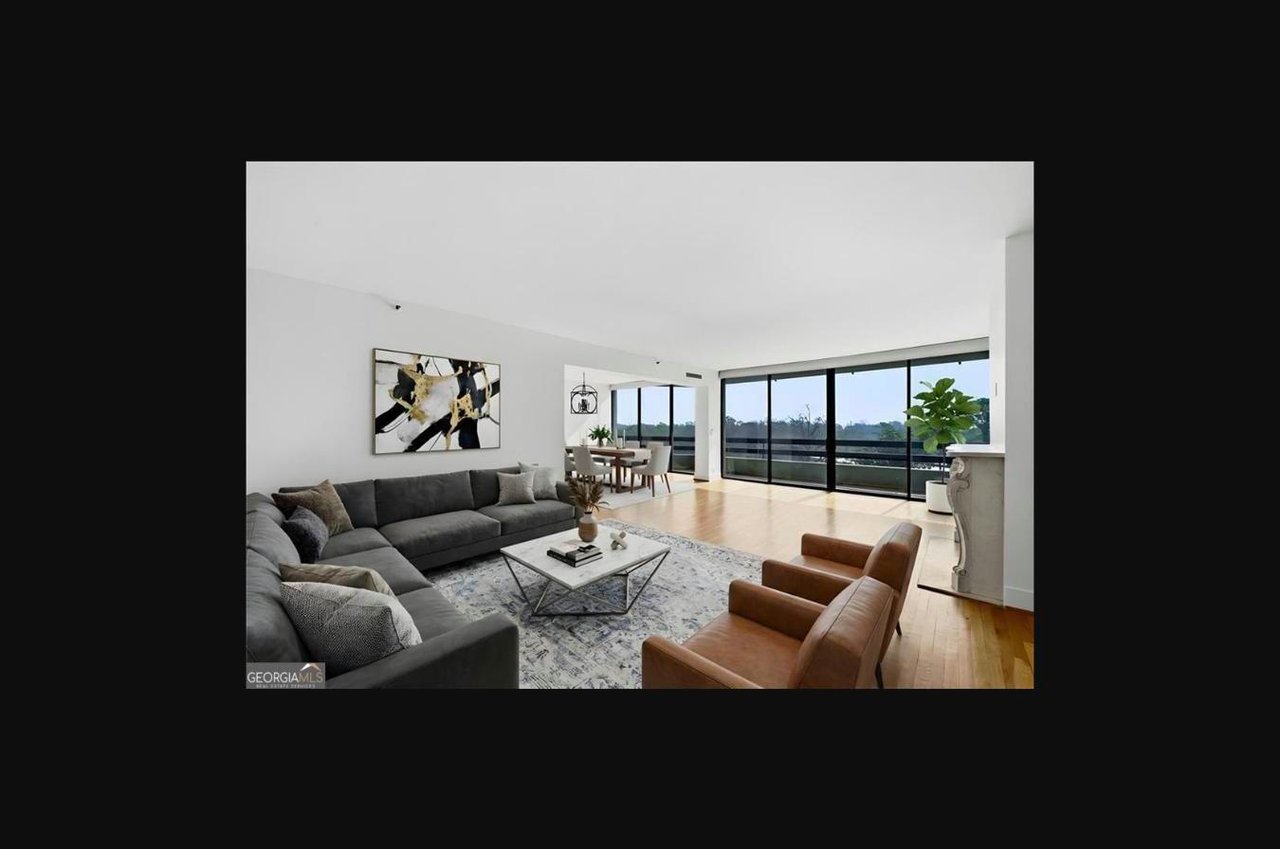
Buckhead has long been the center of luxury vertical living in Atlanta, and the current cycle continues that pattern with a mix of boutique mid-rise buildings and larger signature towers. As of early 2026, active and announced projects range from smaller buildings with a few dozen residences to marquee towers carrying well over one hundred units each. The common thread is a focus on the upper end of the market, with finishes, amenities, and price points aimed at move-up buyers, downsizing homeowners, and relocation buyers who want a lock-and-leave lifestyle near Phipps Plaza and Lenox Square.
The signature towers leading the cycle
The most visible projects are the large towers marketed as full-service luxury living, with concierge staff, wellness amenities, and private dining. These buildings typically pre-sell a meaningful share of units before topping out, which is one reason developers feel comfortable moving forward in a higher interest rate environment. Pre-sales act as a signal of genuine demand, and when a tower reports strong reservations early, it usually reflects buyers who are choosing new construction over the existing resale pool rather than expanding the overall buyer count.
The boutique buildings filling in around them
Alongside the towers, smaller boutique condominium buildings are adding a different kind of inventory. These projects tend to appeal to buyers who want new construction and low-maintenance living without the scale of a high-rise. They matter for the supply picture because they compete for a similar buyer, and they often deliver faster than the large towers, which means their impact on the market can arrive sooner.
Why the New Construction Is Happening Now
Several forces are pushing the current cycle. Buckhead continues to draw high earners and relocation buyers, land near the core commercial districts remains scarce, and the appetite for new, amenity-rich living has not slowed even as borrowing costs rose. Developers who control well-located parcels have an incentive to build to the highest and best use, and in Buckhead that generally means luxury vertical residences rather than lower-density product. In late 2025, several projects reported steady sales pace despite the rate environment, which reinforced the sense that demand at the top of the market remains resilient.
Scarcity of land and the pull toward density
Because prime Buckhead land is limited and expensive, the math of development favors taller buildings that spread land cost across more units. That structural reality is why the district keeps producing towers rather than sprawl, and it is a useful thing for owners to understand. New supply in Buckhead is not unlimited, and it is concentrated in a handful of well-located sites rather than spread thinly across the whole area.
What Added Supply Tends to Mean for Nearby Values
The instinct that more supply must push prices down is understandable, but the reality in a luxury submarket is more nuanced. New towers can pull the top of the market higher by resetting the ceiling on price per square foot, and that higher ceiling can lift comparable sales for well-maintained existing units nearby. At the same time, a surge of new inventory delivering in a short window can create short-term competition, especially for older units that have not been updated. The net effect depends on absorption, the pace at which buyers absorb the new units, and on how differentiated the existing stock is from the new product.
How the ceiling effect can help existing owners
When a new tower sets record pricing, appraisers and agents gain fresh, high comparable sales to reference. For an owner in a nearby building with strong bones and quality finishes, that can support a higher asking price than would have been defensible before the new project arrived. This is the mechanism behind the observation that a rising luxury tier often lifts the buildings around it rather than dragging them down.
Where short-term competition shows up
The pressure lands most heavily on dated units that compete directly with shiny new inventory on price rather than on character or location. An owner of an older unit selling into a window when several new buildings are delivering may need to price sharper or invest in updates to stand out. This is a market analysis of typical patterns, not a guarantee about any single property, and owners should confirm specifics with the appropriate licensed professional before acting.
How absorption pace shapes the outcome
Absorption is the quiet variable that determines whether new supply feels like pressure or momentum. When buyers absorb new units steadily, the market digests the added inventory without a visible dip in nearby values, and the new pricing simply becomes the reference point for the tier. When several buildings deliver at once into a slower stretch of demand, absorption lengthens, and that is when sellers of comparable units may feel more competition on days on market and on price. Owners tracking their timing should watch delivery schedules for the towers closest to them rather than the district as a whole, because the local cluster of new units matters far more than the citywide count. This is a general market observation rather than advice about any single sale.
What history suggests about the current cycle
Prior Buckhead luxury cycles offer a useful, if imperfect, guide. In earlier waves of tower construction, the highest quality addresses held their pricing power well after delivery, while dated stock that did not modernize saw longer marketing times. The pattern points to condition and location as the durable drivers of value, with new supply acting as a temporary headwind for the weakest inventory and a tailwind for the strongest. None of this is a promise about future results, and every building carries its own financials, reserves, and reputation that a buyer should review with the appropriate licensed professional.
How Buyers Should Read the Pipeline
For buyers, the pipeline is useful information rather than a reason to wait indefinitely. New construction offers warranties, modern layouts, and current amenities, but it also carries premium pricing and delivery timelines that can slip. Resale units offer immediacy, established buildings, and often more negotiating room. The right choice depends on timing, budget, and how much a buyer values being first in a brand-new building versus moving into a proven address.
Weighing new construction against resale
A practical way to weigh the options is to compare total cost of ownership rather than sticker price alone. New towers often carry higher association dues to support extensive amenities, while established buildings may have lower dues but older systems. Neither is automatically better, and the comparison should reflect how a buyer actually plans to live in the home. Buyers should confirm dues, reserves, and building financials with the appropriate licensed professional before committing.
How This Connects to the Broader Buckhead Story
The condo pipeline does not exist in isolation. It sits alongside district-shaping efforts that influence how desirable Buckhead feels day to day. Readers weighing a Buckhead purchase may also want our take on the Buckhead vs. Midtown comparison for a sense of how the two luxury cores differ, and our overview of the PATH400 in 2026 greenway for how connectivity is evolving nearby. For the wider redevelopment picture, our post on the Uptown Atlanta redevelopment adds context on the Lindbergh side of the district. Buyers who want to track new projects directly can review filings through the City of Atlanta planning resources.
FAQ
How many new condo towers are being built in Buckhead? Several projects are in planning, sales, or construction as of early 2026, ranging from boutique mid-rise buildings to signature towers carrying well over one hundred units each.
Will new condo supply lower my existing Buckhead condo value? Not necessarily. In a luxury submarket, new towers can raise the price ceiling and lift comparable sales for well-maintained nearby units, though dated units can face short-term competition.
Is now a good time to buy a new construction condo in Buckhead? It depends on timing, budget, and priorities. New construction offers warranties and modern layouts at premium pricing, while resale offers immediacy and often more negotiating room.
Do new luxury towers carry higher association dues? Often yes, because extensive amenities and concierge services cost more to maintain. Buyers should compare total cost of ownership and confirm building financials before committing.
Conclusion
Buckhead's growing condo pipeline is a sign of confidence in the district rather than a reason for existing owners to worry. New supply reshapes the market at the margins, lifting the top tier while pressuring dated units in the short term, and the net effect for any given home depends on its condition, location, and timing. If you want a clear read on how a specific building or unit fits into this cycle, reach out and we will walk through the current numbers with you.