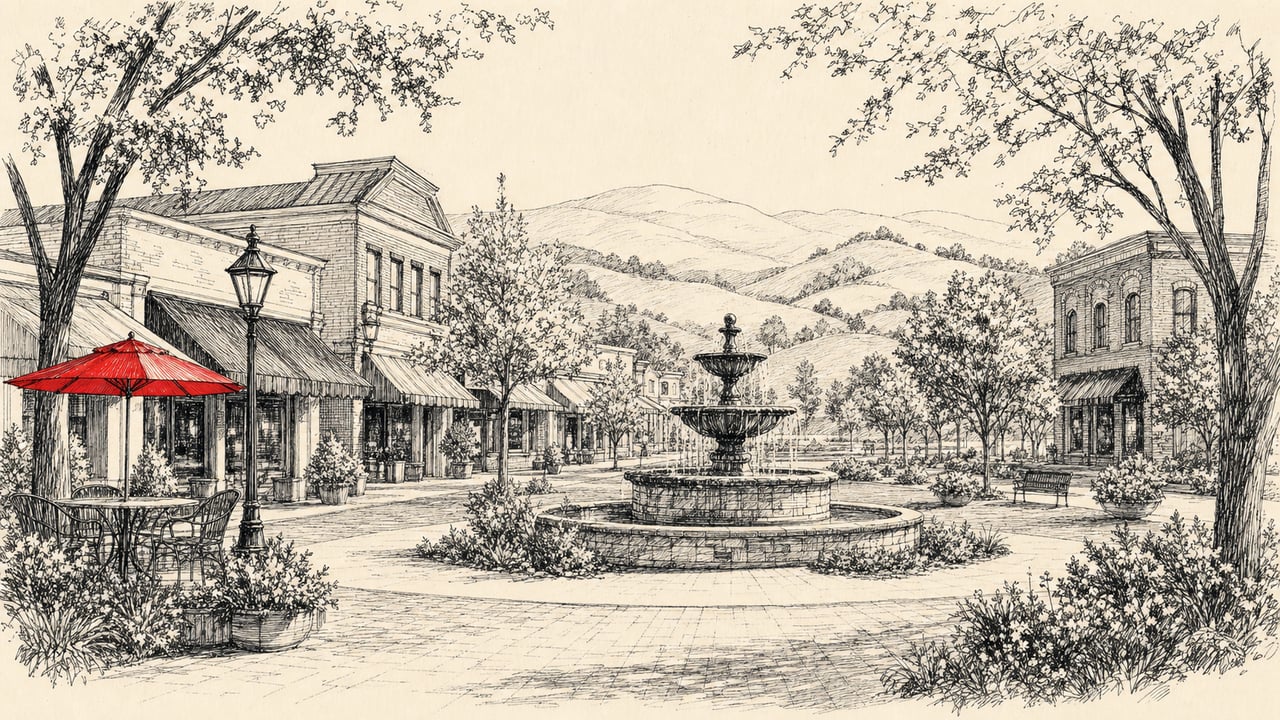
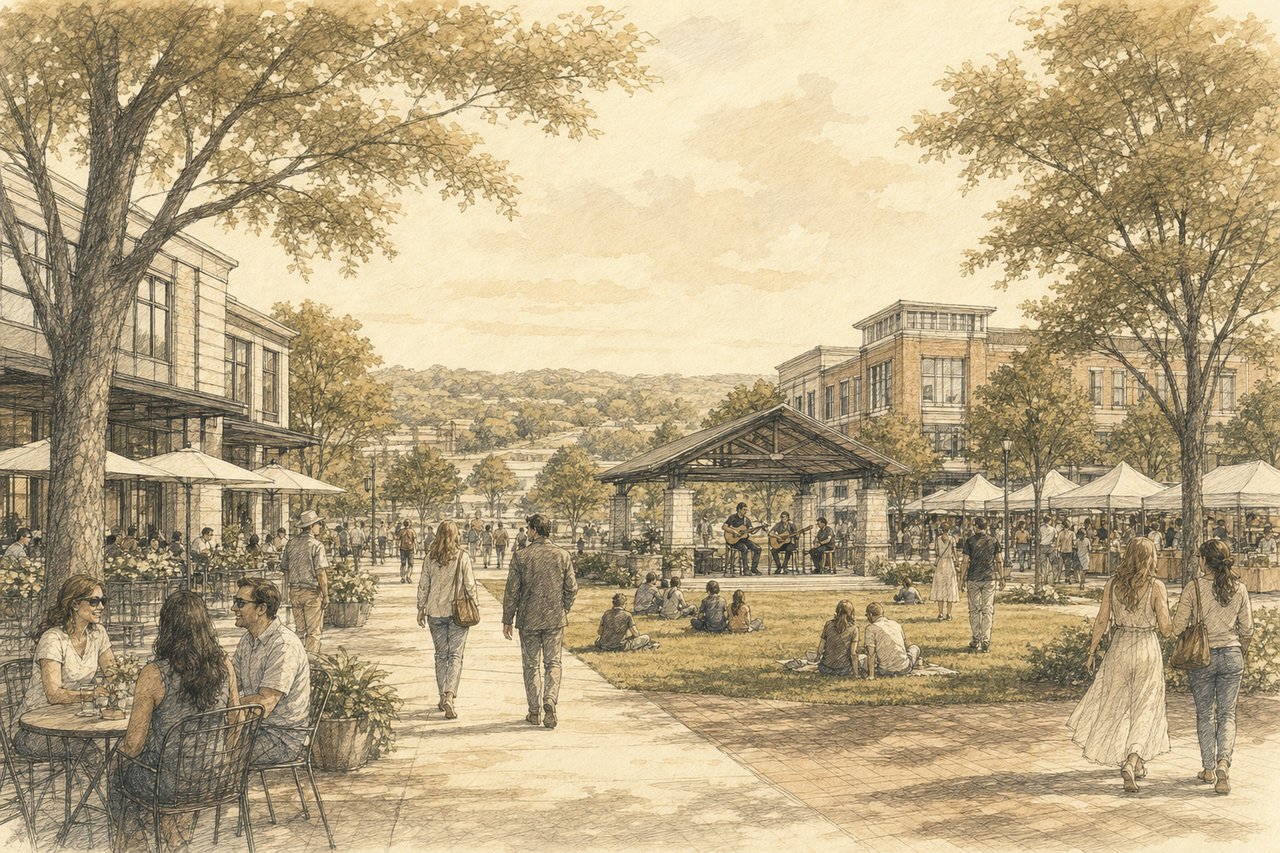
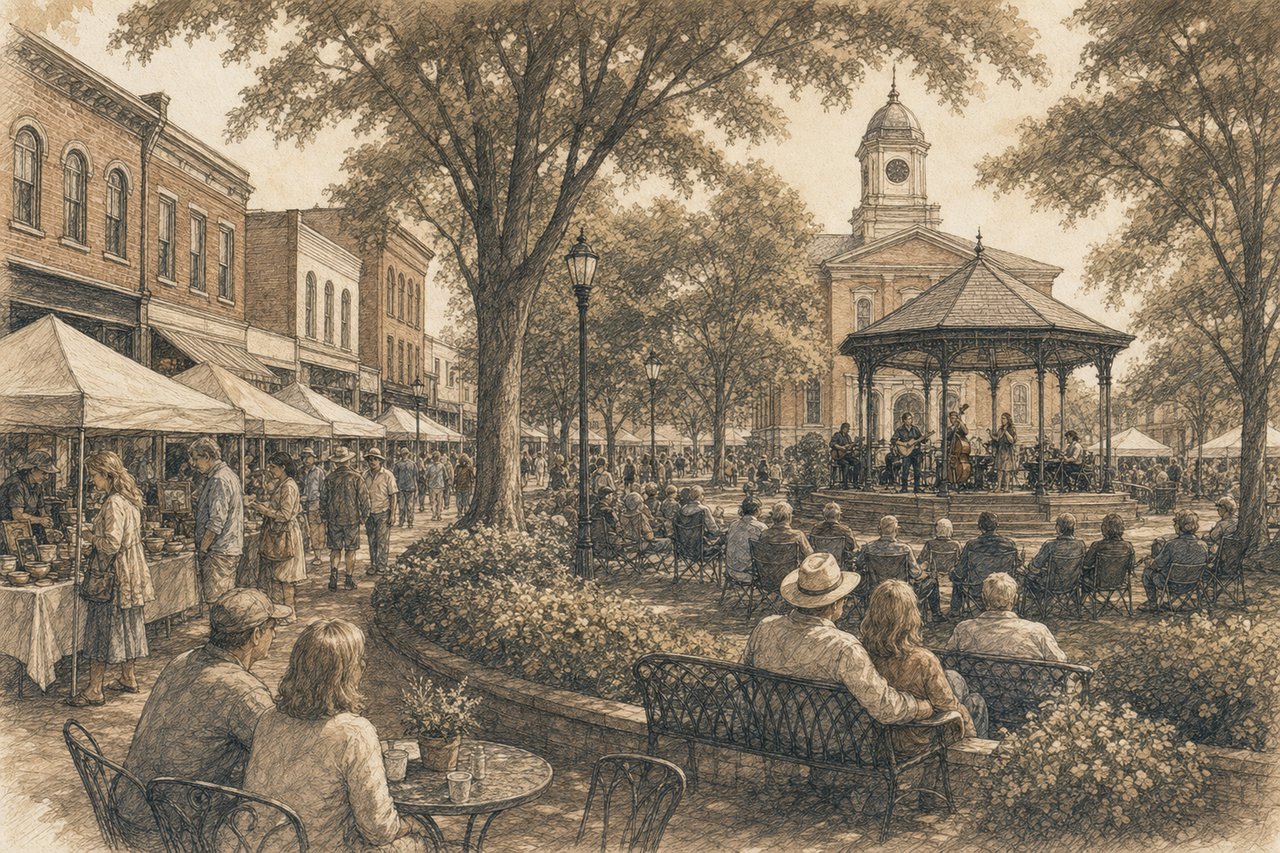
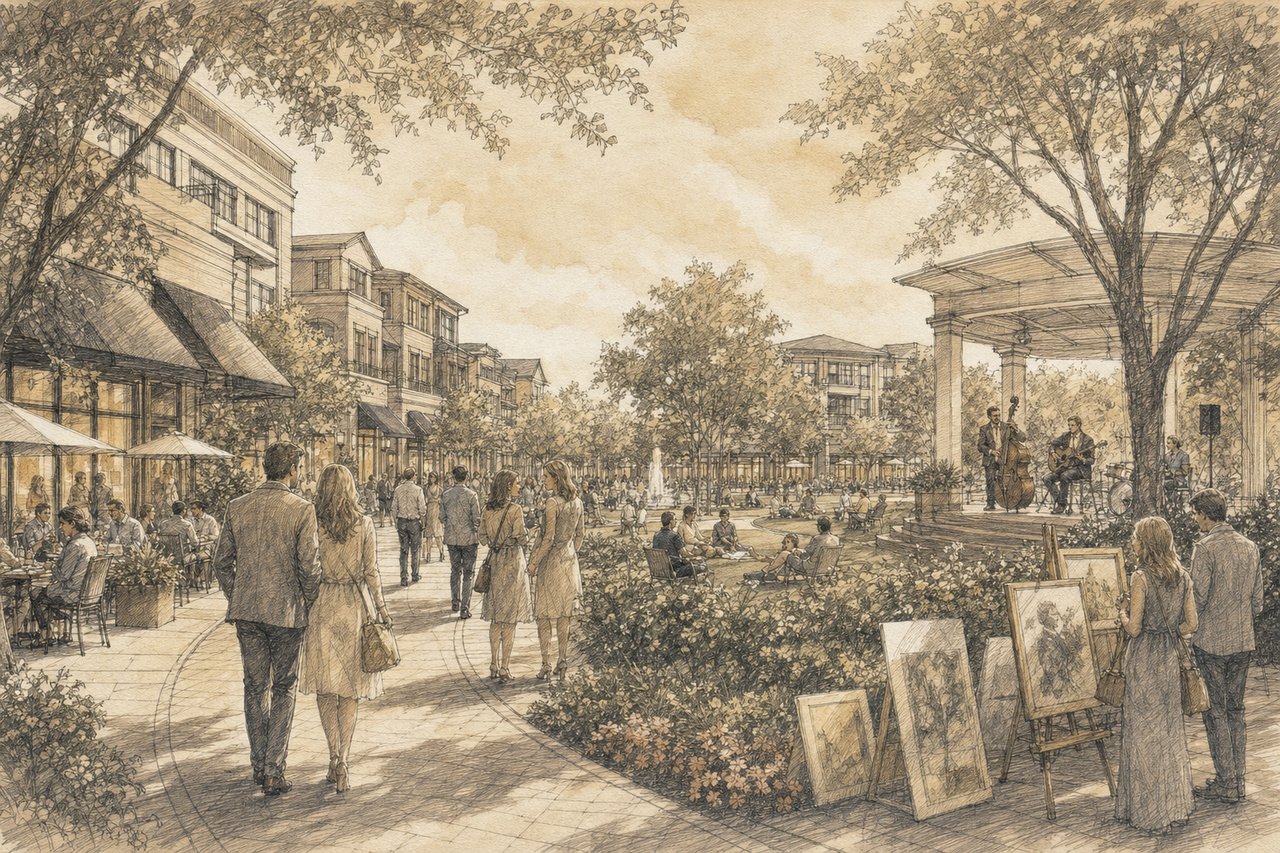
Southside Trail home prices have become the most closely watched number for buyers eyeing Atlanta's newest Beltline segment. The trail connects Adair Park, Peoplestown, and the West End area, and unlike the more mature Eastside Trail, this corridor is still in the early stages of price discovery. That timing is exactly why the numbers deserve a careful look before you assume you already understand the opportunity.
What Makes the Southside Trail Different From the Eastside Trail
The Eastside Trail transformed Inman Park, Old Fourth Ward, and Poncey-Highland over more than a decade, and home values in those areas absorbed most of that appreciation years ago. The Southside Trail runs through neighborhoods with a different starting point: lower existing price bases, more available land, and a housing stock that mixes historic bungalows with newer infill construction. That combination means the price movement here is likely to look different in both pace and pattern than what happened on the Eastside.
Buyers who try to directly map Eastside Trail appreciation curves onto the Southside are working from an imperfect comparison. Different zoning, different lot sizes, and a different mix of renters versus owners all shape how quickly a corridor's home values respond to new trail access.
Current Pricing Along the Corridor
Home prices closest to the Southside Trail alignment currently vary block by block more than they do along the established Eastside. Adair Park and Peoplestown have both seen renovated bungalows and new construction townhomes trade at a premium relative to homes several blocks off the corridor, while the West End retains a wider range of price points and a larger share of homes still awaiting renovation.
This dispersion is itself useful information. It tells you the market has not yet fully priced in trail proximity the way it eventually will, which is the window buyers are trying to identify. It also means due diligence on comparable sales needs to be hyper-local, since a comp two streets away may not reflect true trail-adjacency pricing.
What Buyers Should Actually Diligence
Before treating trail proximity as a guaranteed value driver, confirm construction timelines for the specific segment nearest your target property. Beltline segments have a long history of schedule slippage, and a segment that is under construction can mean anywhere from a year to several years before it opens to the public. Ask your agent for the most current phase status rather than relying on marketing materials, which tend to describe the long-term vision rather than the current state of dirt.
Walk or drive the actual alignment near the property you're considering. Trail proximity on a map does not always mean trail proximity on foot, particularly where rail lines, industrial parcels, or major roads create real barriers between a home and trail access.
The Renovation and Infill Opportunity
Much of the housing stock in Adair Park, Peoplestown, and the West End predates the Beltline conversation entirely, which means there is meaningful renovation and infill opportunity for buyers willing to do the work. Bungalows that need systems updates, along with vacant or underbuilt lots suited to new construction, represent a different kind of opportunity than simply buying a finished home near a trail.
That said, any renovation or new construction near these neighborhoods should be evaluated against applicable historic district rules and zoning, which vary parcel by parcel. Some blocks carry historic designation, others do not, and confirming that status before finalizing a purchase or a renovation budget avoids a costly surprise later.
How to Think About Timing
Buyers often want a single answer to is now the right time, but the more useful framing is to separate the trail's construction timeline from your own personal timeline. If a segment is genuinely several years from completion, you are buying ahead of an amenity rather than buying into one, and your holding period should be long enough to actually experience the value the trail may eventually add. If you need to sell or refinance in the near term, the trail's unfinished status is a real limitation, not just a technicality.
It's also worth remembering that Beltline proximity is one input among several. School zones, commute patterns, crime trends, and each neighborhood's own redevelopment pipeline all interact with trail access to determine how a specific block performs.
Comparing the Southside Trail to Other Atlanta Corridors
It helps to place the Southside Trail in context against other Atlanta submarkets that have gone through a similar transition. West Midtown and Grant Park both saw meaningful price appreciation once specific catalysts, whether a new development, a park investment, or trail access, became visible rather than theoretical. In each case, the earliest movers captured more of the upside than buyers who waited for full completion, but they also carried more construction-timeline risk during the interim years.
The Southside corridor's neighborhoods are not identical to those precedents. Adair Park and Peoplestown have smaller lot sizes and a denser existing street grid than West Midtown did before its transformation, while the West End has a larger commercial core that could absorb retail and hospitality growth differently than a primarily residential corridor. These differences matter because they affect how much of any future value increase flows to single-family homes versus multifamily or commercial property.
Financing Considerations for Southside Trail Purchases
Lenders underwrite based on recent comparable sales, and in a corridor where pricing is still dispersed block by block, appraisals can come in lower than a seller's asking price if the appraiser leans on comps that are not truly trail-adjacent. Buyers should discuss this risk with their lender early and be prepared to bring additional documentation, such as a list of genuinely comparable recent sales, if an appraisal gap emerges.
Renovation buyers should also ask their lender about renovation loan products, since many of the older bungalows in this corridor will need systems work that a standard purchase mortgage does not finance. A combined purchase-and-renovation loan can simplify the financing timeline compared with a separate purchase loan followed by a second financing round for construction.
Working With a Local Agent on Corridor Timing
Because Beltline construction status changes over time and is not always reflected accurately in national real estate platforms, working with an agent who tracks this specific corridor closely is more valuable here than in a more established neighborhood. Ask any agent you're considering how recently they've walked the specific trail segment near your target property, and ask them to show you actual recent closed sales rather than active listings, since asking prices in an unsettled market can diverge meaningfully from what properties actually sell for.
A good local agent should also be able to speak to the pace of infill construction on nearby vacant lots, since a wave of new construction can shift neighborhood character and pricing faster than in more built-out areas.
Frequently Asked Questions
Is the Southside Trail open yet? Status varies by segment, and timelines have shifted before. Confirm the current phase and expected completion window for the specific section nearest any property you're considering rather than relying on general Beltline marketing.
Which neighborhoods does the Southside Trail run through? The corridor runs through Adair Park, Peoplestown, and the West End area, connecting toward the existing Beltline network.
Will Southside Trail homes appreciate like Eastside Trail homes did? Not necessarily in the same way or on the same timeline. The neighborhoods have different housing stock, different starting price points, and different zoning, so past Eastside performance is not a reliable predictor.
Should I buy a fixer-upper near the trail now? That depends on your renovation budget, timeline, and risk tolerance. Confirm historic district status and zoning before committing to a renovation plan, since rules vary by parcel.
Conclusion
Southside Trail pricing rewards buyers who do granular, block-by-block diligence rather than assuming corridor-wide appreciation. Confirm construction timelines, walk the actual trail alignment, and separate the trail's schedule from your own investment horizon before you commit.
If you're evaluating a property near the Southside Trail and want a clear-eyed read on current pricing and construction status, contact The Agency Atlanta. We track this corridor closely and can help you separate genuine opportunity from marketing hype.