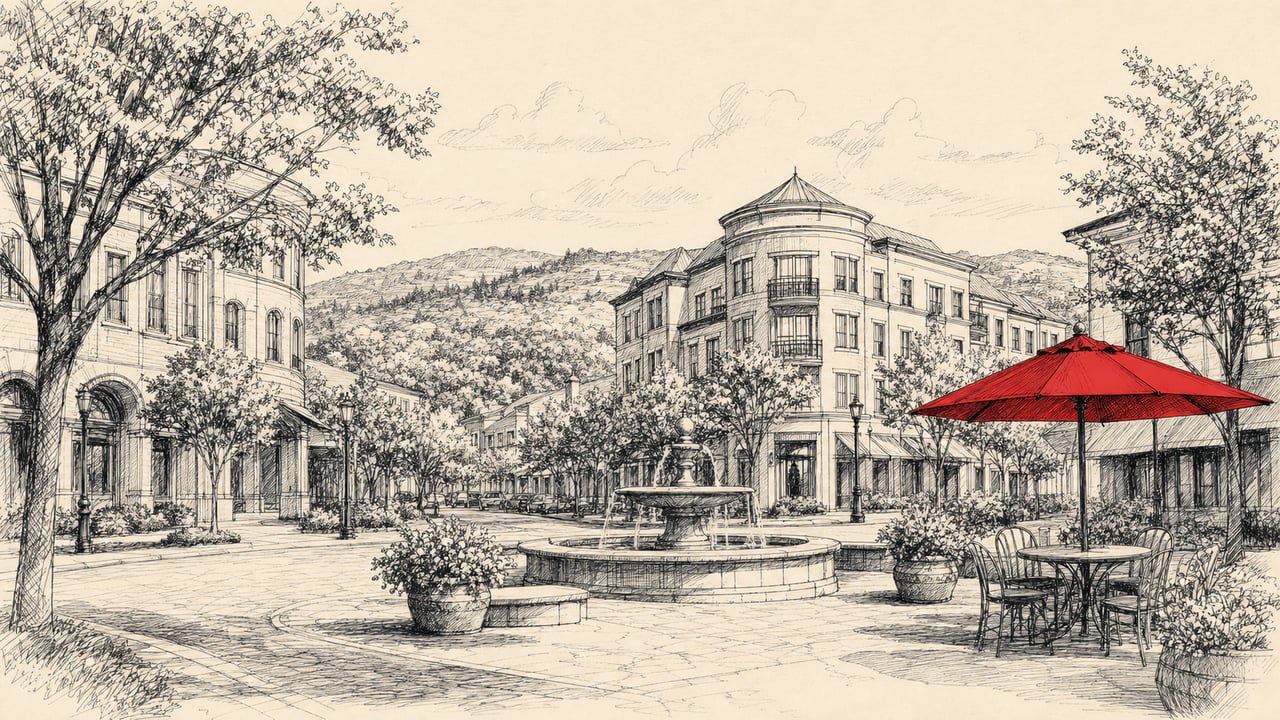
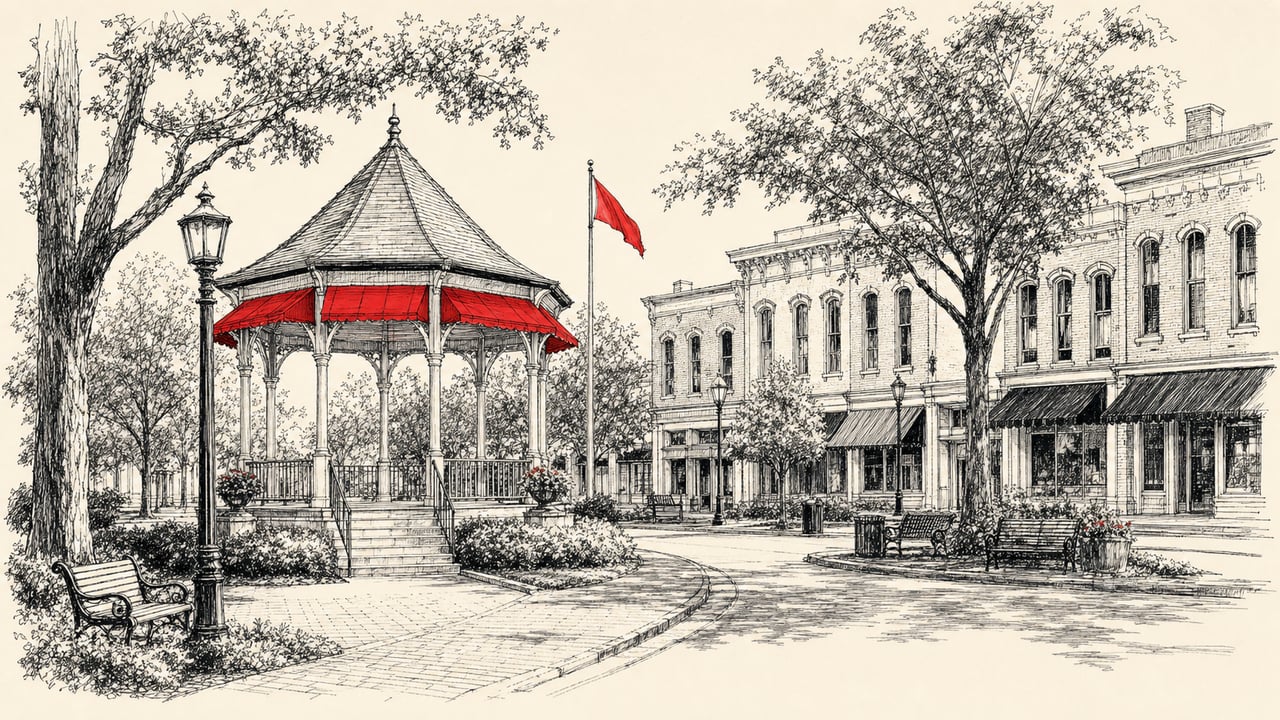
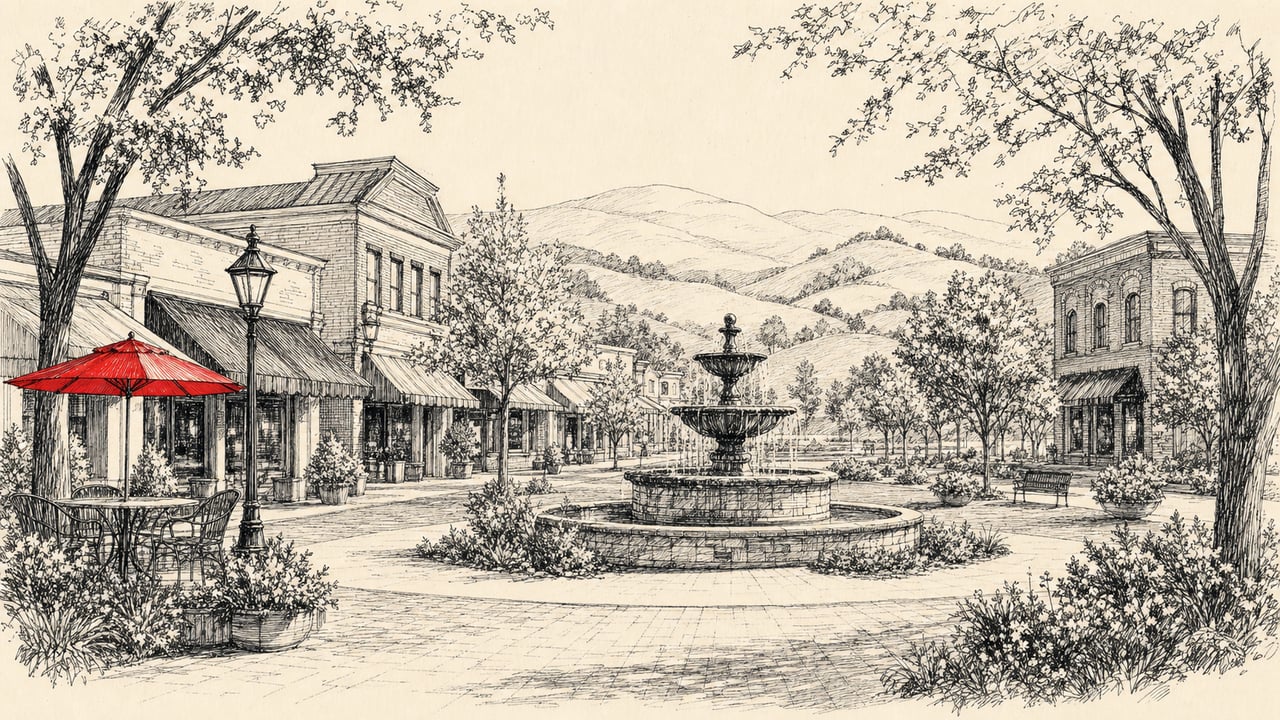
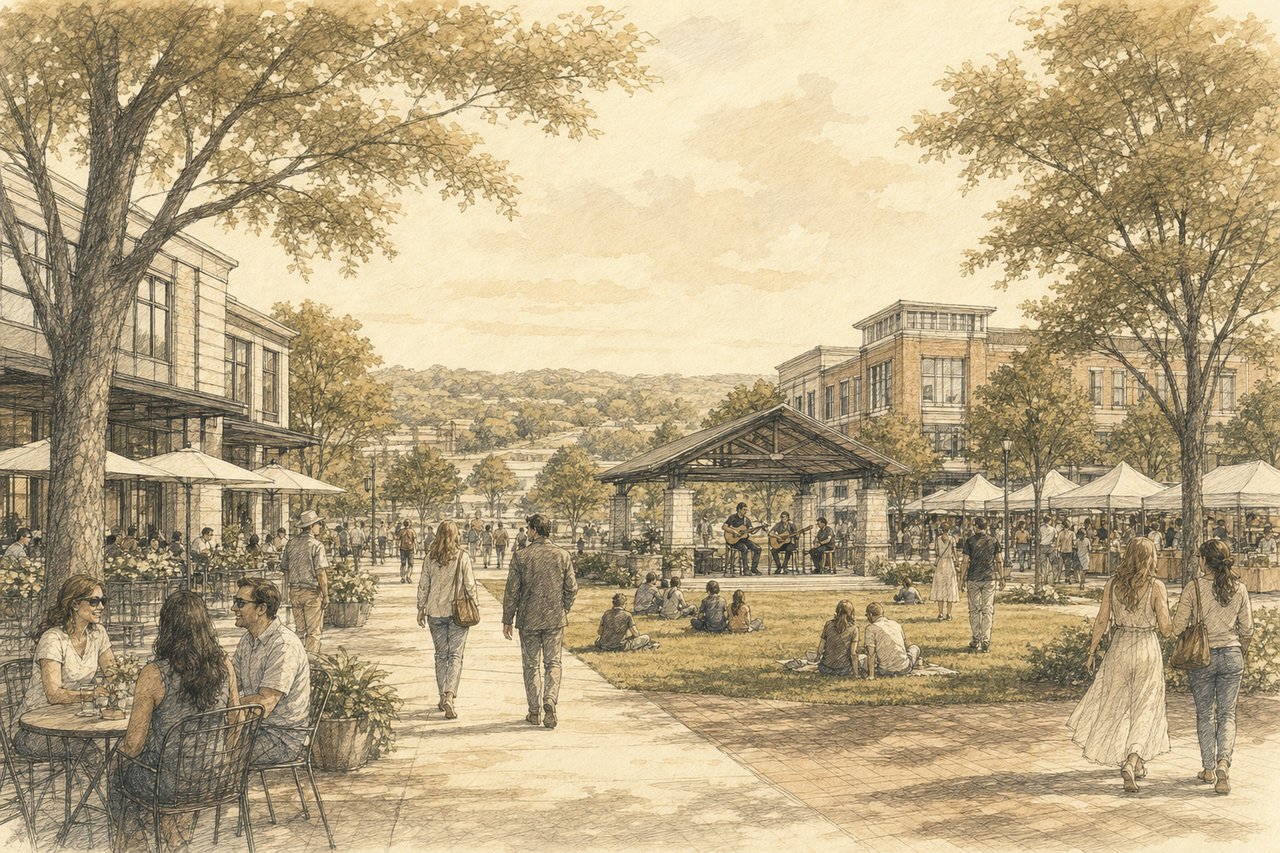
East Atlanta Village infill construction has become one of the most visible signs of how this famously eclectic neighborhood is changing. Long known for its dive bars, independent shops, and a housing stock of modest early-20th-century bungalows and cottages, East Atlanta Village is now seeing a steady wave of new construction, teardown-rebuilds, and larger additions that are reshaping streets one lot at a time. For both current owners and prospective buyers, understanding this pattern matters more than watching any single headline project.
What Infill Development Actually Looks Like Here
Unlike a large master-planned redevelopment, infill construction in East Atlanta Village tends to happen lot by lot: a teardown of an aging bungalow replaced by a larger new-construction home, a vacant or underbuilt parcel developed with new single-family or duplex product, or a substantial addition that significantly increases a home's footprint. This piecemeal pattern means the neighborhood's character changes gradually and unevenly rather than all at once, with some blocks seeing multiple new builds while others remain largely unchanged.
That unevenness is important for buyers to understand. A block that has already seen several teardown-rebuilds is likely closer to its new equilibrium price point, while a block with mostly original housing stock may still have more room to change, for better or worse depending on your perspective.
Why Builders Are Targeting East Atlanta Village
East Atlanta Village combines several traits that make it attractive to builders: proximity to both I-20 and the broader east Atlanta job corridor, a walkable commercial core with restaurants and bars that continues to draw renters and buyers, and a housing stock with genuinely small lot-by-lot footprints that make individual teardown-rebuild projects financially feasible at a manageable scale. Builders can execute a single-lot project here without needing the scale of capital that a larger master-planned development requires, which is part of why the pace of infill has been so steady.
The neighborhood's zoning also plays a role. Confirm the specific zoning classification for any parcel you're evaluating, since permitted density and by-right development rights vary by zoning category and directly affect what a builder can do with a given lot without requiring a variance or rezoning.
What This Means for Existing Homeowners
For current owners, infill construction on nearby lots is generally a net positive for property values over time, since new construction typically commands a premium price that can lift comparable sales for the surrounding blocks. The tradeoff is near-term construction disruption, including noise, traffic from construction vehicles, and temporary changes to on-street parking availability, particularly on narrower streets where a construction crew's equipment can meaningfully reduce available parking for weeks or months at a time.
Owners considering their own renovation or addition should pay attention to what recent infill projects on their block have been approved for, since that history offers a useful signal for what the city is likely to approve on a comparable lot. It's also worth talking to neighbors who have been through a recent permitting process, since their experience with timelines and inspector expectations can save real time on your own project.
What This Means for Buyers
How Infill Compares to Other Atlanta Neighborhoods
East Atlanta Village's infill pattern is similar in some ways to what has already played out in Grant Park and Kirkwood, both of which saw a comparable wave of teardown-rebuilds and additions over the past decade. In both cases, the neighborhoods eventually settled into a mixed housing stock of original bungalows alongside new construction, with pricing that reflected both options at different tiers rather than the neighborhood converging on a single housing type.
That precedent is useful context for East Atlanta Village buyers today. It suggests the neighborhood is unlikely to fully transition to all-new construction, and that original bungalows with genuine character will likely retain a distinct buyer base and price tier even as infill construction continues around them.
Assessing Construction Quality on New Infill Homes
Not all new construction in East Atlanta Village is built to the same standard, and buyers considering a newer infill home should have it inspected as carefully as they would any resale property. Ask for the builder's track record on other projects in the neighborhood, and if possible, talk to owners of homes the same builder completed a few years earlier to understand how the construction has held up. A newer home is not automatically a lower-risk purchase, particularly if it was built quickly to capture a fast-moving market.
Buyers should decide early whether they are looking for an original bungalow with character, priced accordingly, or a newer infill product with modern systems and finishes, priced at a corresponding premium. Trying to get both, an original-character home at an infill price point, or a fully updated new-construction home at a bungalow price point, is generally not realistic in a neighborhood this actively being redeveloped.
If you're buying an older home with the intent to renovate rather than replace it, get a clear sense of what nearby infill projects have sold for once complete, since that gives you a ceiling to underwrite your renovation budget against. If your total cost basis, purchase price plus renovation, exceeds what comparable new construction is achieving, the economics of renovating rather than buying new construction outright deserve a second look.
Navigating the Permitting Process
Whether you're building new, doing a teardown-rebuild, or adding onto an existing structure, confirm setback requirements, height limits, and any applicable overlay district rules specific to your parcel before finalizing architectural plans. Atlanta's zoning and permitting requirements can vary meaningfully block to block within a single neighborhood, and a design that works on one lot may need significant revision on another due to different setback or lot-coverage requirements.
Builders and architects who work regularly in East Atlanta Village will already know the neighborhood's common friction points with the permitting process, which is one reason local experience is worth paying for over a general contractor with less familiarity with this specific area.
Frequently Asked Questions
Is East Atlanta Village losing its original character to new construction? The neighborhood is changing gradually and unevenly, with some blocks seeing significant new construction and others remaining largely original. Whether that constitutes a loss of character is subjective, but the physical housing stock is genuinely shifting over time.
Will new construction near my home increase its value? Generally yes, since new construction tends to set higher comparable sale prices for a block. It also typically comes with near-term construction disruption.
Should I buy an original bungalow or new construction in East Atlanta Village? That depends on your budget, renovation appetite, and preference for original character versus modern systems and finishes. Compare your total cost basis for a renovation against comparable new-construction sale prices before deciding.
What should I check before starting my own addition or teardown project? Confirm your parcel's specific zoning classification, setback requirements, and any overlay district rules, and review recent comparable permits approved on your block for a realistic sense of what the city is likely to approve.
Conclusion
East Atlanta Village's infill construction wave is reshaping the neighborhood lot by lot rather than all at once, creating real opportunity and real disruption depending on which block and which stage of that process you're looking at. Both buyers and existing owners benefit from understanding block-level patterns rather than treating the neighborhood as a single uniform market.
If you're evaluating a purchase, a renovation, or a new build in East Atlanta Village, contact The Agency Atlanta. We track infill activity across this neighborhood closely and can help you make a well-informed decision.