When you compare intown Atlanta vs. the suburbs, the honest question most buyers are really asking is simple: what does my money actually buy in 2026? A fixed budget stretches very differently depending on where you look, and a 500,000 dollar target can mean a compact intown home, a roomier first-ring option, or a large outer-county house with a longer commute. This side-by-side breaks down square footage, lot size, and lifestyle tradeoffs across three price tiers so relocating buyers and locals weighing a move can decide with clear eyes.
How far does a 500,000 dollar budget go across Atlanta in 2026?
A 500,000 dollar budget behaves like three different budgets depending on tier. In the most in-demand intown areas it buys less space but maximum walkability and access. In first-ring suburbs it buys a middle ground of space and convenience. In outer counties it buys the most square footage and land, traded for longer commutes.
Why the same budget buys different homes
Price per square foot rises with proximity to core job centers and amenities. As you move outward, the cost per square foot generally falls, so the identical budget converts into more house and more lot the farther out you go. This pattern holds across most major metro areas, but the pace of the drop-off varies by corridor and by how strong local job growth has been.
Tier one: core intown areas like Buckhead and Midtown
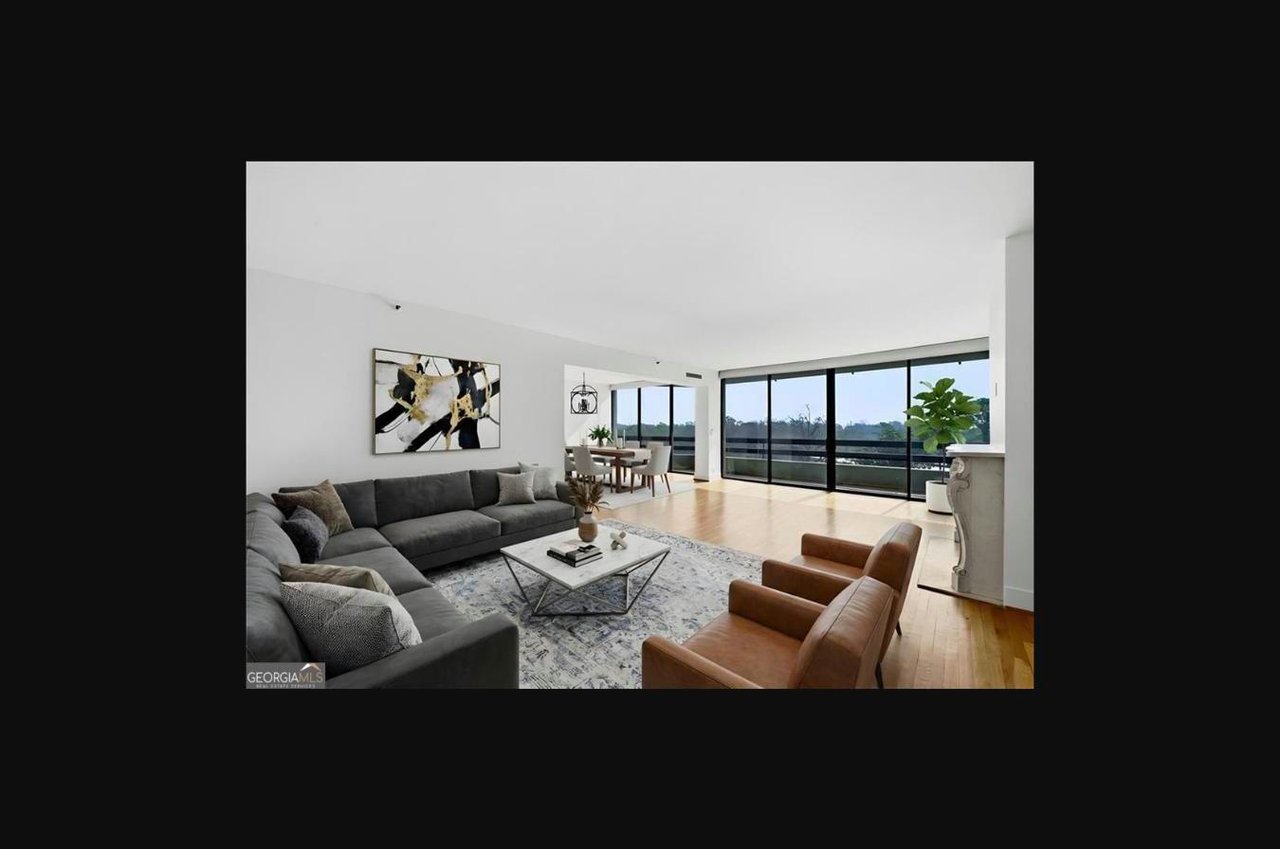
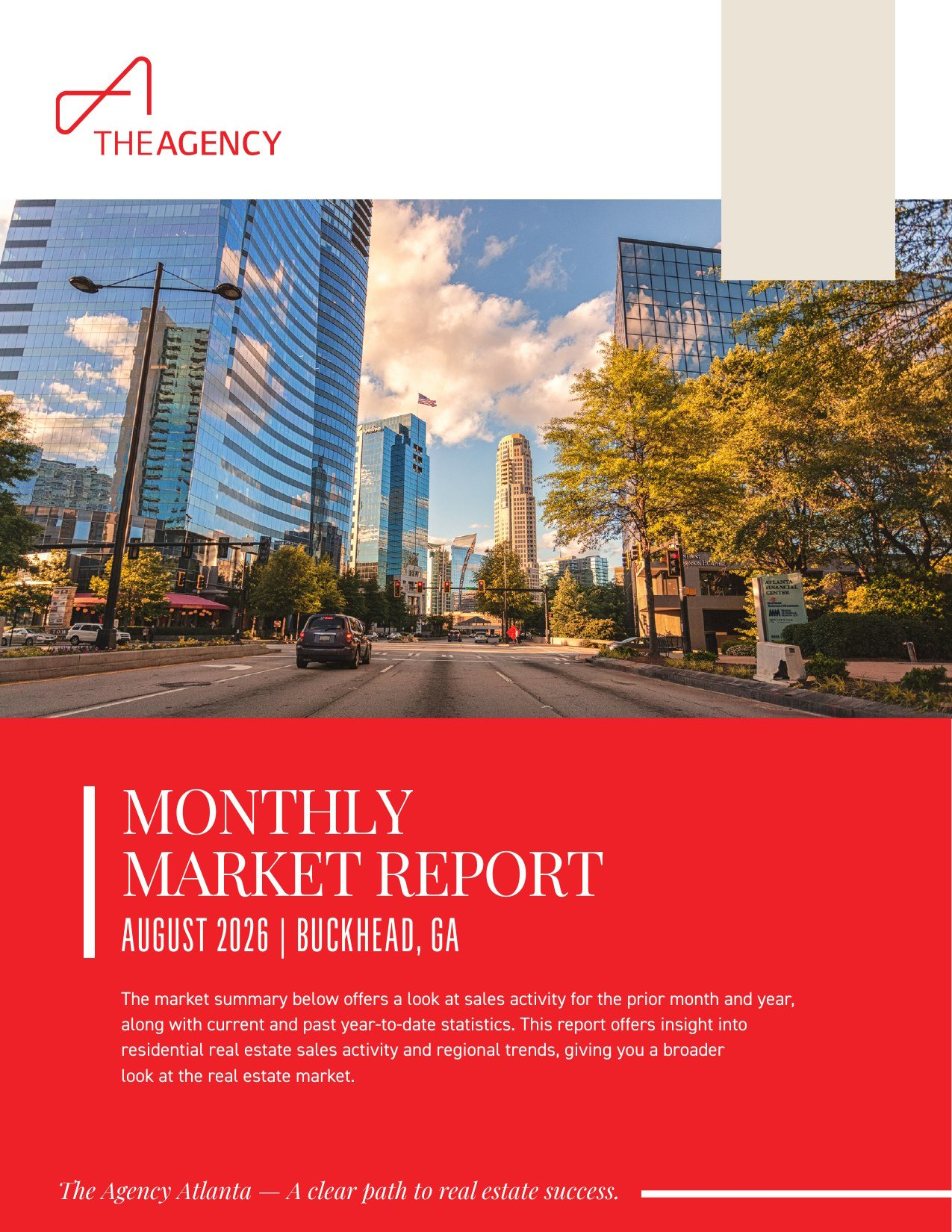
Housing costs in Buckhead and Midtown run well above the metro average (2026), so a 500,000 dollar budget typically buys a smaller footprint, often a condo or a modest single-family home on a compact lot. Buyers here are paying for location, walkability, and proximity to employment and entertainment rather than raw space.
What you gain and give up
You gain short commutes, dense amenities, and strong long-term demand. You give up square footage and yard size compared with outer tiers. Resale demand in these submarkets has historically stayed resilient even during broader market slowdowns, since limited land supply keeps competition steady.
Who tends to prioritize this tier
Buyers without children, those who work downtown or in Midtown, and buyers prioritizing walkability to restaurants and offices tend to gravitate toward this tier, even if it means accepting a smaller unit or a townhome instead of a large detached house.
Tier two: first-ring suburbs like Decatur and Sandy Springs
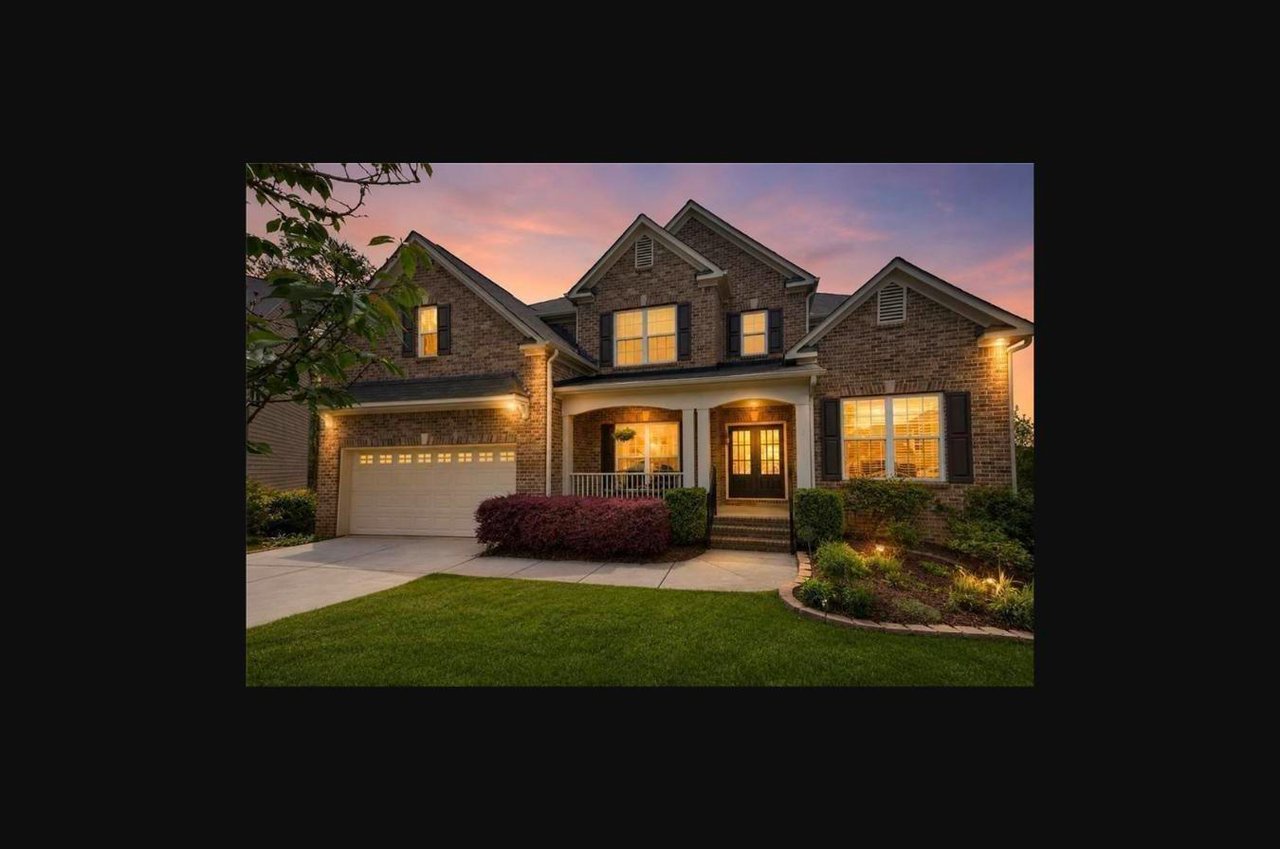
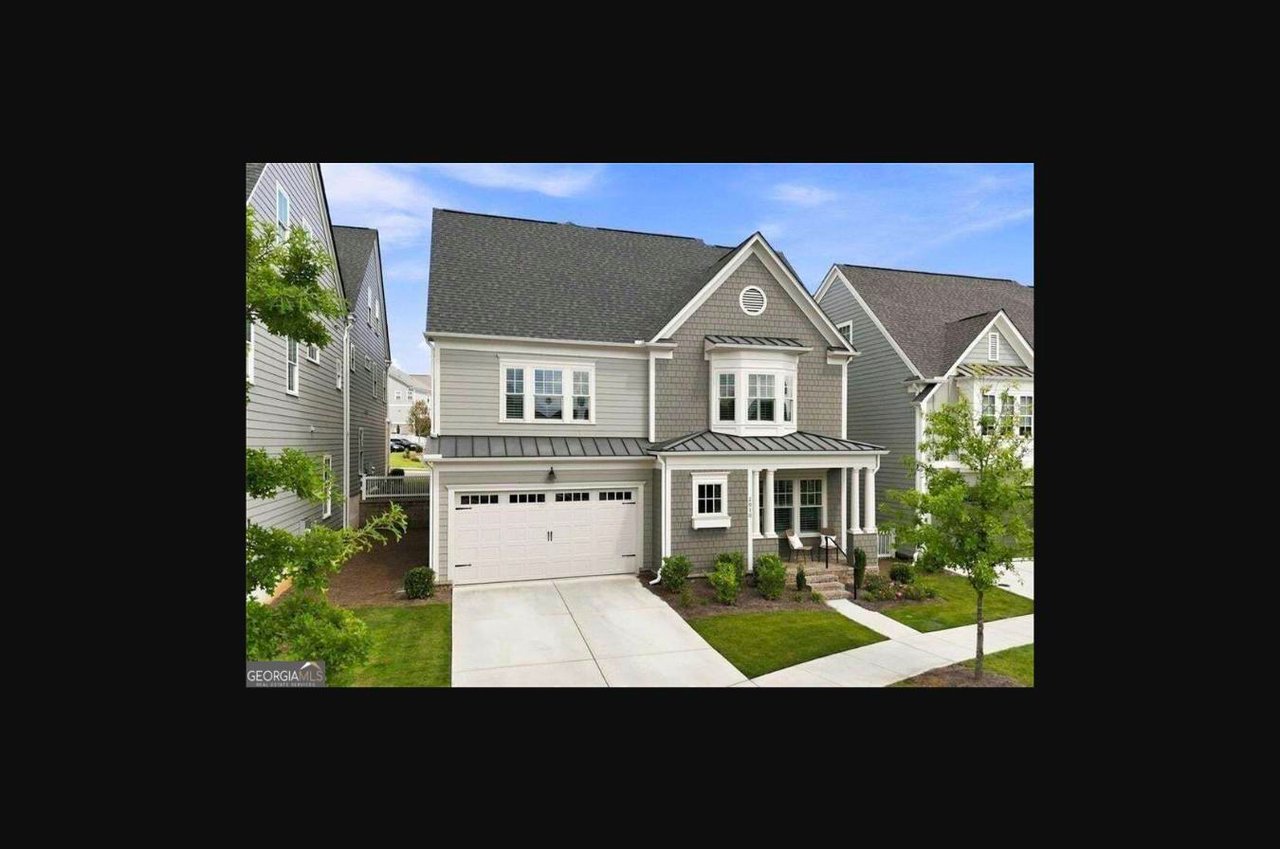
First-ring suburbs such as Decatur and Sandy Springs sit in a middle tier (2026), where a 500,000 dollar budget generally stretches to more finished square footage and a usable lot while keeping a reasonable commute to the core. This tier often appeals to buyers who want more room without moving far out.
What you gain and give up
You gain more space and often a yard, with moderate commute times. You give up some of the walkable density found in the core, though many first-ring communities have their own smaller-scale walkable downtown areas.
School districts and family considerations
Many buyers moving to first-ring suburbs are weighing school district boundaries alongside price. It is worth reviewing specific district assignments for any property under consideration, since boundaries can change and can vary block by block even within the same city.
Tier three: outer counties like Gwinnett and Forsyth
Outer counties like Gwinnett and Forsyth deliver the most affordable housing per square foot (2026), so a 500,000 dollar budget can buy a large single-family home on a bigger lot. The tradeoff is a longer commute to central job centers, which matters most for buyers who commute daily.
What you gain and give up
You gain maximum square footage and land for the budget. You give up proximity and typically accept a longer drive to the urban core, though some outer-county areas have their own growing employment centers that reduce the need to commute downtown at all.
New construction availability
Outer counties tend to have more new construction inventory than intown submarkets, since available land is more plentiful. Buyers prioritizing a brand-new home with modern systems and warranties often find more options in this tier than in built-out intown neighborhoods.
How should buyers weigh commute time against space and price?
There is no universal right answer, since the value of an extra 20 minutes of commute time depends entirely on individual priorities, work arrangements, and family needs. Buyers who work hybrid or remote schedules may find outer-tier tradeoffs far more tolerable than someone commuting downtown five days a week.
Calculating true cost of commute
Beyond time, consider fuel, vehicle wear, and tolls when comparing tiers. A lower home price in an outer county can be partially offset by higher transportation costs over time, so total cost of ownership is a more complete comparison than price alone.
How do these tiers compare for long-term appreciation?
Long-term appreciation patterns vary by submarket and are influenced by factors like job growth, infrastructure investment, and new construction supply. Core intown areas have historically shown resilient demand due to limited land, while first-ring and outer suburbs can see stronger appreciation during periods of rapid population growth and employer relocation.
Why local data matters more than metro averages
Metro-wide appreciation figures can mask sharp differences between neighborhoods. A market analysis based on recent comparable sales in the specific submarket under consideration provides a far more reliable picture than broad metro trends alone.
FAQ
Is intown Atlanta always more expensive than the suburbs? Generally yes on a price-per-square-foot basis, though specific pockets of high-demand suburbs can rival or exceed intown pricing. Always compare recent comparable sales for the specific neighborhood in question.
Do outer counties always mean a longer commute? Typically yes to the traditional urban core, but many outer counties have developed their own employment centers, which can shorten commutes for buyers who work locally rather than downtown.
Should buyers prioritize space over location, or the reverse? It depends on lifestyle, work arrangement, and budget. This is general market information, not personalized financial advice, and buyers should weigh their specific commute, family, and long-term plans before deciding.
Conclusion
Choosing between intown Atlanta and the suburbs in 2026 comes down to what a fixed budget prioritizes: space, commute, or walkability. Reviewing recent comparable sales and true cost of commute across all three tiers gives buyers a clearer, evidence-based way to decide. For a tailored market analysis based on your budget and priorities, connect with The Agency Atlanta team.