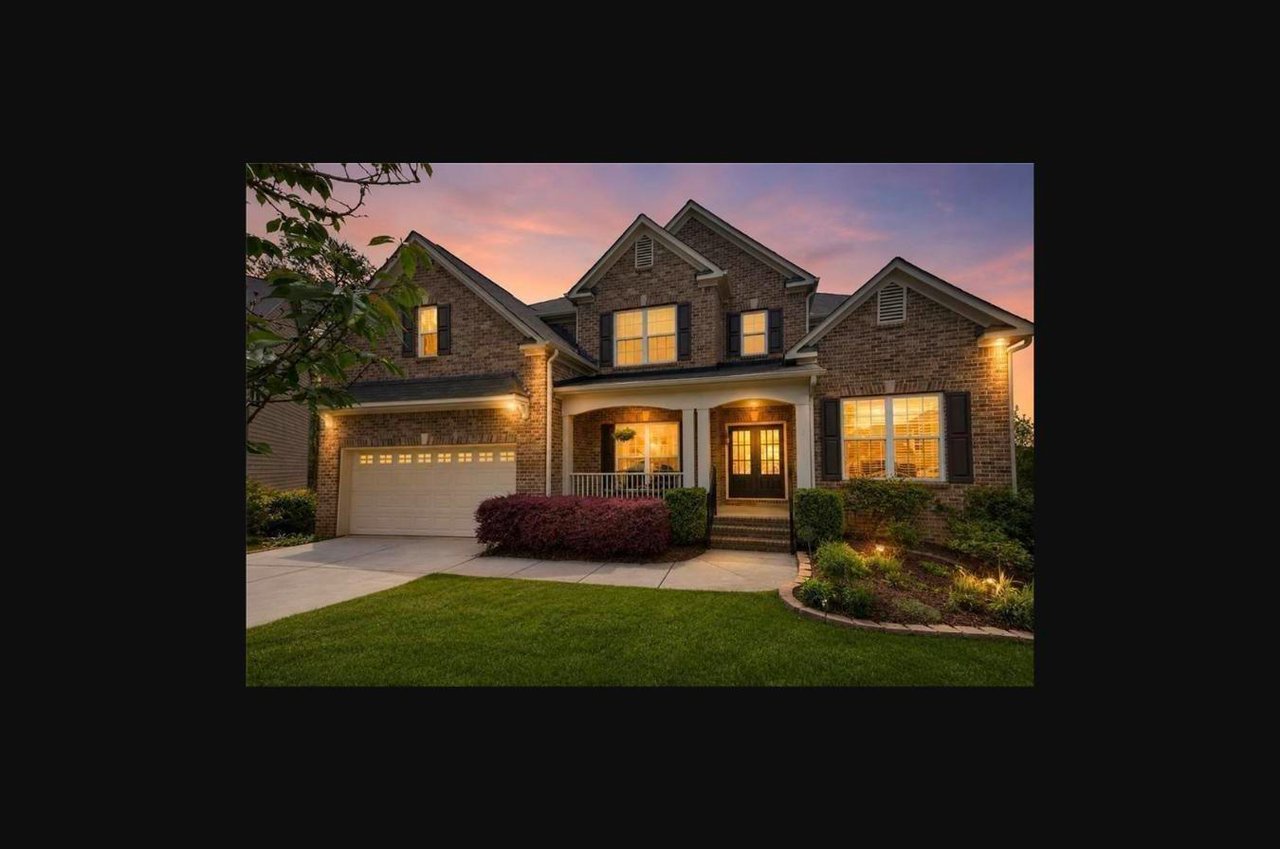
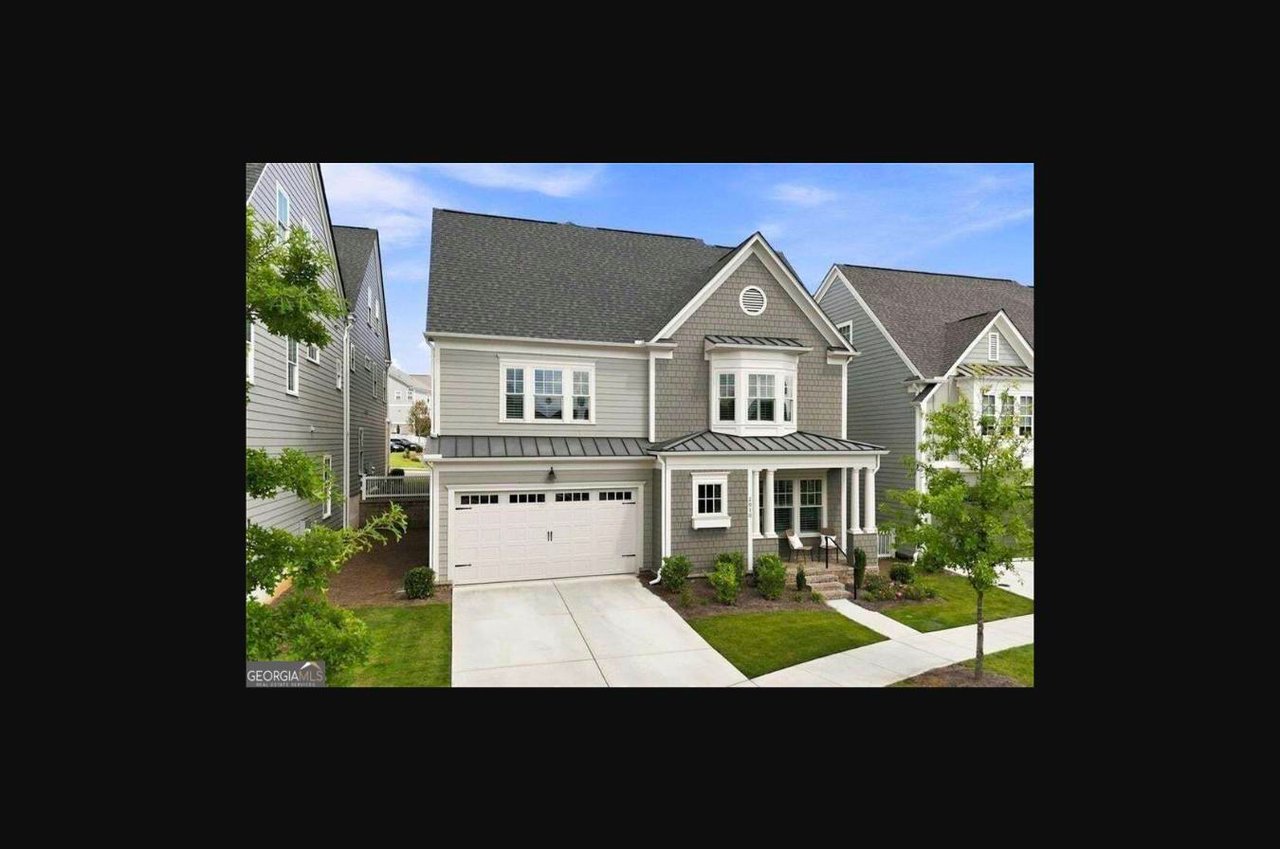
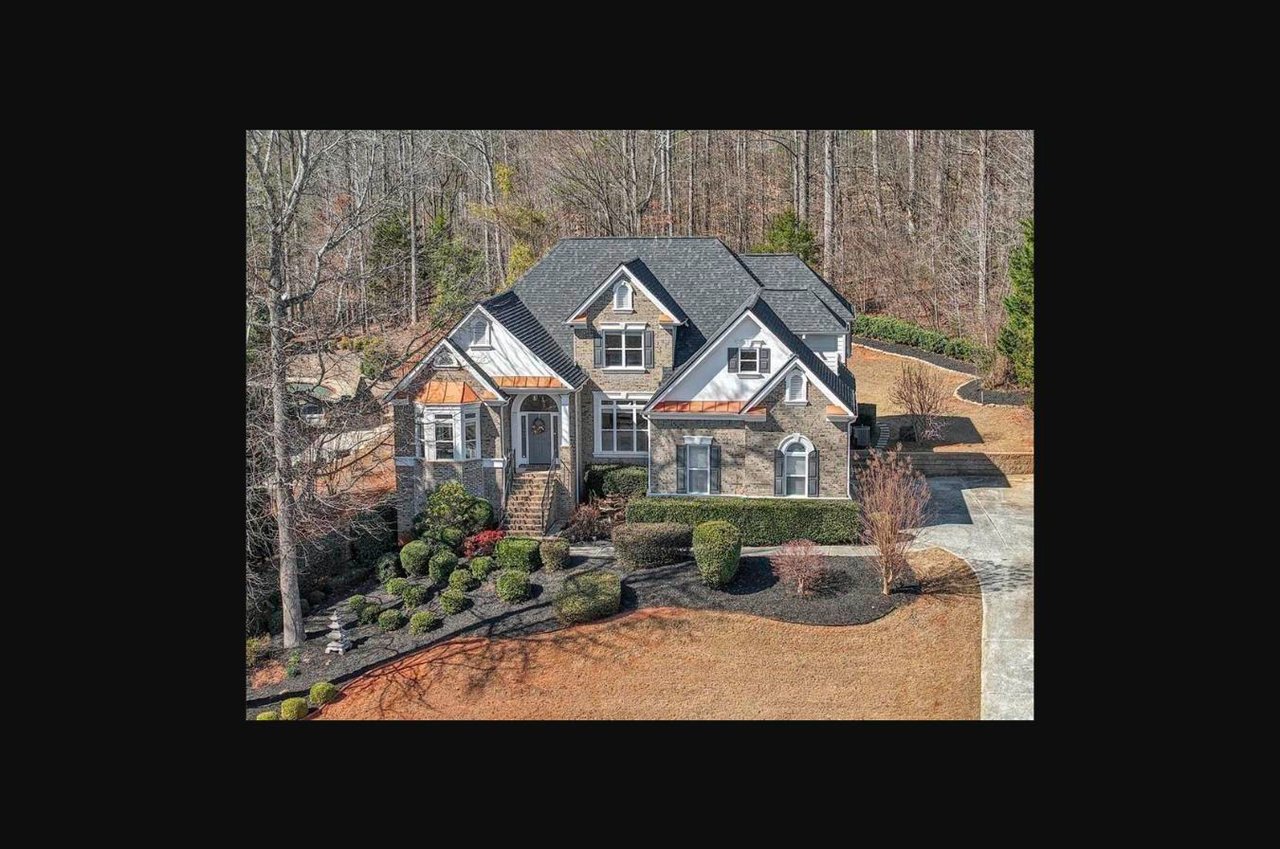
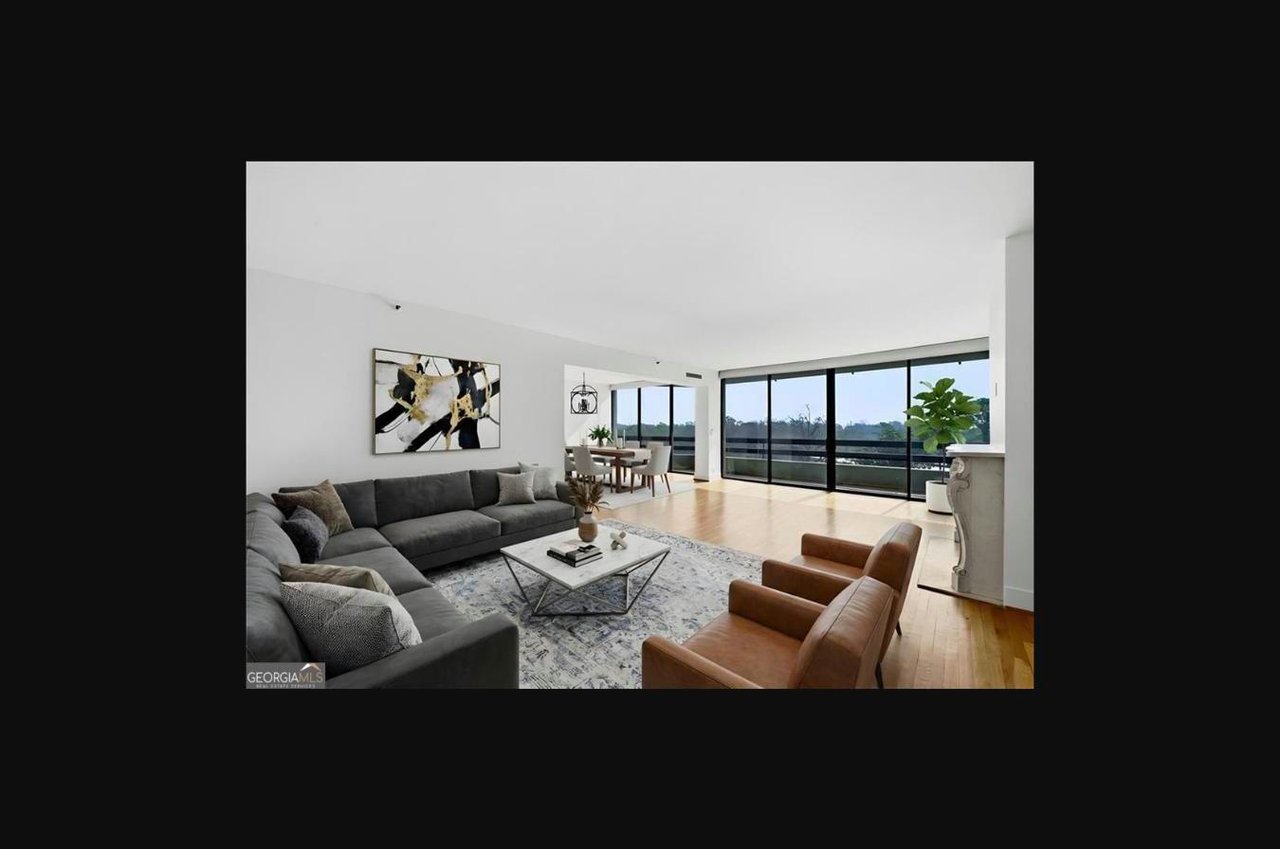
New construction versus resale in Atlanta is a sharper, more interesting decision in 2026 than it has been in years. New construction now runs roughly $70,000 above resale at the median, yet that premium has narrowed to one of the smallest gaps on record nationally. For buyers, that shift changes the math: the distance between a brand-new home and a well-located existing one is smaller than the headlines of recent years suggested. This numbers-driven guide breaks down the true all-in costs of each option, how builder concessions change the picture, and how prices compare across Atlanta counties so you can decide based on total spend rather than sticker price.
How big is the new construction price gap in Atlanta right now?
At the median, new construction carries roughly a $70,000 premium over resale, a gap that has compressed to among the narrowest on record nationally. In practical terms, that means the premium for a brand-new home is smaller than it was during the sharp run-ups of prior years. For buyers who assumed new construction was simply out of reach, the narrowing gap is a reason to re-run the comparison rather than rule it out.
The median is only a starting point, though. The right question is not whether new construction costs more on paper, but what each option will actually cost you over the first several years of ownership once repairs, upgrades, and incentives are included.
Why the gap is narrowing
Several forces have pushed the two segments closer together. Builders have brought more inventory to market and leaned on incentive-heavy pricing to keep sales moving, while resale values have held relatively steady. The combination compresses the premium and gives buyers more leverage than they typically have with a new home.
What are the true all-in costs of resale versus new?
Sticker price is only the beginning of the comparison. Nearly 40 percent of resale listings need major system updates, such as roof, HVAC, electrical, or plumbing work, that can erase much of the apparent savings over a new home. New construction shifts those costs into the purchase price but sharply reduces near-term repair spend, since major systems are new and typically under warranty.
Hidden resale costs to model
When evaluating a resale home, budget for deferred maintenance, energy-efficiency upgrades, and any immediate repairs uncovered during inspection. An older roof or an aging HVAC system can represent tens of thousands of dollars within the first few years, which directly narrows the gap against new construction.
What new construction spends you avoid, and what you add
A new home reduces short-term maintenance risk and often includes builder warranties, but it can add costs resale buyers do not face, such as landscaping, window treatments, fencing, and finishing an unimproved yard. Model these so the comparison is apples to apples.
How do builder closing-cost concessions change the math?
Builders frequently offer closing-cost concessions, interest-rate buydowns, or upgrade credits that a typical resale seller does not. These incentives can offset a meaningful portion of the new-construction premium, which is why buyers should always ask for the full concession package and calculate net cost rather than comparing list prices alone.
Rate buydowns versus price cuts
A rate buydown lowers your monthly payment and can be worth more than an equivalent price reduction over the time you hold the loan, while a price cut lowers your basis and long-term equity math. Which is better depends on how long you plan to stay, so weigh both against your timeline.
How do prices compare across Atlanta counties?
A citywide median hides real differences between counties and submarkets. New construction premiums, inventory levels, and concession availability all vary by location, so the smart approach is a market analysis by county and by property type rather than relying on a single regional figure. In some counties, new inventory is plentiful and heavily incentivized, while in others, limited new supply keeps the premium wider.
Match the comparison to your target area
Before deciding, pull recent comparable sales for both new and resale homes in the specific county and price band you are targeting. That local view is far more reliable than a national headline about the average gap.
Which option is right for your situation?
The best choice depends on your time horizon, tolerance for near-term projects, and how much you value new systems and warranties. Buyers who want a move-in-ready home with minimal early maintenance often favor new construction once concessions are counted, while buyers seeking established neighborhoods, mature landscaping, or specific school and location attributes may find better value in resale even with update costs.
FAQ
Is new construction always more expensive? At the median it carries roughly a $70,000 premium, but builder concessions and lower near-term repair costs can narrow the real difference substantially.
Do resale homes really need major updates? Nearly 40 percent of resale listings need major system updates, so buyers should price roof, HVAC, and similar work into any comparison.
Can builder incentives offset the premium? Often yes. Closing-cost concessions, rate buydowns, and upgrade credits can meaningfully reduce the effective cost of a new home.
Should I compare list prices or all-in costs? Always compare all-in costs, including repairs, upgrades, concessions, and financing effects, not just the list price.
Conclusion
New construction versus resale in Atlanta comes down to all-in cost, not sticker price, and the narrowing 2026 gap makes the comparison closer than it has been in years. For a county-level market analysis of new and resale options that fit your budget and timeline, contact The Agency Atlanta, and consult a lender to model financing and concession scenarios.